


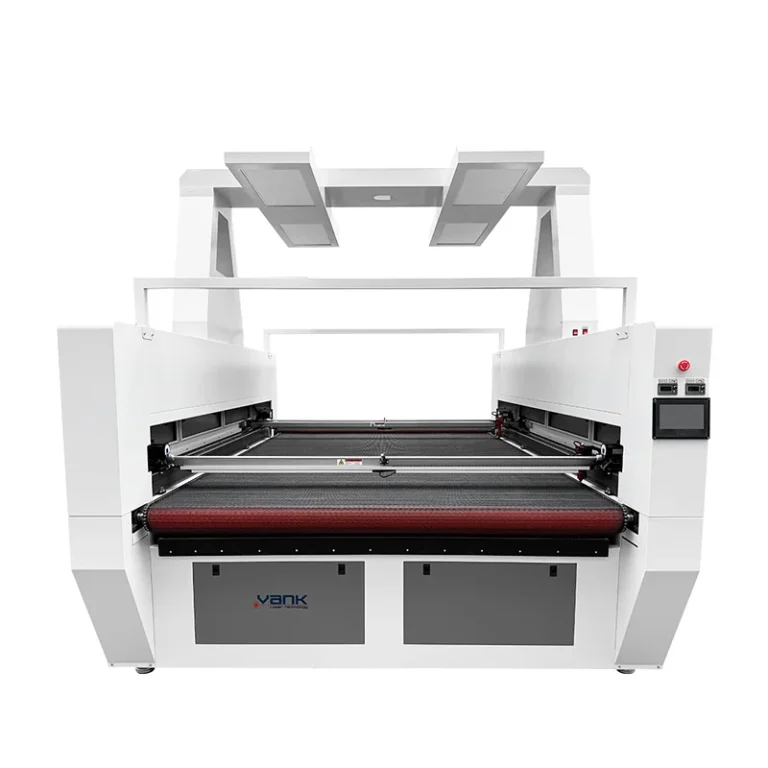
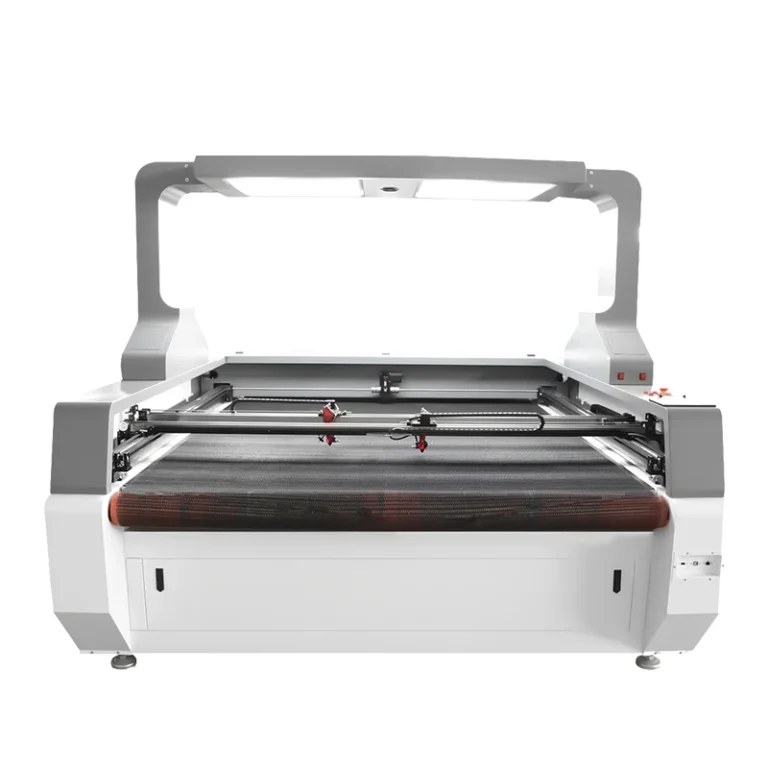
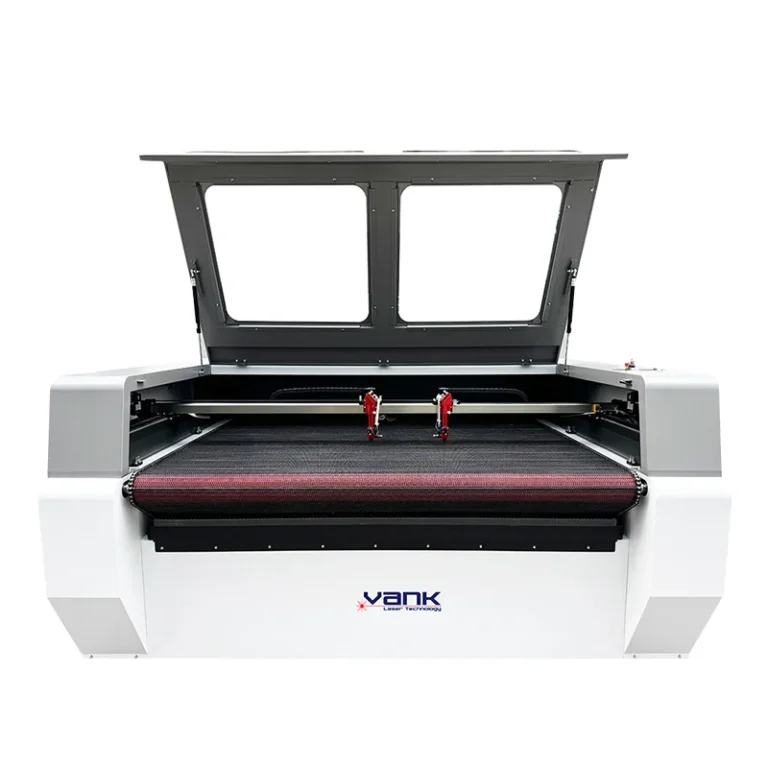
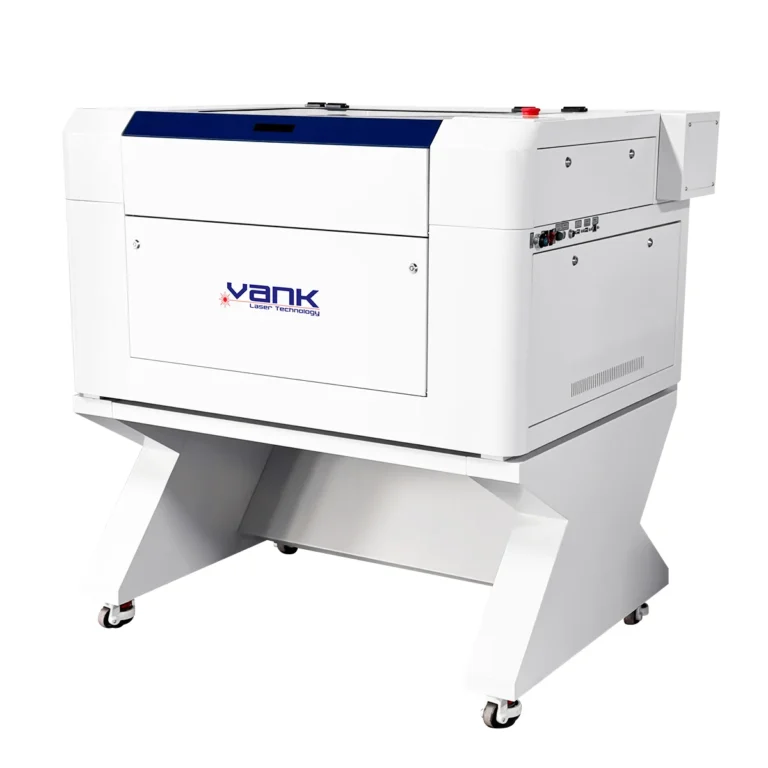
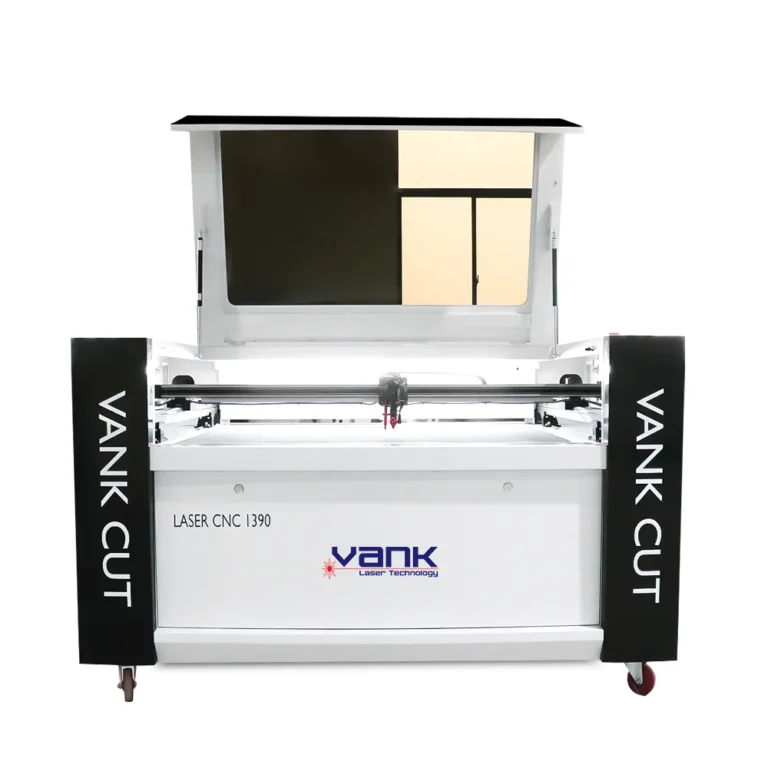
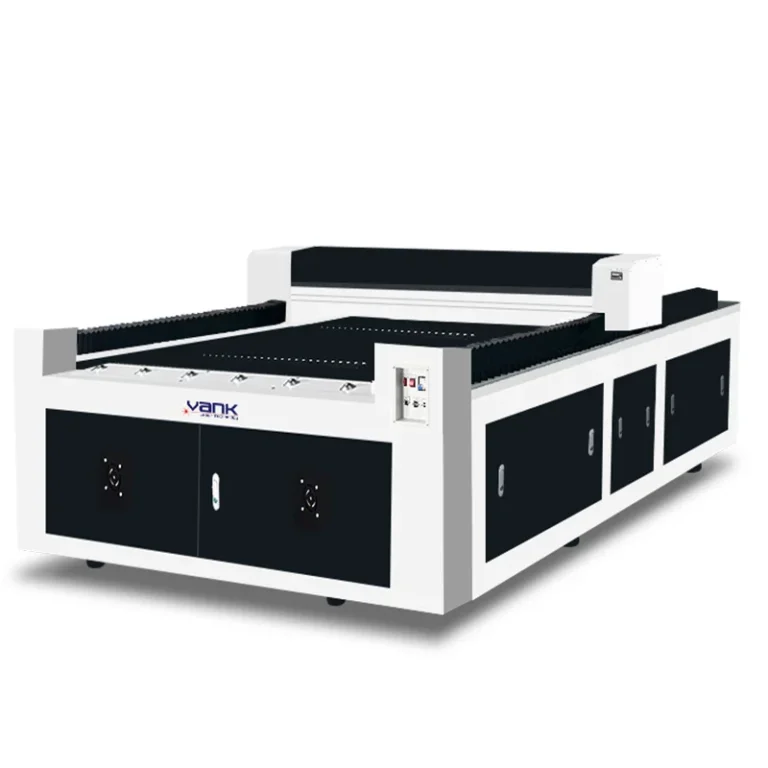
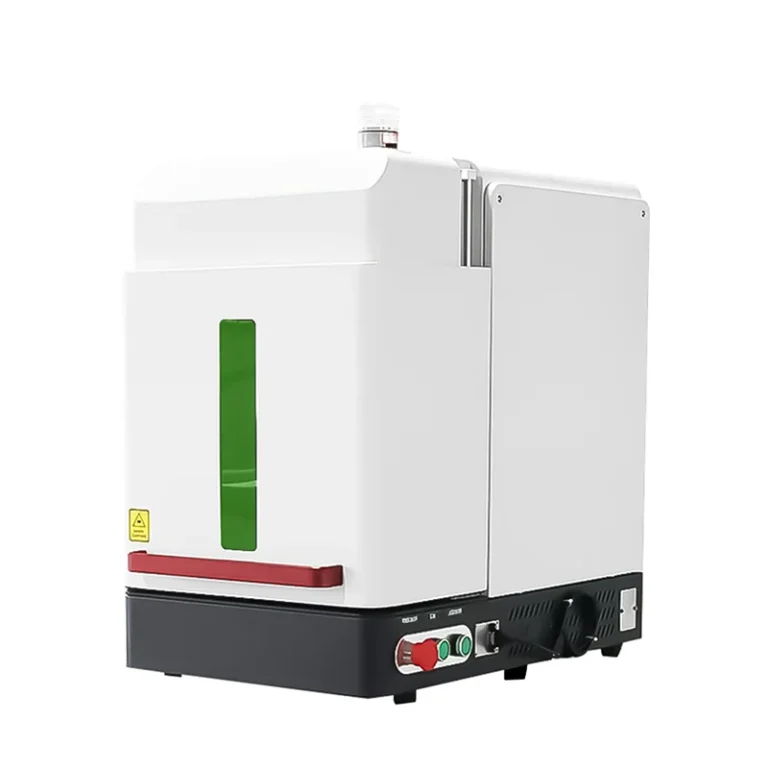
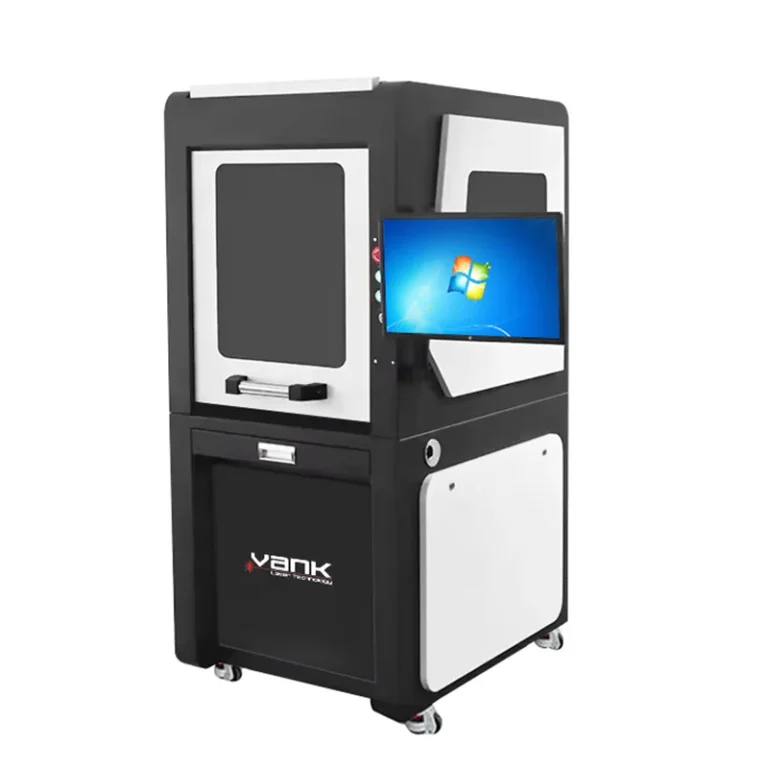
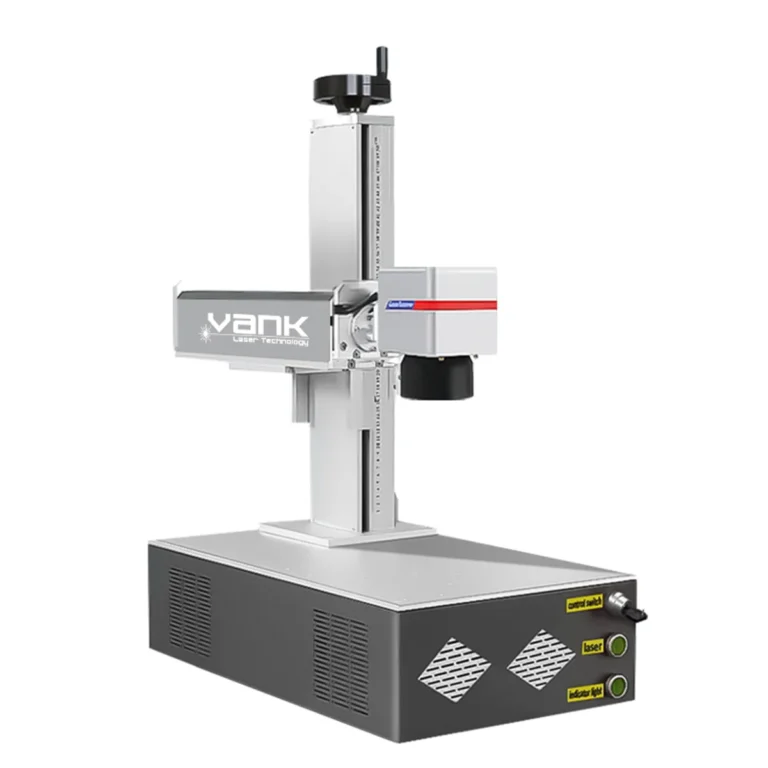
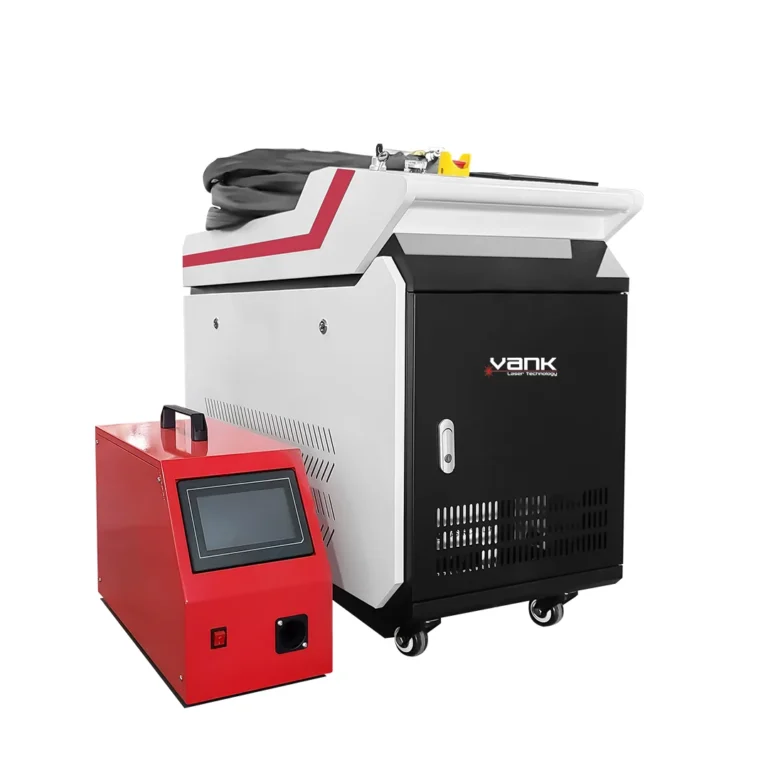
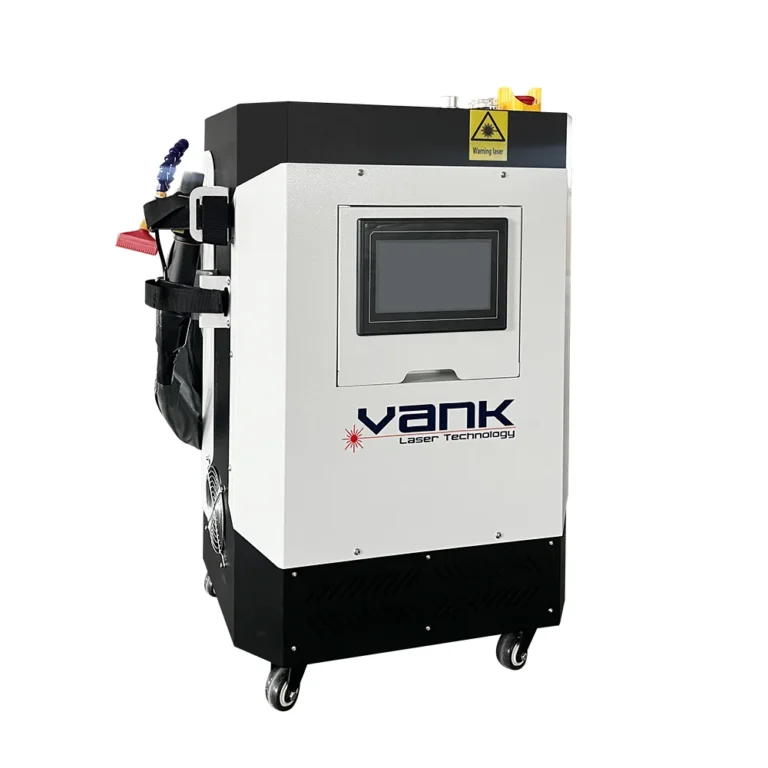
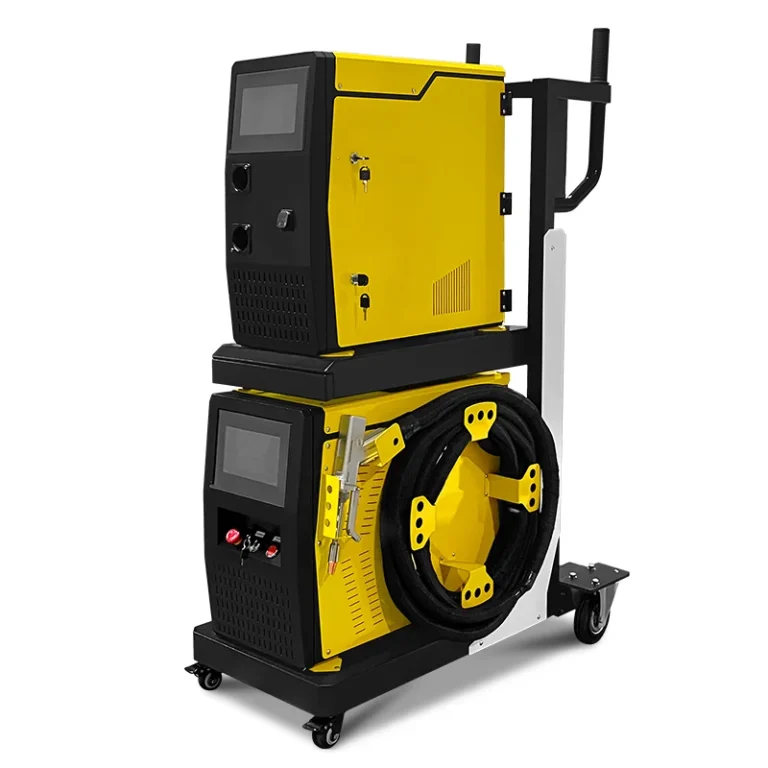
Choosing the laser and material. Wood laser cutting and engraving is normally performed with a CO2 laser because 10.6 µm energy is absorbed efficiently by wood and wood-based panels; a fiber laser is not the standard choice for cutting or engraving bare wood. Suitable candidates include laser-tested plywood, MDF, solid wood and veneer, but performance varies with species, density, moisture, grain, resin, thickness, adhesive and finish. Soft woods such as balsa or poplar generally need less energy and produce lighter engraving, while denser woods such as oak or cherry need more energy and can produce darker contrast. Plywood should use laser-safe, consistent adhesive, and MDF or veneered panels should have documented emissions. Unknown laminates, pressure-treated lumber, flame-retardant boards and unidentified coatings require SDS review and supplier approval before testing.
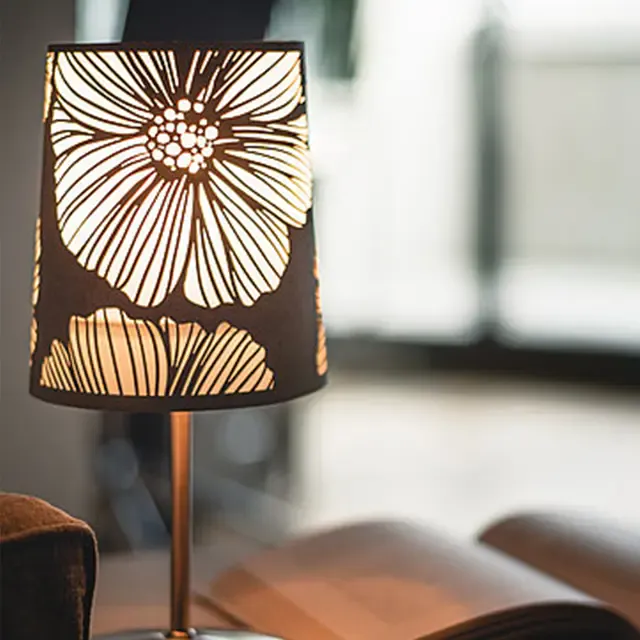
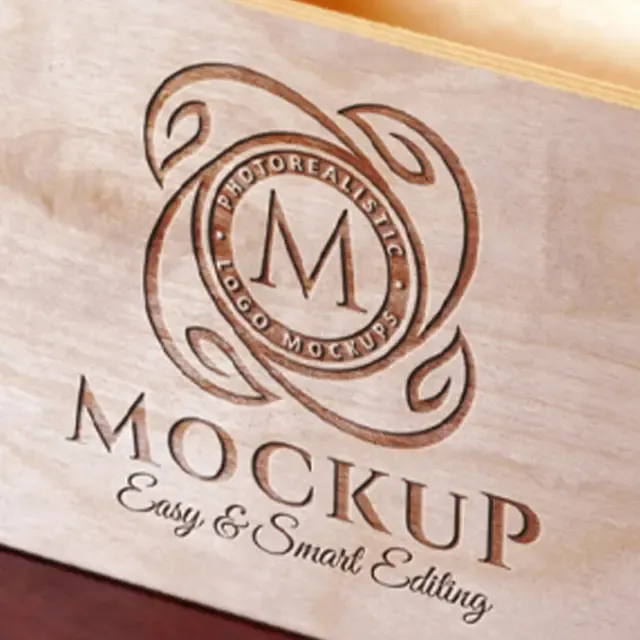
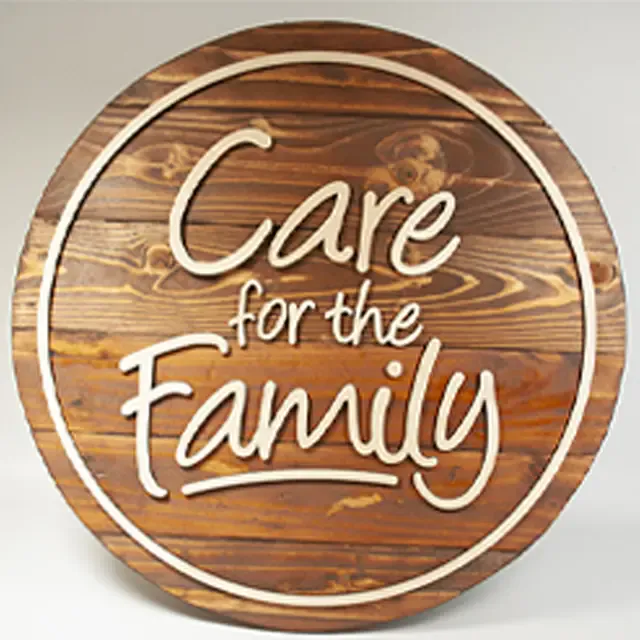
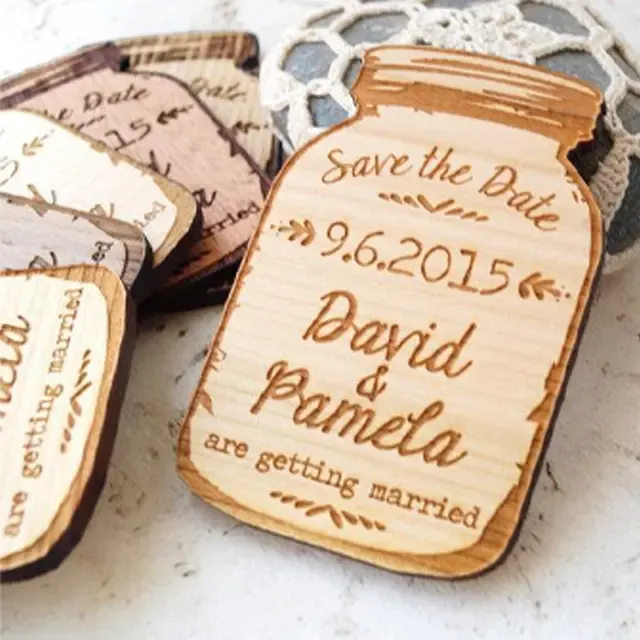
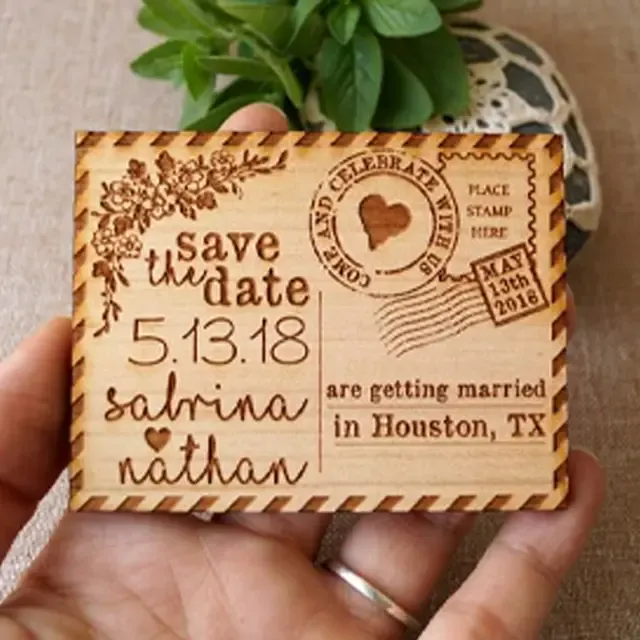
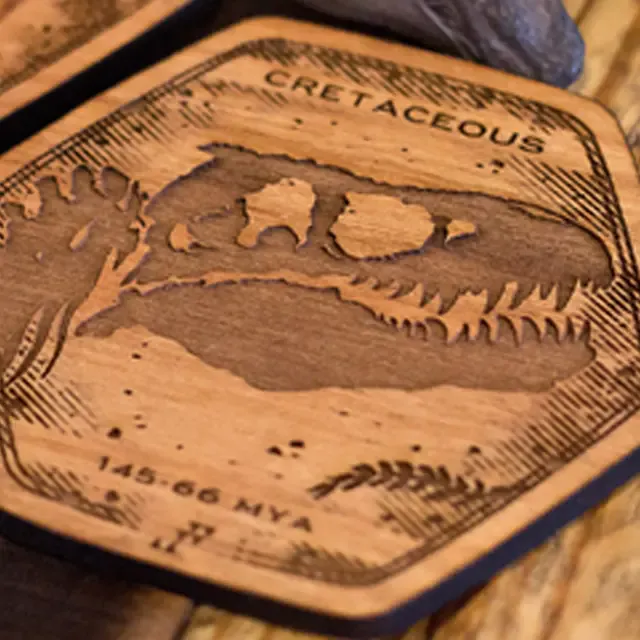
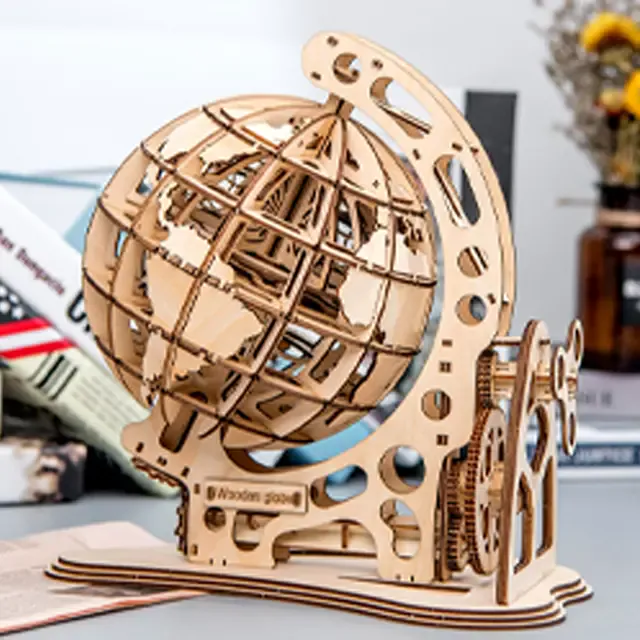
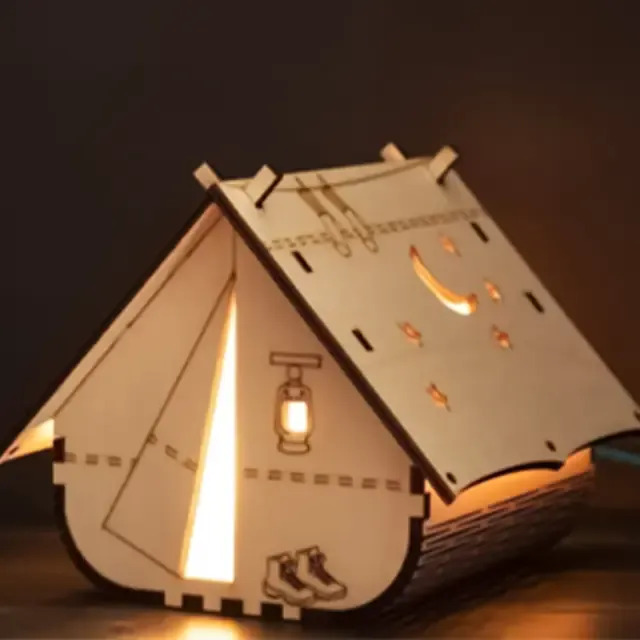
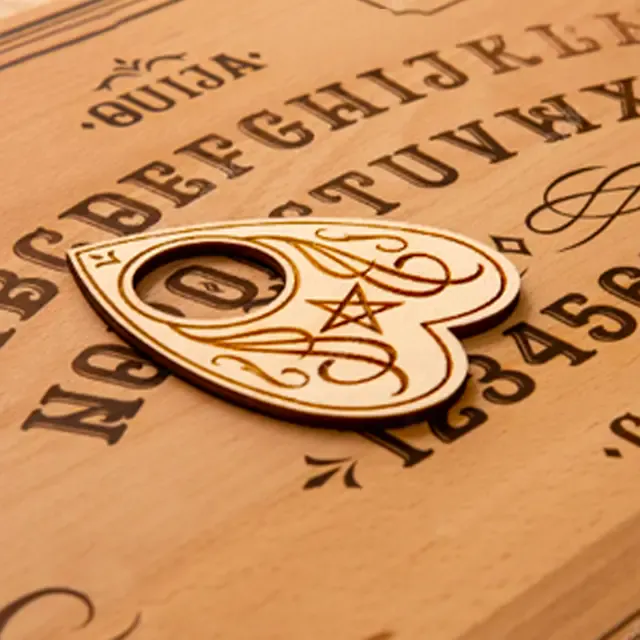
Production applications and quality controls. CO2 laser processing can produce architectural models, mechanical kits, signage, invitations, packaging, ornaments, wall art, custom gifts, inlays, jigs and short-run furniture details without tool contact. Engraving contrast follows the natural grain and can be tuned with power, speed, frequency, focus and line interval; cutting quality depends on thickness, glue layers, flatness, kerf, air assist, lens choice and extraction. A large advertised work area or scanner speed does not predict finished-part cycle time. Production approval should use the customer's exact panel, artwork and finish to verify edge char, smoke staining, dimensional tolerance, small-feature strength, engraving contrast, back-side flash, nesting, loading method and post-cleaning. Masking can reduce surface residue, but only verified PVC-free application tape should be considered.




Extraction, fire safety and sample approval. Wood dust, smoke, resin and adhesive decomposition products require effective local exhaust or filtration; the process must never run unattended because wood and accumulated debris are combustible. Keep the bed, air path, optics and extraction system clean, confirm air assist and flame response, and provide an accessible emergency stop and suitable fire procedure. Do not process PVC-faced board, halogenated coatings or materials with unknown binders. Before purchase, provide the wood species or panel datasheet, thickness range, maximum part size, artwork, required edge appearance, engraving depth or contrast, batch target and destination power. Vank can then select a CO2 laser configuration and run a representative sample test; any cutting thickness, speed, tolerance or finish should be accepted from that test rather than treated as a universal guarantee.