


HomeProductsCO2 Laser Cutting Machines for FabricVankCut-1812 Top-Vision Fabric Laser Cutter
VankCut-1812 Top-Vision Fabric Laser Cutter

VankCut-1812 Top-Vision Fabric Laser Cutter

CO2 Laser Cutting Machines for Fabric

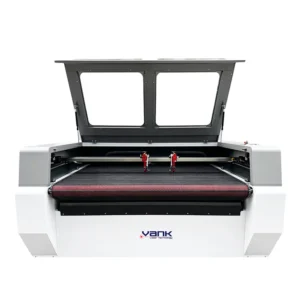
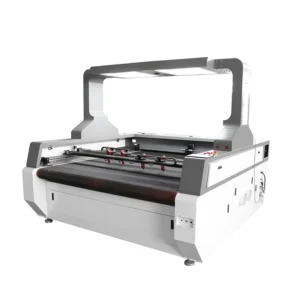
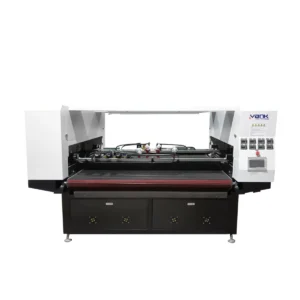
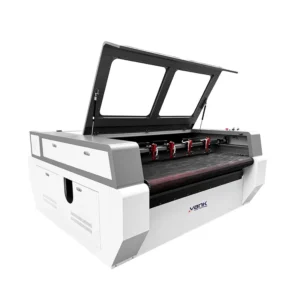
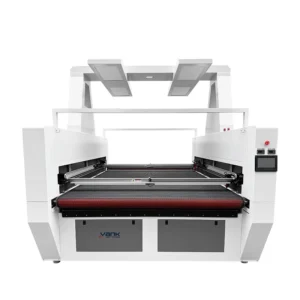
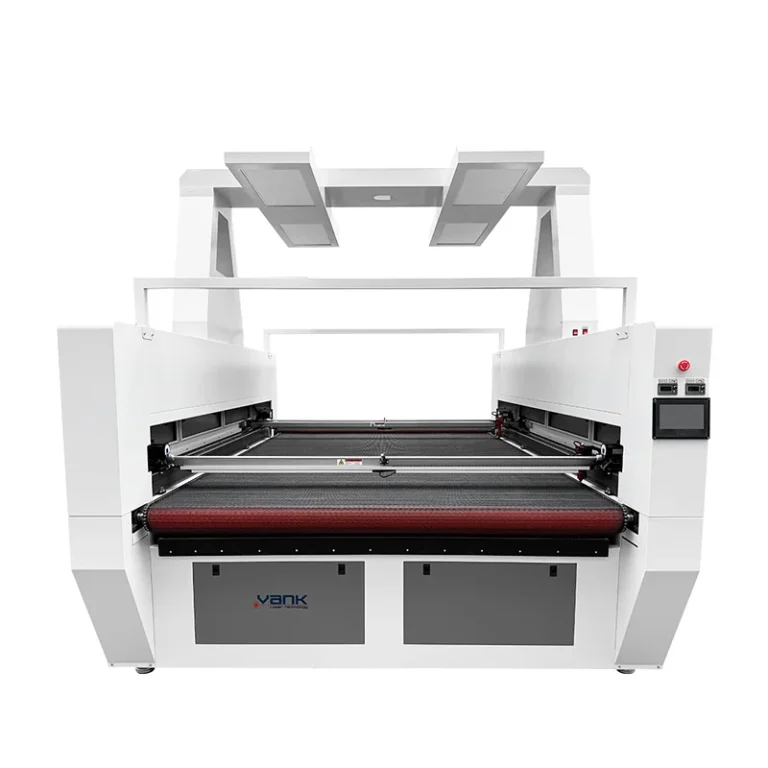
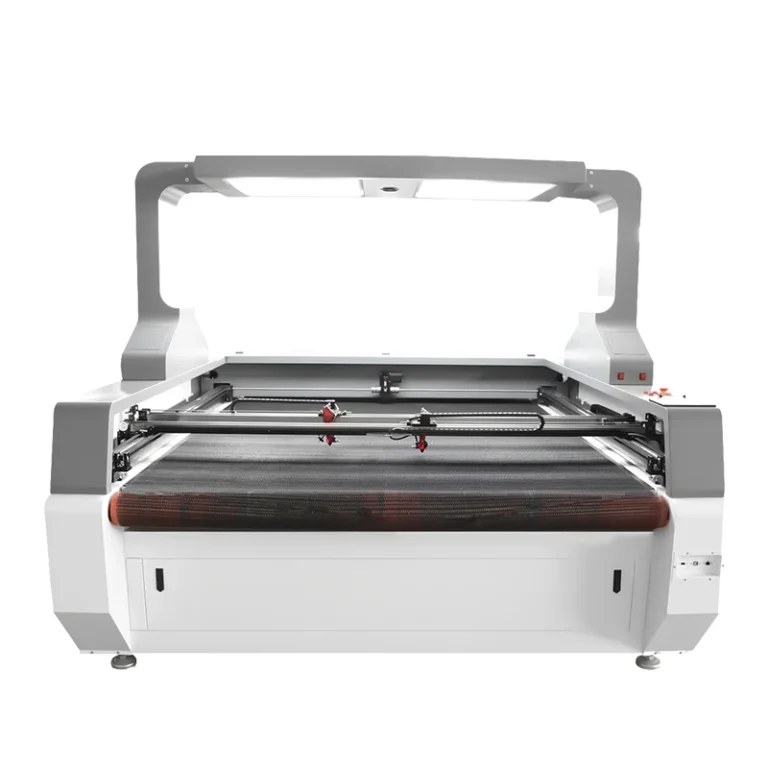
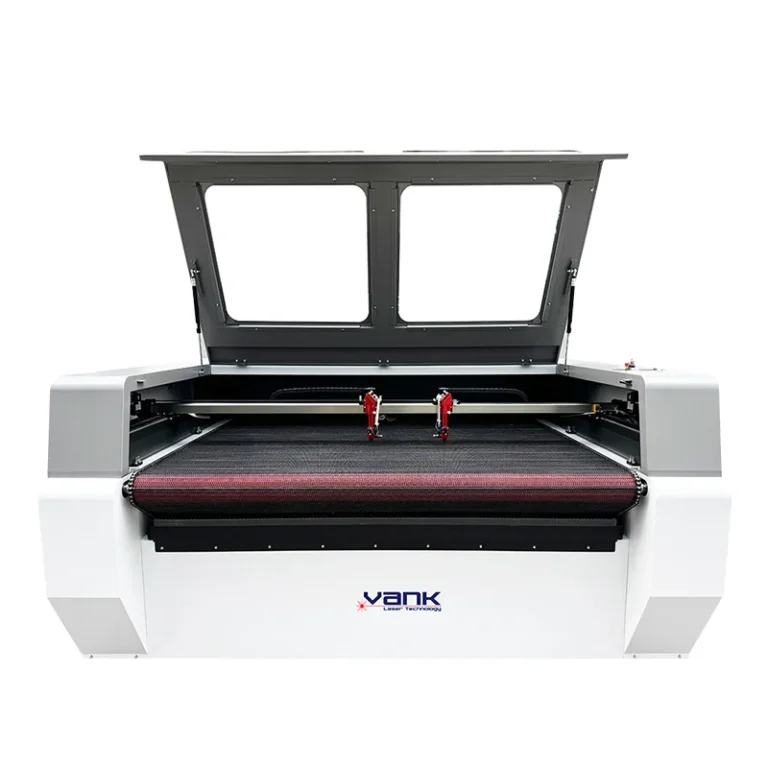
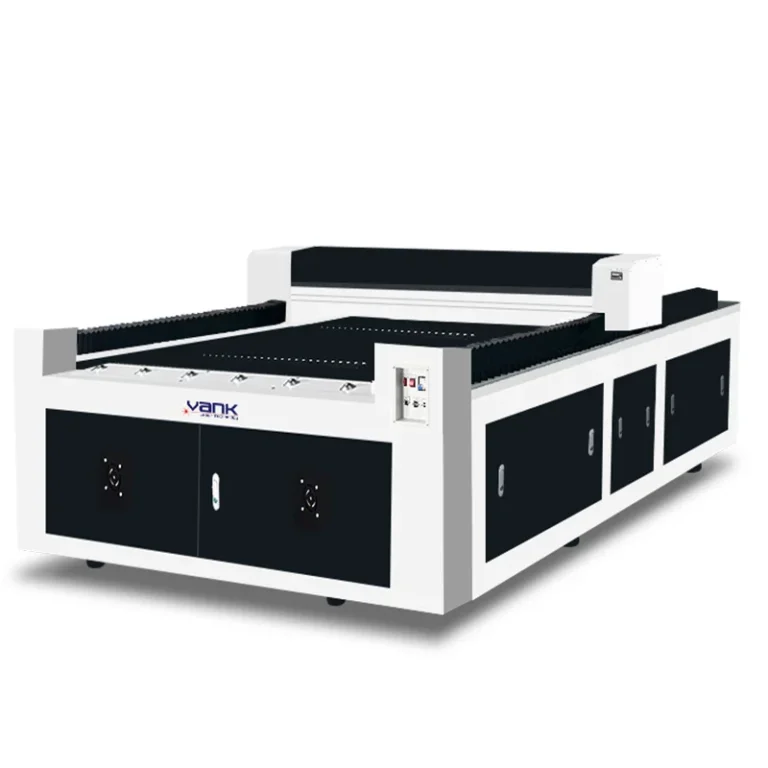
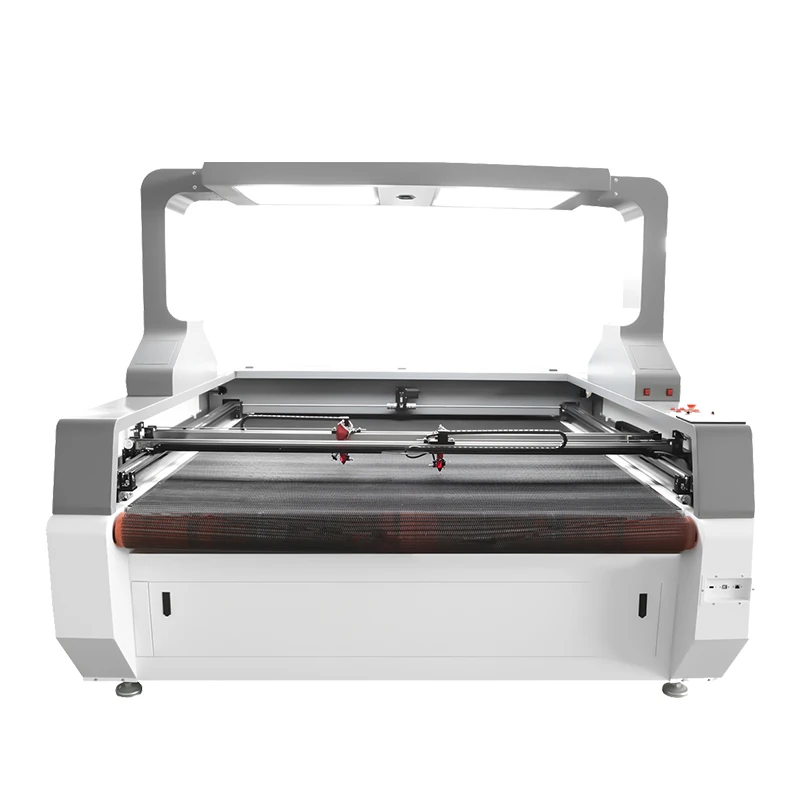
The VankCut-1812 top-vision fabric laser cutter combines a 1800 × 1200 mm conveyor, automatic roll feeding and an overhead camera for contour-aligned cutting of qualified printed, embroidered and lace textiles.

Camera field, lens, calibration, source power and one- or two-head architecture are configured to the application. Final contour tolerance, edge quality and cycle time are confirmed with customer material and artwork before production acceptance.

Share:

Enter password to download our product information Contact sales@vanklaser.com

Product Description

Top-Vision Contour Cutting for Printed Textiles

The VankCut-1812 top-vision fabric laser cutter combines a 1800 × 1200 mm conveyor, automatic roll feeding and an overhead camera to align cutting paths with printed, embroidered and lace contours. Recognition quality and cut tolerance depend on image contrast, fabric distortion, camera calibration, lens selection, feed indexing and an approved sample test.

  • Apparel: printed sportswear panels, fashion fabrics, labels, appliqué and qualified garment components.
  • Home textiles: printed upholstery panels, curtains, cushions, bedding components and textile décor.
  • Industrial textiles: qualified filtration media, fabric ducting, insulation covers and technical-fabric components.
  • Transport interiors: carpets, seat-cover panels and decorative trim after material and application qualification; safety-critical parts require separate certification.
  • Outdoor and sports products: banners, covers, tents and non-life-safety fabric components; load-bearing or life-safety products need customer validation.
  • Protective and advanced textiles: only materials approved by the supplier and validated for laser processing; the machine does not imply product certification.

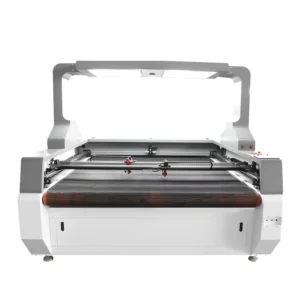
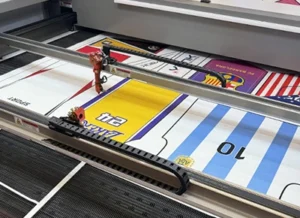
VankCut-1812 top-vision fabric laser cutter with conveyor

Automatic roll-fabric feeding workflow step

Step 1

Advance and stabilize the roll fabric

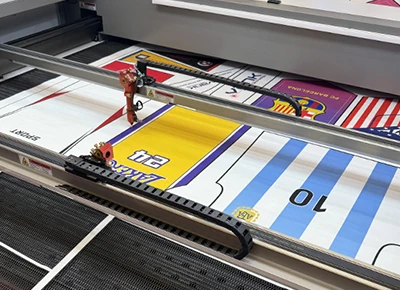
Top-vision camera capturing printed fabric

Step 2

Capture a calibrated top-view image

Vision software generating a textile cutting contour

Step 3

Extract or align contours in the vision software

CO2 laser cutting the approved textile contour

Step 4

Cut and verify the approved pattern

VankCut-1812 Specifications

The specification below defines a quotation framework for the VankCut-1812. Laser-source brand and rated power, camera field and calibration, one- or two-head architecture, electrical service, extraction and acceptance tolerances must be confirmed in the signed configuration and sample-cut approval.

Vision-Cutting Advantages

  • Contactless processing: reduces tool pressure on flexible materials when feed tension and vacuum hold-down are correctly set.
  • Material-dependent edge finish: many thermoplastic textiles can fuse at the edge; natural fibers and coated fabrics behave differently and require testing.
  • Contour alignment: calibrated vision software can extract or register printed and embroidered outlines when contrast and artwork quality are suitable.
  • Indexed roll workflow: the feeder and conveyor advance material between camera capture and cutting cycles; throughput is established by sample testing.
  • Configurable production: one- or two-head layouts can be quoted, with head spacing, synchronized motion and usable width confirmed for the customer pattern.

ModelVankCut-1812
Nominal Working Area1800 × 1200 mm
Primary WorkflowVision-aligned contour cutting of qualified printed, embroidered and lace textiles in roll or sheet form
Vision ArchitectureOverhead full-area camera with calibrated image capture and contour-alignment software
Camera ConfigurationField of view, lens, pixel resolution, mounting height and calibration target confirmed with the approved layout
Laser SourceWater-cooled sealed-glass CO2 source
Rated Power Classes100 / 130 / 150 / 180 / 200 W; source brand and whether rating is per head or total are contract-specific
Cutting HeadsOne or two as quoted; spacing, independent or synchronized operation and usable width confirmed before order
Working BedConveyor with metal mesh or honeycomb support, configured for the approved material
Material FeedingAutomatic roll feeder with tension and indexing setup matched to roll width, weight and stretch
ControllerTL5269 / T-5269-class or other confirmed vision-compatible controller
Vision SoftwareImage capture, contour extraction or registration and cutting-path generation; workflow confirmed with customer artwork
Motion SystemRail-and-belt motion with stepper or servo configuration as quoted
Production SpeedEstablished by sample testing for material, thickness, contour complexity, power and edge-quality target
Cutting ToleranceCamera calibration and sample-qualified contour tolerance; specified separately from mechanical-axis repeatability
File WorkflowSupported vector, raster or embroidery formats confirmed with the supplied software version and sample files
Air AssistSource-compatible air-assist supply and nozzle setup
CoolingIndustrial water chiller matched to source count and rated power
Extraction and Hold-DownProcess extraction plus configured downward airflow or vacuum support; customer ducting requirements confirmed
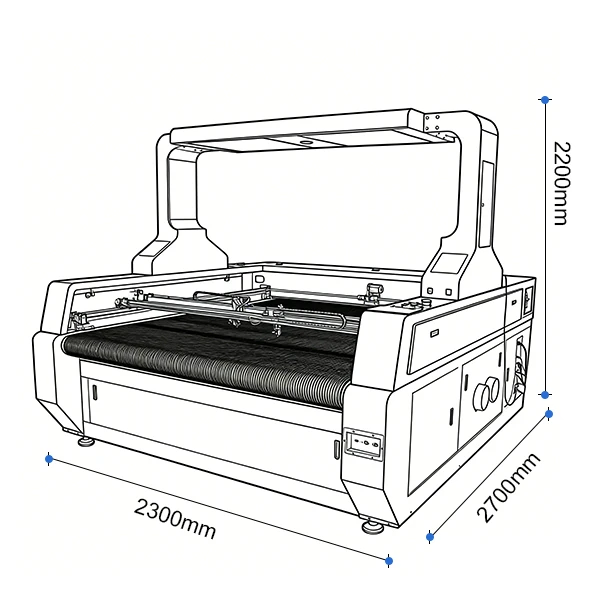
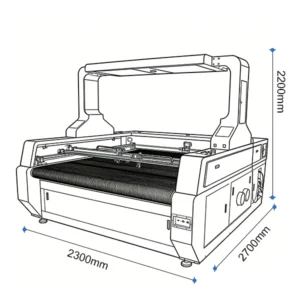
Electrical / FootprintVoltage, frequency, connected load, machine dimensions and weight confirmed on the final layout
SafetyInterlocks, emergency stop, ventilation and local guarding requirements confirmed for the installation region
AcceptanceFinal configuration approved against customer material, artwork, contour tolerance, edge quality and cycle-time criteria

Vank 1812 vision fabric cutter installation tutorial - step 1

Vank 1812 vision fabric cutter installation tutorial - step 2

Vank 1812 vision fabric cutter installation tutorial - step 3

Material and Application Qualification

Applicable materials

Common candidates include polyester, nylon, cotton, denim, felt, selected nonwovens, lace and supplier-approved synthetic leather. Each exact substrate, coating, adhesive, backing and flame-retardant treatment must be reviewed for laser safety and approved by sample cutting. Do not process PVC, PTFE or materials that may release corrosive or toxic fumes.

Applicable industries

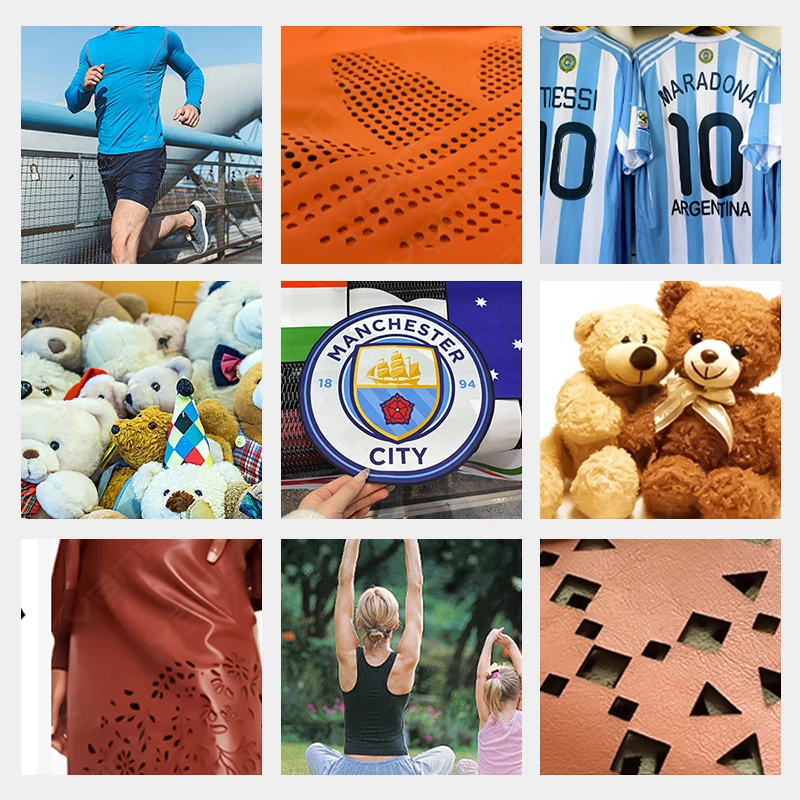
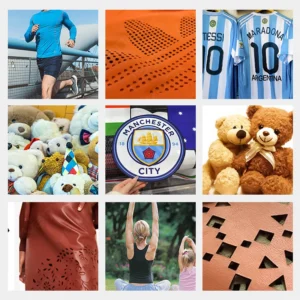
Typical applications include printed sportswear panels, fashion and home-textile components, soft signage, embroidery and appliqué, plush-toy patterns, selected shoe-upper materials and other camera-aligned textile parts. Safety-critical products require application-specific validation and certification by the customer.

Dye-sublimated textile contour-cutting sample

Dye Sublimation

Printed sportswear panel cutting sample

Sportswear

Plush-toy textile pattern cutting sample

Plush Toy

Home-textile fabric cutting sample

Home Textile

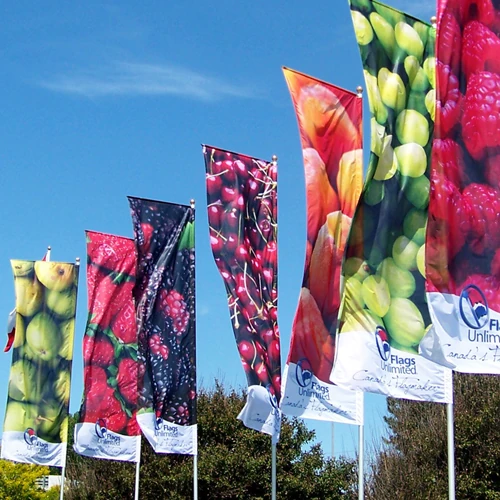
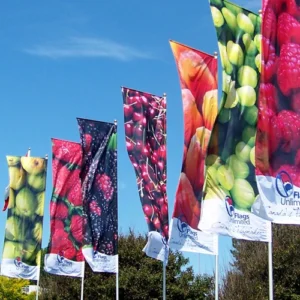
Soft-signage textile cutting sample

Soft Signage

Woven label and appliqué cutting sample

Label & Applique

Printed shoe-upper cutting sample

Shoes

Lace and embroidery contour-cutting sample

Lace & Embroidery

Top-Vision Printed-Fabric Workflow

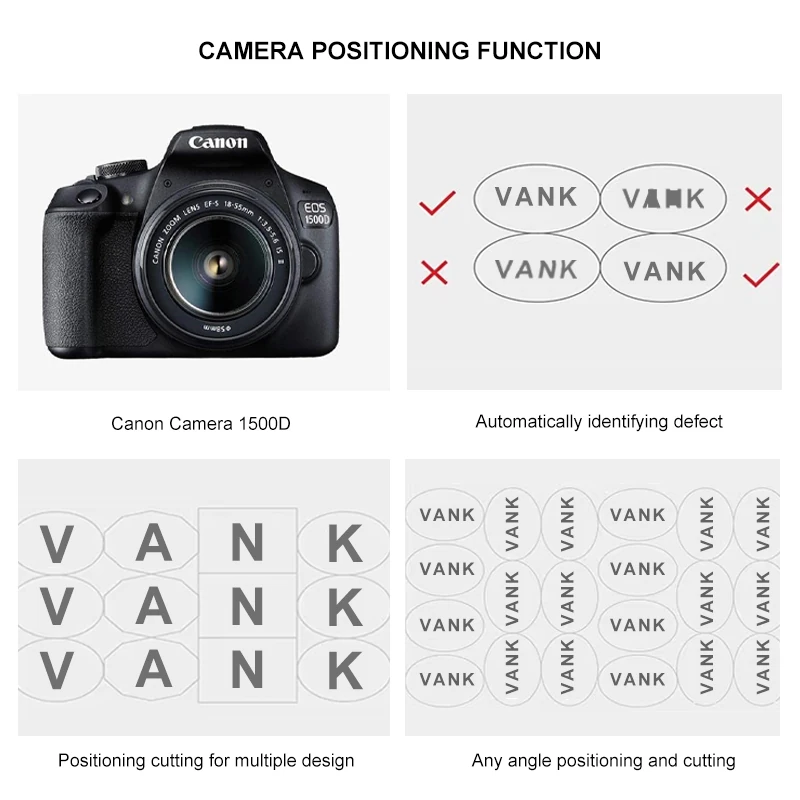
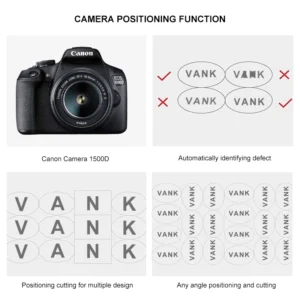
The overhead camera captures the visible print or embroidery across the calibrated field. Vision software then extracts or aligns the contour, generates the approved cutting path and sends it to the motion controller. Feed tension, image contrast, fabric stretch and optical calibration are controlled before production.

A production trial should use the customer’s actual artwork and material to confirm recognition reliability, nesting, edge finish, contour tolerance and cycle time. Results from one fabric or print process should not be assumed for another.


Top-vision fabric cutting workflow diagram

Large-Area Single-Shot Vision Capture

  • Camera field, lens and pixel resolution confirmed on the approved vision layout

  • Cycle time established using customer artwork, fabric and contour-tolerance target

  • ROI depends on audited baseline labor, utilization, scrap, maintenance and financing

Core Components

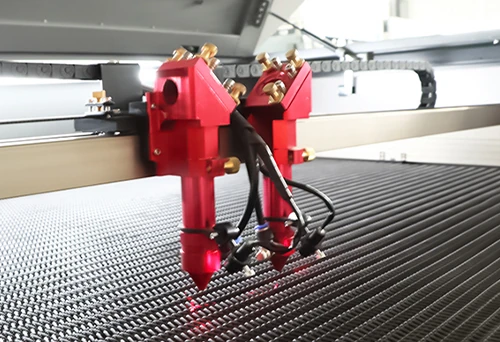
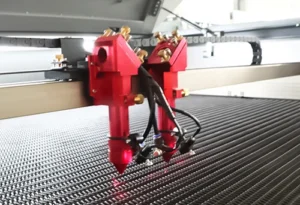
Configured CO2 cutting heads over the conveyor bed

Configured Cutting Heads

One- or two-head configuration

The machine can be quoted with one or two cutting heads. For dual-head builds, usable spacing, synchronized or independent motion, collision control and whether both heads can process different contours must be confirmed against the customer pattern.

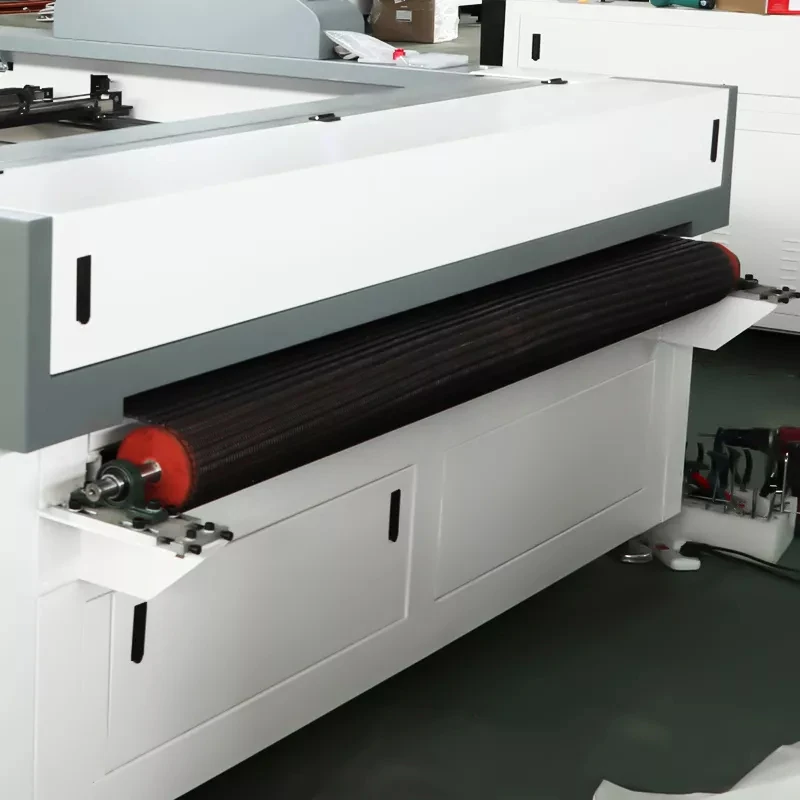
Automatic roll-fabric feeder and tension roller

Auto Feeder

The automatic feeder advances roll material to the conveyor between cutting cycles. Roll width, weight, stretch, edge condition, tension control, sensing and feed increment are set for the approved textile; indexing accuracy is verified during the sample trial.

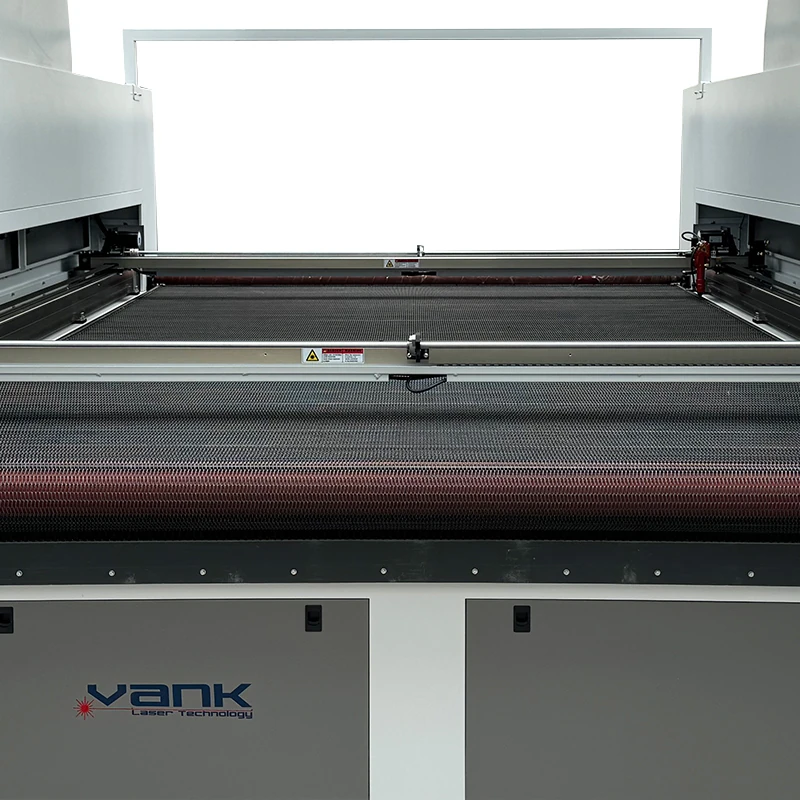
Metal-mesh conveyor and downward extraction bed

Honeycomb Conveyor Table

The metal-mesh conveyor supports flexible material while allowing downward airflow and process extraction. Hold-down performance depends on fabric permeability, bed zoning, fan capacity, ducting and feed tension; extraction must be sized for the approved material and local requirements.

Configured Components and Options

Sealed-glass CO2 laser source

Sealed-Glass CO2 Source

Linear guide and CO2 fabric cutting head

Linear Guide and CO2 Cutting Head

TL5269 top-vision laser controller

TL5269 Vision Controller

Emergency stop button on the machine cabinet

Emergency Stop Control

Source-matched industrial water chiller

Source-Matched Water Chiller

Air-assist pump for textile laser cutting

Air-Assist Pump

Process exhaust fan for textile cutting

Process Exhaust Fan

Canon 1500D top-vision camera

Canon 1500D Top-Vision Camera

Related Products

HOW TO?
  • What laser equipment does Vank Laser supply?

    Vank Laser supplies fiber laser cutting machines, fiber laser marking machines, CO2 laser cutting and engraving systems, laser welding machines and laser cleaning equipment for industrial production and custom automation projects.

  • How do I choose the right laser machine for my application?

    The right configuration depends on your material, thickness, workpiece size, required speed, accuracy target and production workflow. Share drawings, materials or sample parts with our team so we can recommend a suitable machine, laser power and accessories.

  • Can Vank Laser customize laser equipment?

    Yes. We can evaluate custom work areas, laser power, fixtures, rotary devices, loading systems, vision options and automation interfaces according to your process requirements and confirmed quotation.

  • Which industries use Vank Laser equipment?

    Our machines are used in sheet metal fabrication, signage, packaging, textiles, leather goods, electronics, automotive parts, medical device components, craft production, furniture, molds and general industrial marking, cutting, welding and cleaning.

  • What safety and compliance documents are available?

    Available compliance documents depend on the machine model, destination market and final configuration. We can provide the relevant certificates, manuals and safety documentation for the confirmed order. Operators should follow local safety rules and use proper guarding, ventilation and PPE.

  • What after-sales support do you provide?

    Vank Laser provides installation guidance, operator training, troubleshooting support, spare-parts assistance and warranty service according to the confirmed machine configuration and sales agreement. Remote technical support is available for daily operation questions.

  • How is the price of a laser machine quoted?

    Pricing depends on the model, laser power, working area, controller, source brand, cooling system, accessories, shipping terms and service requirements. Send your application details and we will prepare a configuration-based quotation.

  • How can I contact Vank Laser for more information?

    You can contact Vank Laser through the website form, email, WhatsApp or phone. Please include your material, workpiece size, target process and required output so our team can respond with practical recommendations.

Contact us
If you have any questions or would like to request a quote, Please send us a message.
WhatsApp Now