

Large-Format CO2 Laser Applications
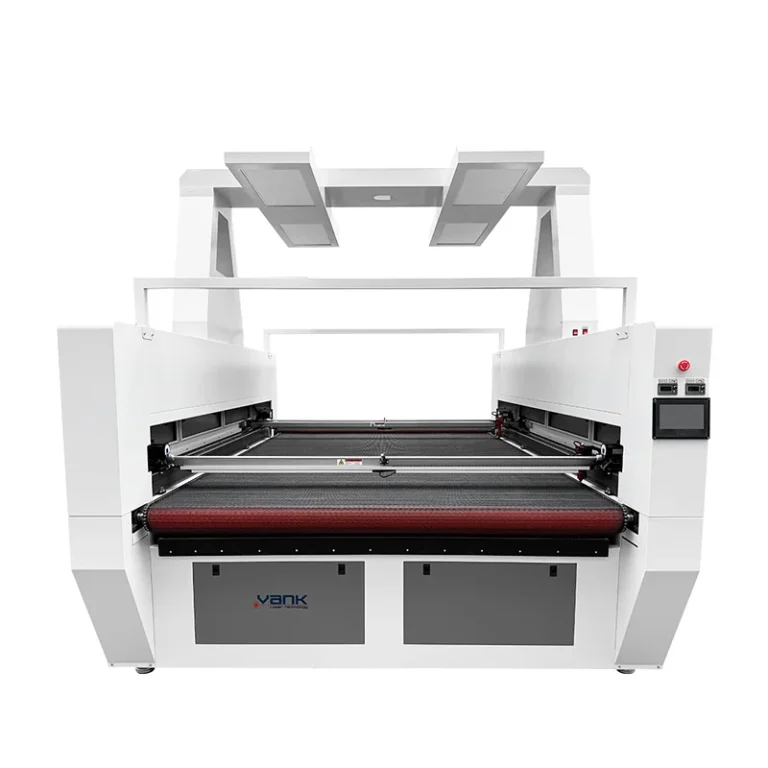
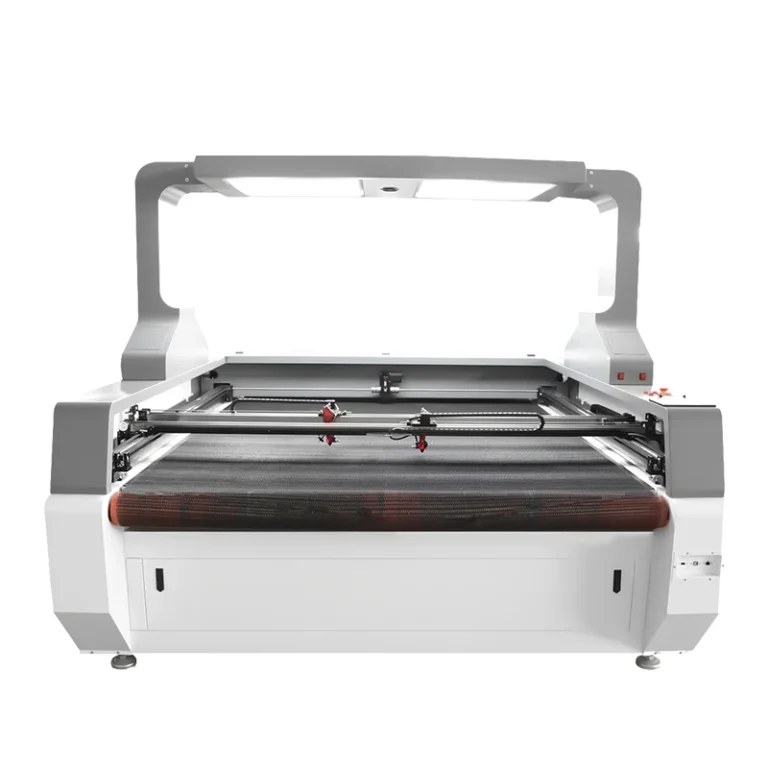
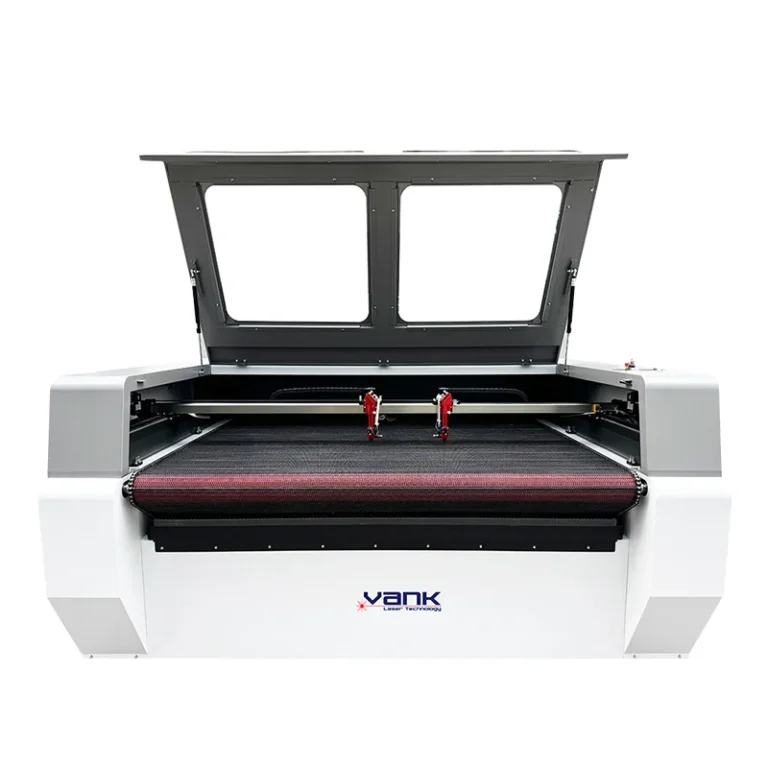
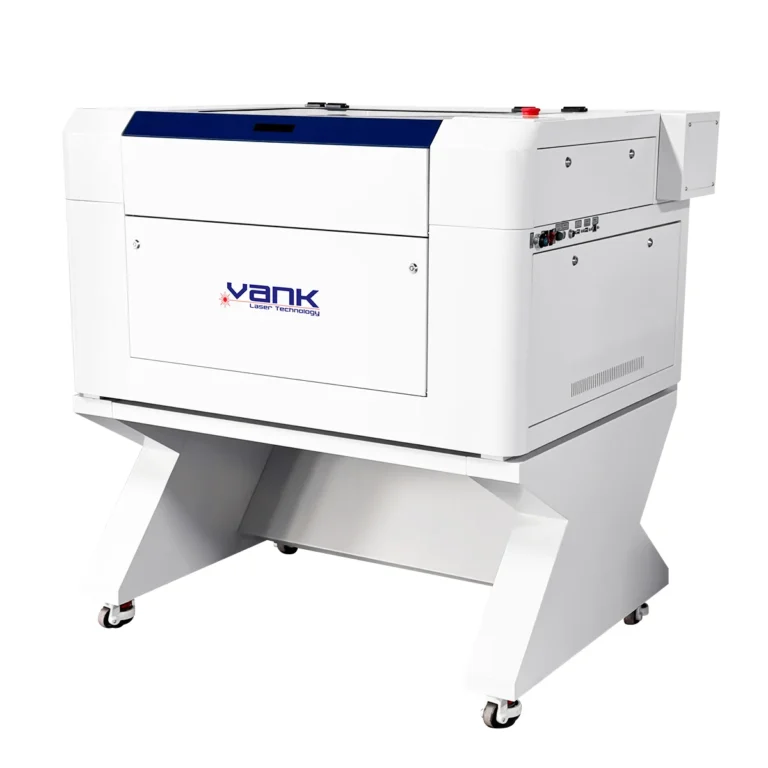
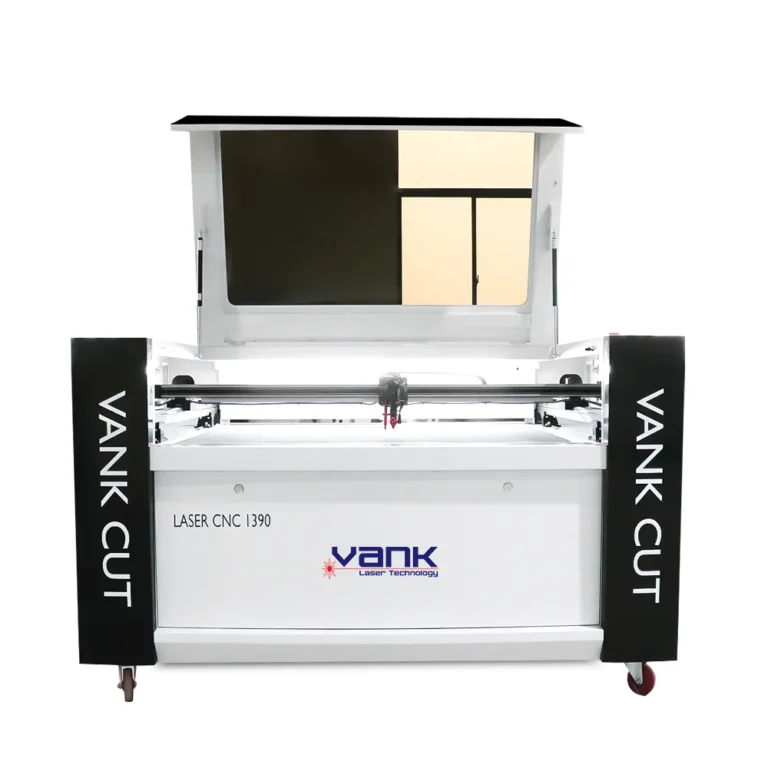
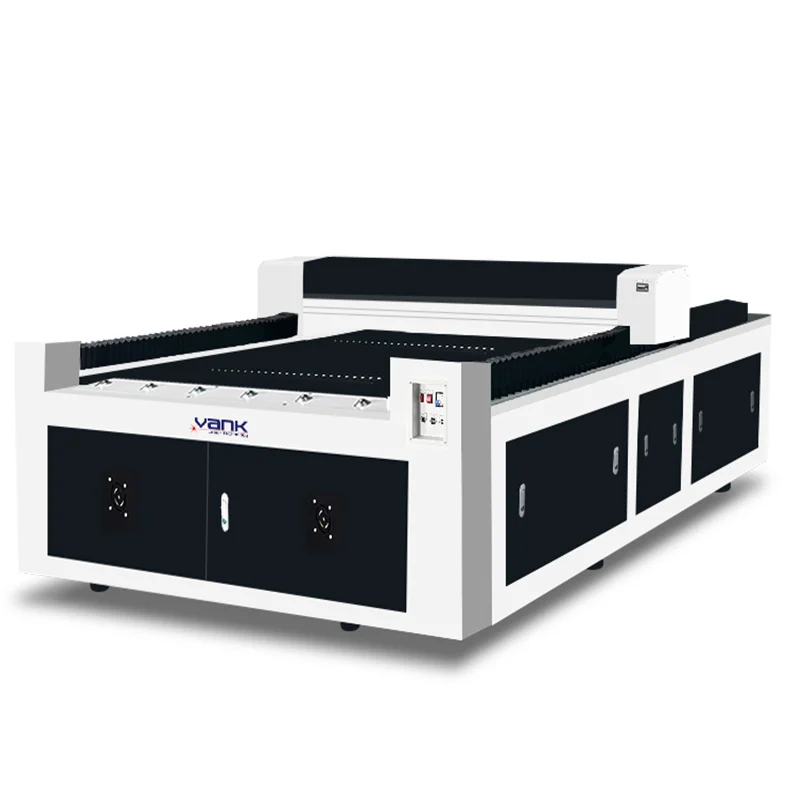
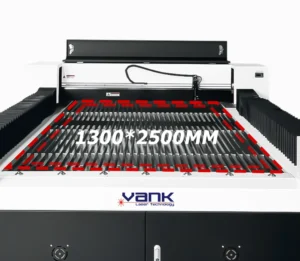
The H-1325 large-format CO2 laser cutting machine is built for sheet-based non-metal processing. It cuts and engraves acrylic, wood, MDF, paper, cardboard, approved rubber, natural leather and many textiles; it can also surface-engrave compatible glass, ceramic and stone. Because plastics and synthetic leather vary by formulation, confirm the exact material and run a sample test before production. Never laser-process PVC, vinyl or unknown halogen-containing materials.
- Working areas: 1300 x 2500, 1500 x 3000 or 2000 x 3000 mm
- Knife-blade or honeycomb worktable to suit rigid sheets and flexible media
- Optional autofocus and red-dot positioning aid
- Matched industrial water chiller; model depends on laser-tube power
- Ruida DSP controller with LightBurn or RDWorks workflow options
- LightBurn is available for Windows, macOS and Linux; confirm version and controller compatibility before ordering
- Stepper-motion system configured for stable large-format engraving and cutting
- Ruida controller supports layered jobs, offline processing and machine-side job control

150-300 W CO2 Power Options
Choose 150, 180, 200 or 300 W according to the material, thickness, edge-quality target and production speed. Final capability depends on the laser tube, optics, focus, air assist and material formulation, so production samples should be tested before configuration is confirmed.
Large Sheet Working Areas
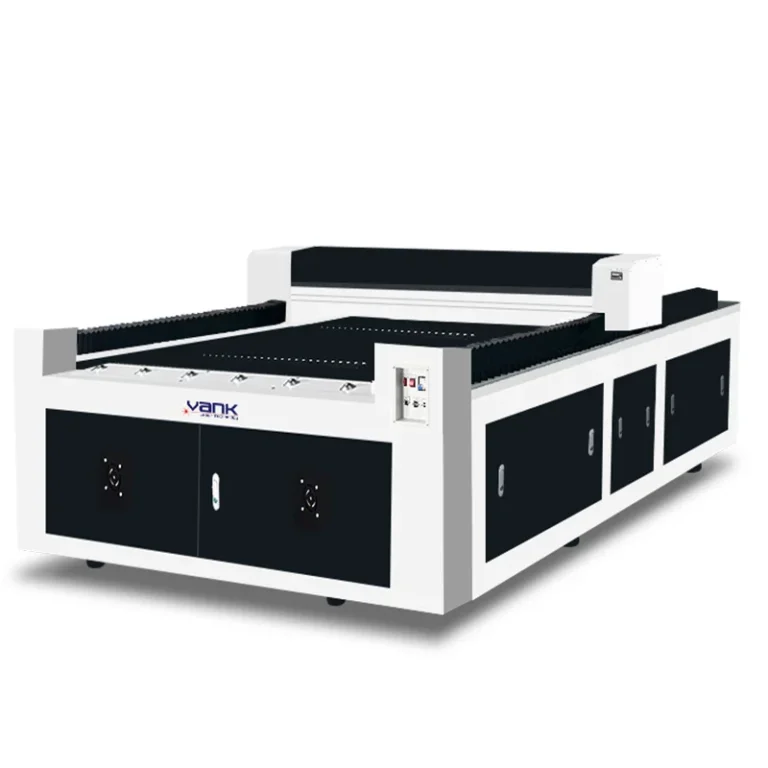
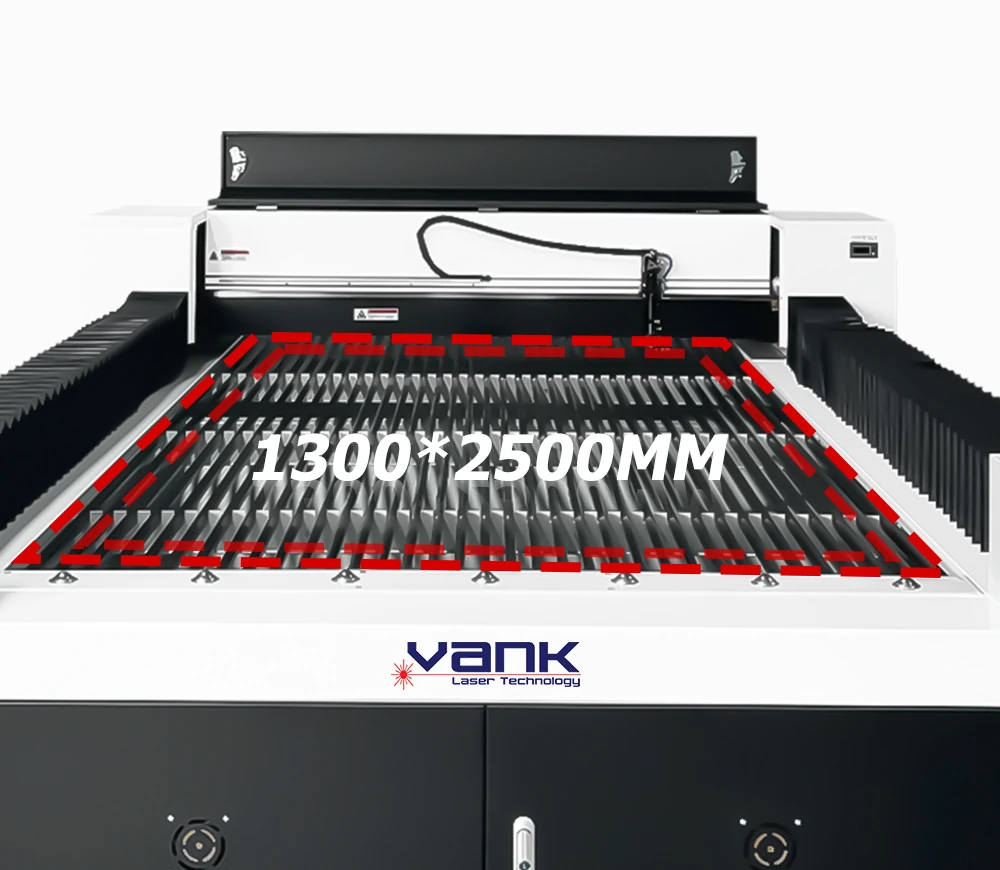
The H-1325 provides a 1300 x 2500 mm work area for full-size sheets. Larger 1500 x 3000 and 2000 x 3000 mm configurations are also available for signage, furniture, packaging and textile workflows.
Optional Motorized Lifting Table
A motorized Z-axis table creates clearance for taller parts and compatible rotary fixtures. For bottles, cups and other cylindrical workpieces, select a roller or chuck rotary based on the part diameter, weight and surface.
Matched Water-Cooling System
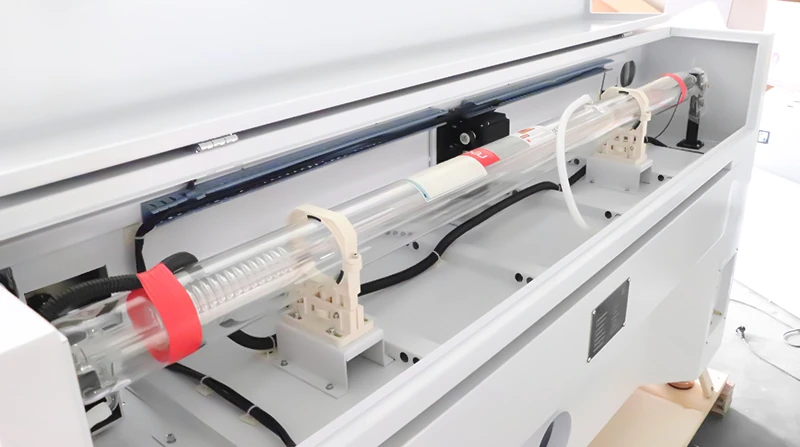
A correctly sized water chiller controls laser-tube temperature during operation. Chiller capacity, coolant specification and maintenance interval must match the selected tube and the operating environment.
Cutting and Engraving Uses
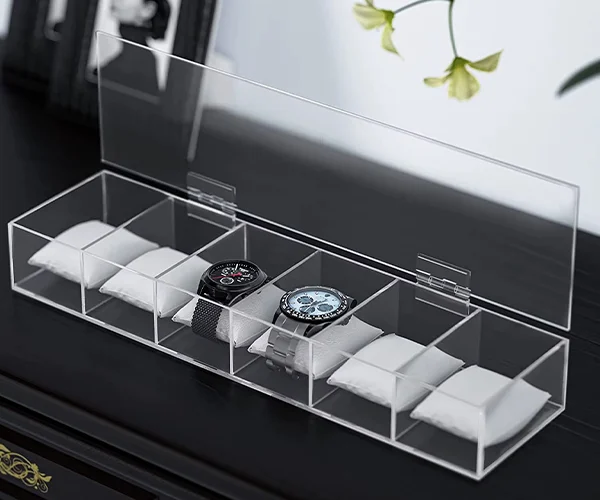
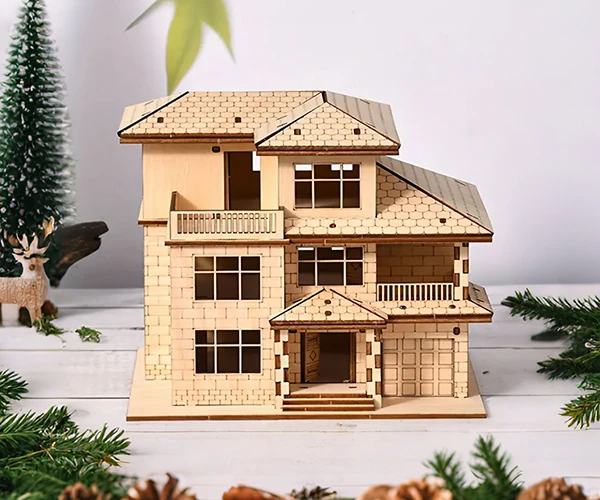
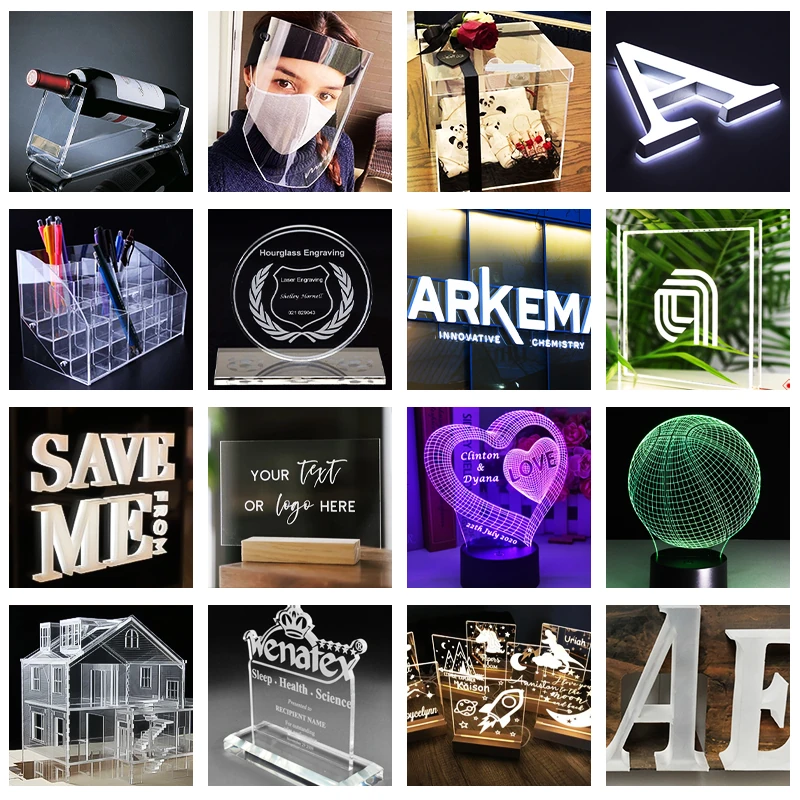
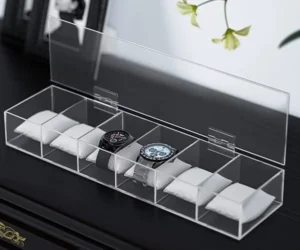
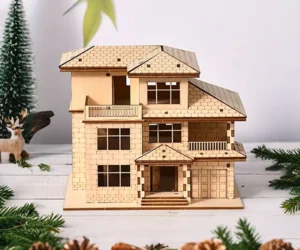
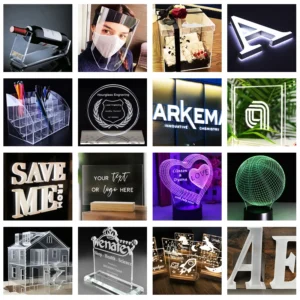
Use the machine for large acrylic signs, wood and MDF components, packaging prototypes, textile patterns, leather goods and other approved non-metal parts. Kerf, edge finish and achievable thickness vary by material, power and process settings.
Knife-Blade or Honeycomb Worktable
The knife-blade bed supports rigid sheets while minimizing back reflection and contact marks. A honeycomb bed is better suited to paper, fabric and small flexible parts. The recommended table depends on the main material mix.
Machine Specifications
| Model | VankCut-1325/VankCut-1530/VankCut-2030 |
|---|---|
| Laser Power | 150 / 180 / 200 / 300 W |
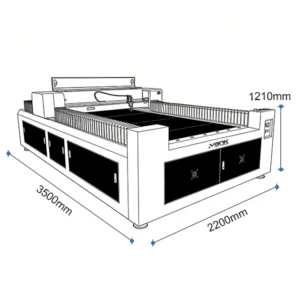
| Working Area | 1300 x 2500 / 1500 x 3000 / 2000 x 3000 mm |
| Cooling Type | Water-cooled; chiller matched to tube power |
| Maximum Engraving Speed | Up to 600 mm/s |
| Maximum Cutting Speed | Up to 300 mm/s; material-dependent |
| Minimum Character Size | Chinese characters: 2 x 2 mm; Latin letters: 1 x 1 mm |
| Maximum Raster Resolution | Up to 4000 dpi |
| Positioning Accuracy | ≤0.01 mm |
| Controller and Software | Ruida DSP; LightBurn or RDWorks workflow |
| Common File Formats | AI, PDF, SVG, DXF, PLT, PNG, JPG and BMP; software-dependent |
| Layered Processing | Yes |
| Working Environment | 0-45 °C; 5-95% RH, non-condensing |
Reference Cutting Thickness by Laser Power
| Material | 150 W | 180 W | 200 W | 300 W |
| Acrylic | 20 mm | 22 mm | 24 mm | 30 mm |
| Balsa Wood | 15 mm | 17 mm | 18 mm | 22 mm |
| Hardwood | 8-10 mm | 9-10 mm | 10-13 mm | 10-15 mm |
| Corrugated Cardboard | 16 mm | 17 mm | 18 mm | 20 mm |
| Dense Paperboard | 3 mm | 3 mm | 3.5 mm | 4 mm |
| Genuine Leather | 5 mm | 5 mm | 5.5 mm | 6 mm |
| Synthetic Leather (PVC-free only) | 5-7 mm | 7-8 mm | 8 mm | 10 mm |
| Textile Stack | 5 mm | 5 mm | 5 mm | 5 mm |
| Laser-Safe Rubber Sheet | 4-5 mm | 4-5 mm | 5-6 mm | 6-7 mm |
| Laser-Safe Resin Sheet | 2.5 mm | 2.5 mm | 3 mm | 3.5 mm |
| MDF | 8-10 mm | 9-10 mm | 10-11.5 mm | 12-13 mm |
*Indicative shop-test values only, not guaranteed limits. Results vary with material density and formulation, tube condition, optics, focus, speed, air assist and pass count. Request a test with your actual sample. Process only identified, laser-safe materials; never cut PVC, vinyl or unknown halogen-containing plastics, and never leave a cutting job unattended.
Compatible Materials
Typical applications include acrylic, wood, MDF, bamboo, paper, cardboard, fabric, natural leather, laser-safe rubber and selected plastics. Compatible glass, ceramic, stone and coated metal surfaces may be engraved rather than cut. Always verify composition and exhaust requirements before processing.
Industries and Production Uses
Signage and displays, furniture and interior decoration, model making, packaging prototypes, crafts and gifts, garment cutting, upholstery, leather goods, embroidery appliques and paper converting.
The H-1325 combines a 1300 x 2500 mm processing area with selectable 150-300 W CO2 power for large non-metal sheets. Share your material, thickness, sheet size and target output so Vank Laser can recommend the tube, worktable, lens, air assist, chiller and exhaust configuration.

Acrylic Engraving

Paper Cutting

Wood Engraving

Acrylic Cutting

Leather Cutting

Wood Cutting
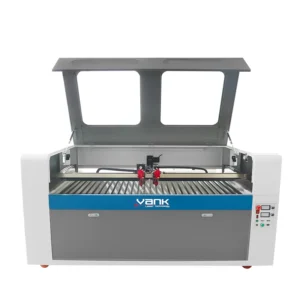
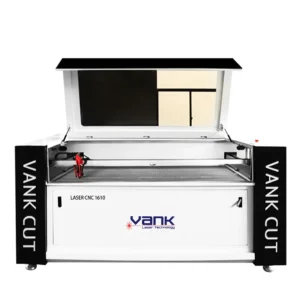
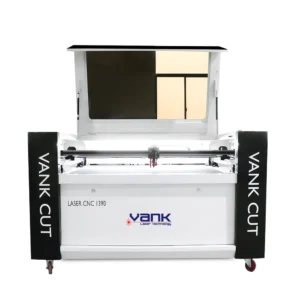
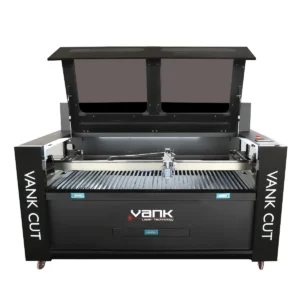
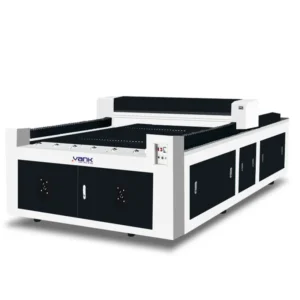
H-1325 Large-Format CO2 Laser Cutting Machine
Designed for large-sheet non-metal production, the H-1325 integrates the laser, motion system, Ruida control, cooling and extraction connections in one configurable platform. Power, bed type and accessories are selected around the application rather than treated as one universal setup.

1300 x 2500 mm Sheet Capacity
The 1300 x 2500 mm working area accommodates common 4 x 8 ft sheet formats with practical loading clearance. The open-style bed provides front and side access for positioning large acrylic, wood and MDF sheets; operators should still follow the specified loading method and machine safety procedures.
Worktables for Rigid and Flexible Materials
Choose a knife-blade bed for rigid sheets such as acrylic and wood, or a honeycomb bed for paper, fabric and small flexible parts. Material composition matters: obtain the safety data sheet when needed and exclude PVC, vinyl and other materials that release hazardous or corrosive fumes.


Adjustable Mirror Alignment
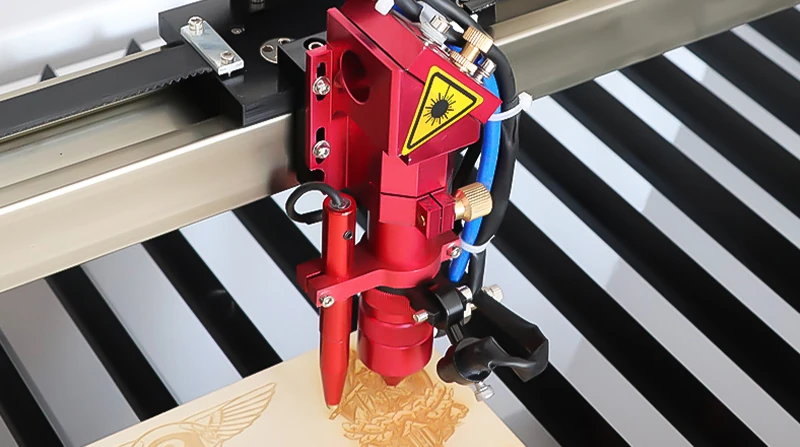
The beam path uses adjustable mirrors to carry the CO2 laser from the tube to the cutting head. Stable mounts support repeatable alignment, while three-point adjustment allows trained technicians to correct the optical path during installation or scheduled maintenance.
Matched CO2 Laser Optics
Matched mirrors and a focusing lens help maintain beam delivery across the large work area. Optic type and focal length are selected for the intended mix of engraving detail, material thickness and edge quality; keep optics clean and inspect them according to the maintenance schedule.


Adjustable Air Assist
Air assist directs clean compressed air at the cut, helping protect the lens and reduce smoke deposits, flare-ups and charring on materials such as acrylic and wood. It does not replace effective extraction, material approval or continuous operator supervision.

RECI or Yongli CO2 Laser Tube
Available RECI or Yongli glass CO2 laser tubes cover the listed 150-300 W power range. Tube brand, rated power, chiller and power supply are matched as a system; expected service life depends on cooling, operating current, environment and maintenance.

Ruida Control and File Workflow
The Ruida DSP workflow supports layered cutting and engraving, machine-side job control and offline processing. LightBurn and RDWorks can import common vector and bitmap formats; exact format support depends on the software version and workflow.

Ruida Panel Controller
The configured Ruida panel provides job selection, layer parameters, positioning and status information at the machine. LightBurn supports common RDC6442 and RDC6445 controller families; confirm the exact controller model and software version in the quotation.

Cooling and Exhaust Package
The supplied package can be configured with the chiller, exhaust blower, air-assist components and ducting required for the selected machine and destination.
An industrial water chiller circulates temperature-controlled coolant through the laser tube. Chiller model and alarm protection are selected according to tube power and local ambient conditions.
The exhaust blower removes smoke and process fumes from the cutting zone. Airflow, filtration and discharge arrangements must be designed for the material and comply with local workplace and environmental requirements.
Ducting scope and connection sizes are confirmed in the final configuration so the customer can plan safe discharge or filtration before installation.

Lens Options for Engraving and Thick Cutting
A 2.5 in (63.5 mm) focal-length lens suits general engraving and cutting, while a 4 in (101.6 mm) option provides greater depth of focus for thicker materials. The best lens depends on material, thickness, detail and edge requirements; confirm performance with a sample test.

Offline Job Storage and Recovery
Ruida controllers can store jobs and provide recovery functions after an interruption. Resume behavior depends on the controller, file and machine state, so the operator must inspect the machine, material and origin before restarting a job.
Jobs can be transferred by USB storage, USB cable or wired Ethernet, depending on the controller configuration, and then run from the panel without keeping the design computer connected.
Which optional accessories are available for my products?
Accessories are selected according to part height, shape, material and positioning requirements:
- Motorized lifting table for taller workpieces and clearance below a compatible rotary fixture.
- Red-dot positioning and autofocus options to assist setup; final focus should be verified on the actual material.
- Roller rotary for suitable bottles, cups and other cylindrical parts, subject to diameter and weight limits.
- Chuck rotary for parts that need positive clamping; jaw type and clearance are matched to the workpiece.
H-1325 CO2 Laser FAQ
What materials can the H-1325 CO2 laser process?
It can cut and engrave acrylic, wood, MDF, paper, cardboard, many textiles, natural leather, laser-safe rubber and selected plastics. It can engrave compatible glass, ceramic, stone and coated surfaces. Always identify the material first; never process PVC, vinyl or unknown halogen-containing products.
Can the H-1325 cut or engrave metal?
This standard CO2 configuration is intended for non-metal materials and should not be presented as a metal-cutting machine. It may mark certain coated or anodized metal surfaces with the correct process, while bare-metal cutting is normally handled by a fiber laser selected for the alloy and thickness.
What should I check if laser output is weak or absent?
Stop the job and check controller alarms, water flow and temperature, tube condition, mirror and lens cleanliness, alignment and the selected power settings. Do not bypass the lid, water-flow or other safety interlocks.
If the cause is not obvious, isolate the machine and contact qualified service personnel. High-voltage laser power supplies and CO2 tubes must not be tested or opened by untrained operators.
How should the water chiller be maintained?
Use the coolant type, temperature range and replacement interval specified for the selected tube and chiller. Keep the water circuit clean, inspect hoses and flow alarms, and clean air filters and condenser surfaces on schedule.
Install the chiller with adequate ventilation and within its stated ambient-temperature range. Drain or protect the circuit before freezing conditions, and investigate temperature or flow alarms before operating the laser again.
What is the difference between CO2 and fiber laser cutting?
CO2 lasers are widely used for acrylic, wood, paper, textiles, leather and other compatible non-metals. Fiber lasers are normally chosen for efficient cutting or marking of metals. The right source depends on the material, thickness, process and required finish.
Which working areas are available?
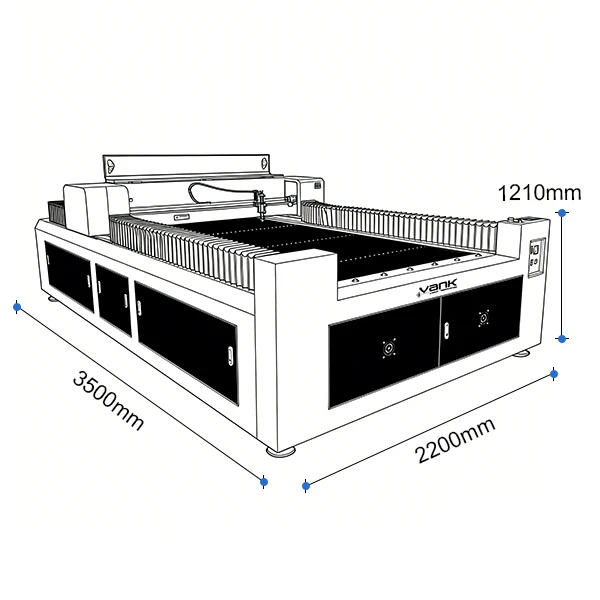
This series lists 1300 x 2500, 1500 x 3000 and 2000 x 3000 mm work areas. Confirm usable travel, loading clearance, machine footprint and shipping dimensions for the exact model in the quotation.