



HomeProductsLaser Machines for Sign Making1390/1610/1325 Metal and Nonmetal CO2 Laser Cutter
1390/1610/1325 Metal and Nonmetal CO2 Laser Cutter

1390/1610/1325 Metal and Nonmetal CO2 Laser Cutter

Laser Machines for Sign Making

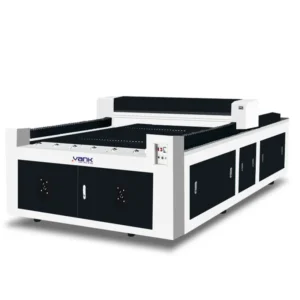
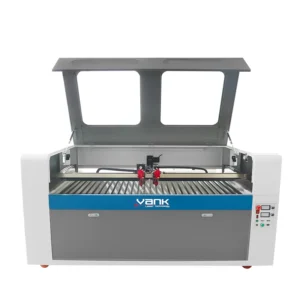
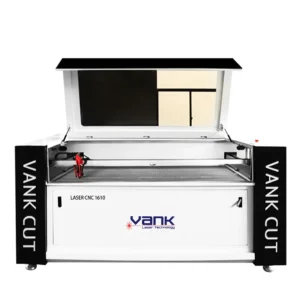
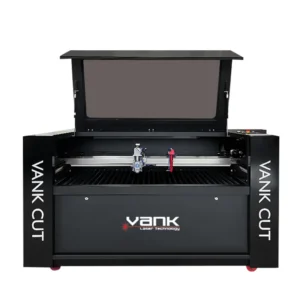
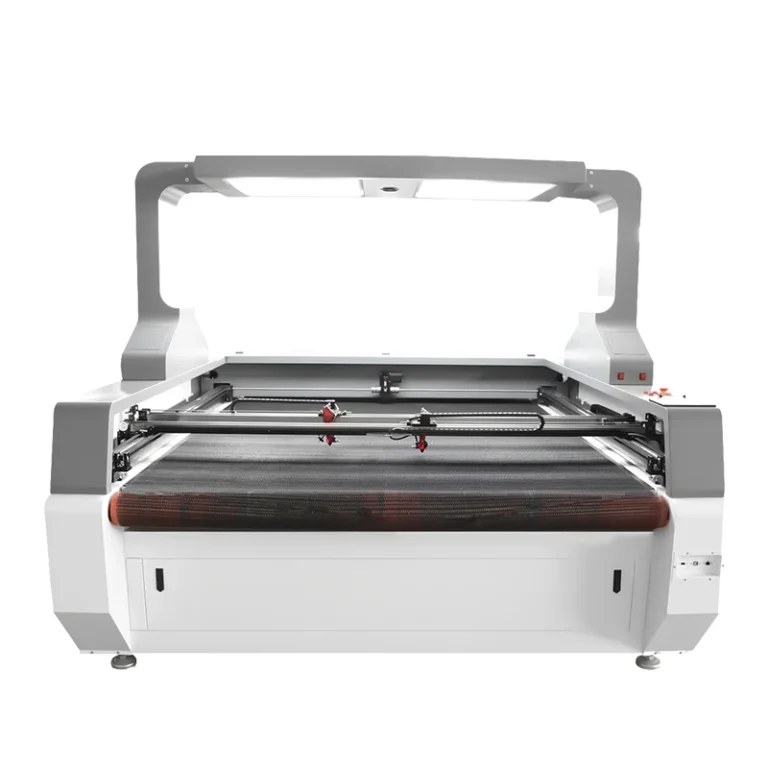
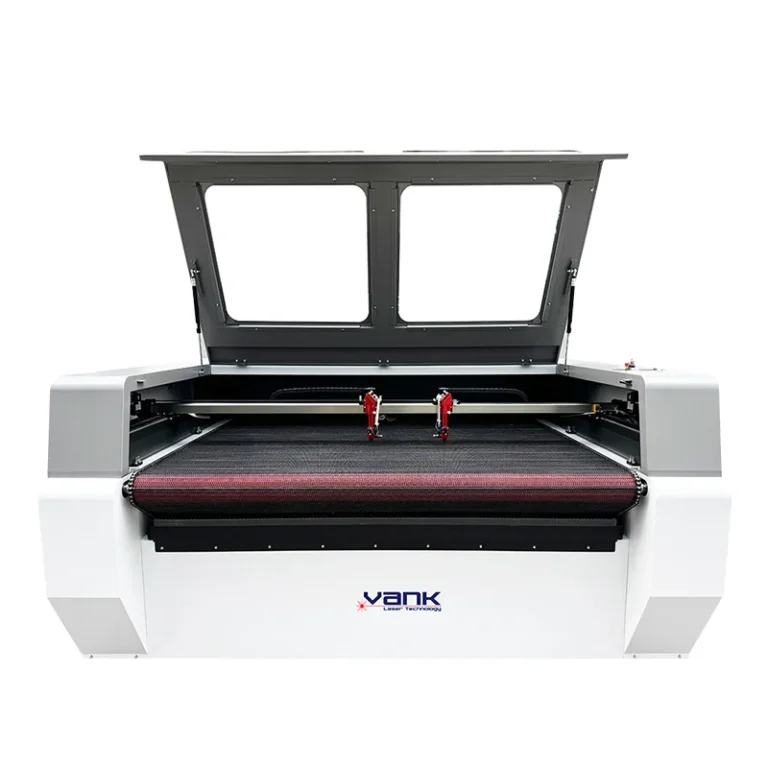
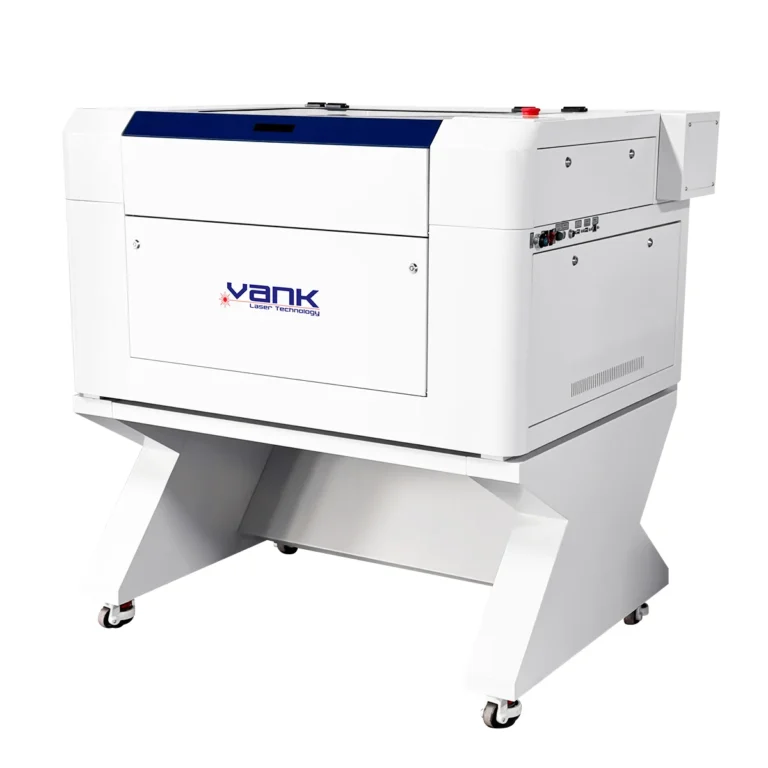
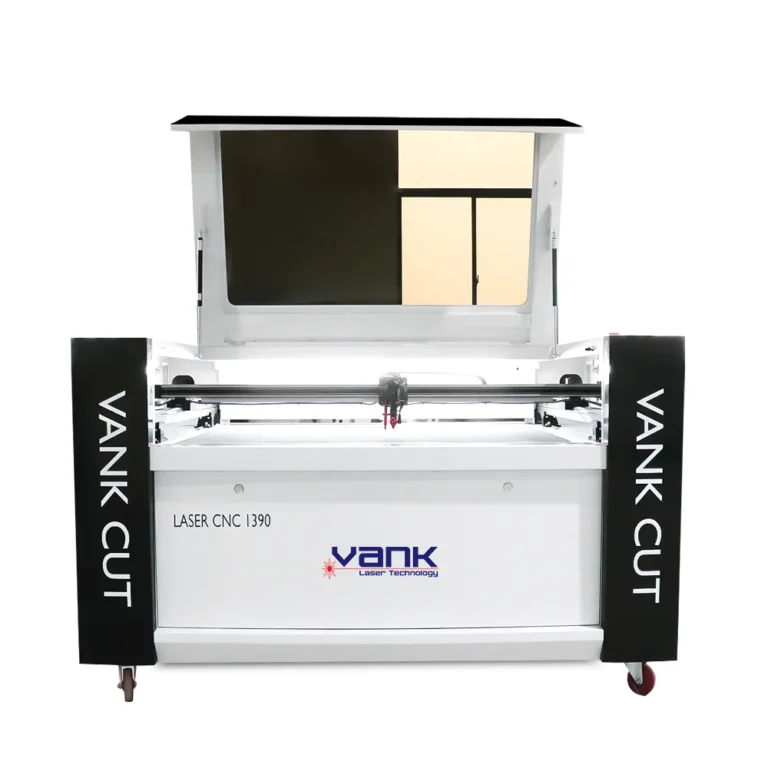
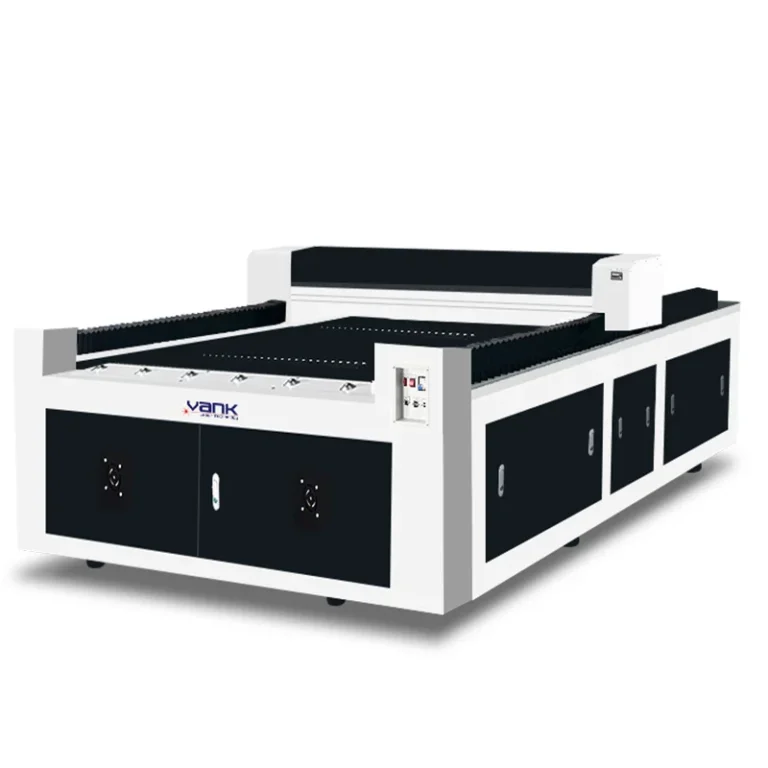
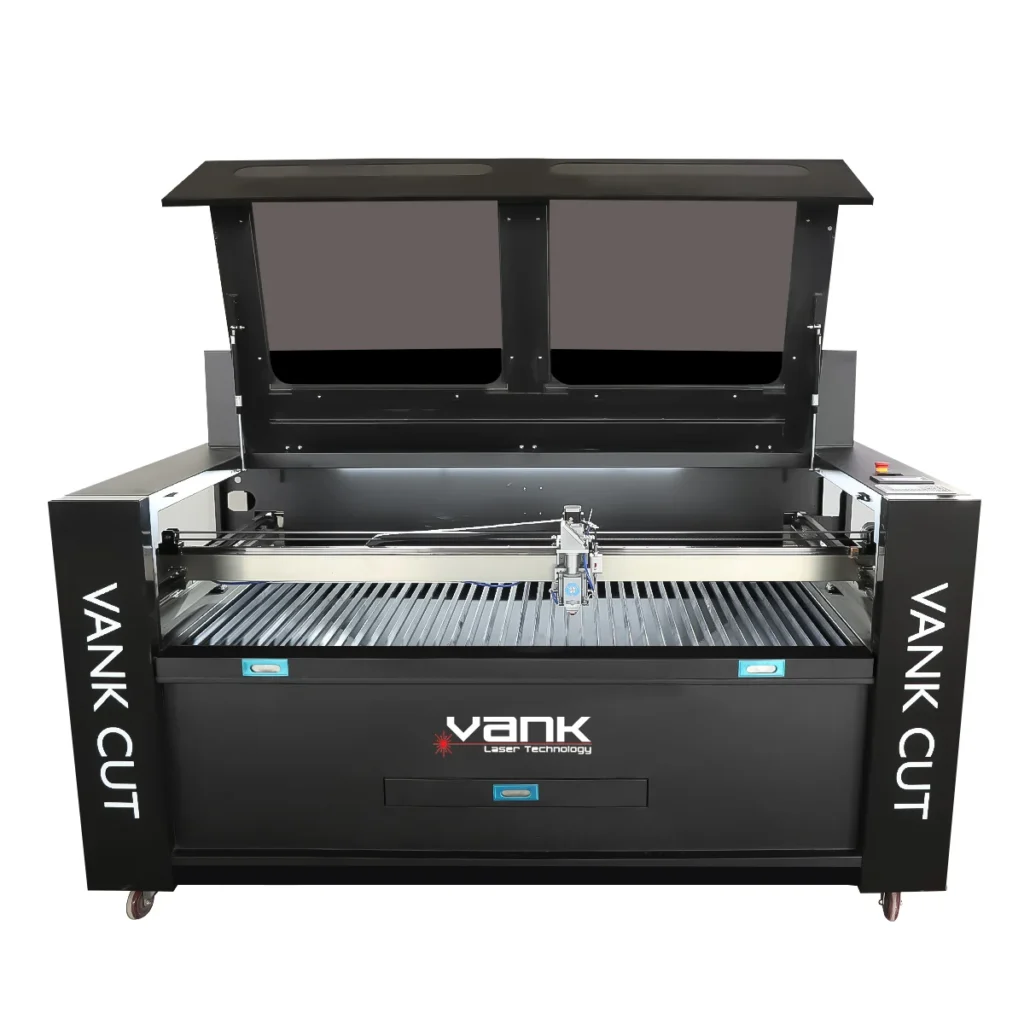
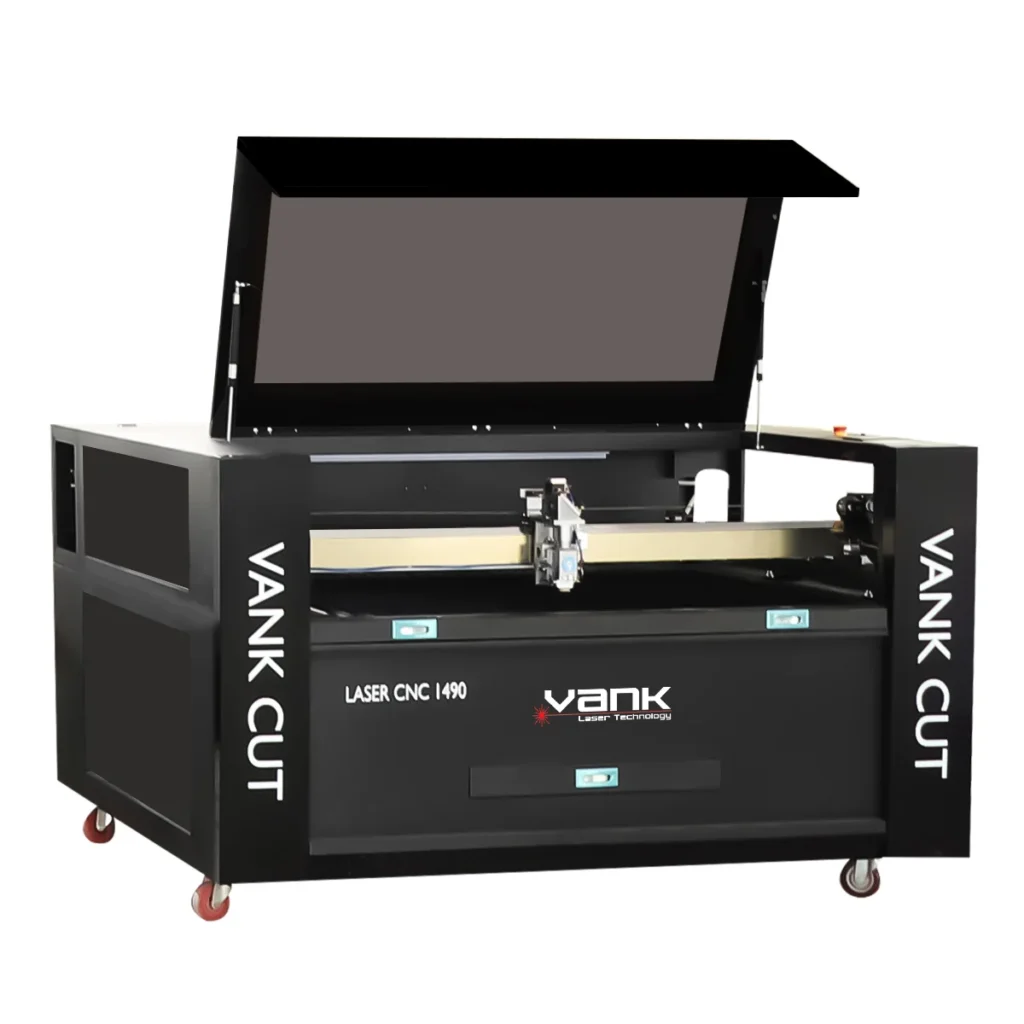
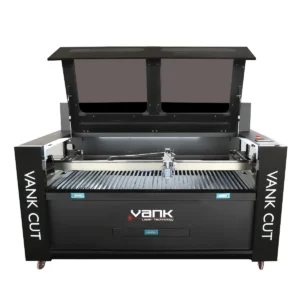
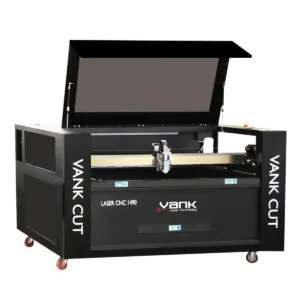
The 1390/1610/1325 metal and nonmetal CO2 laser cutter combines a gas-assisted height-control head for qualified thin sheet with standard cutting of acrylic, wood and other approved nonmetals. Tube, head, gas and sample acceptance are quotation-specific.

Share:

Enter password to download our product information Contact sales@vanklaser.com

Product Description

Metal and Nonmetal CO2 Cutting Applications

The 1390/1610/1325 metal and nonmetal CO2 laser cutter combines a dedicated height-control metal head and assist-gas system with conventional nonmetal cutting. It is intended for thin, qualified carbon or stainless steel and approved acrylic, wood, plywood, MDF, leather or textiles; each material requires the correct head, gas, extraction and tested parameters.

  • 150-500 W class sealed CO2 tube options; final power, tube design and chiller must be confirmed together.
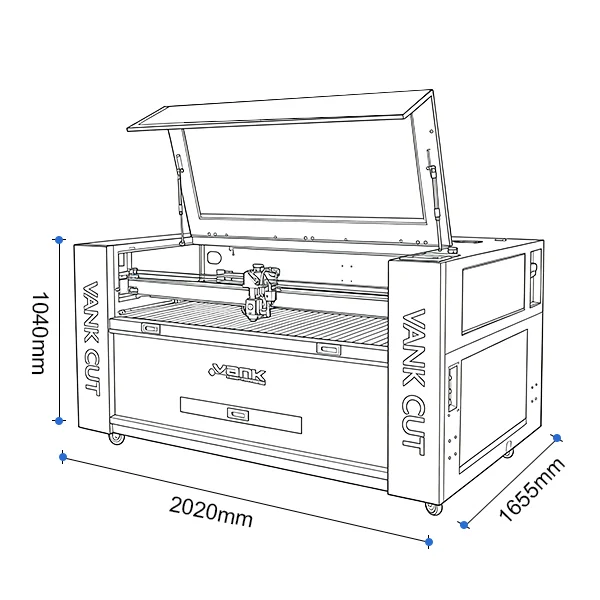
  • 1300 × 900, 1600 × 1000 and 1300 × 2500 mm nominal working-area options.
  • Separate qualified setups for thin sheet metal and nonmetal cutting on one motion platform.
  • Thin-metal work requires the specified metal head, height control, nozzle, oxygen or other approved assist gas and a production test.
  • A blade worktable supports rigid sheet and allows process debris and fumes to move toward the extraction zone.
  • Linear guides, belt or rack transmission and the quoted stepper/servo package support repeatable motion after calibration.
  • RDC6332M hybrid controller with MetalCut or the software named in the final configuration.
  • LightBurn Pro compatibility must be confirmed for the exact controller and firmware; metal-specific height and gas functions may require the supplied MetalCut workflow.

Hybrid CO2 metal and nonmetal cutter capability diagram

Tube Power & Process Selection

Select tube power with the working area, metal-head configuration, material, thickness, edge target and duty cycle. Higher rated power does not replace material testing or safe gas setup.

Three Working-Area Options

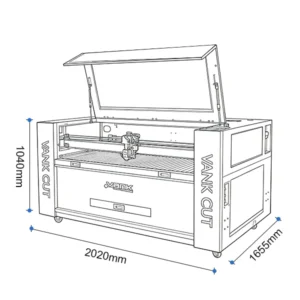
Choose 1300 × 900, 1600 × 1000 or 1300 × 2500 mm according to sheet size, loading access, floor space, extraction volume and the final machine drawing.

Rigid Motion Platform

A welded frame and matched linear-motion components support consistent travel. Final accuracy depends on assembly, leveling, calibration, optics, material flatness and acceptance testing.

Matched Water-Cooling System

Use the tube manufacturer's required chiller capacity, coolant, temperature range, flow alarm and maintenance schedule. Interlock the laser with verified cooling flow.

Blade Worktable

The replaceable blade bed supports rigid sheets while reducing back reflection and providing clearance for slag and debris. Bed spacing must suit the part size.

Qualified Cutting Performance

Metal thickness, nonmetal thickness and production speed depend on tube power, material grade, coating, focus, gas, nozzle, extraction and edge criteria. Use factory sample cuts and signed acceptance values instead of a universal maximum.

1390 / 1610 / 1325 Hybrid CO2 Specifications

Model FamilyVankCut-1390 / VankCut-1610 / VankCut-1325 hybrid CO2 cutter
Primary ProcessQualified thin-sheet metal and nonmetal cutting with separate head, gas and parameter setups
Nominal Working Areas1300 × 900 / 1600 × 1000 / 1300 × 2500 mm
Laser SourceSealed water-cooled CO2 glass tube or combined-beam configuration as quoted
Nominal Wavelength10.6 μm
Rated Tube Power150 / 180 / 200 / 300 / 500 W class options; source design and usable output to quotation
Metal Cutting HeadDedicated nozzle, autofocus or height-following system, crash/limit protection and low-pressure alarm as configured
Assist GasAir for approved nonmetals; oxygen or another specified gas for qualified metal cutting, with regulated clean supply
WorktableReplaceable blade bed with under-table debris and extraction clearance
Reference Motion SpeedUp to 600 mm/s engraving and 200 mm/s cutting in the source configuration; production speed is application-dependent
Positioning Reference≤0.01 mm quoted; verify by leveling, calibration and acceptance sample
Motion SystemLinear guides with belt/rack drive and quoted stepper or servo package
ControllerRDC6332M hybrid DSP with height, gas, pressure-alarm and metal-cut functions as configured
Software & FilesMetalCut or supplied control software; DST, PLT, BMP, DWG, DXF, AI and HPGL subject to version
Cooling & ExtractionIndustrial chiller, air assist and source-capture exhaust sized for tube power and approved materials
Site, Safety & AcceptanceElectrical and gas utilities to quotation; Class 4 controls, fire protection, PPE, training and factory sample acceptance required

Material & Thickness Qualification Guide

Material / ProcessConfiguration FactorsAcceptance Requirement
AcrylicTube power, cast/extruded grade, thickness, focus, air assist and edge finishConfirm flame-polished edge, taper, discoloration and cycle time with the production sheet
Plywood / MDF / WoodSpecies, glue/resin chemistry, moisture, thickness, charring and fire loadReview SDS and test cut quality, fumes and sustained-flame behavior
Thin Carbon SteelGrade, coating, flatness, metal head, nozzle, oxygen pressure and focusFactory sample and signed thickness, edge oxidation, dross and speed criteria
Thin Stainless SteelAlloy, finish, protective film, gas selection, nozzle, focus and heat tintFactory sample and signed edge, burr, discoloration and dimensional criteria
Galvanized SheetZinc coating, fume generation, extraction, gas, head clearance and corrosion targetOccupational-hygiene review plus sample acceptance and local source capture
Prohibited / Unknown MaterialsPVC, vinyl, PTFE, other halogenated materials, epoxy or phenolic laminates, unknown plastics and compositesDo not process; identify the chemistry and select another method

Capability depends on the complete configuration and the production material; approve factory samples before ordering.

Metal and Nonmetal Process Qualification

Qualification ItemVerify Before Production
Material identityExact grade, supplier, coating, adhesive, film and SDS
Thickness and flatnessActual tolerance, warp, support spacing and head-clearance risk
Laser sourceTube design, rated power, usable output, beam path and cooling capacity
Metal headNozzle, focus, height following, crash protection and limit/alarm behavior
Assist gasGas type, purity, clean regulated pressure, hose compatibility and shutoff procedure
Nonmetal air assistDry airflow that controls flame and debris without moving the workpiece
ExtractionCapture velocity, ducting, filtration, make-up air and emissions compliance
Fire controlsSupervision, detection, extinguishing plan, hot debris removal and emergency stop
Test couponEdge quality, taper, dross, charring, dimensions, speed and repeatability
Acceptance recordApproved parameters, photos, sample identification, operator and maintenance requirements

Qualified Materials

The hybrid configuration is intended for qualified thin carbon or stainless steel and documented acrylic, plywood, MDF, wood, leather, paper or textiles. Protective films, coatings, adhesives and synthetic formulations require SDS review and sample testing. Never process PVC, vinyl, PTFE, other halogenated materials, epoxy or phenolic laminates, unknown plastics or unidentified composites.

Qualified Industries

Typical uses include advertising fabrication, displays, models, packaging dies, approved leather and textile goods, acrylic products and occasional thin-sheet metal parts. High-volume or thicker metal production is normally better matched to a fiber laser, plasma or another dedicated process.

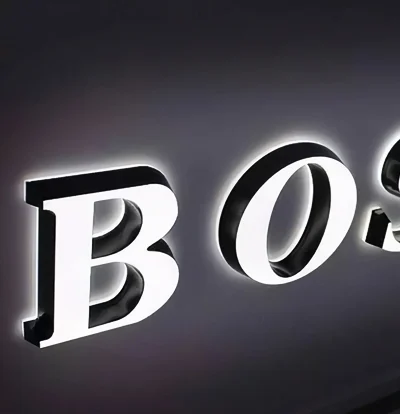
Backlit acrylic channel letters cut on a CO2 laser
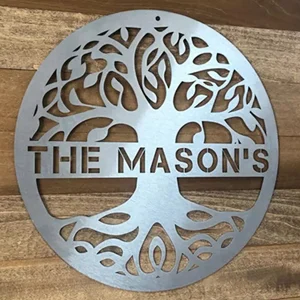
Brass-finish address sign cut with a hybrid CO2 laser
Engraved acrylic award sample
Intricate wood map cut on a CO2 laser
Engraved wooden award plaque
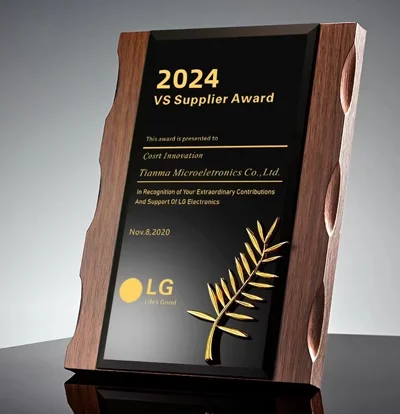
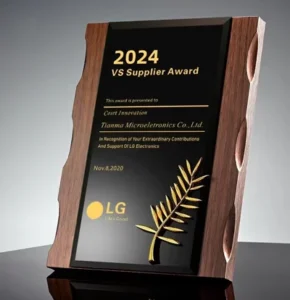
Wood and acrylic supplier award plaque
Coated metal tag sample for hybrid CO2 cutting
Colored acrylic decorative panels cut on a CO2 laser

Hybrid CO2 Metal and Nonmetal Cutting System

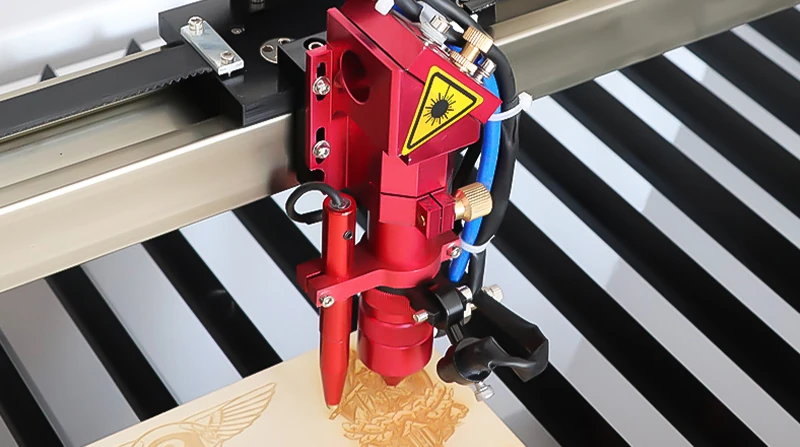
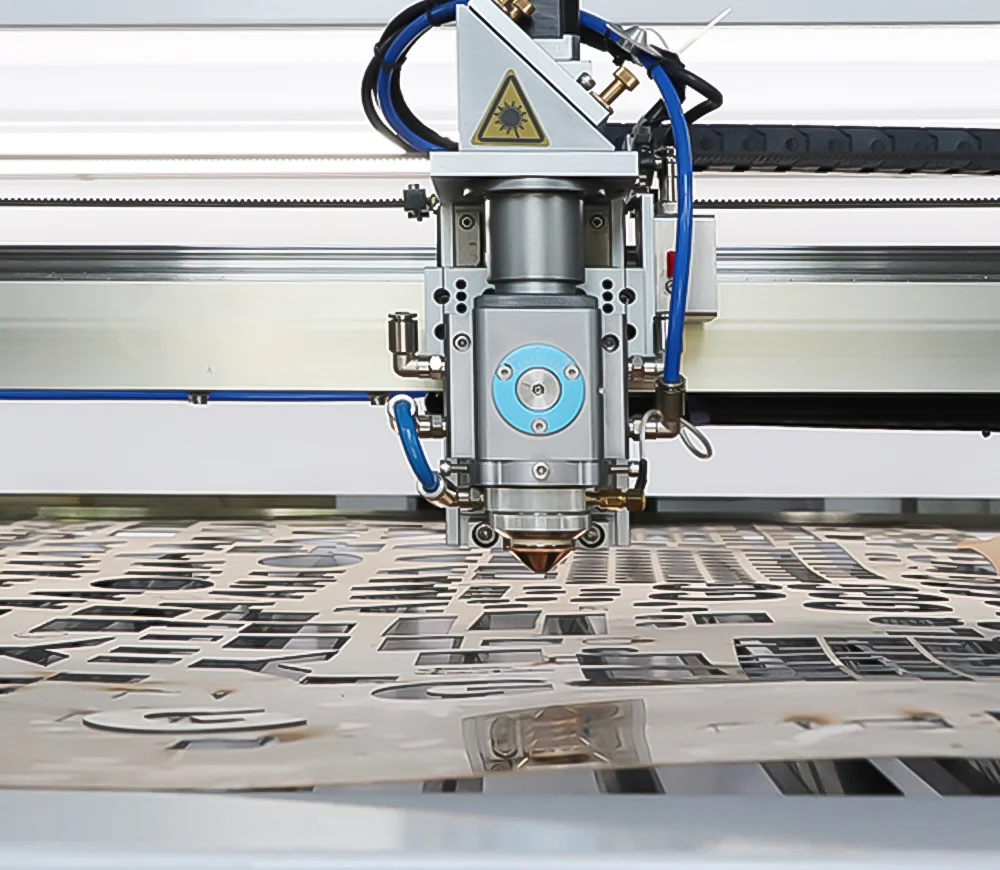
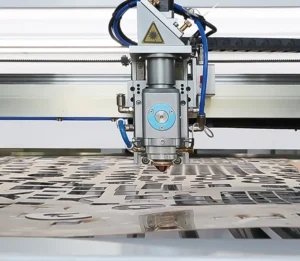
Gas-assisted height-control metal cutting head

Metal Laser Cutting Head

The dedicated metal head maintains nozzle standoff and directs the specified assist gas for qualified thin carbon- or stainless-steel sheet. Confirm head type, sensor, pressure range and material limits in the quotation.

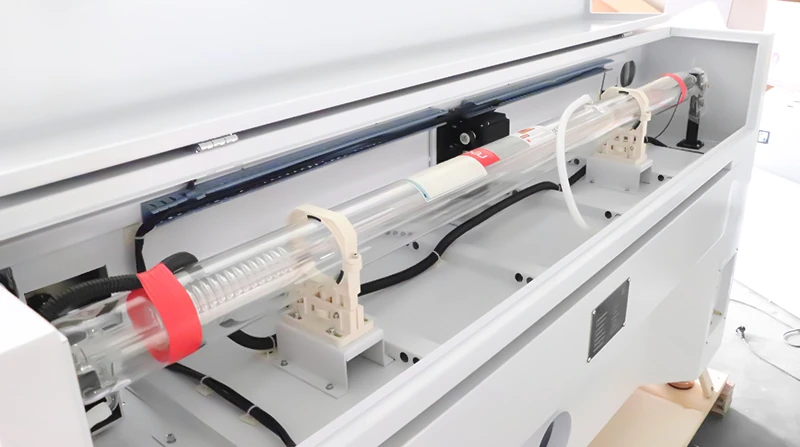
CO2 Source Configuration

The quoted source may use a high-power sealed glass tube or combined-beam arrangement. Tube design, rated output, beam alignment, chiller and usable process power must be supplied as one verified configuration.

High-power sealed CO2 source configuration
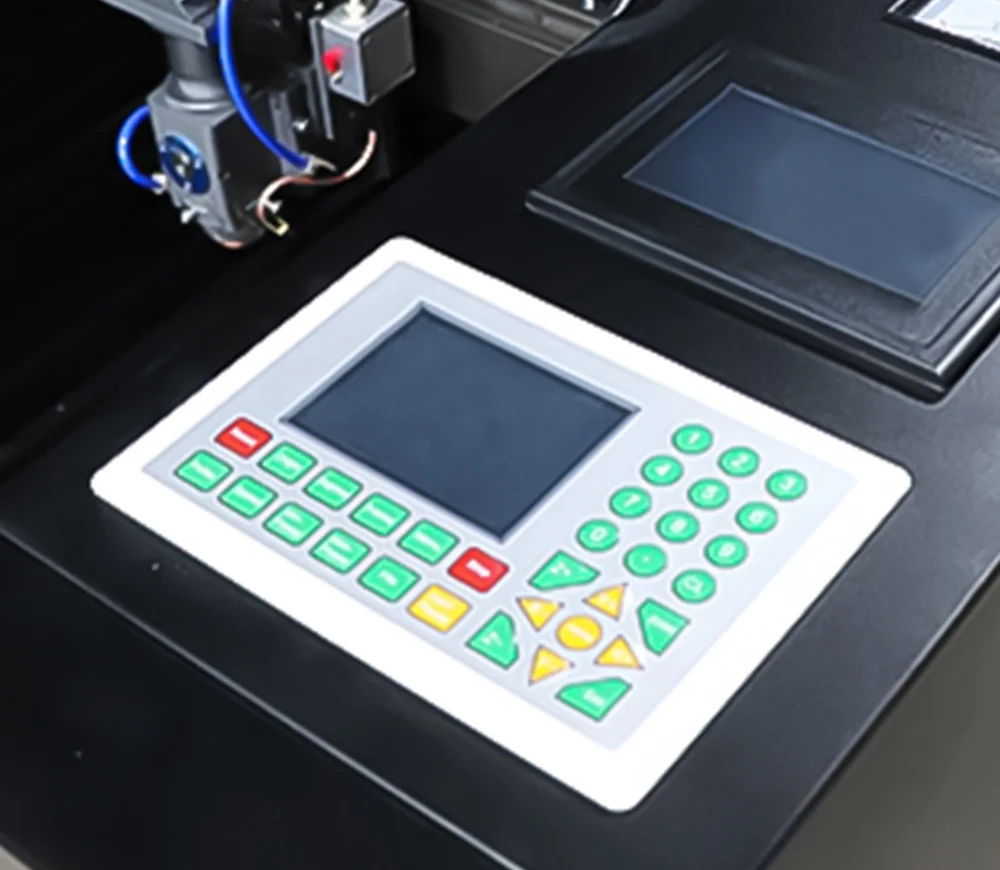
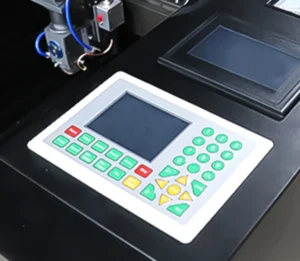
RDC6332M hybrid cutting control panel

RDC6332M Hybrid Controller

The RDC6332M family is designed for hybrid CO2 cutting and can coordinate motion, height following, auxiliary gas, low-pressure alarms and metal-cut functions according to the supplied wiring, firmware and MetalCut setup.

Knife Blade Table

Replaceable blades support rigid sheets and leave clearance for the focused beam, slag and debris. Select spacing for the smallest part and maintain the bed and extraction zone.

Replaceable blade worktable for rigid sheet

Metal and Nonmetal CO2 Laser Cutter FAQ

What materials can a CO2 laser engraving/cutting machine process?

Common candidates include documented acrylic, plywood, MDF, wood, paper, leather and textiles, plus thin carbon or stainless steel in the dedicated gas-assisted metal setup. Material chemistry, coatings, adhesives and fire/fume behavior must be approved first; PVC, PTFE, halogenated, epoxy, phenolic and unknown composites are prohibited.

Can a CO2 laser cut or engrave metal?

The hybrid model can cut qualified thin sheet metal only when fitted with the specified metal head, height control, nozzle and assist-gas system. It is not equivalent to a fiber laser for broad metal thicknesses or high-volume metal production.

Why is the laser tube not emitting light or losing power?

Stop the job and follow the documented lockout and troubleshooting procedure. With the laser disabled, check the chiller alarm, verified flow, temperature, interlocks, controller messages and visible cable or connector condition.

Do not bypass water protection, defeat interlocks, open the high-voltage supply or use a manual test button unless the manufacturer's procedure assigns that step to a qualified technician. Escalate loss of emission or power to trained service personnel.

What maintenance does the chiller and water cooling system require?

Follow the tube and chiller manufacturer's coolant, conductivity, temperature, flow and replacement schedule. Inspect hoses, fittings, filters and reservoir condition; clean the condenser or dust filter with power isolated and record alarms and service.

Maintain the specified ambient temperature and clear ventilation space around the chiller. Do not continue production after high-temperature or low-flow alarms until the cause is corrected and cooling interlocks are verified.

What is the difference between CO2 and fiber lasers?

CO2 lasers are well suited to acrylic, wood and many approved organics; a hybrid gas-assisted configuration adds limited thin-sheet metal capability. Fiber lasers are generally preferred for efficient, higher-throughput metal cutting and marking. Choose by material mix, thickness, edge requirement and production volume.

What working area sizes are common?

The listed family includes nominal 1300 × 900, 1600 × 1000 and 1300 × 2500 mm working areas. Confirm the usable travel, bed type, machine footprint, loading clearance and extraction connection on the final drawing.

Related Products

HOW TO?
  • What laser equipment does Vank Laser supply?

    Vank Laser supplies fiber laser cutting machines, fiber laser marking machines, CO2 laser cutting and engraving systems, laser welding machines and laser cleaning equipment for industrial production and custom automation projects.

  • How do I choose the right laser machine for my application?

    The right configuration depends on your material, thickness, workpiece size, required speed, accuracy target and production workflow. Share drawings, materials or sample parts with our team so we can recommend a suitable machine, laser power and accessories.

  • Can Vank Laser customize laser equipment?

    Yes. We can evaluate custom work areas, laser power, fixtures, rotary devices, loading systems, vision options and automation interfaces according to your process requirements and confirmed quotation.

  • Which industries use Vank Laser equipment?

    Our machines are used in sheet metal fabrication, signage, packaging, textiles, leather goods, electronics, automotive parts, medical device components, craft production, furniture, molds and general industrial marking, cutting, welding and cleaning.

  • What safety and compliance documents are available?

    Available compliance documents depend on the machine model, destination market and final configuration. We can provide the relevant certificates, manuals and safety documentation for the confirmed order. Operators should follow local safety rules and use proper guarding, ventilation and PPE.

  • What after-sales support do you provide?

    Vank Laser provides installation guidance, operator training, troubleshooting support, spare-parts assistance and warranty service according to the confirmed machine configuration and sales agreement. Remote technical support is available for daily operation questions.

  • How is the price of a laser machine quoted?

    Pricing depends on the model, laser power, working area, controller, source brand, cooling system, accessories, shipping terms and service requirements. Send your application details and we will prepare a configuration-based quotation.

  • How can I contact Vank Laser for more information?

    You can contact Vank Laser through the website form, email, WhatsApp or phone. Please include your material, workpiece size, target process and required output so our team can respond with practical recommendations.

Contact us
If you have any questions or would like to request a quote, Please send us a message.
WhatsApp Now