


Application and model selection
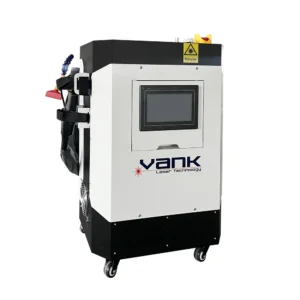
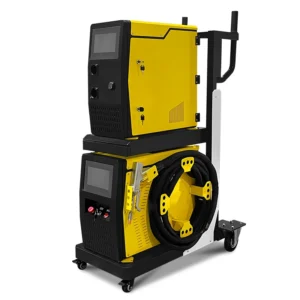
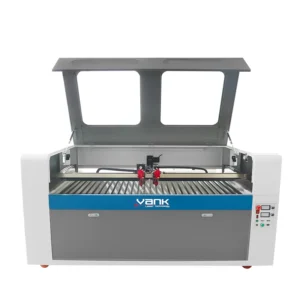
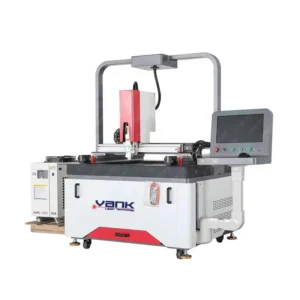
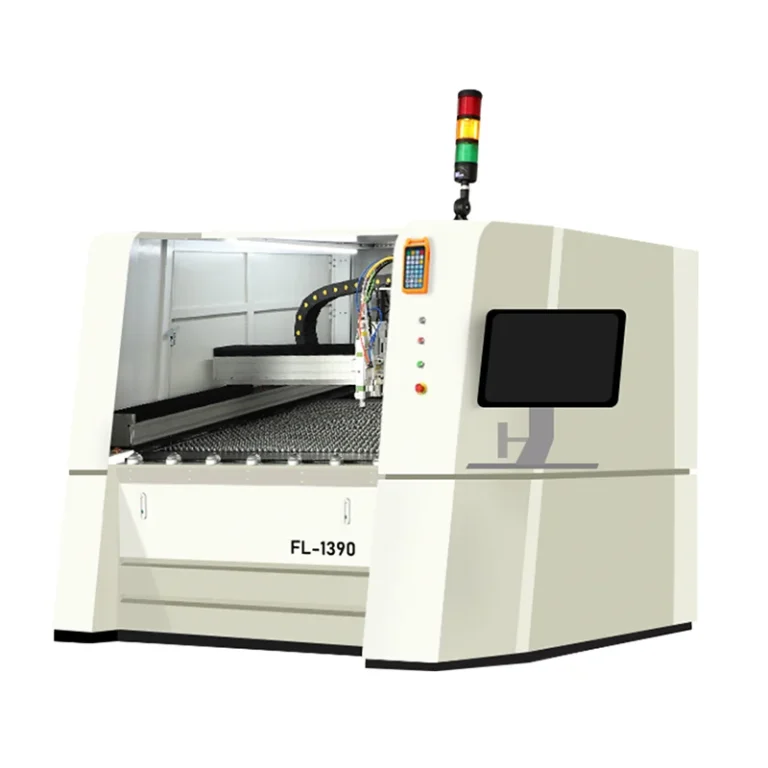
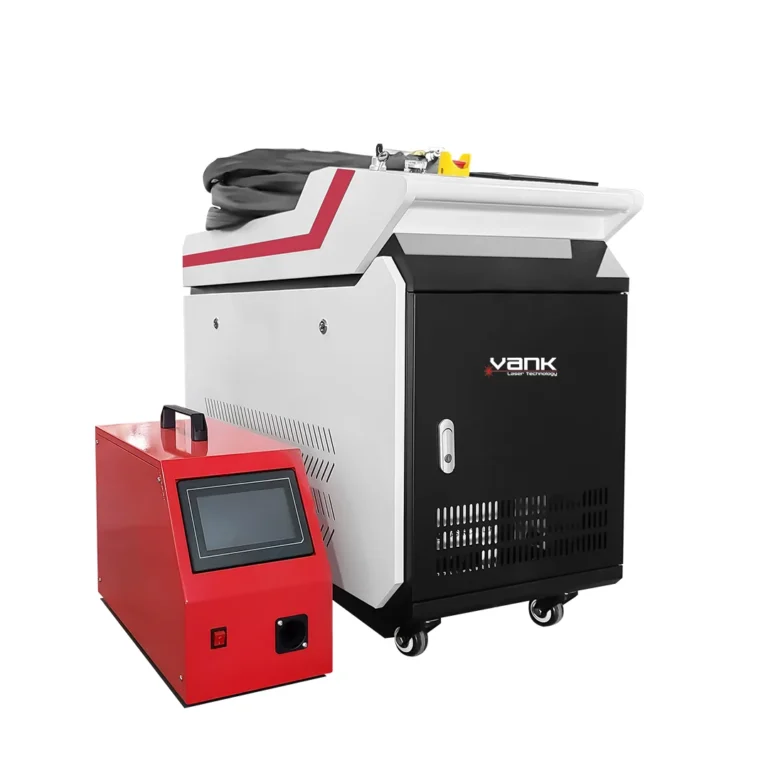
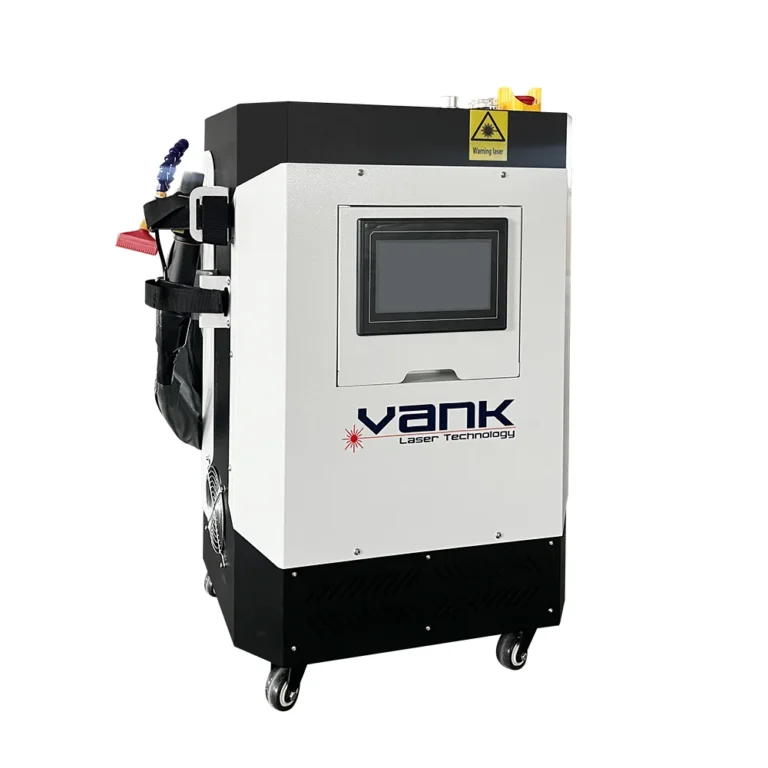
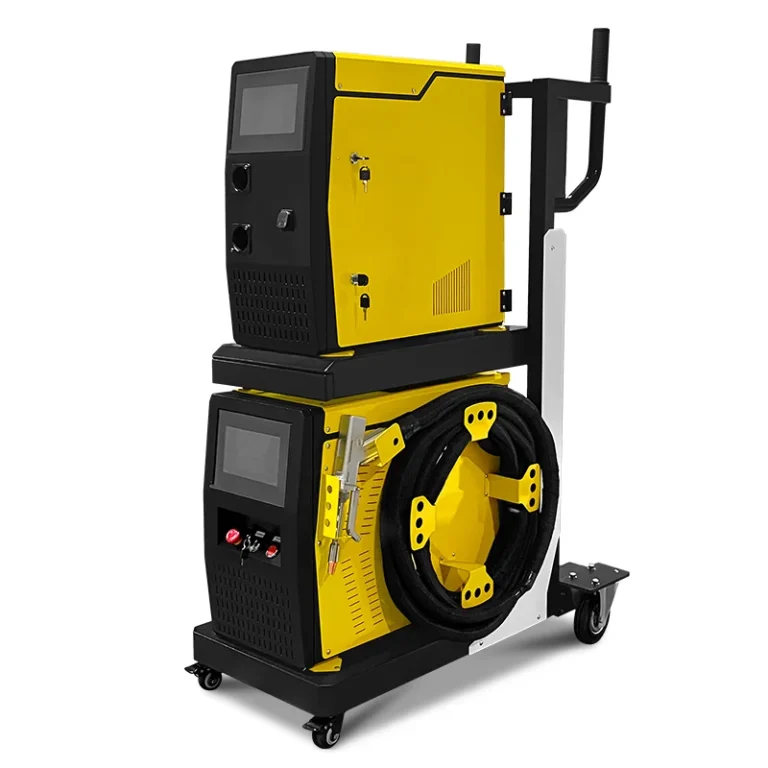
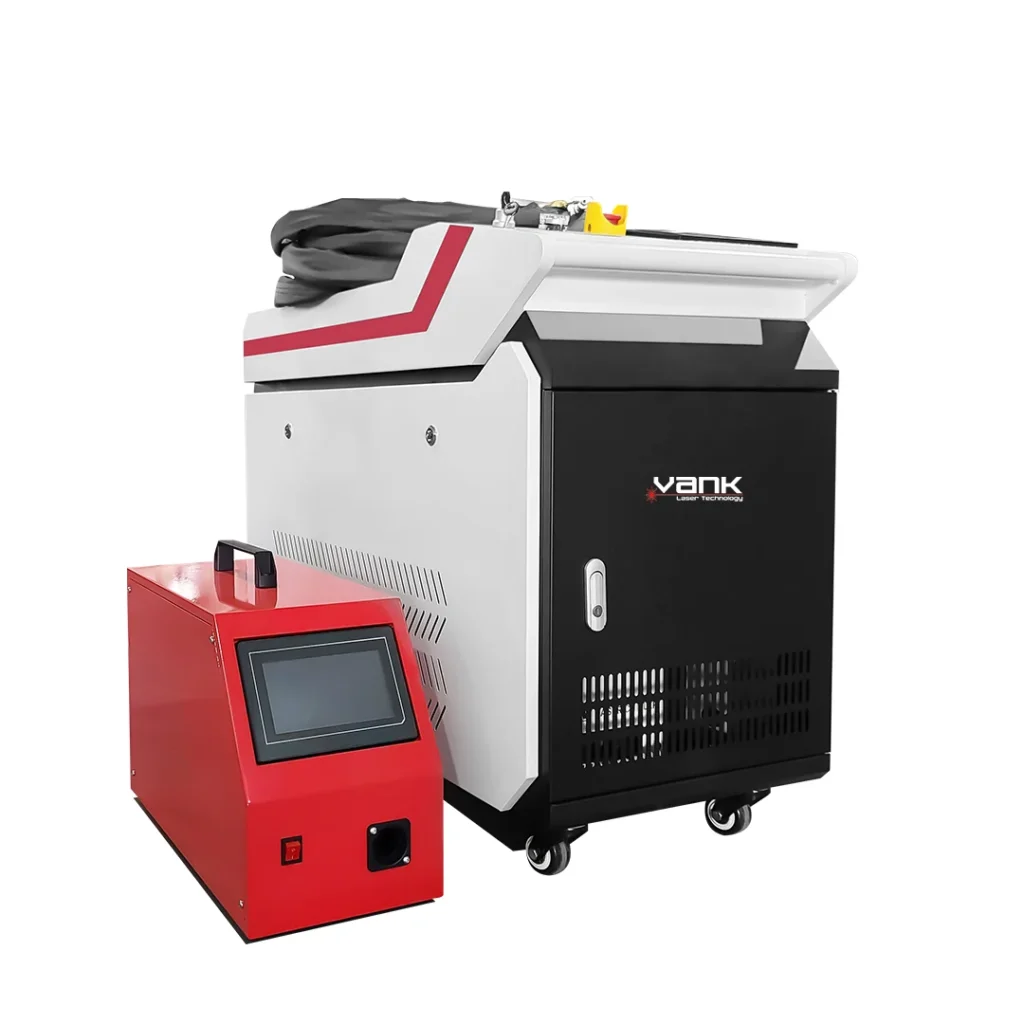
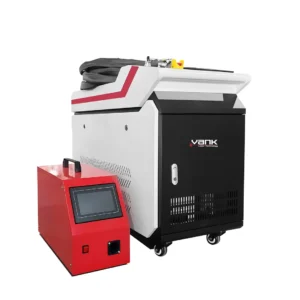
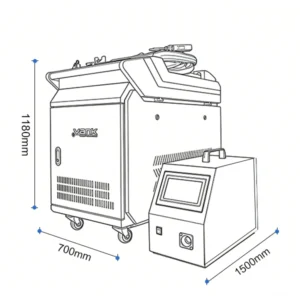
The product brochure lists MAX/Raycus sources, a matched water chiller and a handheld four-function head. Head brands and scan widths vary by configuration; a specific SUP23T cleaning width or gas-pressure setting should not be applied to every supplied head. Use a dedicated CNC cutting machine for routine sheet production and compare pulsed cleaning for heat-sensitive surfaces.
Configuration and specifications
| Parameter | Product configuration |
|---|---|
| Model / format | 4-in-1 handheld fiber system |
| Laser power options | 1500 / 2000 / 3000 W |
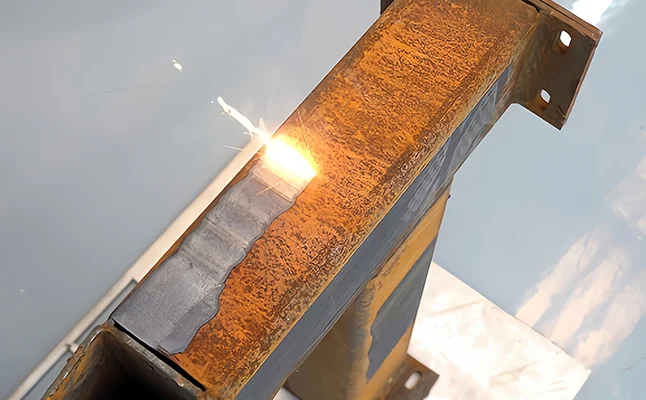
| Process modes | Welding; weld-seam cleaning; surface cleaning; light cutting |
| Laser source | MAX / Raycus or confirmed equivalent CW fiber source |
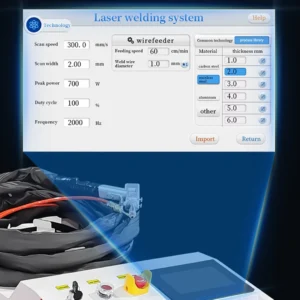
| Controller / software | Touchscreen controller matched to the supplied head |
| Cooling | Industrial water chiller matched to source power |
| Wire feeding | Wire feeder selected for the joint |
The values below identify this product and its listed options. The selected source, optics, controller, accessories and site utilities must be named in the quotation. Motion speed and positioning figures do not establish finished-part tolerance or production throughput.
Materials and process limits
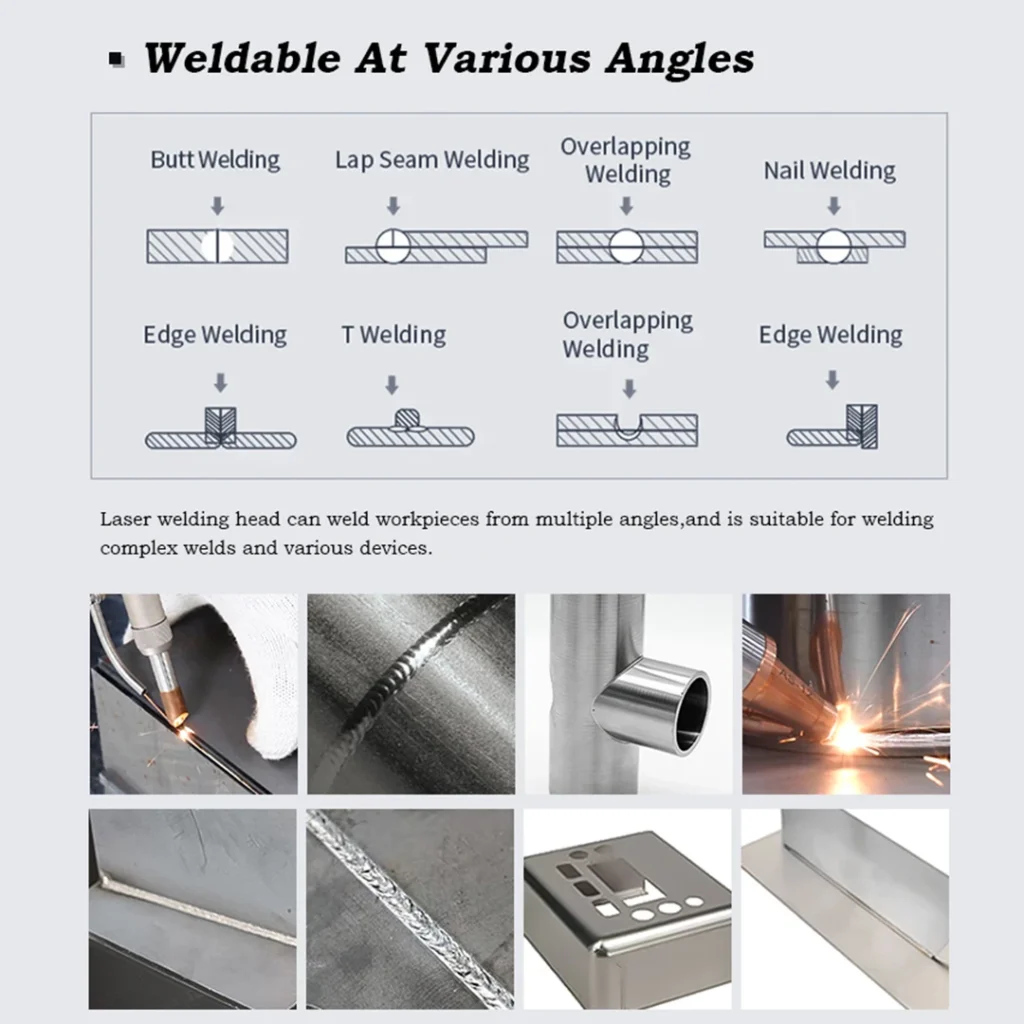
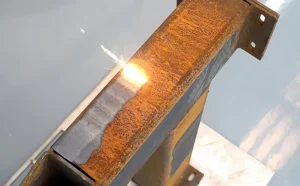
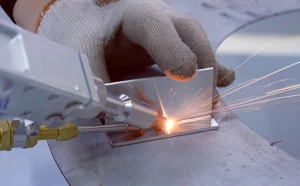
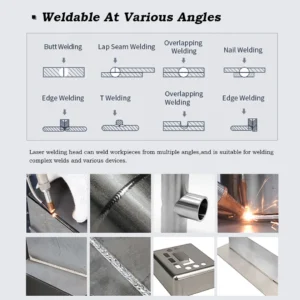
Typical trials include stainless steel, carbon steel, galvanized steel and aluminum assemblies. Joint access, fit-up, coatings and filler alloy determine feasibility. Reflective alloys require an approved source and head. Welding capability is defined by the tested joint and penetration requirement, not a universal material-thickness range.
Production workflow
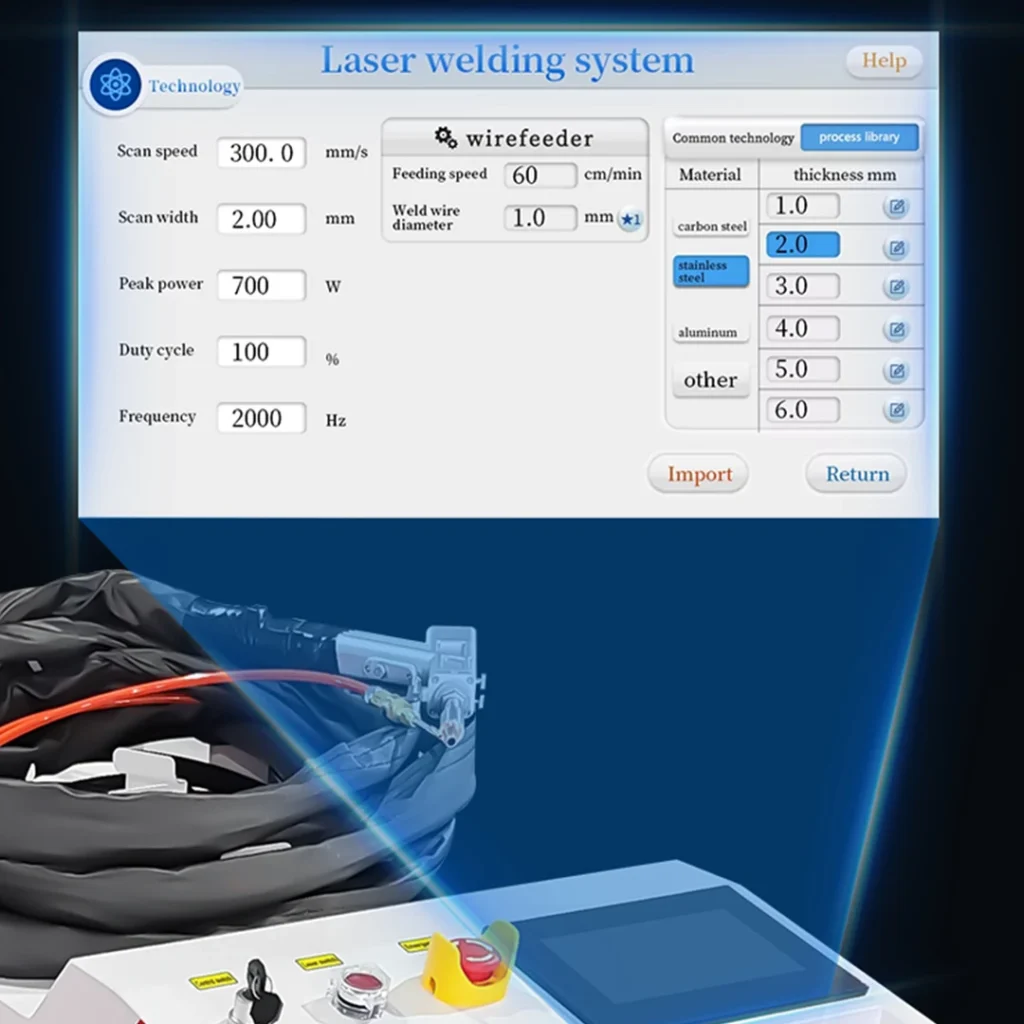
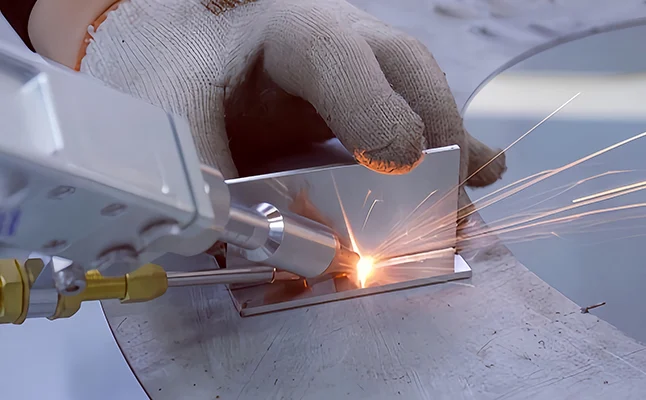
Prepare and fixture the joint, select the correct filler and shielding gas, and develop the power, focus, scan width, wire-feed and travel-speed settings on test coupons. Inspect the weld against the required drawing or procedure. Cleaning and cutting modes, when included, require their own optics, nozzle, gas and validated settings.
Options to specify
Confirm the source, head, wire feeder, delivery cable, cooling and electrical supply as one system. Match rollers, liners, tips and nozzles to the wire. Open-beam handheld welding requires Class 4 laser controls, beam containment, controlled access, suitable eye and skin protection, extraction and trained personnel. Contact detection alone does not provide a safe work area.
Sample test and acceptance
Approve a representative sample and the written configuration before ordering. Record the material, source, settings, lens or nozzle, fixture, appearance, dimensions and complete cycle time. Keep those results as the production acceptance reference.
Welding process selection
Laser welding can reduce heat input and finishing on suitable, repeatable joints. TIG or MIG may be preferable for repair, variable fit-up, heavy sections or a required qualified procedure. Compare sample welds, preparation, inspection and total cycle time for your production rather than relying on a fixed speed multiplier.
Installation, service and documentation
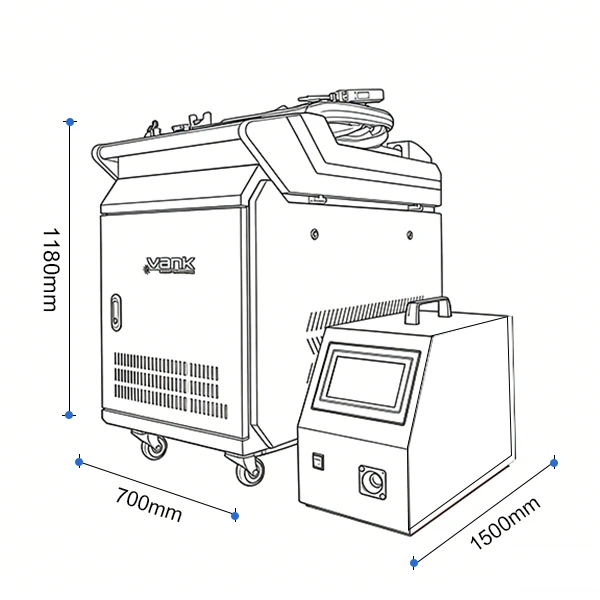
Ask Vank Laser to include the machine layout, electrical requirements, supplied software, operating instructions, maintenance schedule and recommended spare parts in the technical proposal. Agree commissioning, operator training, support language, warranty coverage and service responsibilities before shipment. Request conformity documents for the actual machine and destination.
Request a sample test and quotation
Send the alloy, coating, thickness, joint drawing and gap, required penetration and weld appearance, filler-wire details, inspection criteria and output target.
Send the destination country, installation voltage and required delivery scope with your inquiry. Ask for sample photos or video, measured results and a configuration-specific quotation.
Request a sample test and configuration quote
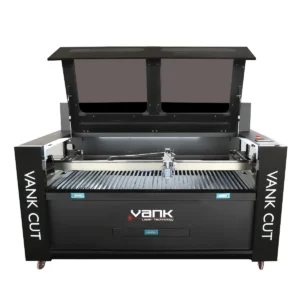
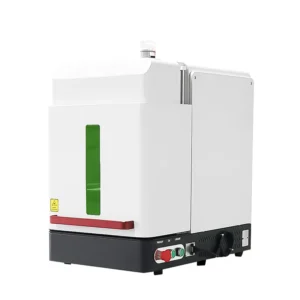
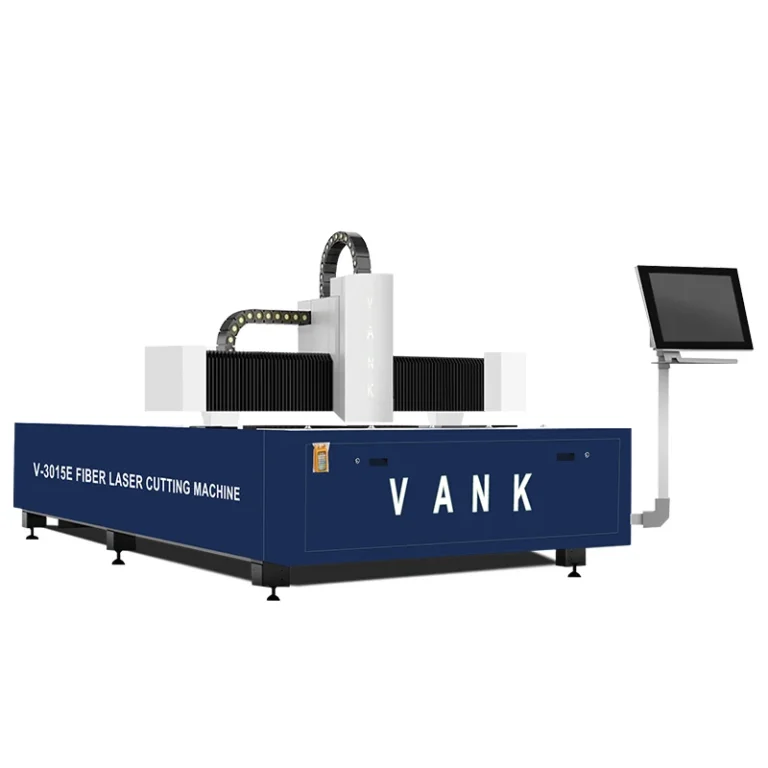
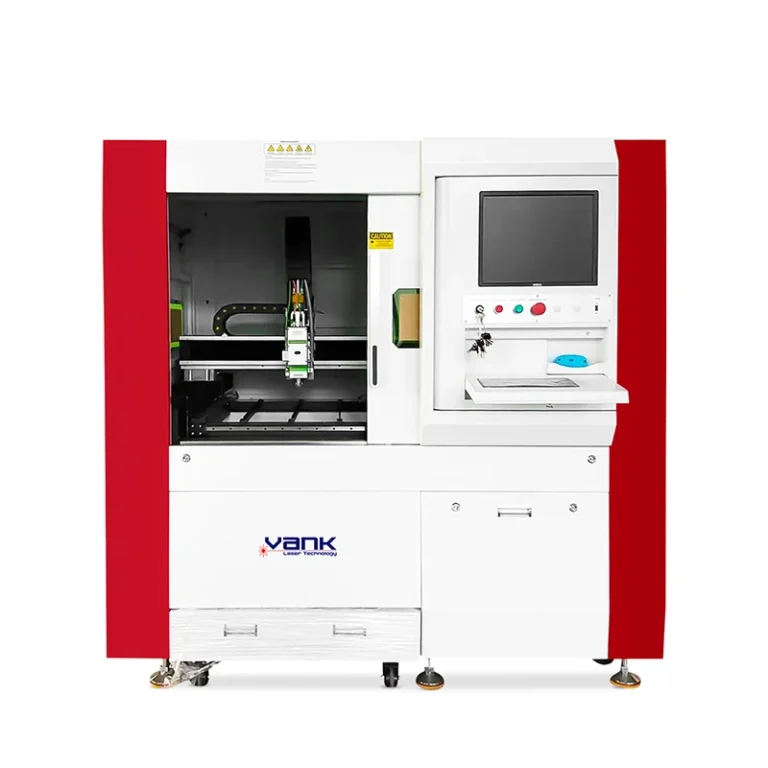
Compare related machines
Product videos
Vank product-family demonstration. The machine shown may have a different power or optional equipment; confirm the configuration for your order.