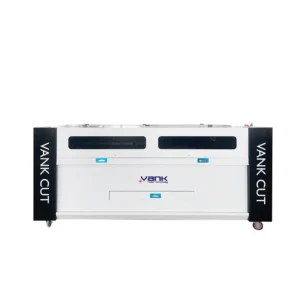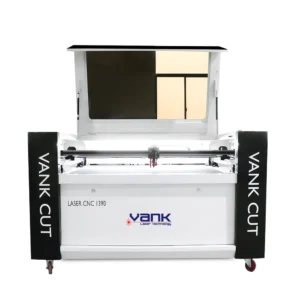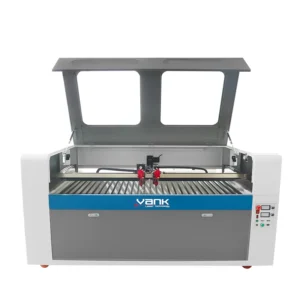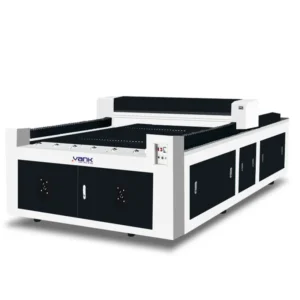



9060 CO2 Laser for Wood, Acrylic and Crafts
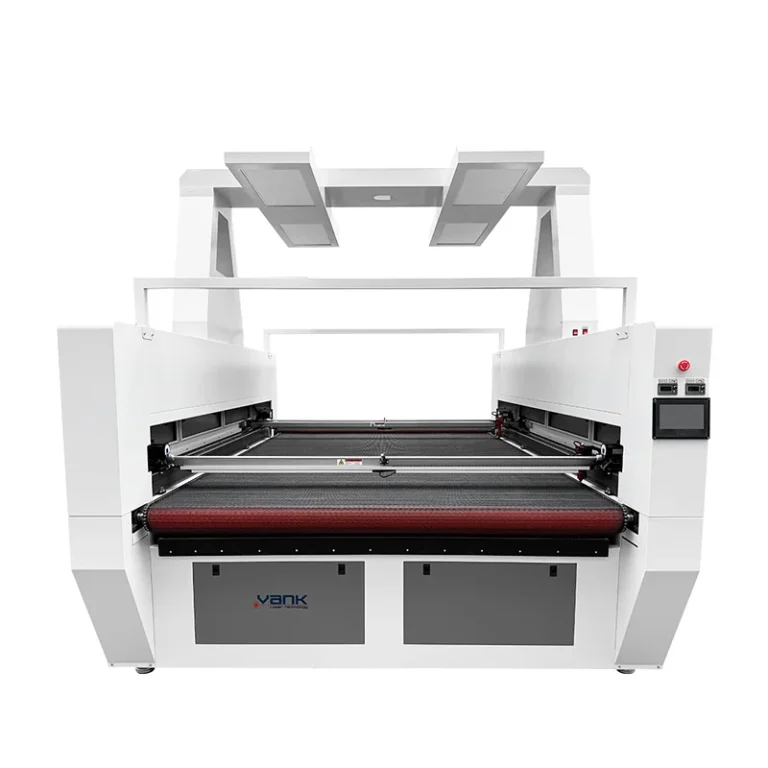
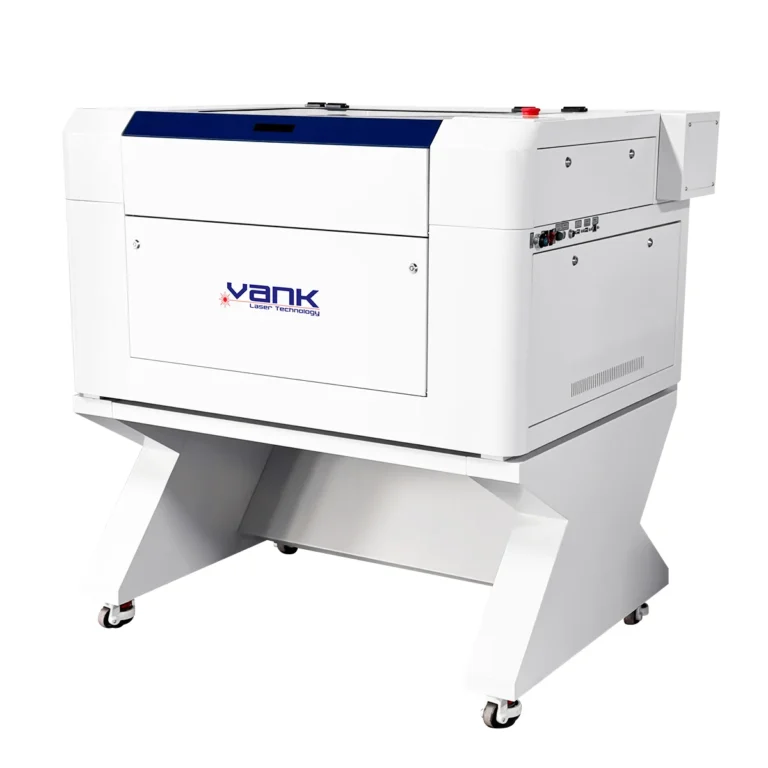
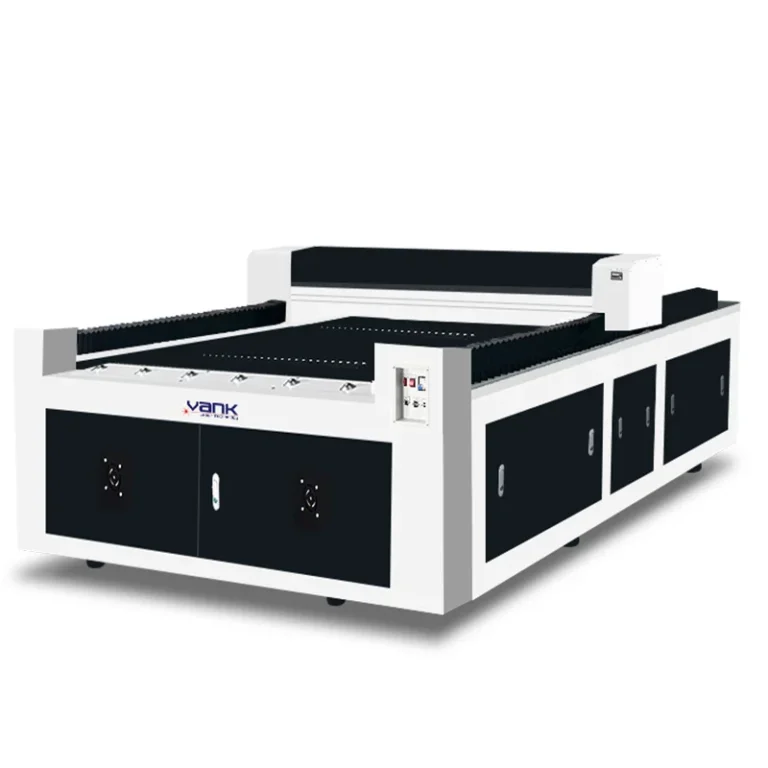
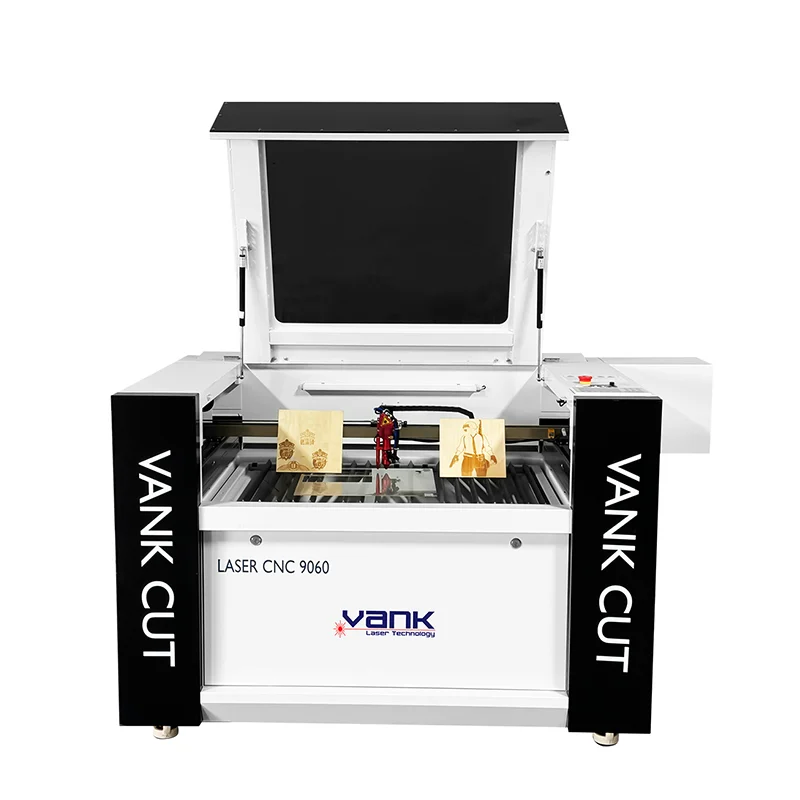
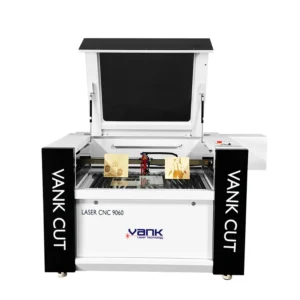
The 9060 CO2 laser engraving and cutting machine combines a 900 × 600 mm bed with a sealed-glass CO2 tube for signs, models, packaging, crafts and short-run production. Configure the laser power, worktable, cooling, air assist and extraction around qualified materials and factory sample results.
- 80/100/130/150 W sealed-glass CO2 source classes
- 900 × 600 mm nominal working area
- Honeycomb and knife-blade worktable options
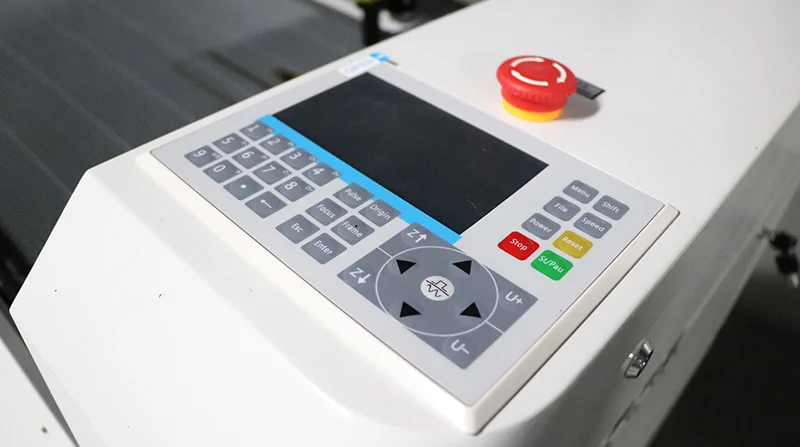
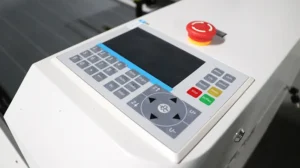
- Ruida RD6445-class DSP controller
- Red-light position preview and autofocus options
- Emergency stop and safety controls confirmed in the final configuration
- LightBurn Pro support when the exact controller and firmware are compatible
- Water chiller, air assist and source-capture extraction matched to the application

Power Options for Engraving and Cutting
Choose an 80, 100, 130 or 150 W class source according to the target material, thickness, edge quality and production rate. Final capability is approved with a customer file and material sample.
True 900 × 600 mm Work Area
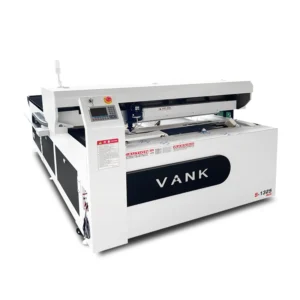
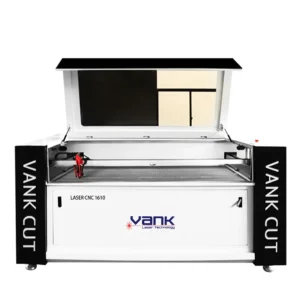
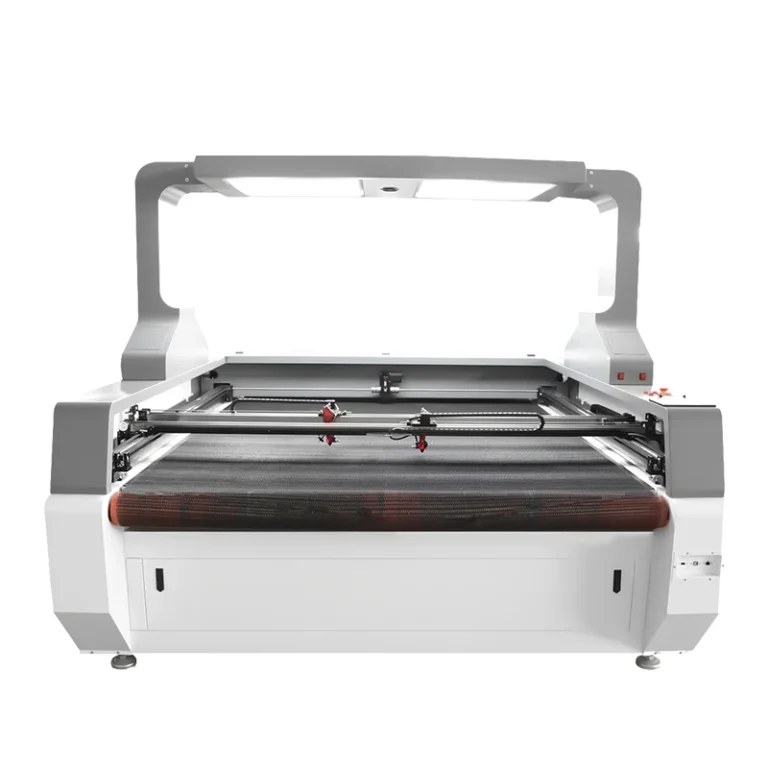
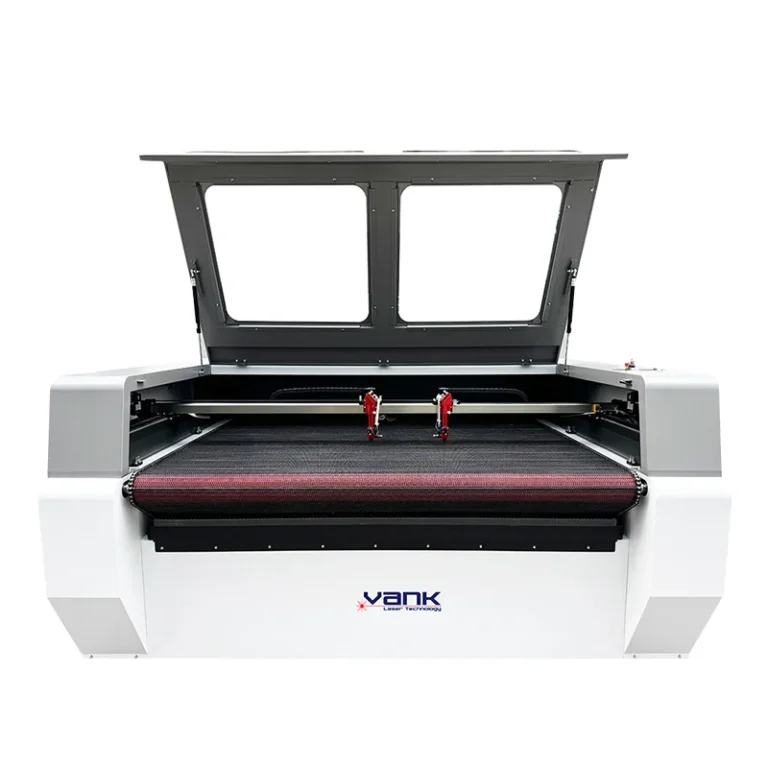
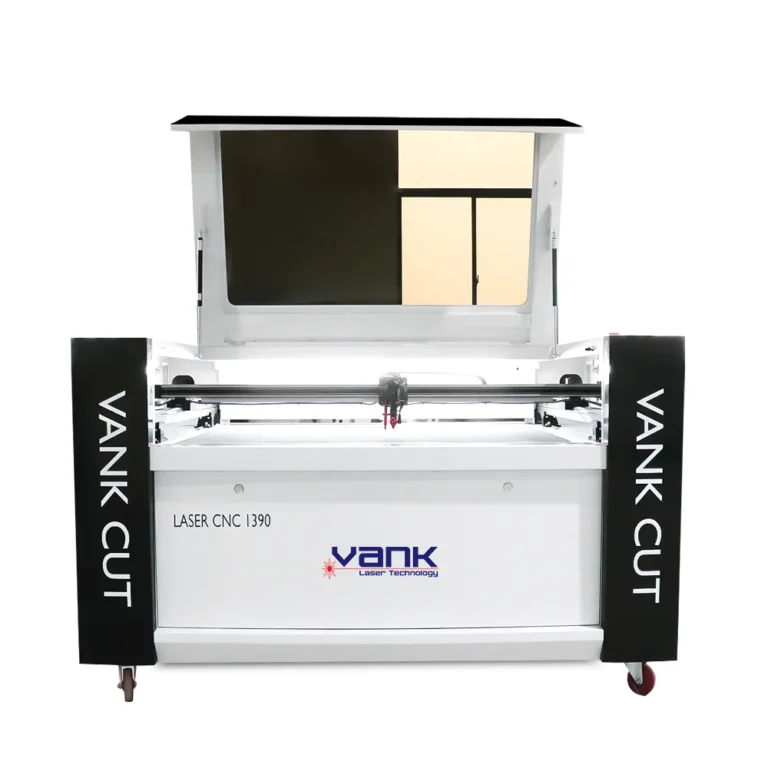
The 900 × 600 mm bed suits sign components, model sheets, packaging inserts and craft batches while keeping a compact footprint. Larger 1390, 1610 and 1325 platforms are separate models.
Belt Drive and Linear-Rail Motion
Linear guide rails and a protected belt-drive motion system support repeatable engraving and cutting. Job settings, focus, optics condition and material flatness determine the final result.
Matched Water Cooling
A source-matched industrial chiller maintains the tube within its specified temperature range. Flow protection, clean coolant and clear ventilation paths are required for reliable operation.
Repeatable Surface Detail
A clean optical path, correct focal setup and tuned speed, power and air assist help reproduce fine graphics and controlled cut edges. A sample test establishes the achievable detail.
Workshop-Friendly 9060 Footprint
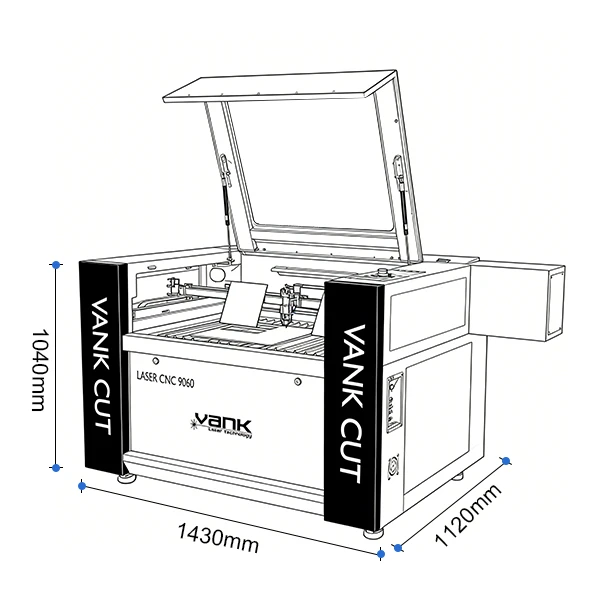
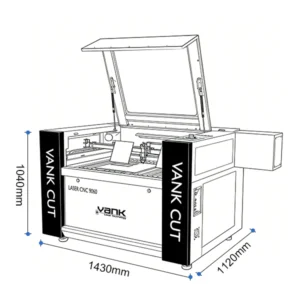
The 9060 format balances usable bed area with workshop access. Confirm machine dimensions, door clearance, floor loading, exhaust routing, chiller space and service access before delivery.
9060 CO2 Laser Machine Specifications
| Specification | 9060 Configuration |
|---|---|
| Model | VankCut-9060 |
| Nominal work area | 900 × 600 mm |
| Primary process | Engraving and cutting qualified nonmetal materials |
| Laser source | Sealed-glass CO2 laser tube |
| Nominal output options | 80/100/130/150 W class; final source by quotation and sample test |
| Nominal wavelength | 10.6 µm |
| Motion system | XY belt drive with linear guide rails |
| Controller | Ruida RD6445-class DSP; exact board and firmware confirmed per order |
| Software workflow | RDWorks or compatible workflow; LightBurn Pro only with supported controller and firmware |
| Typical file workflow | Common vector and raster files such as AI, DXF, PLT, BMP and JPG, subject to software import support |
| Worktable | Honeycomb or knife-blade; motorized Z option by configuration |
| Positioning and focus | Red-light preview and autofocus options; final availability by quotation |
| Cooling | Source-matched industrial water chiller with flow and temperature protection |
| Air assist and extraction | Required; airflow and filtration selected for material and process |
| Electrical supply | Configured for destination voltage and frequency; dedicated grounded circuit required |
| Laser safety | Class 4 laser source; finished-system classification, enclosure and interlocks confirmed for destination |
| Acceptance basis | Approved customer file, material sample, edge or mark quality, cycle time and final configuration |
Material and Process Qualification Guide
| Material or process | 9060 CO2 laser guidance |
|---|---|
| Cast or extruded acrylic | Engraving and cutting are application-dependent; qualify thickness, edge quality, flame control and extraction with the actual sheet. |
| Wood, plywood and MDF | Qualify species, density, adhesive and coating; smoke, char and achievable thickness vary by lot. |
| Paper and cardboard | Suitable after testing; use low heat input, continuous supervision and strong fire controls. |
| Natural leather | Process only identified formulations after SDS and fume review; chromium-containing or unknown leather requires written hazard approval. |
| Textiles | Test the exact fiber, dye, coating and backing; do not process halogenated or unidentified blends. |
| Laser-safe stamp rubber | Use only material supplied and documented for laser processing with effective source-capture extraction. |
| Anodized or coated metal | Surface marking of a qualified coating may be possible; this standard 9060 configuration does not cut bare metal. |
| Glass, stone and ceramic | Limited to qualified surface marking; test for chipping, cracking, dust and finish variation. |
| Bare metal cutting | Not supported on the standard 9060 nonmetal platform; select a fiber or purpose-built hybrid system. |
| Prohibited or unidentified materials | Do not process PVC, vinyl, PTFE, other halogenated materials, epoxy or phenolic laminates, unknown synthetic leather, rubber, resins, plastics or composites. |
Final settings and capability are established with the customer’s actual file and material sample.
Qualified Materials
Typical candidates include approved acrylic, wood, plywood, MDF, paper, cardboard, natural leather, laser-safe stamp rubber and selected textiles. Coated metal, glass, stone and ceramic are limited to qualified surface marking. Review the SDS and run an extraction and fire-risk test before production.
Applications and Industries
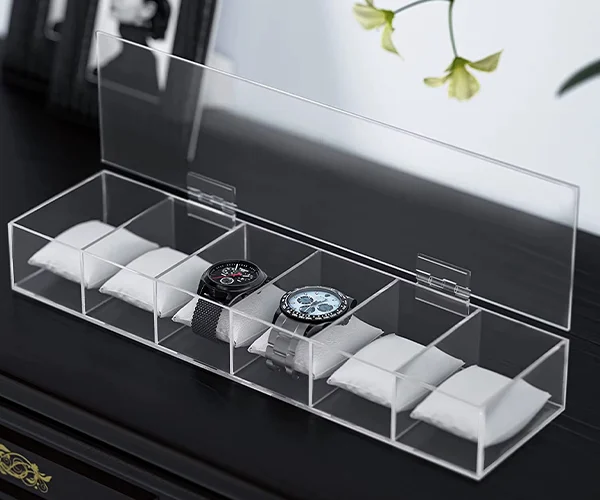
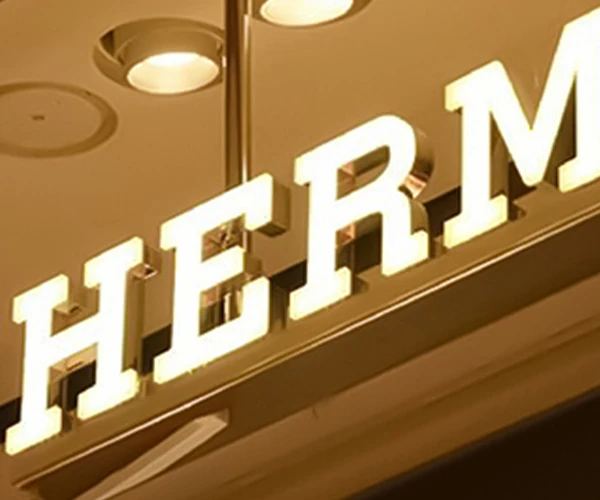
Common uses include acrylic signs, architectural models, packaging prototypes, engraved gifts, wood crafts, stamps, labels, approved textile components and short-run display parts. Regulated, load-bearing or safety-critical products require the customer’s own validation.

Laser-Cut Acrylic Lettering

Laser-Cut Paper Pattern

Laser-Cut Plywood Box

Acrylic Sign Cutting

Stamp Material Engraving

Wood Sheet Cutting

Honeycomb and Knife-Blade Worktables
Select a honeycomb bed for flexible sheet support or knife blades for reduced back reflection and easier debris clearance.

Ruida-Compatible Control Workflow
Prepare vector and raster jobs in the software matched to the delivered controller. Common AI, DXF, PLT, BMP and JPG files can be imported subject to software support. Confirm the workflow before ordering and back up manufacturer settings before any controller change.

Ruida RD6445-Class Controller
The RD6445-class DSP panel provides local job selection, parameter control, framing and status display. LightBurn Pro supports Ruida DSP controllers, but compatibility depends on the exact board and firmware supplied with the machine.

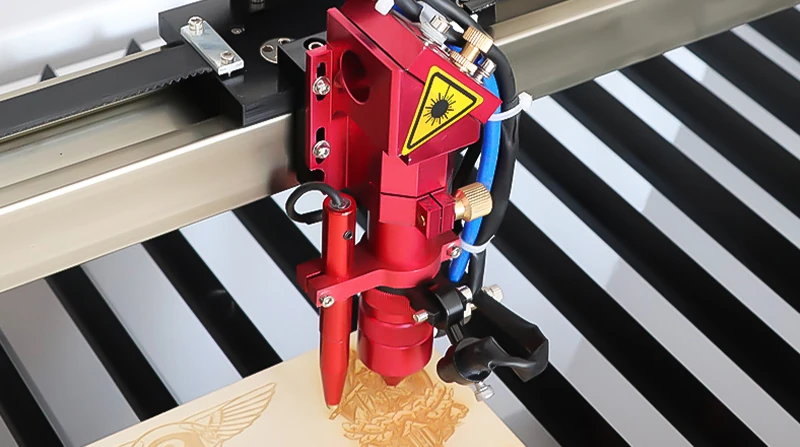
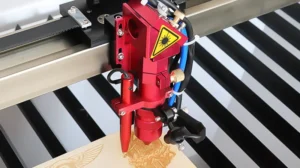
CO2 Engraving and Cutting Head
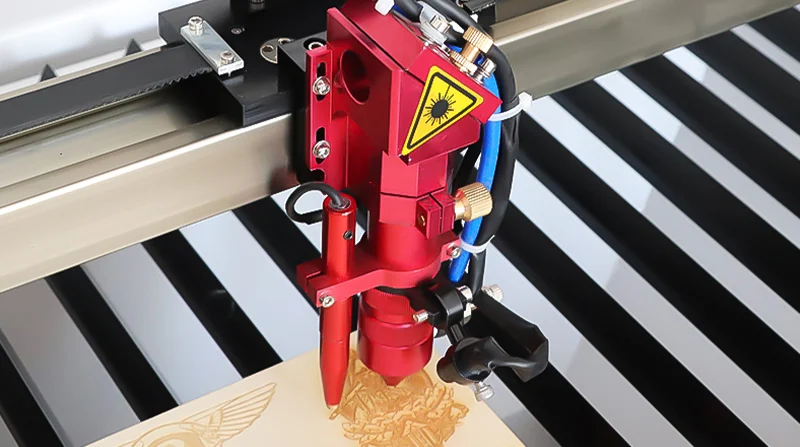
The focusing head, mirror path, nozzle and air assist are configured for qualified nonmetal engraving and cutting. Keep optics clean and verify focus after material or lens changes.

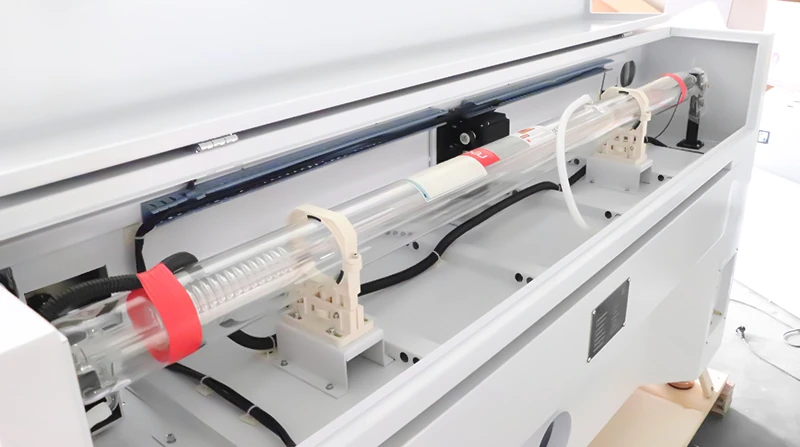
Sealed-Glass CO2 Laser Tube
Select the tube class from the required engraving detail, material, thickness and production rate. Tube brand, rated output, warranty, chiller and optics are confirmed in the final quotation.
Optional Equipment for the 9060 Platform
Optional equipment must match part height, weight, geometry and the delivered controller. Confirm usable Z travel, focus range, bed clearance and rotary-axis support before ordering.
- Motorized Z table: provides clearance for taller workpieces and approved rotary fixtures within the specified focus range.
- Red-light preview and autofocus: assist positioning and focus setup; always verify the job boundary and focal distance before processing.
- Roller rotary: supports selected cylindrical parts within confirmed diameter, length, mass, taper and surface limits.
- Chuck rotary: holds approved round parts when jaw range, load, balance, tail support and controller-axis compatibility are confirmed.
9060 CO2 Laser Cutter FAQ
What materials can a CO2 laser engraving/cutting machine process?
Approved acrylic, wood products, paper, cardboard, natural leather, laser-safe stamp rubber and selected textiles are common candidates. Review the SDS and test the exact formulation, coating, adhesive and backing. Never process PVC, vinyl, PTFE or unidentified materials.
Can a CO2 laser cut or engrave metal?
The standard 9060 is a nonmetal CO2 platform and does not cut bare metal. It may mark certain anodized or coated surfaces after testing. Use a fiber or purpose-built hybrid system for metal cutting.
Why is the laser tube not emitting light or losing power?
Stop the job and check the controller alarm, emergency stop, lid or interlock state, chiller temperature and flow indication, optics condition and tube connection according to the manufacturer’s procedure.
Do not open the high-voltage compartment or use a power-supply test control. Isolate power and contact qualified service personnel if the cause is not visible from normal operator checks.
What maintenance does the chiller and water cooling system require?
Use the coolant, replacement interval and ambient range specified for the delivered tube and chiller. Inspect flow, temperature, hoses, reservoir level, leaks and alarms; clean filters and heat-exchanger surfaces with the system powered down.
Keep intake and exhaust clear and do not bypass flow or temperature protection. Drain or move the chiller only by the manufacturer’s instructions, and document maintenance before returning the laser to service.
What is the difference between CO2 and fiber lasers?
CO2 lasers are commonly selected for acrylic, wood, paper, leather and many approved textiles. Fiber lasers are usually preferred for bare-metal cutting or 1064 nm metal and engineering-plastic marking. Choose by material absorption, process, thickness and sample result.
What working area sizes are common?
This page covers the 900 × 600 mm VankCut-9060. The 1390, 1610 and 1325 sizes are separate platforms with different footprints, motion, source and utility configurations.