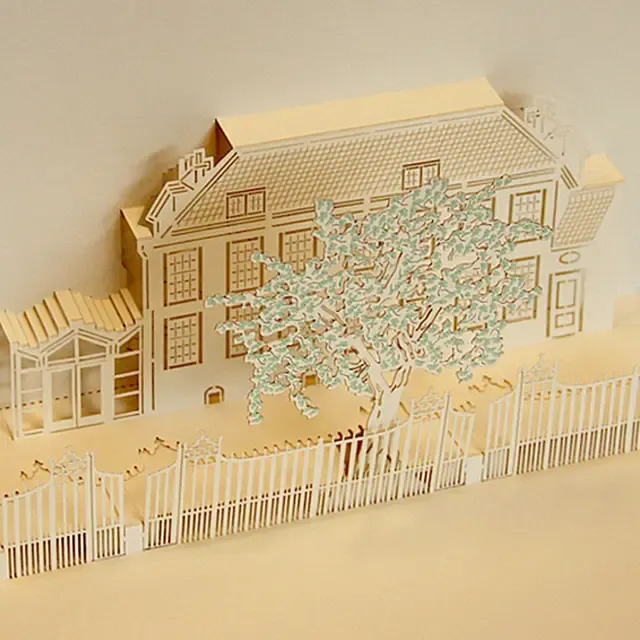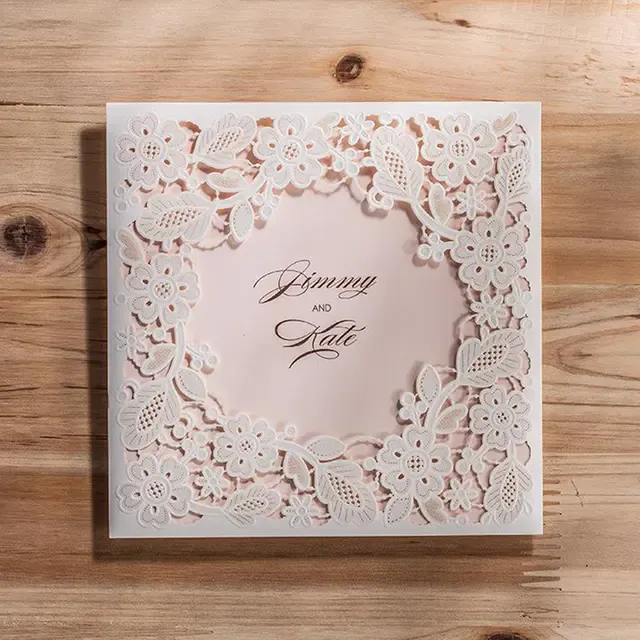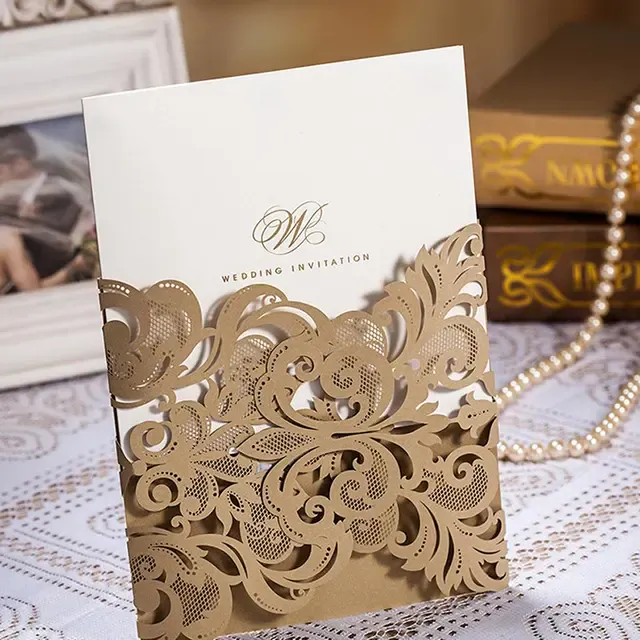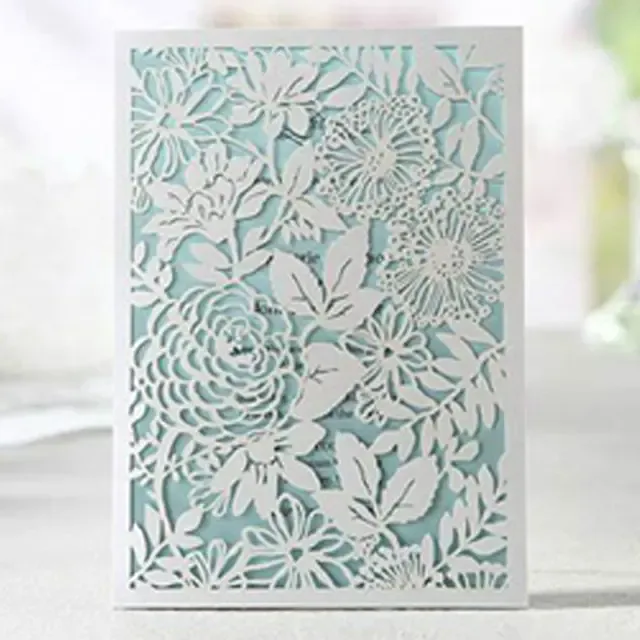


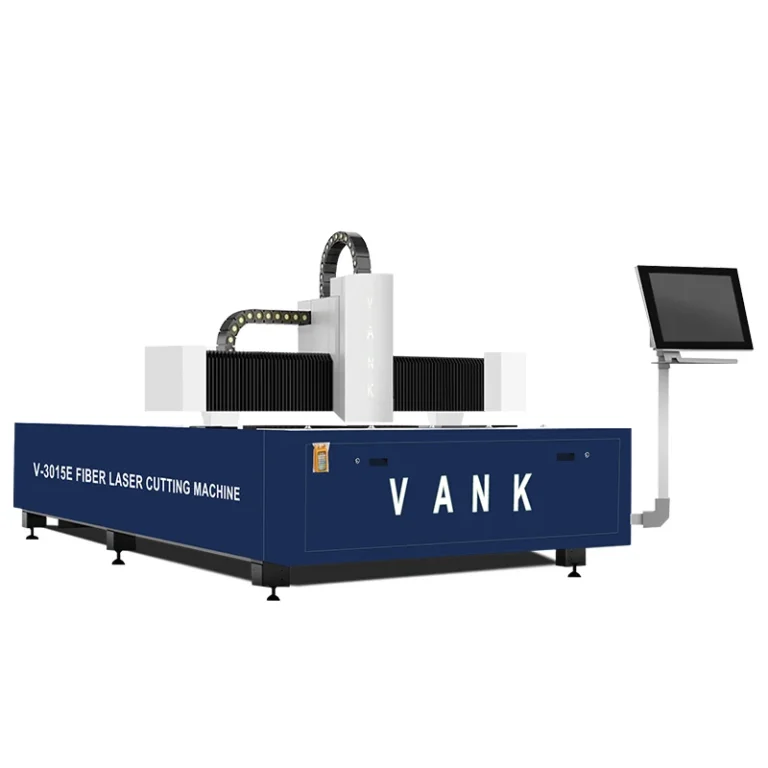
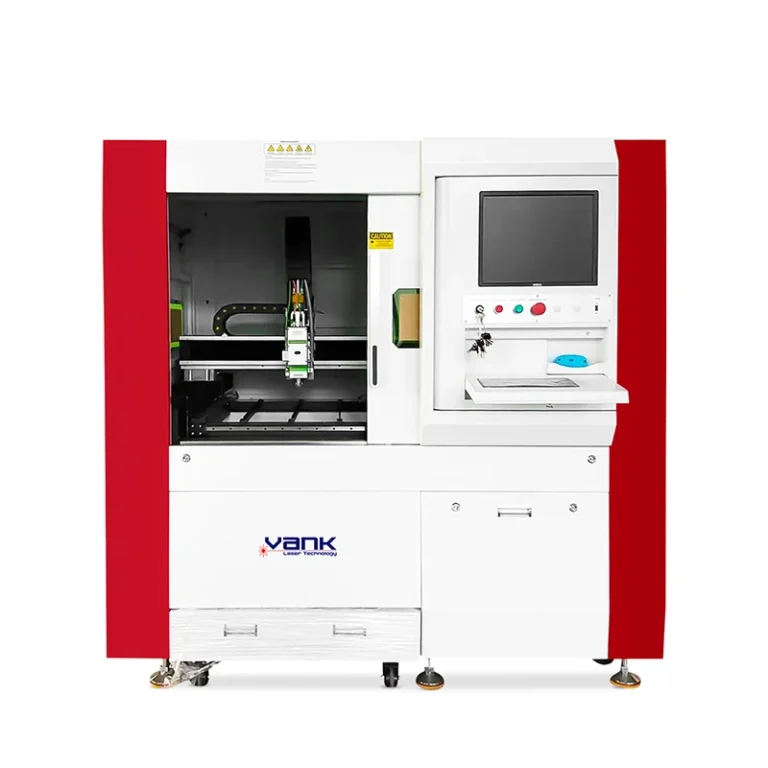
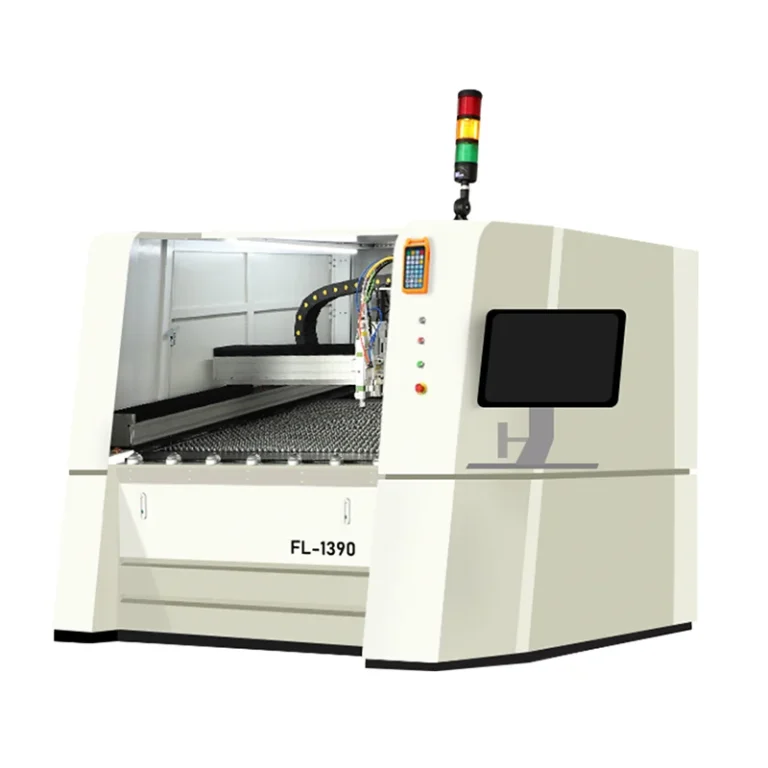
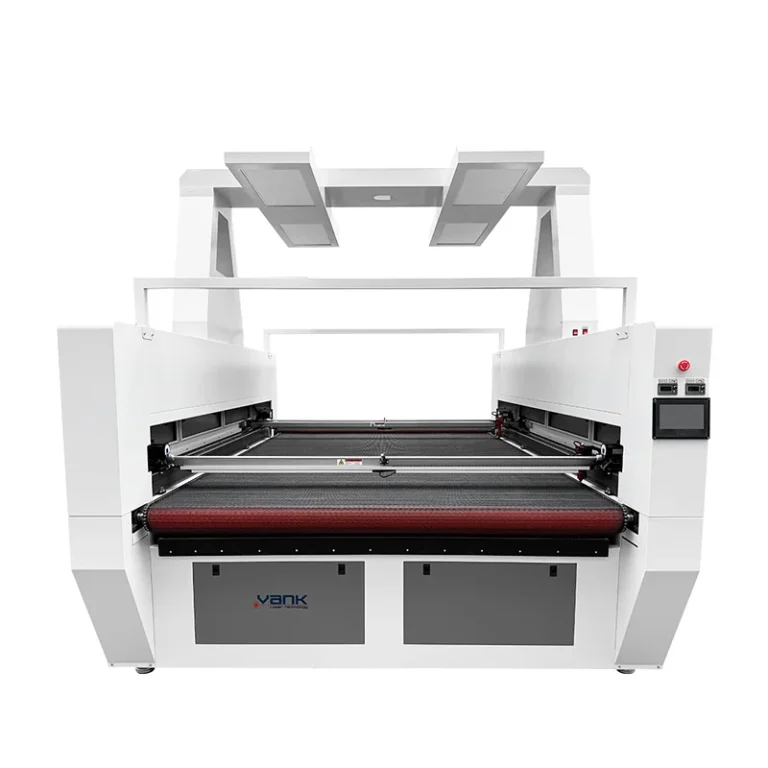
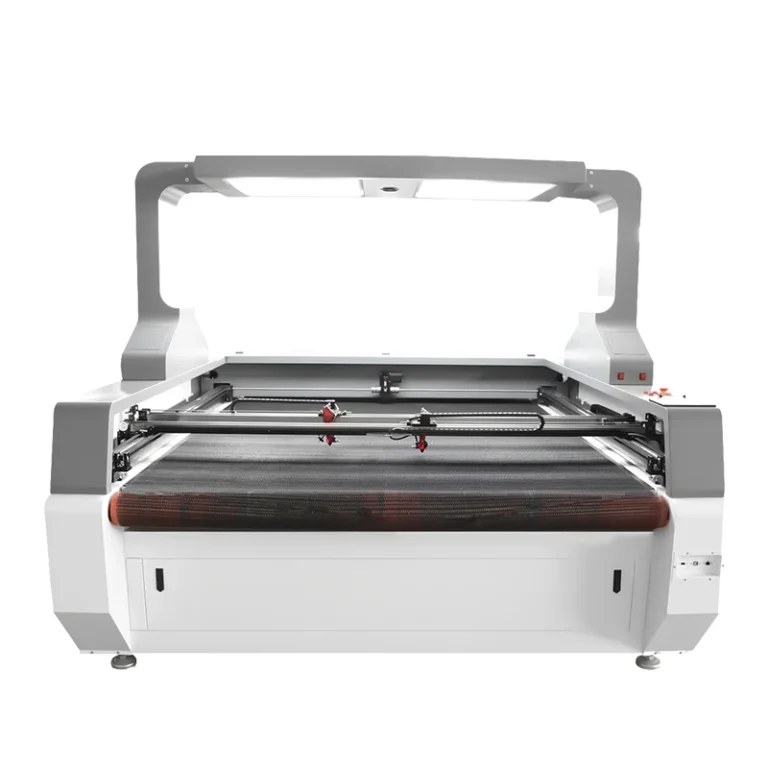
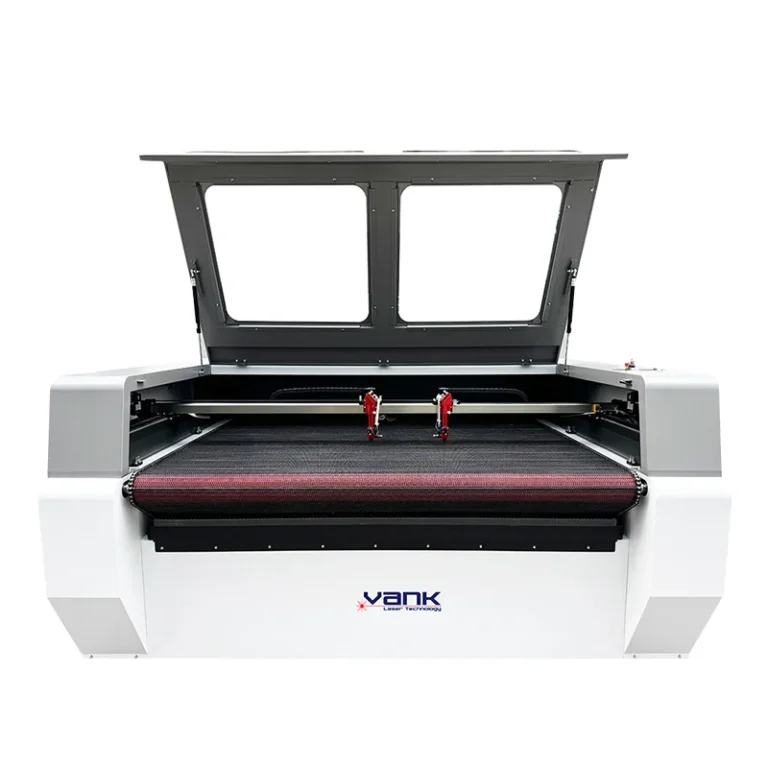
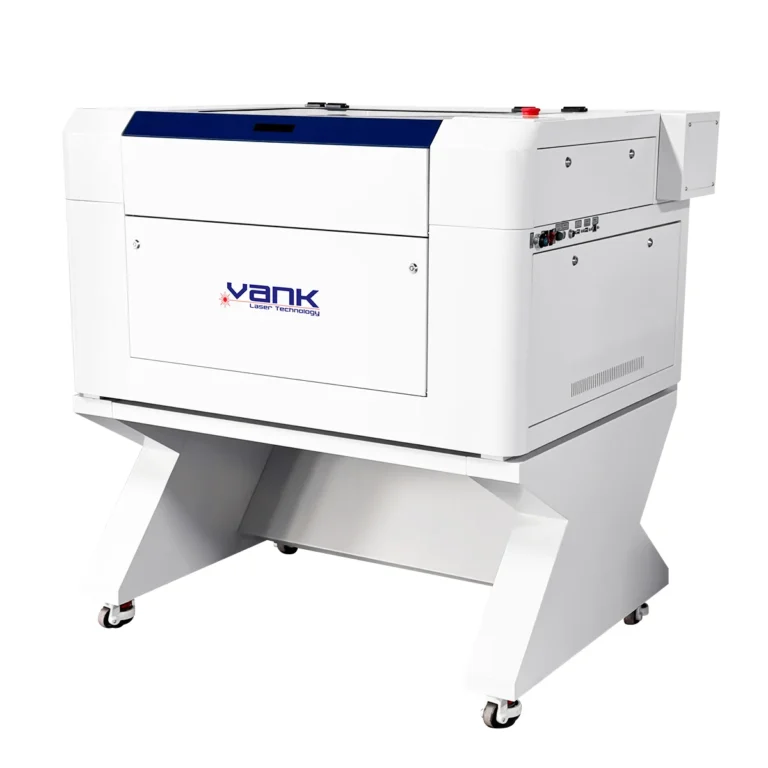
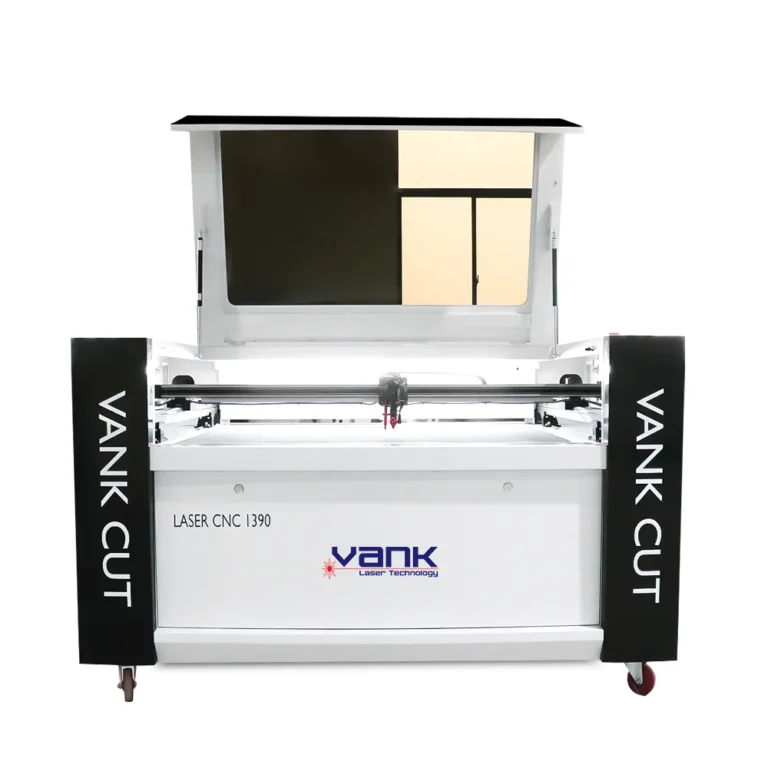
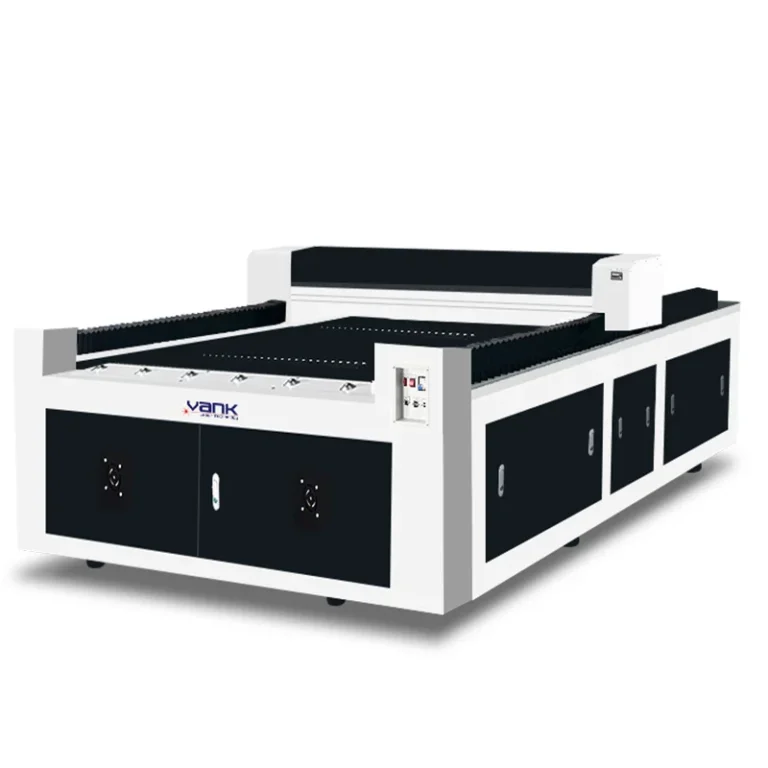
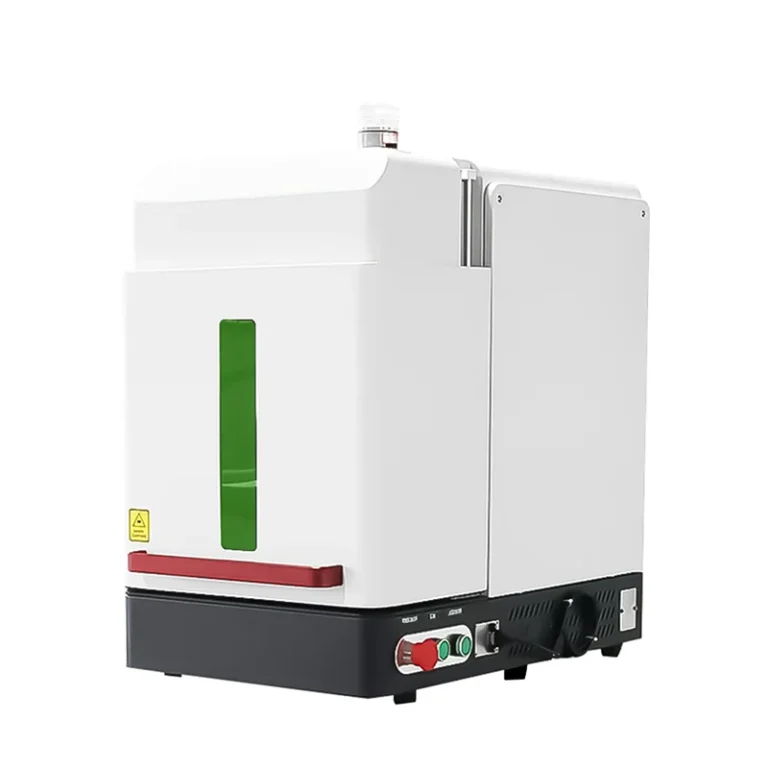
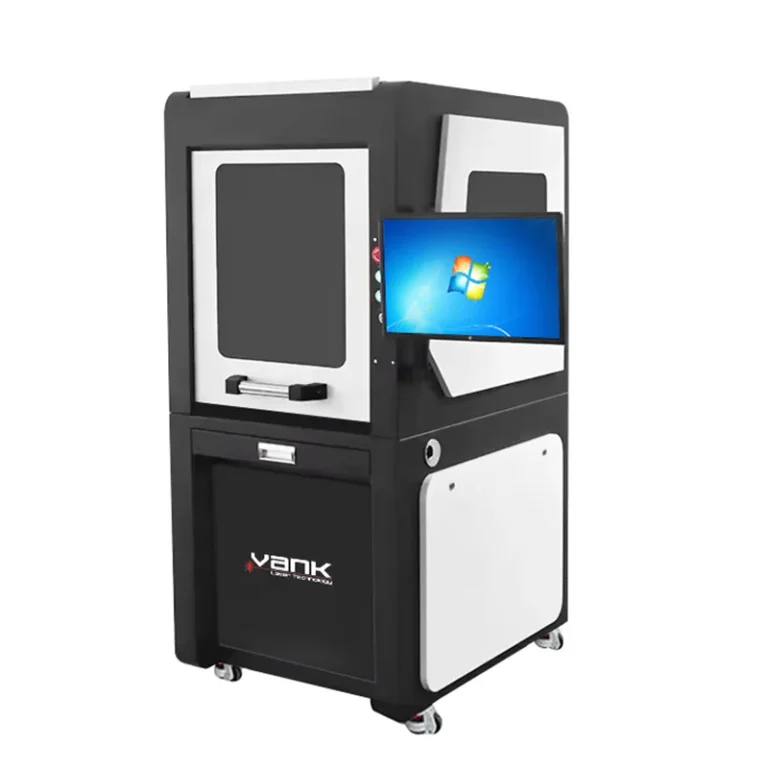
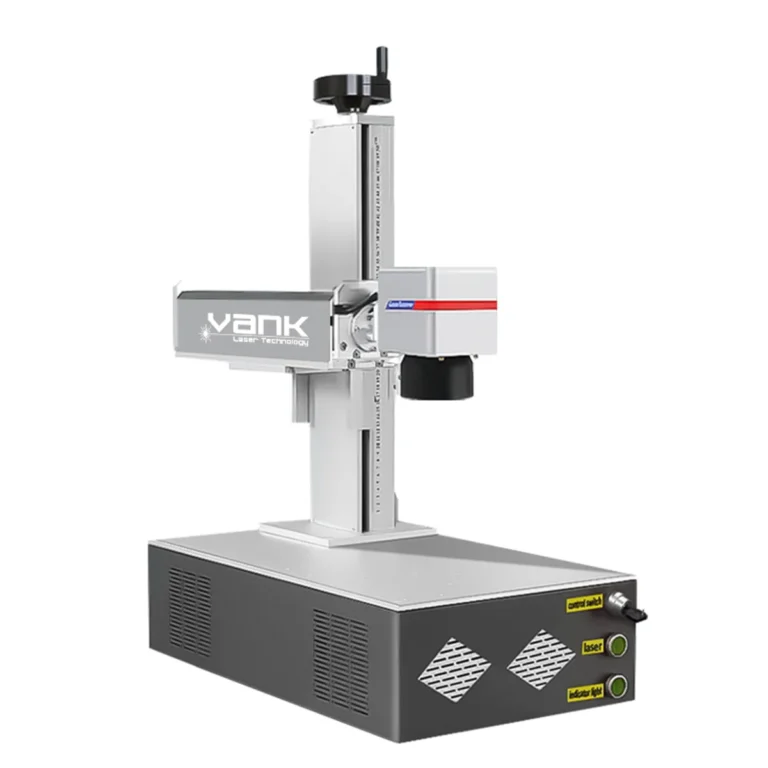
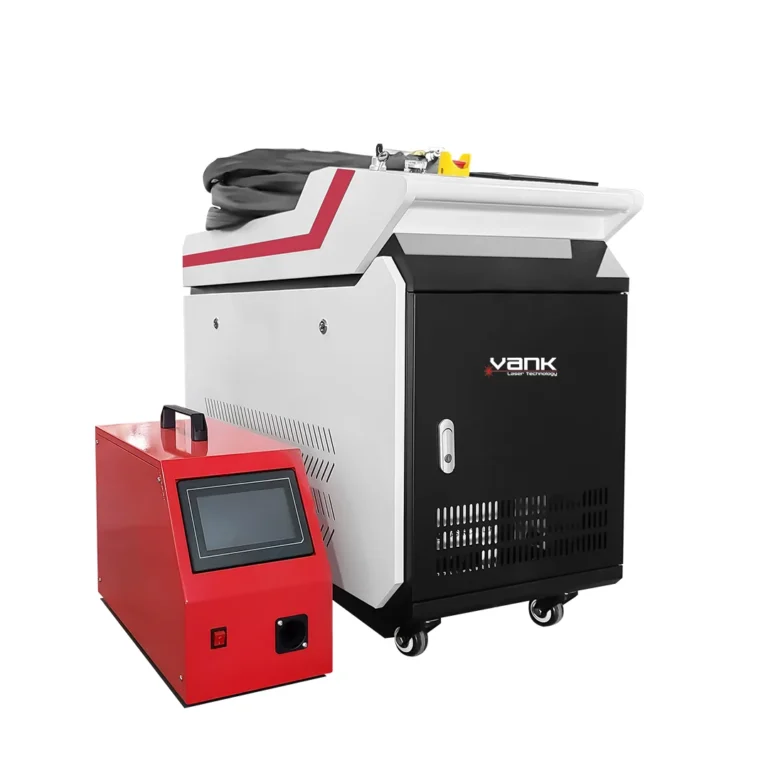
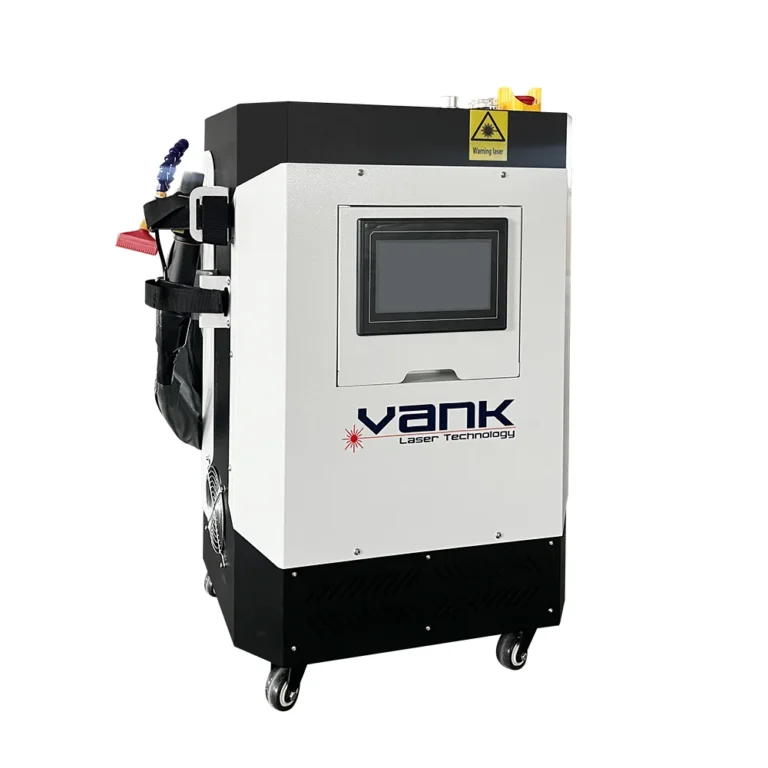
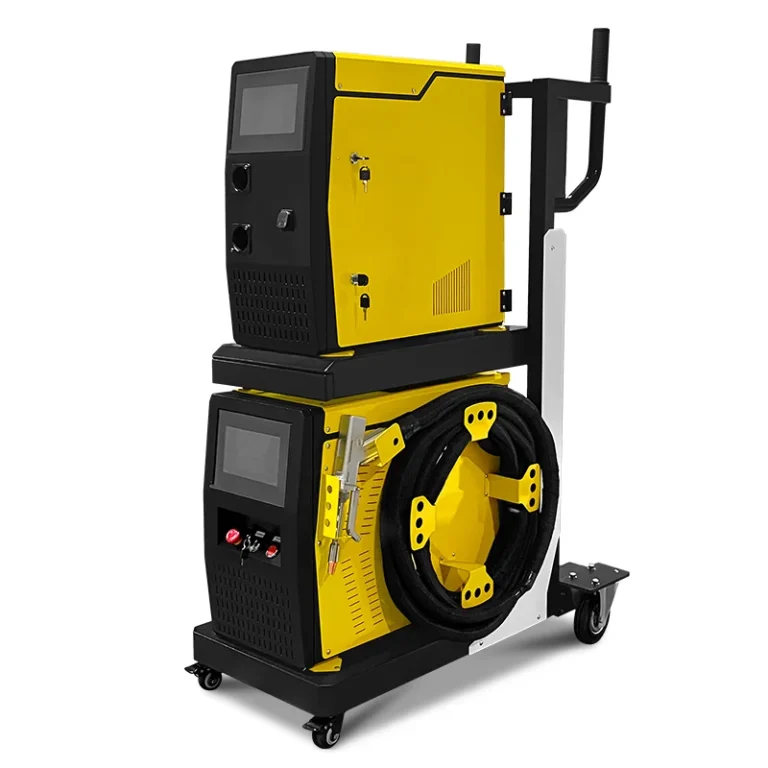
Laser process and paper-stock qualification. Paper, cardstock, pasteboard and corrugated board are normally cut, engraved, scored or perforated with a CO2 laser; a fiber laser is not the standard source for paper converting. Results change with fiber content, grammage, caliper, color, recycled content, coating, ink, adhesive, laminate, flute and moisture. Uncoated and purpose-made laser papers can produce fine details, while heavily coated, metallic, plastic-laminated or flame-retardant stocks may discolor, delaminate or release unsuitable fumes. Obtain the supplier specification and SDS for every layer, ink and adhesive, and do not process PVC, halogenated films or unidentified composite papers.
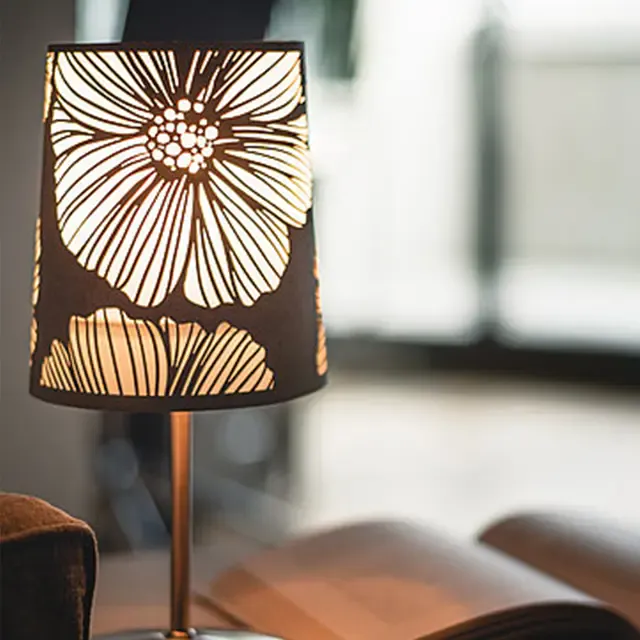
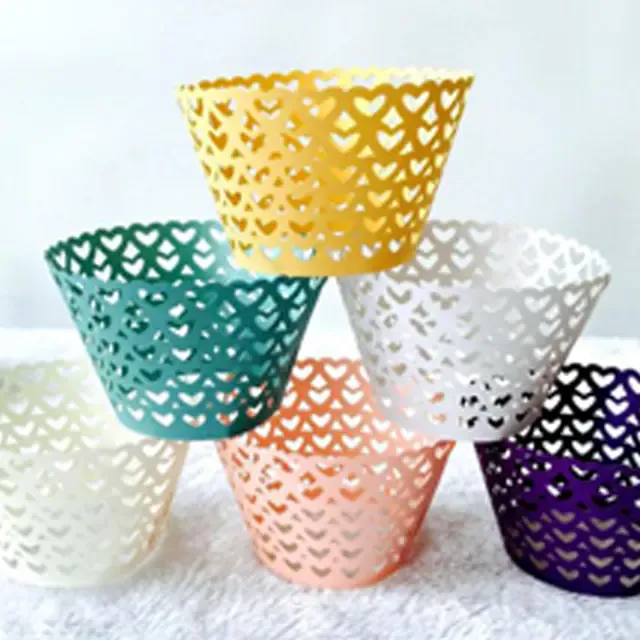
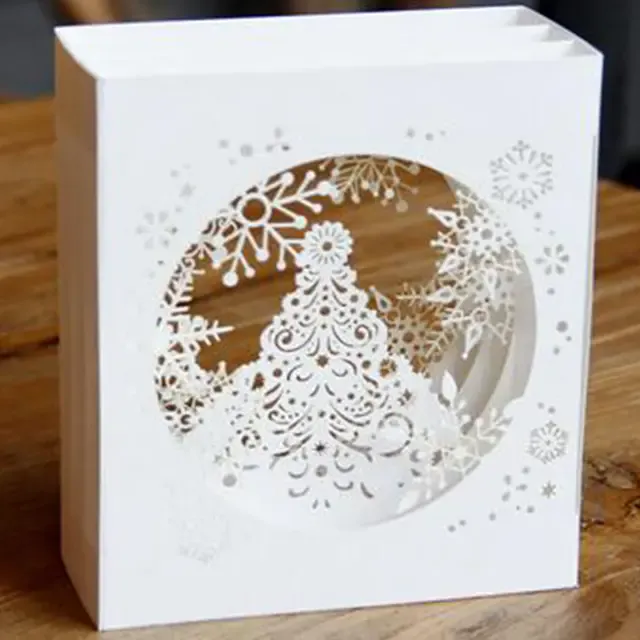
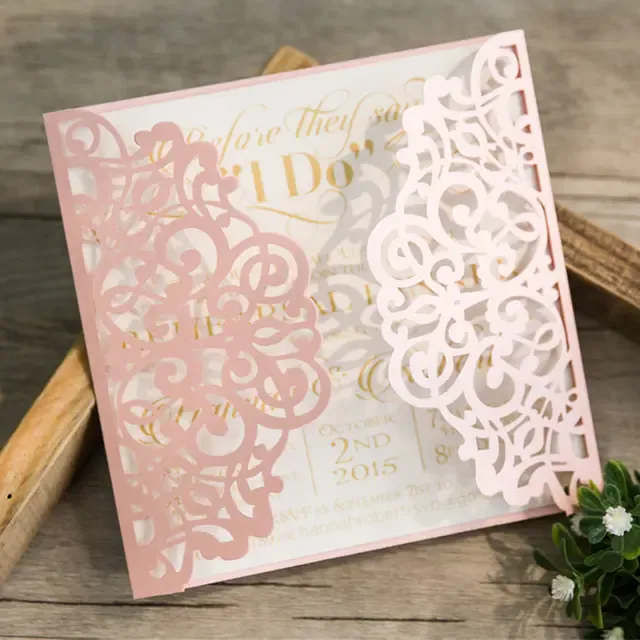
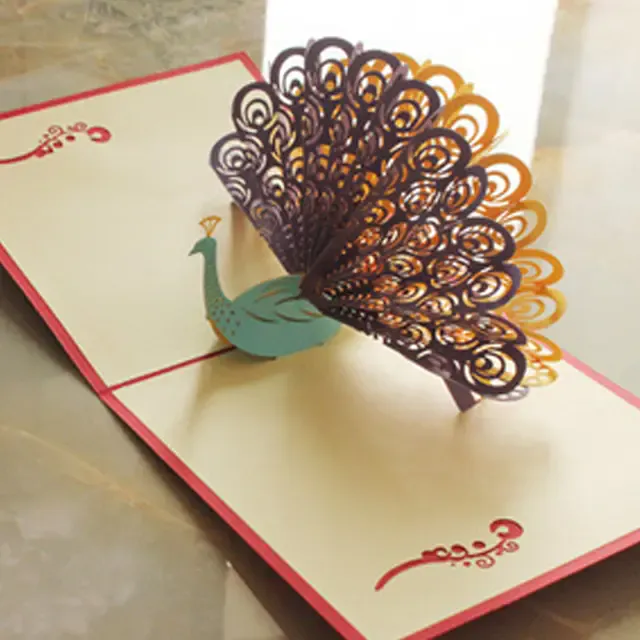
Applications, process control and fire safety. CO2 laser processing supports invitations, greeting cards, packaging, book covers, labels, stencils, architectural models, lampshades, pop-up structures and short-run printed graphics. Production files should separate cut, score, perforation and engraving layers and define kerf compensation, minimum bridges, small-feature strength, crease/fold lines, grain direction and print-to-cut registration. Use the actual stock and print batch to approve edge char, smoke staining, color shift, engraving contrast, curl, flatness, delamination, fold strength, assembly fit and alignment. Vacuum hold-down, a clean support table, correct focus, suitable air assist and effective extraction improve repeatability, but thin offcuts can move or ignite. Keep the bed and exhaust path free of scraps, never leave the process unattended, and maintain emergency stop and fire-response procedures. For a machine recommendation and sample test, provide stock datasheet, grammage and thickness, coatings and inks, sheet size, artwork, batch target, print-registration tolerance, required finish, extraction and destination power supply.