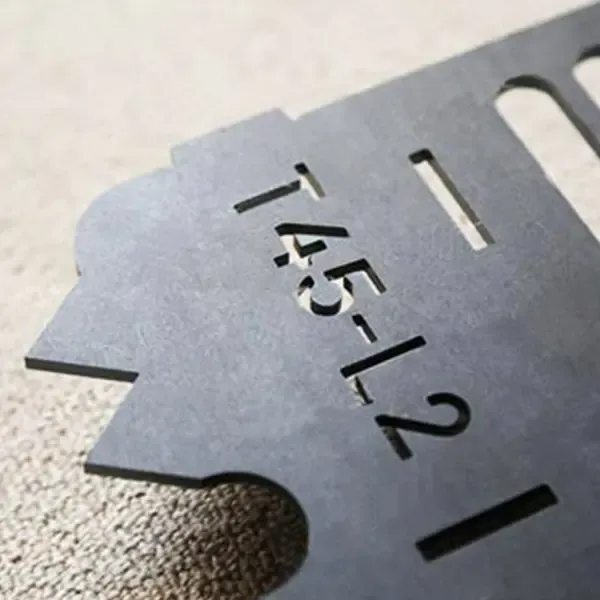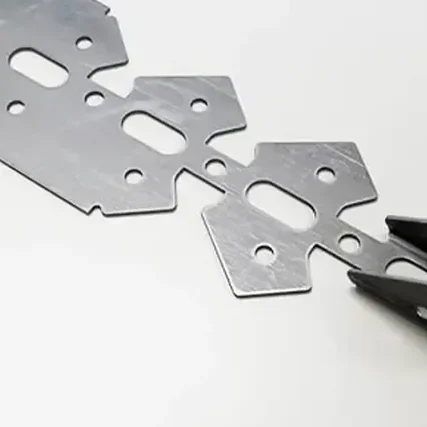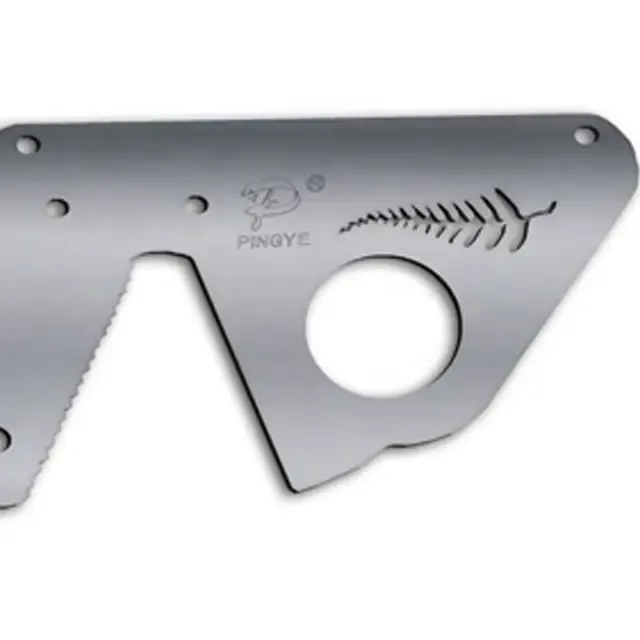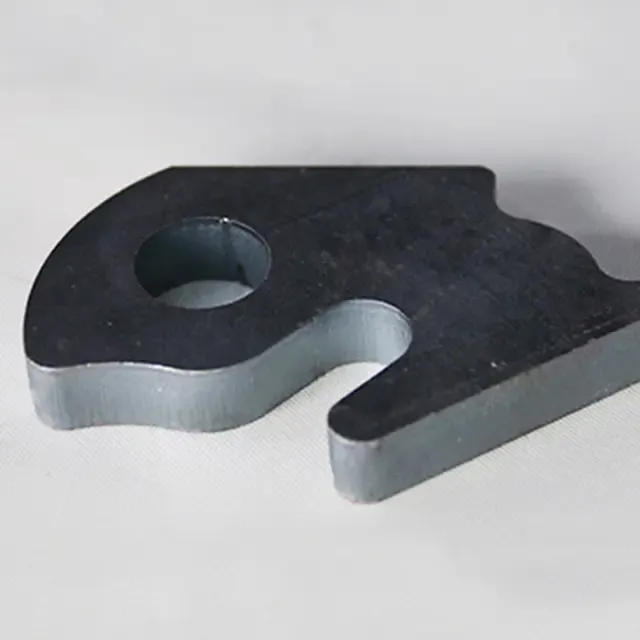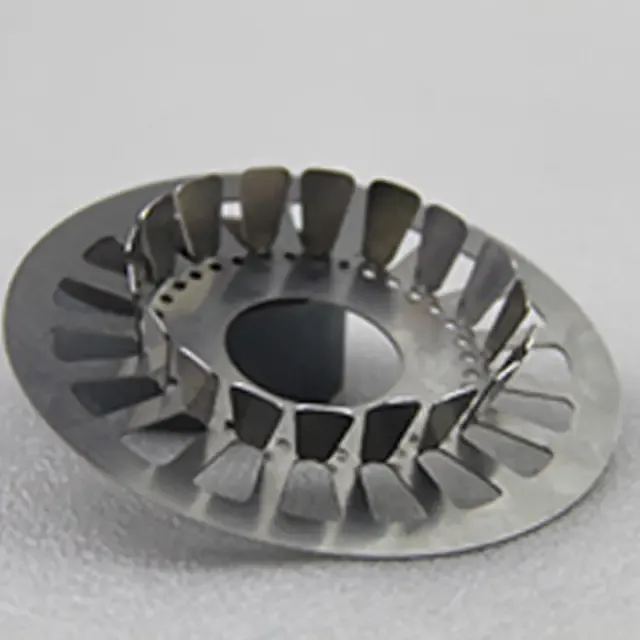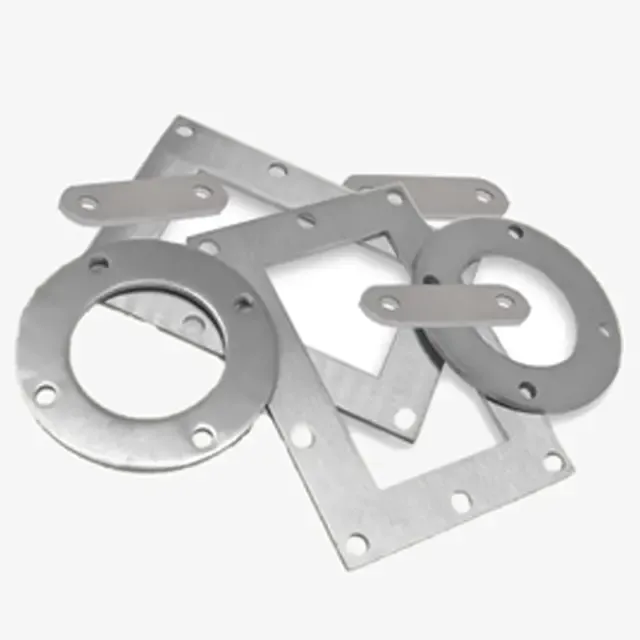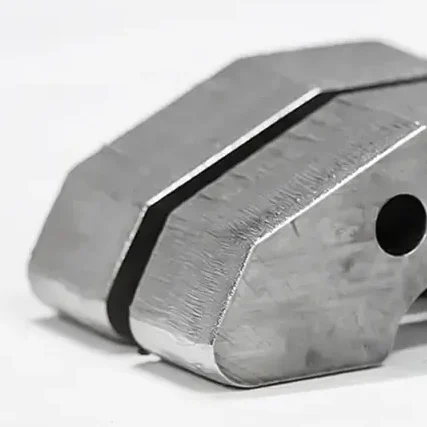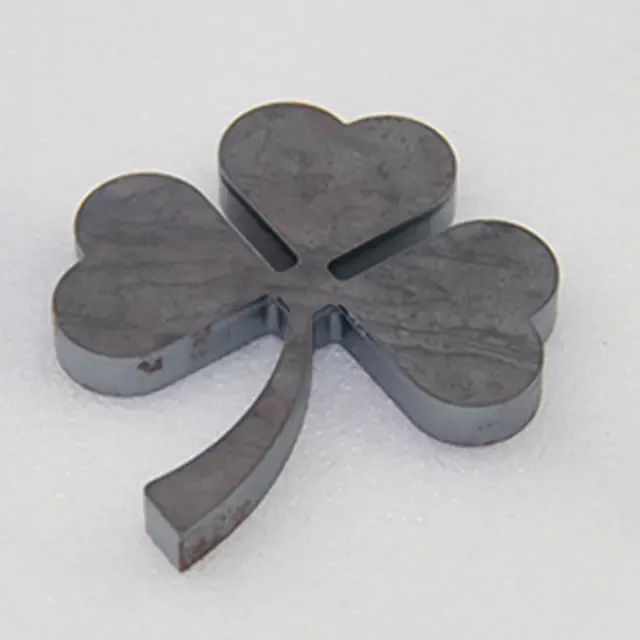



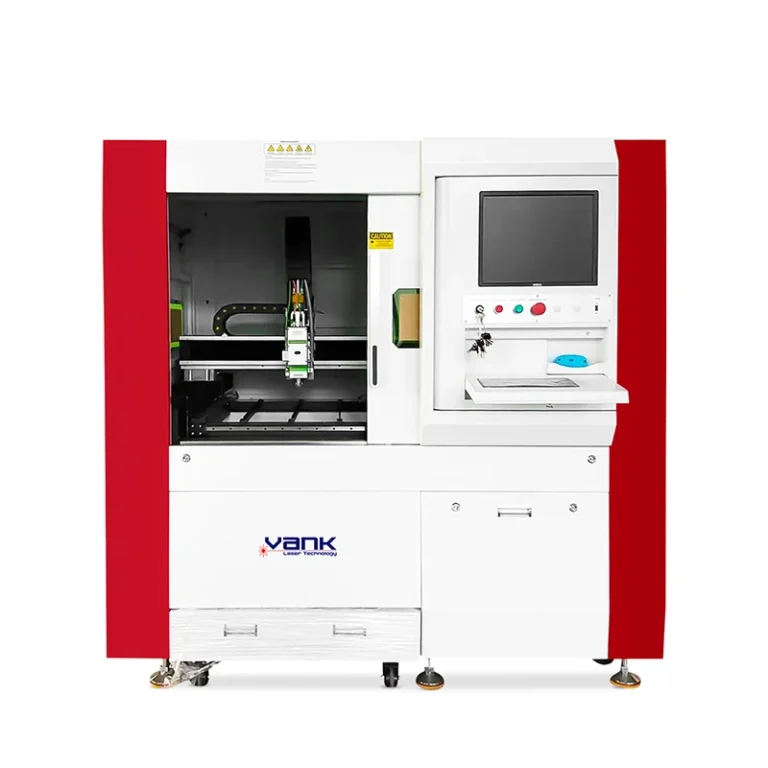
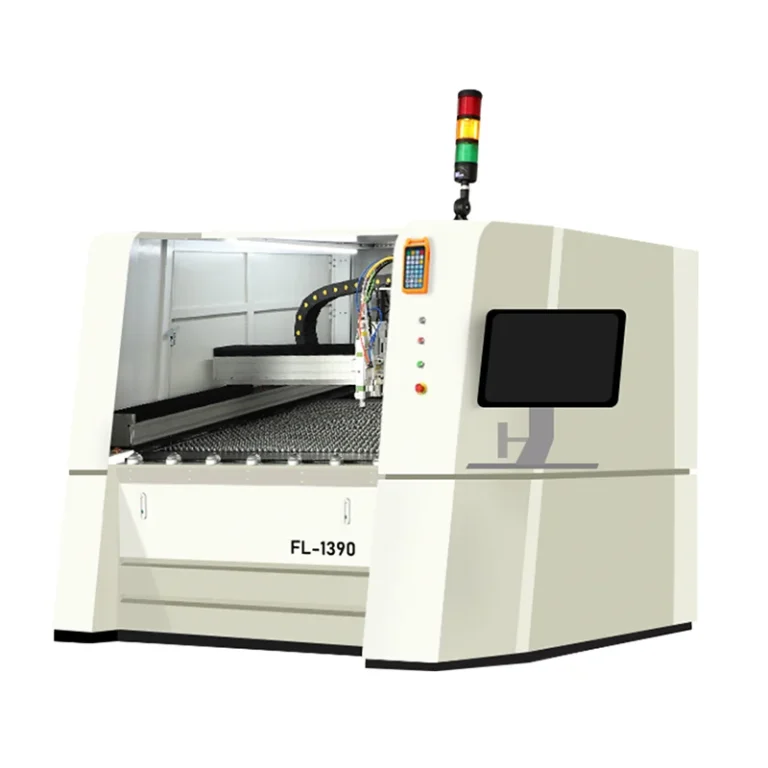
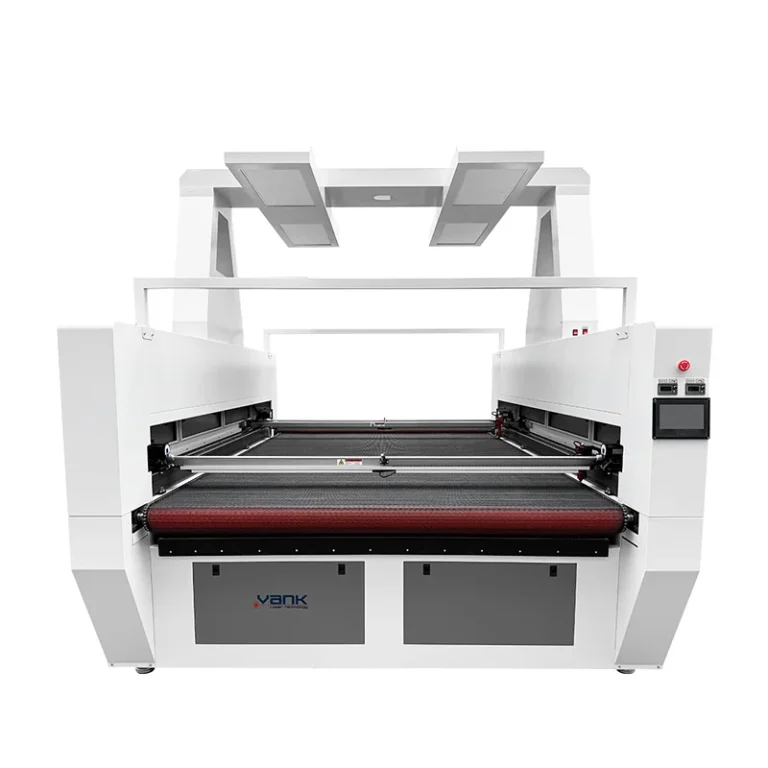
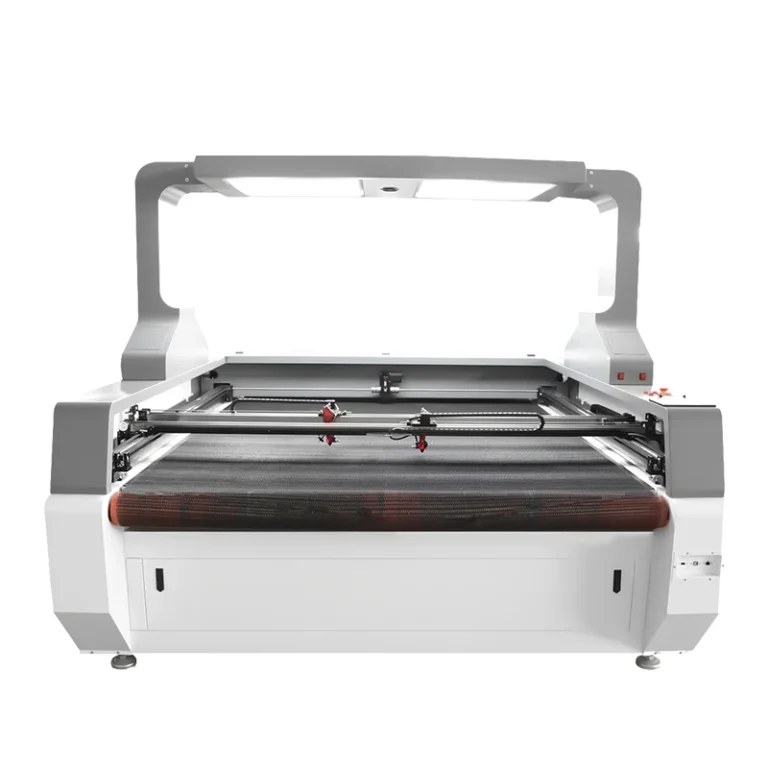
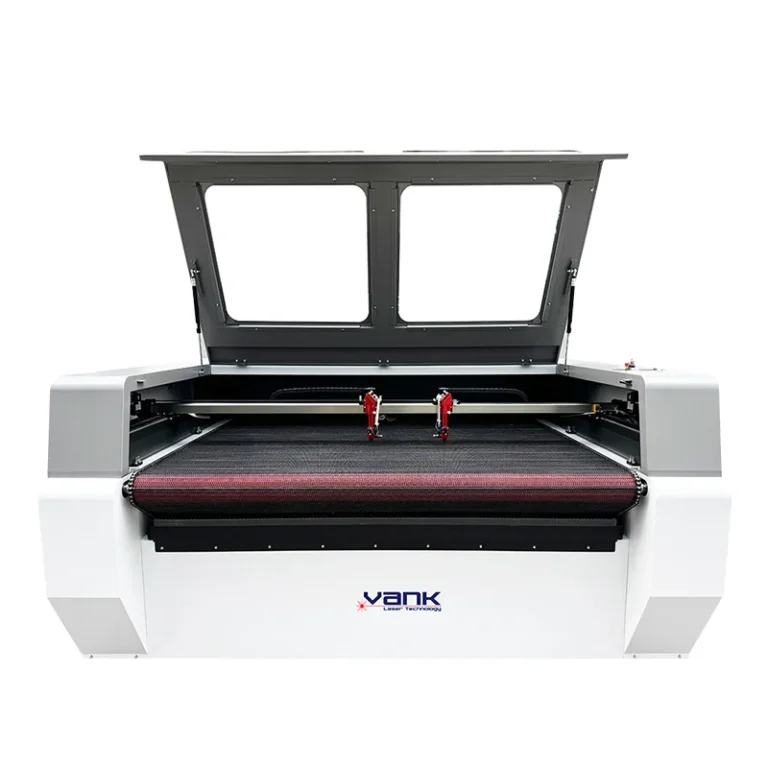
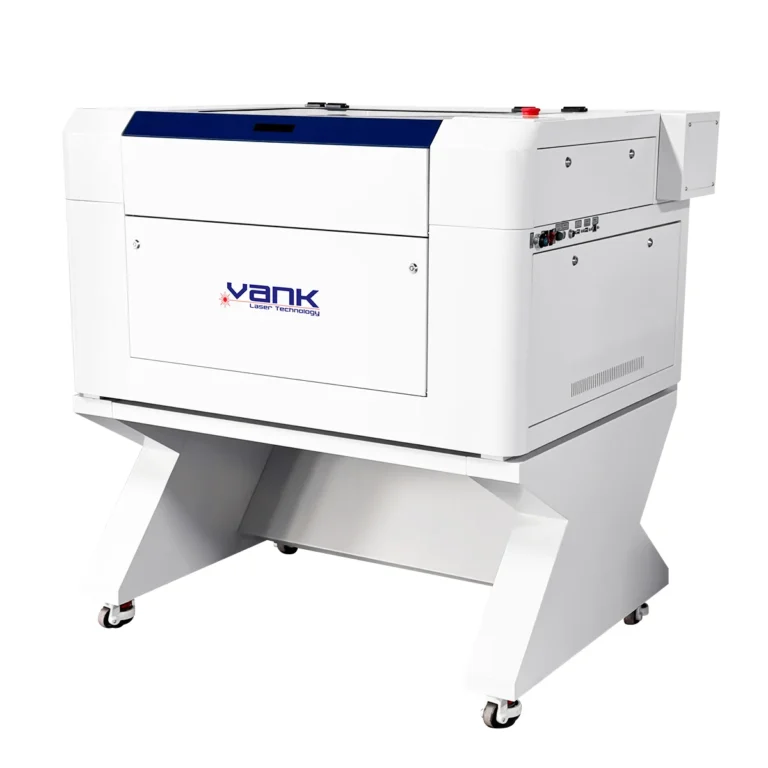
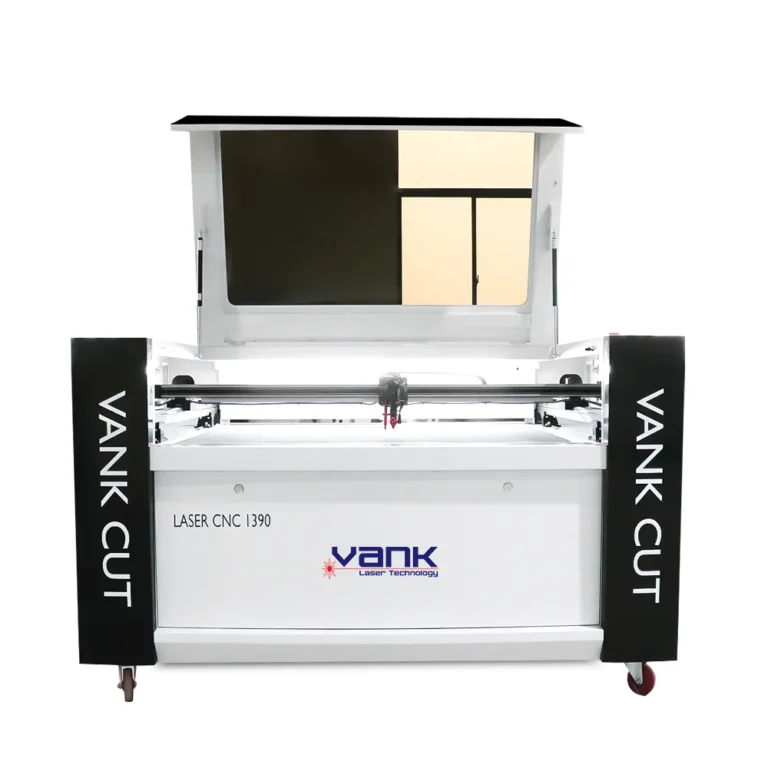
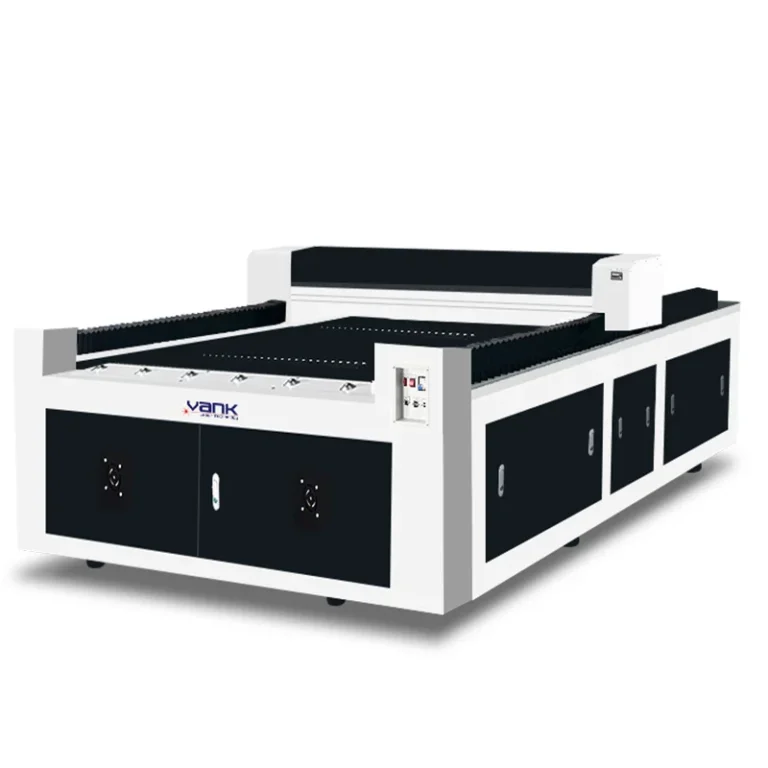
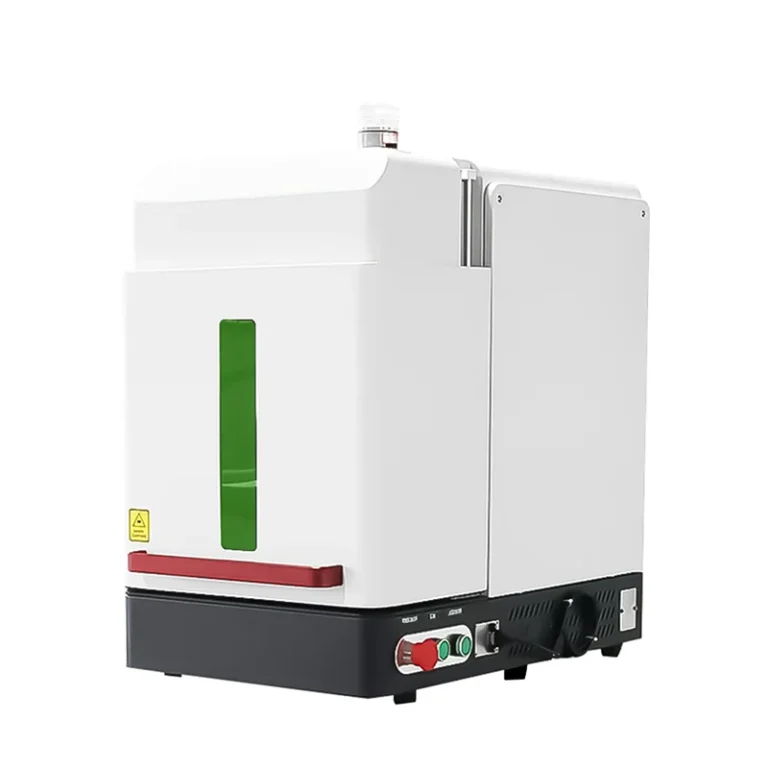
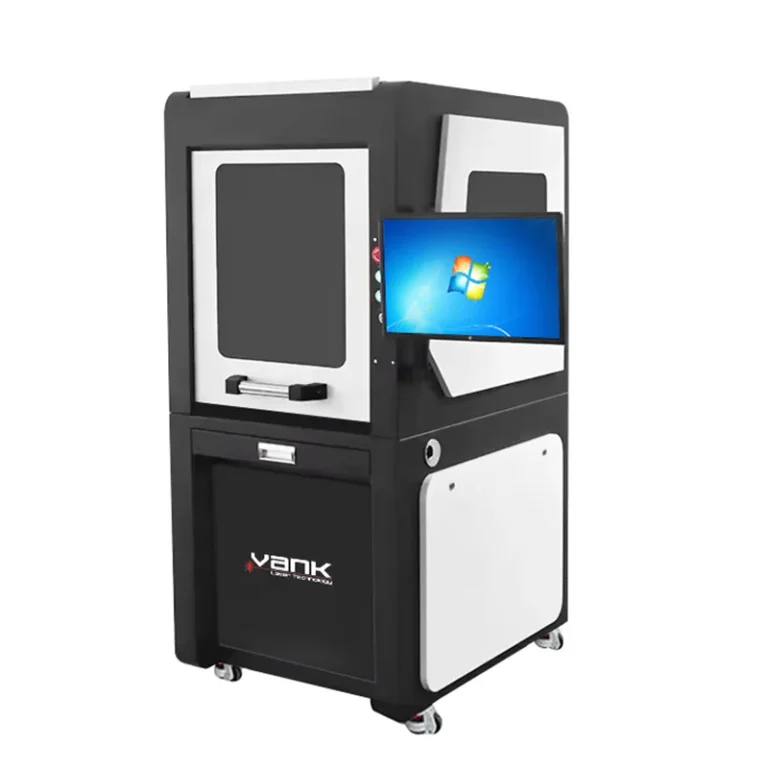
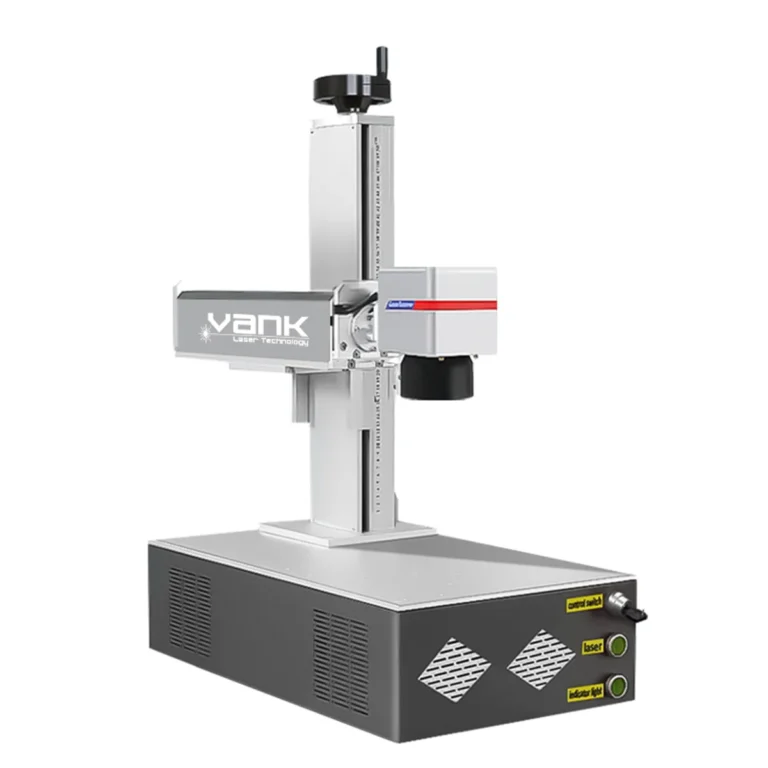
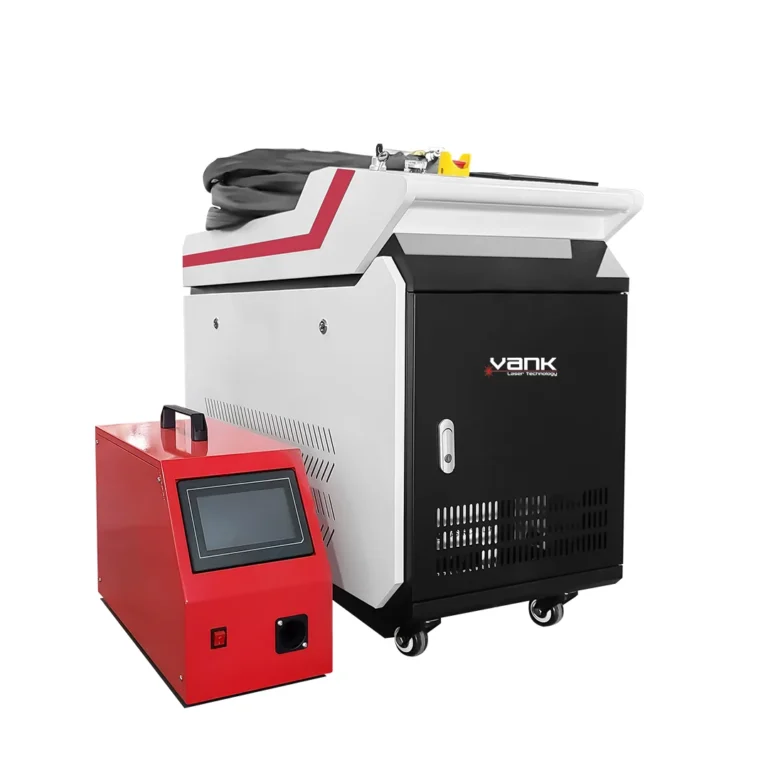
Material and cutting-process selection. Fiber laser cutting is widely used for carbon steel and mild-steel sheet, plate and fabricated parts, but grade, thickness, mill scale, rust, coating, flatness and surface quality all affect the result. Specify the exact standard and grade, material condition and thickness range rather than “carbon steel” alone. Oxygen flame cutting adds reaction energy and is often economical for thicker mild steel, but it creates an oxidized edge that may need removal before welding, powder coating or painting. Nitrogen fusion cutting can produce a lower-oxide edge and mixed-gas processes may reduce burr in suitable ranges, but gas cost, laser power and process window differ. Power, focus, nozzle, gas purity and pressure, piercing, lead-in, nesting, support and heat input must be qualified for the real job.
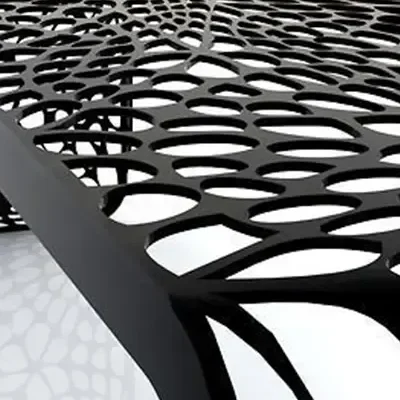
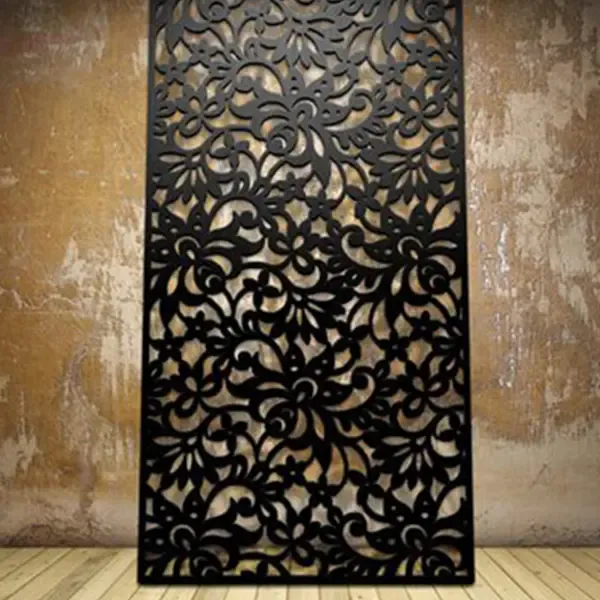
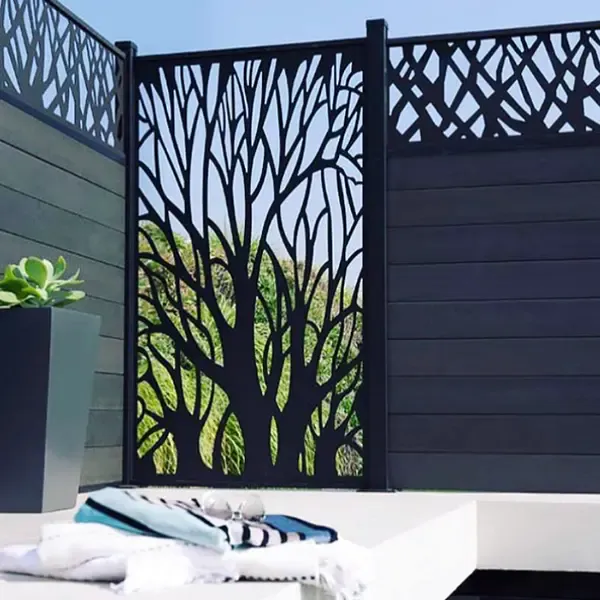
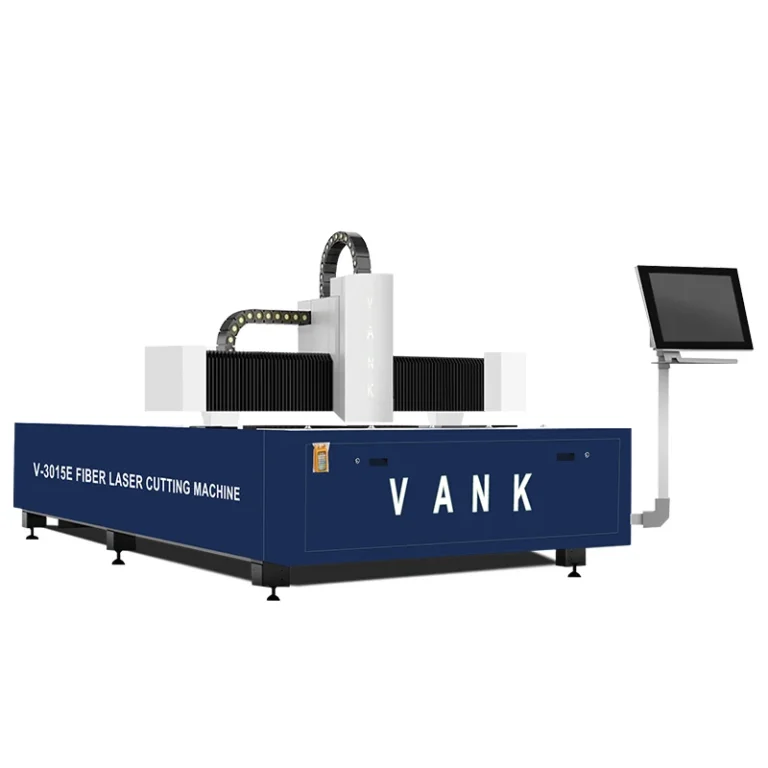
Applications, acceptance criteria and safety. Carbon steel laser cutting supports brackets, machine frames, enclosures, automotive parts, construction components, agricultural equipment, decorative screens, furniture, signs and weldments from prototypes to production batches. Approve the actual material and drawing for cut dimensions, kerf and taper, hole roundness, corner quality, surface roughness and striation, burr, dross, heat-affected zone, heat distortion, edge oxidation, part flatness and readiness for welding or coating. Fine holes, dense nesting and long narrow parts may need design or sequence changes; no-burr and no-distortion results cannot be assumed for every thickness. Use guarded equipment, controlled access, extraction, combustible-material control and safe oxygen or high-pressure-gas procedures. For a machine recommendation and sample test, provide grade, thickness range, sheet or plate size, drawings and tolerances, batch target, assist gas preference, required edge, downstream welding or coating, destination power and applicable standards.