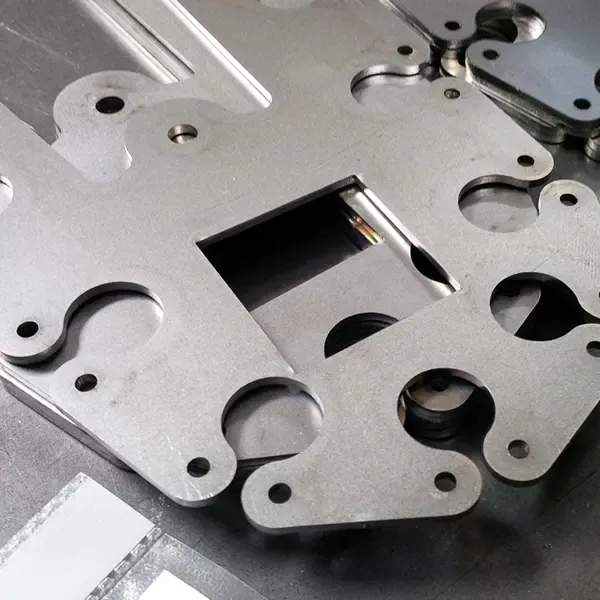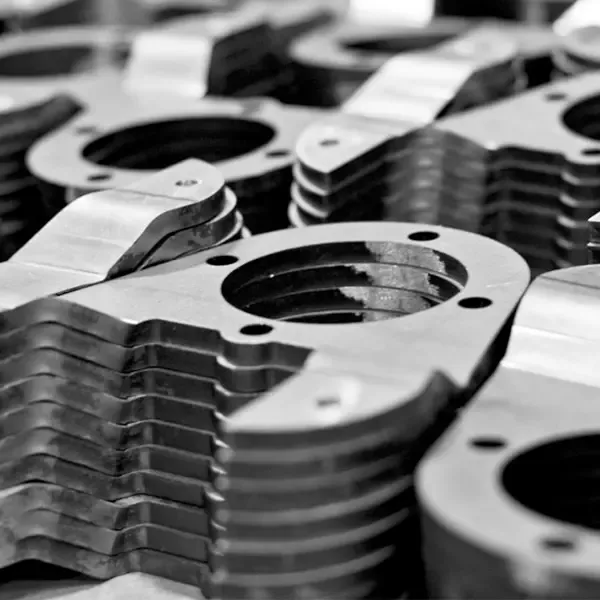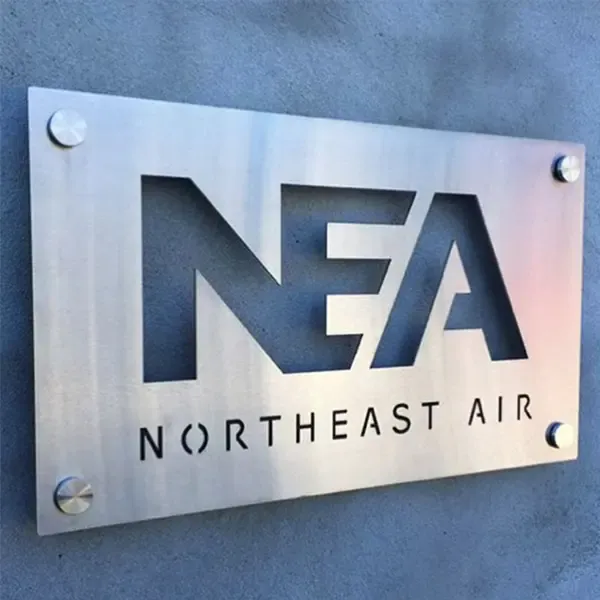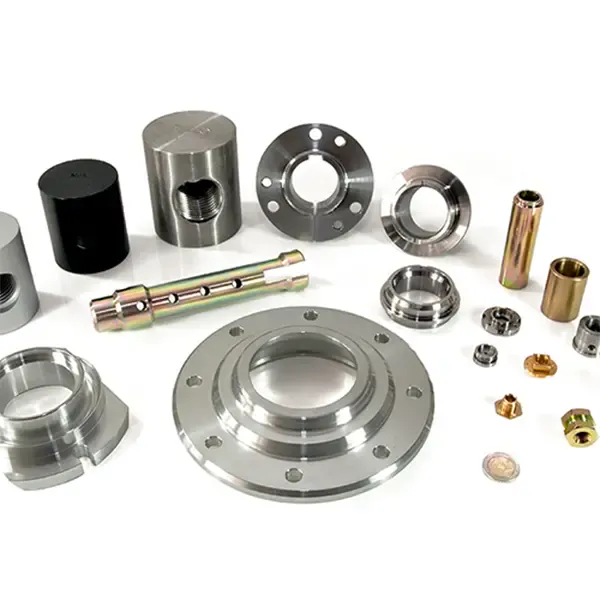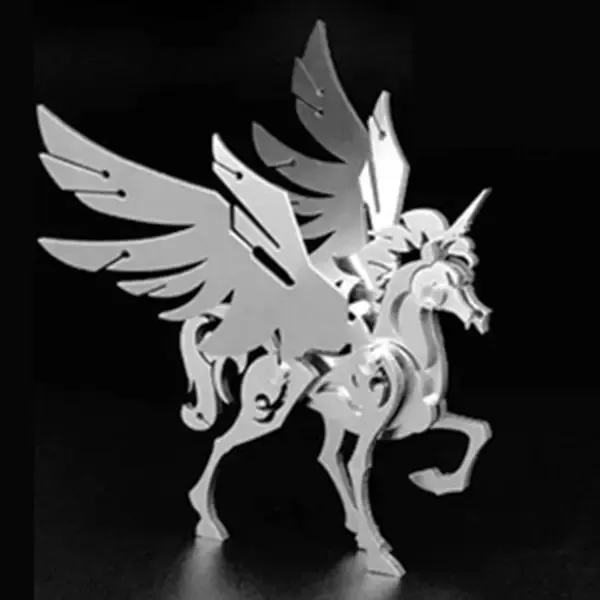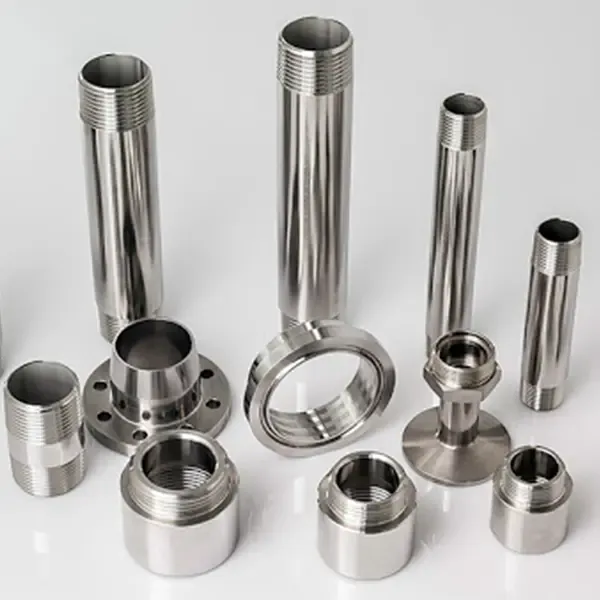



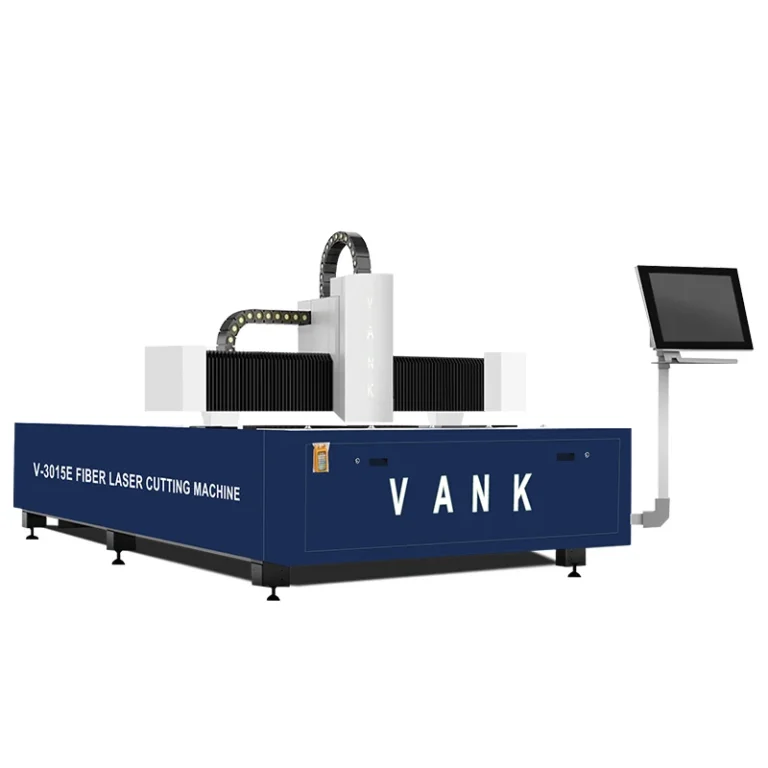
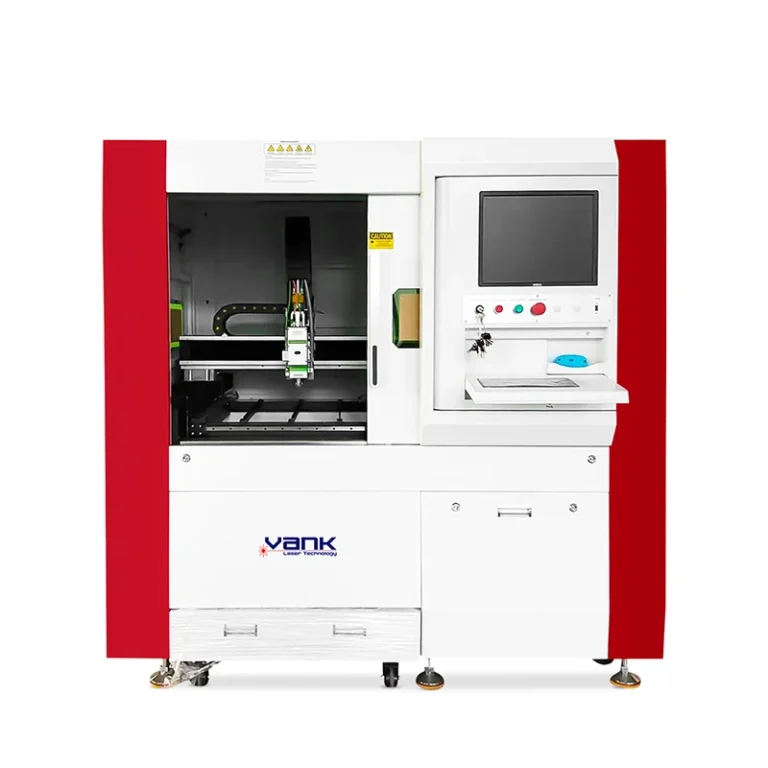
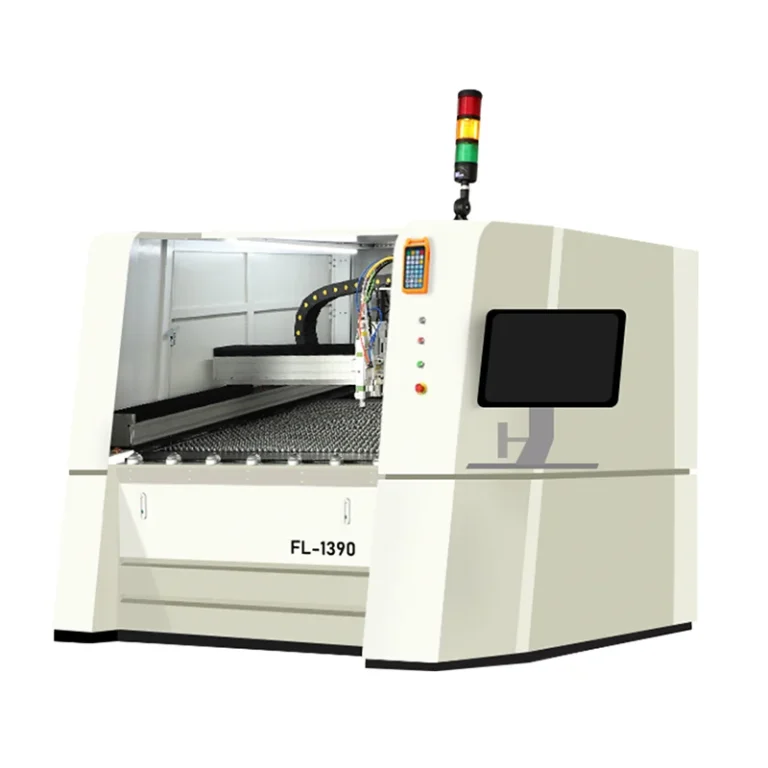
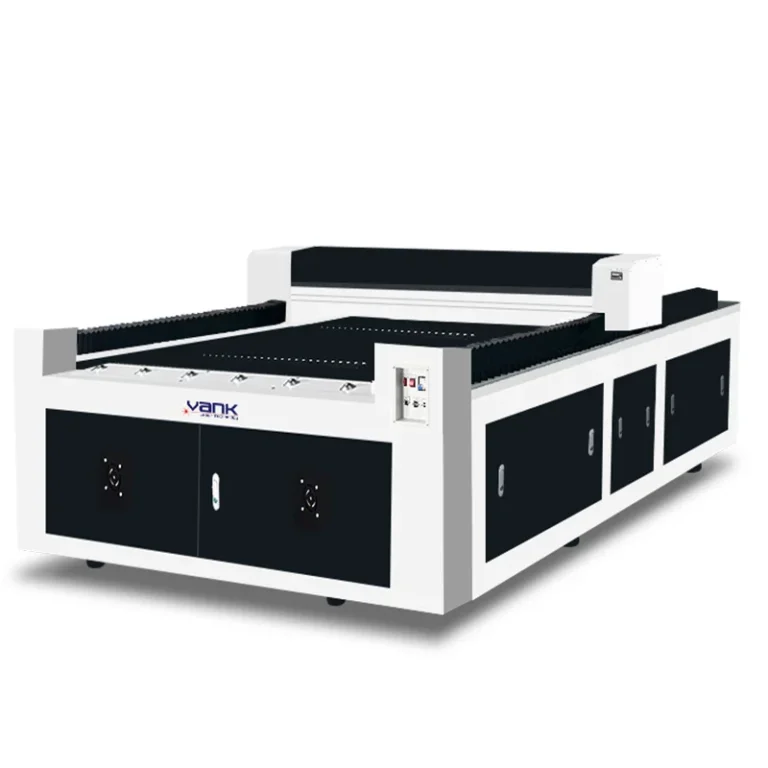
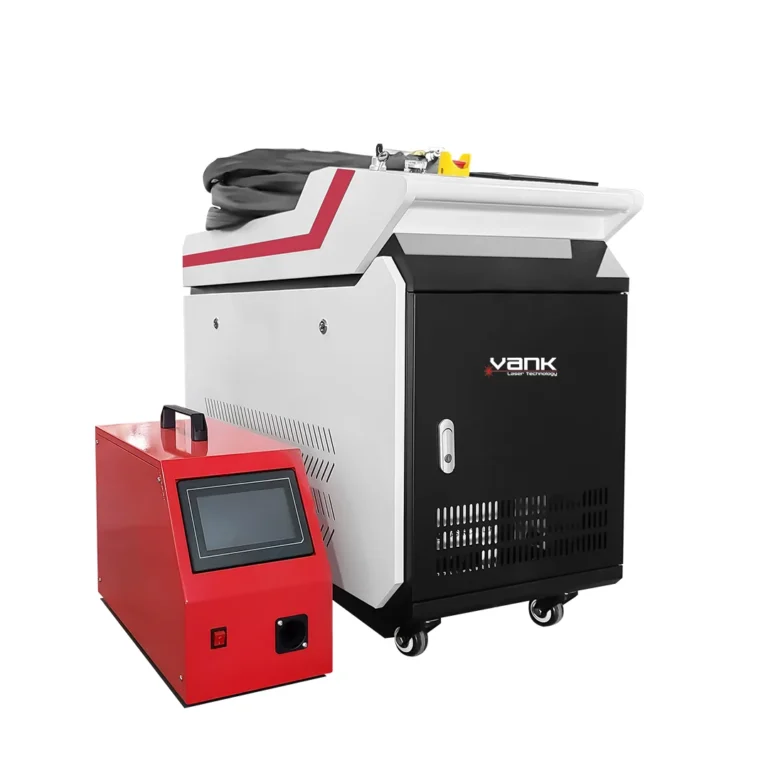
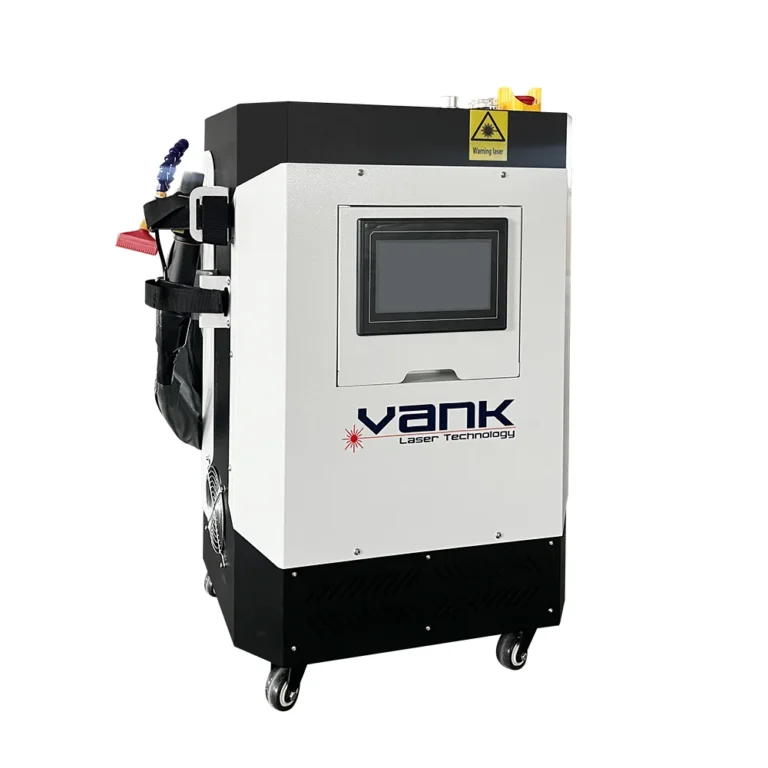
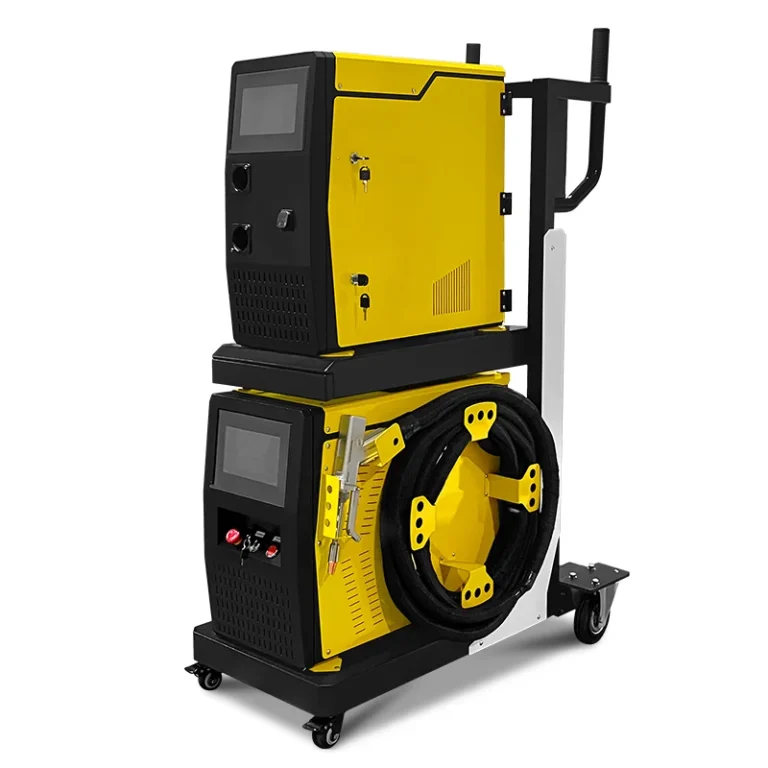
Cutting stainless sheet and tube. Industrial fiber laser cutting is used for stainless sheet, plate and tube, but the result depends on grade, thickness, finish, protective film, flatness and part geometry. Specify 304, 316, 430 or the exact alloy, along with sheet or tube dimensions and required edge condition. Nitrogen is commonly selected when a bright, low-oxide edge is important; oxygen or mixed-gas processes can change speed, dross and edge chemistry. Laser power, focus, nozzle, gas purity and pressure, piercing strategy, nesting, support and heat input must be matched to the job. Fine features, closely nested cuts and thin material can distort, while thick sections may need dross removal or secondary finishing, so “smooth and deformation-free” is not a universal result.
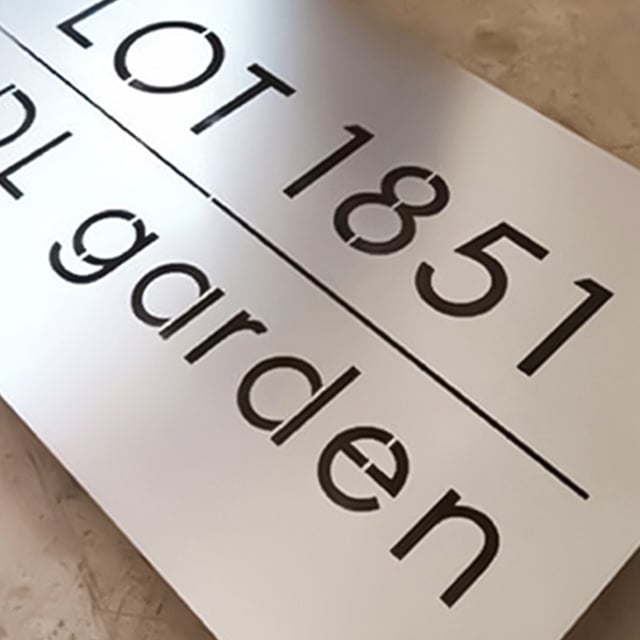
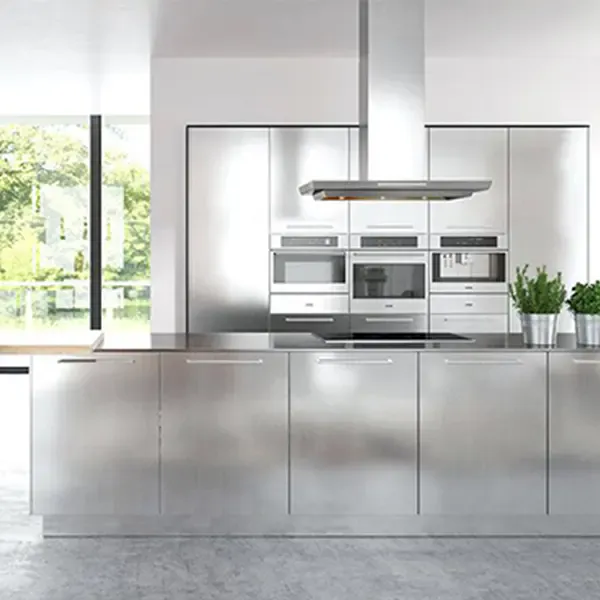
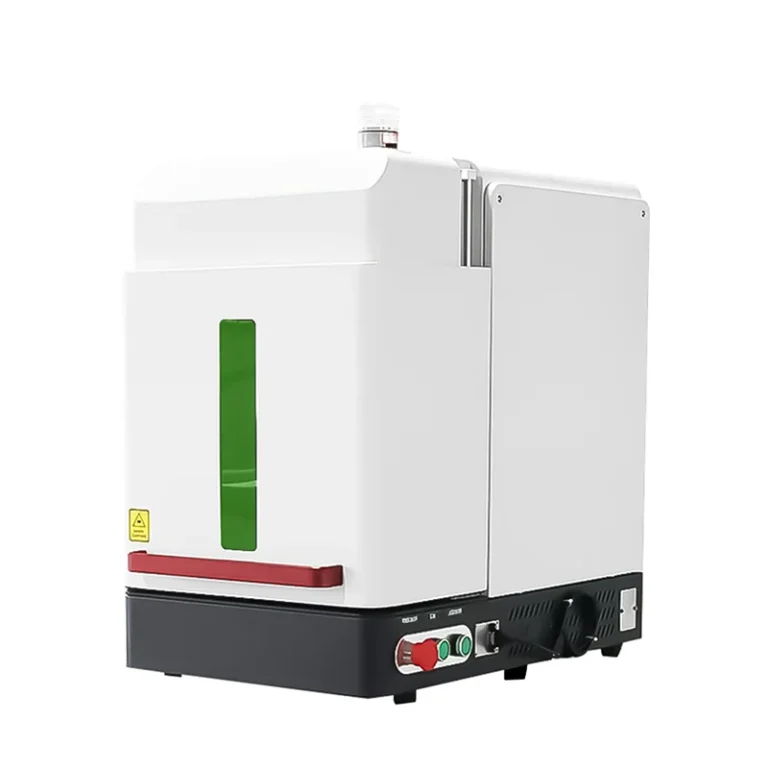
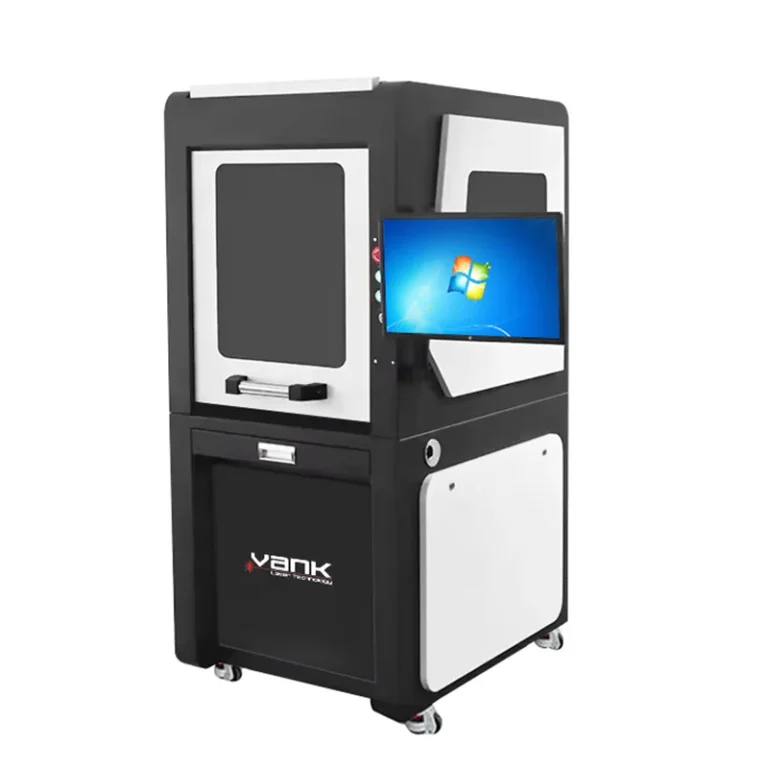
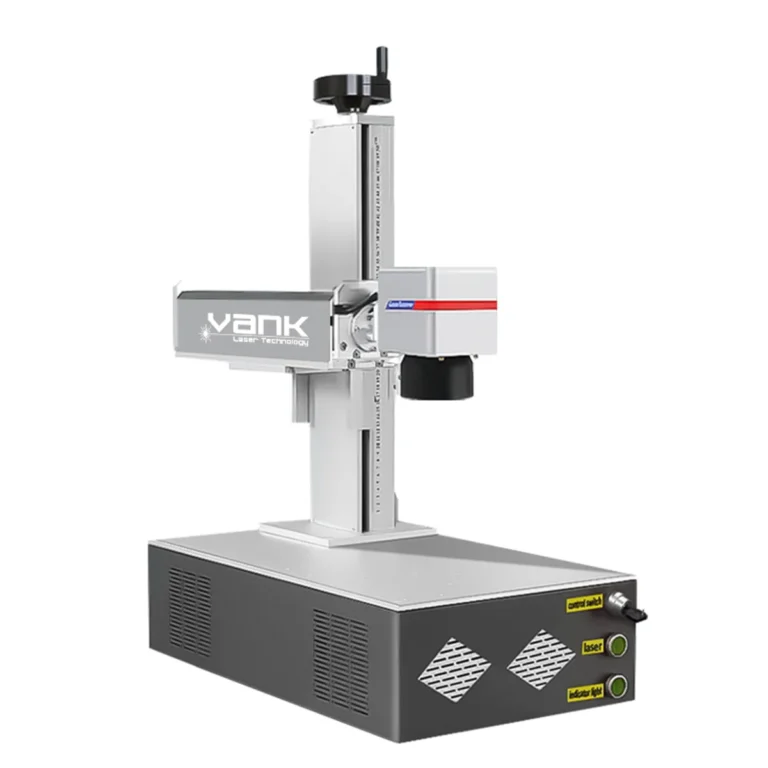
Marking, applications and acceptance. A 1064 nm fiber laser can anneal, polish, ablate or engrave stainless steel for logos, text, serial numbers, barcodes, Data Matrix codes and decorative graphics. Annealing can create a dark mark with little material removal; ablation and engraving remove material and may affect roughness, passivation and corrosion behavior. Applications include food equipment, architectural signage, appliances, automotive parts, tools, medical-device supply, enclosures, nameplates and tube components, subject to the relevant industry validation. Approve the actual alloy and finish for cut dimensions, kerf, burr, dross, heat tint, flatness, edge oxidation, mark contrast, code grade, depth, readability after cleaning and any required passivation. Use guarded equipment, controlled access, extraction and safe high-pressure-gas procedures. For a machine recommendation, provide alloy, thickness range, sheet or tube size, drawings, batch target, assist gas, edge and marking criteria, downstream finishing, destination power and applicable standards.