

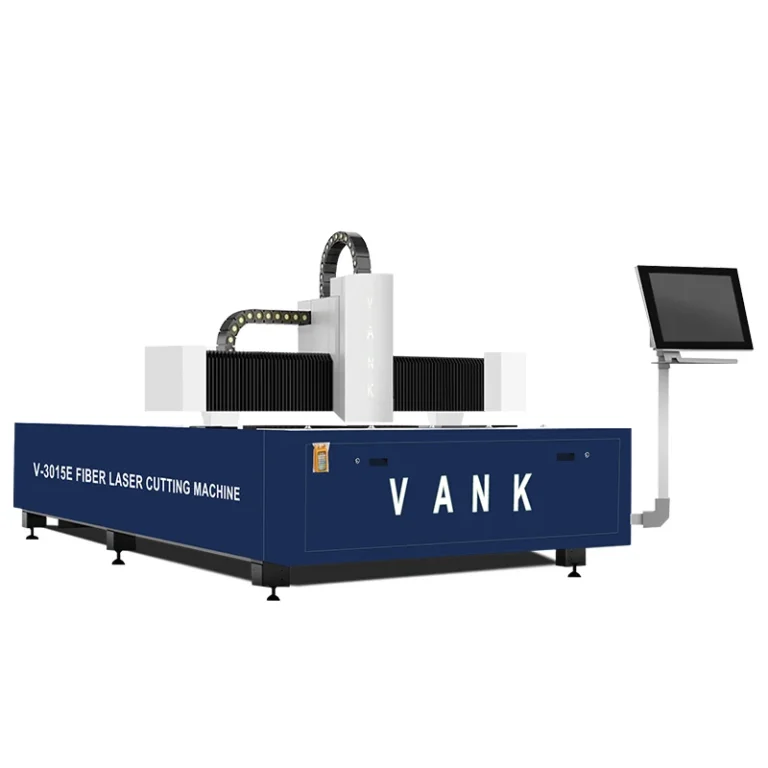
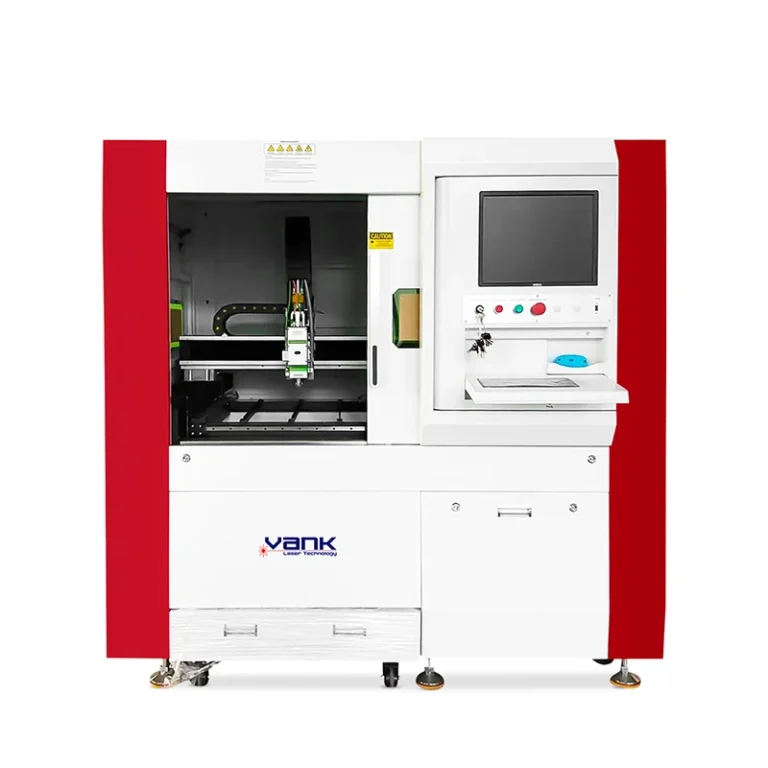
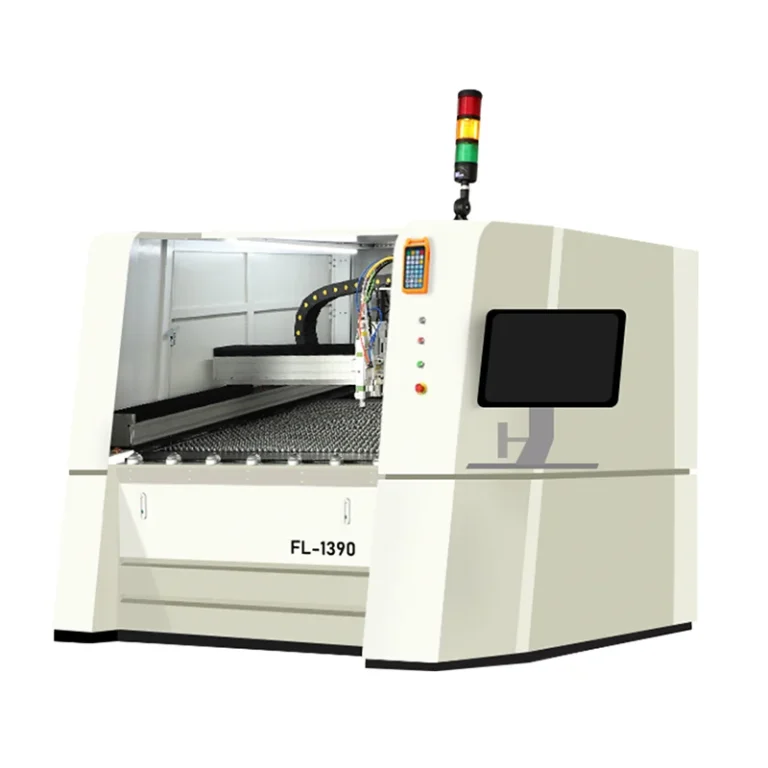
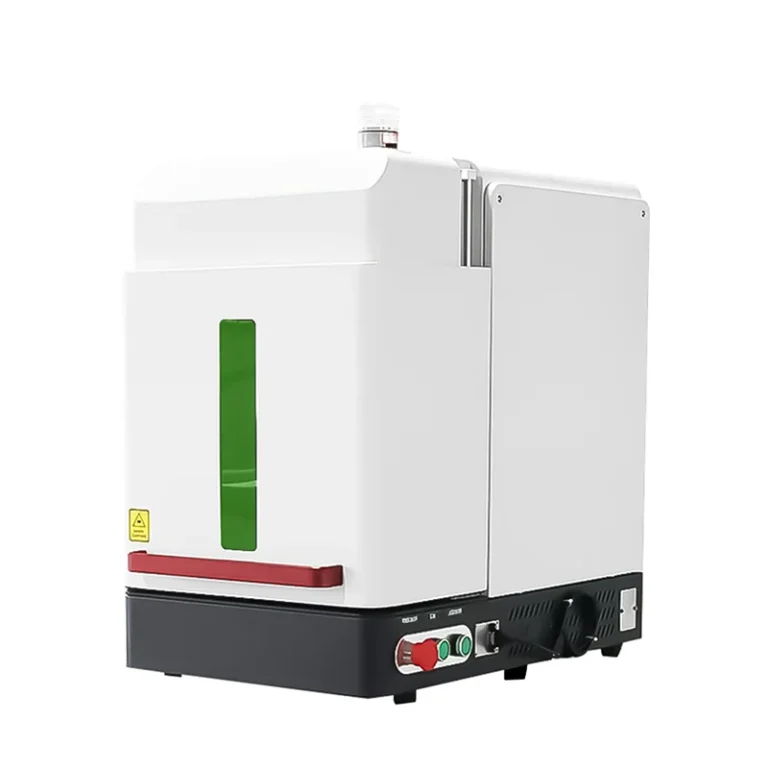
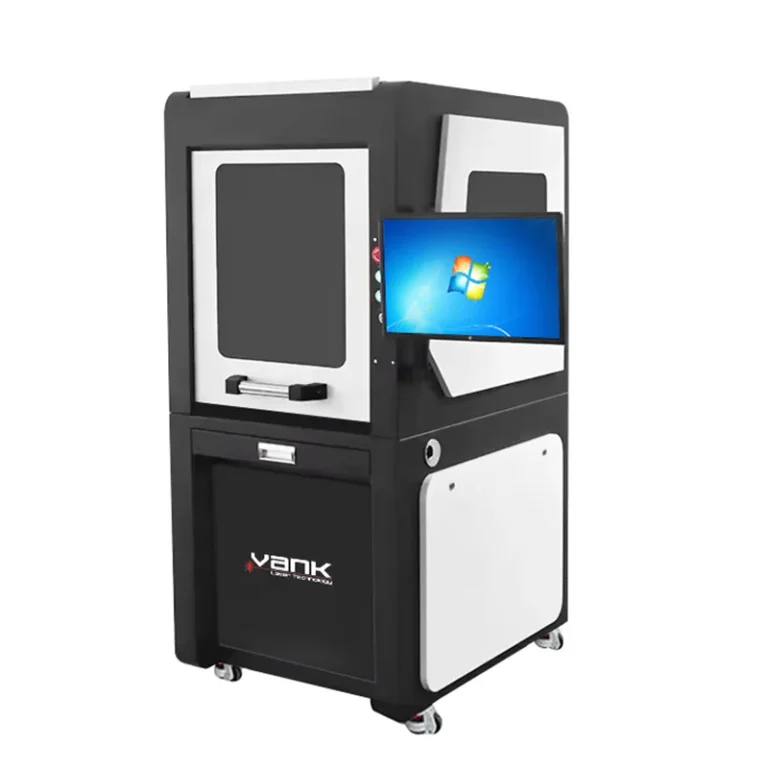
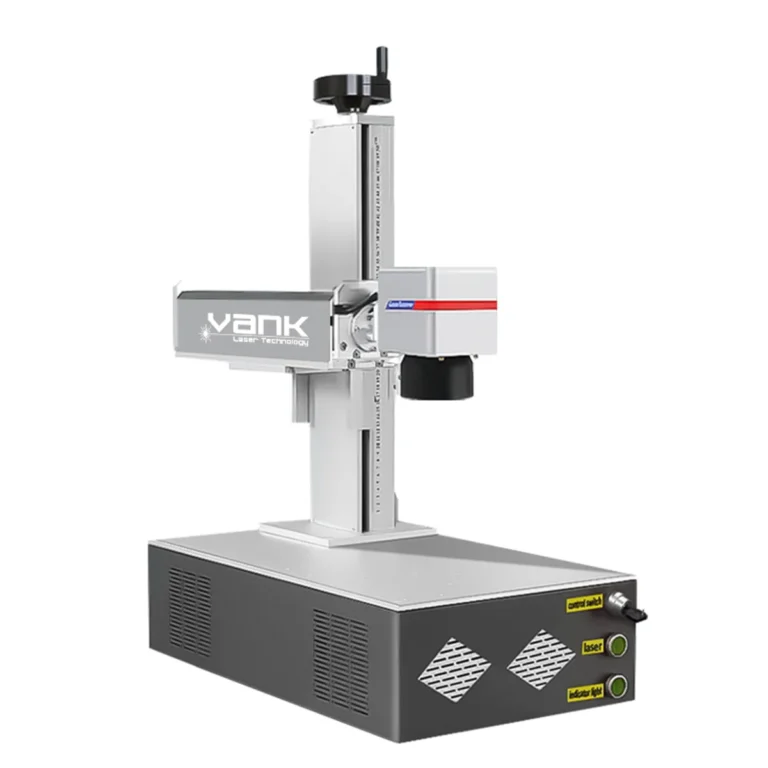
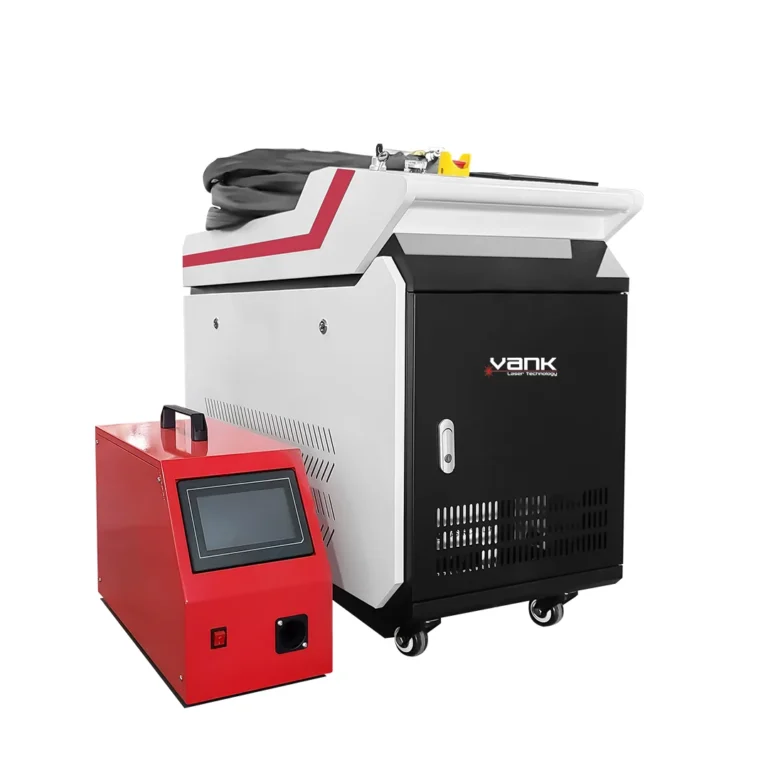
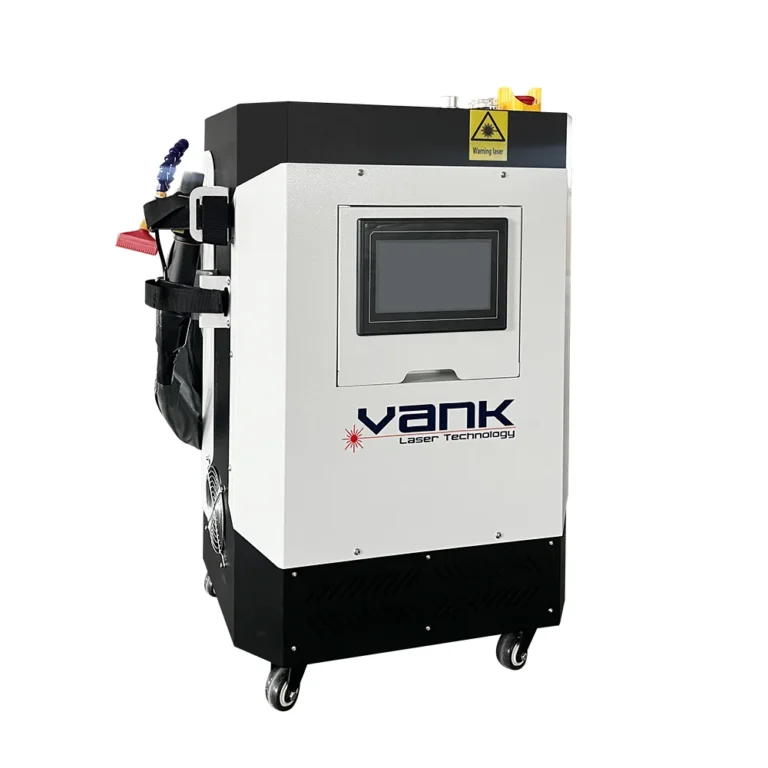
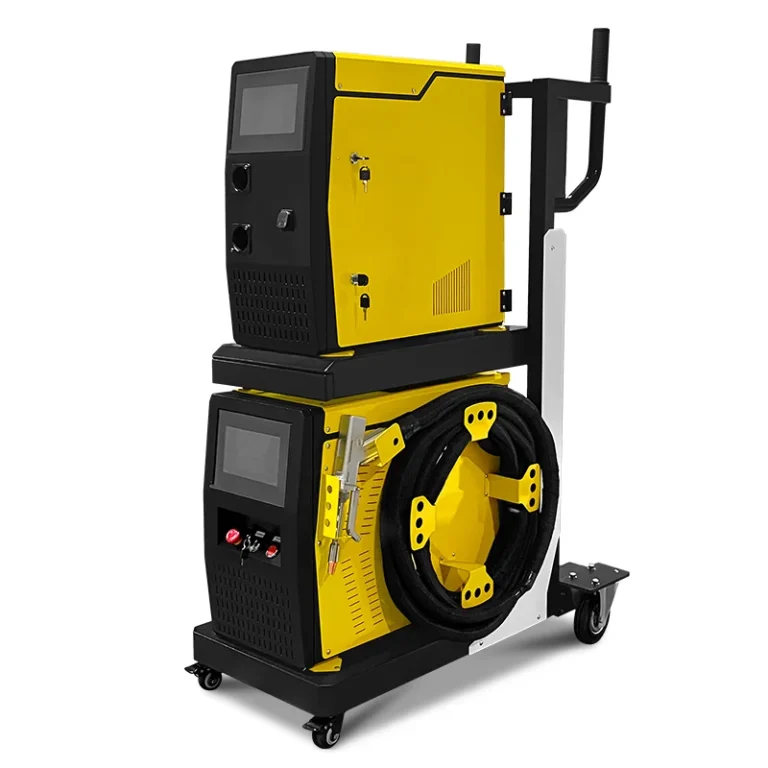
Non-ferrous metal cutting and marking require separate process qualification. Industrial continuous-wave fiber systems can cut aluminum, brass, copper and titanium sheet or tube when the machine, laser source and optical train are rated for the material. Exact alloy, thickness, temper, surface finish, coating, flatness, reflectivity and thermal conductivity affect piercing and cut stability. Qualify laser power, focus, nozzle, assist-gas type and purity, pressure, lead-in, nesting and protective film on the real stock. Highly reflective metals require manufacturer-approved equipment, beam-path protection, guarding and controlled access. Pulsed fiber or MOPA systems are normally evaluated separately for metal annealing, engraving, ablation or coating removal; a marking workstation is not automatically a metal-cutting machine.
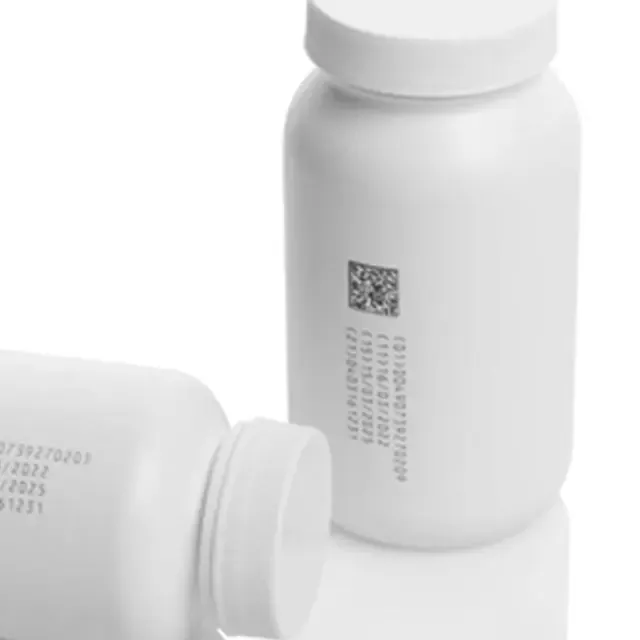
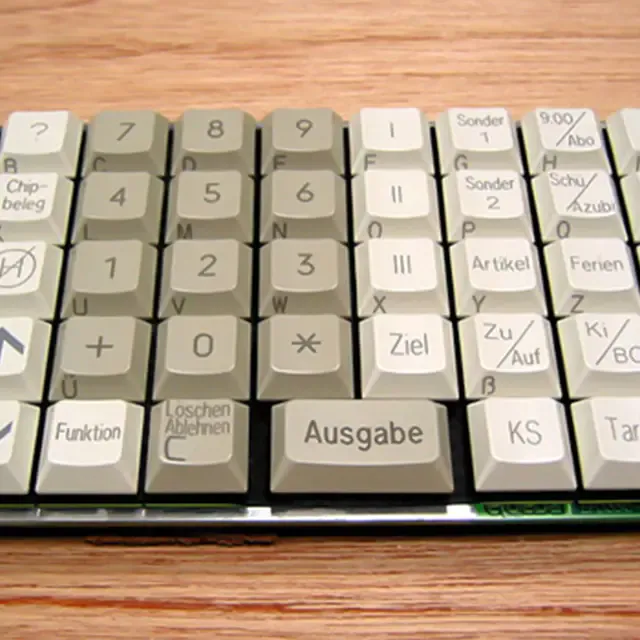
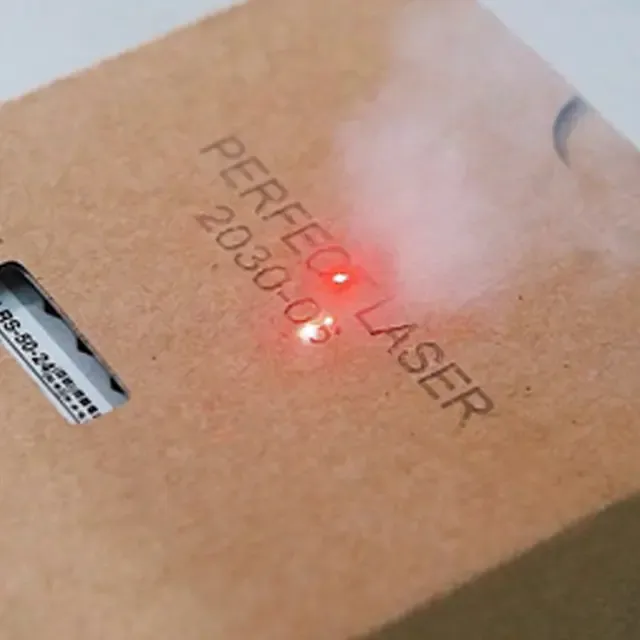
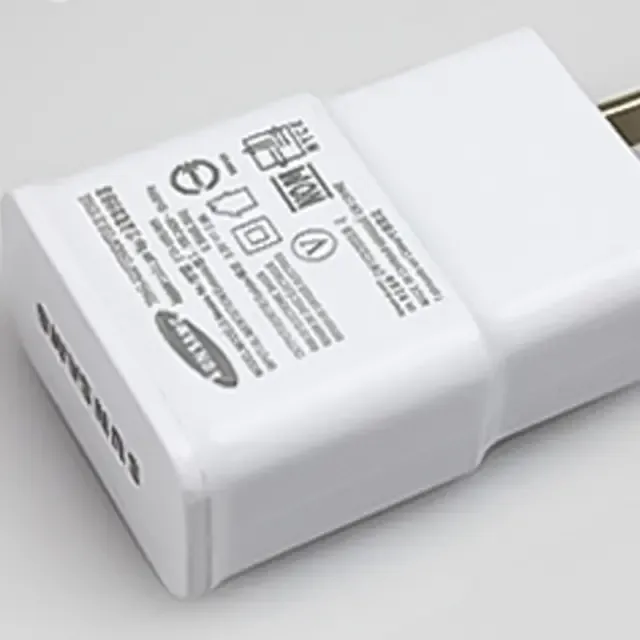
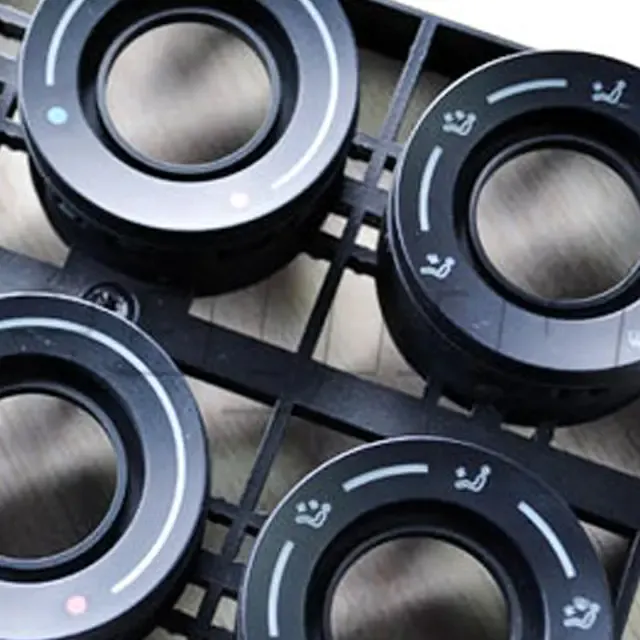
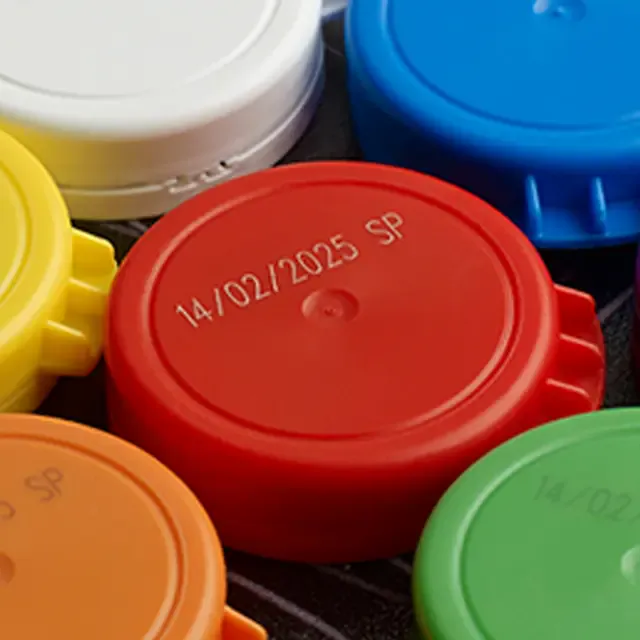
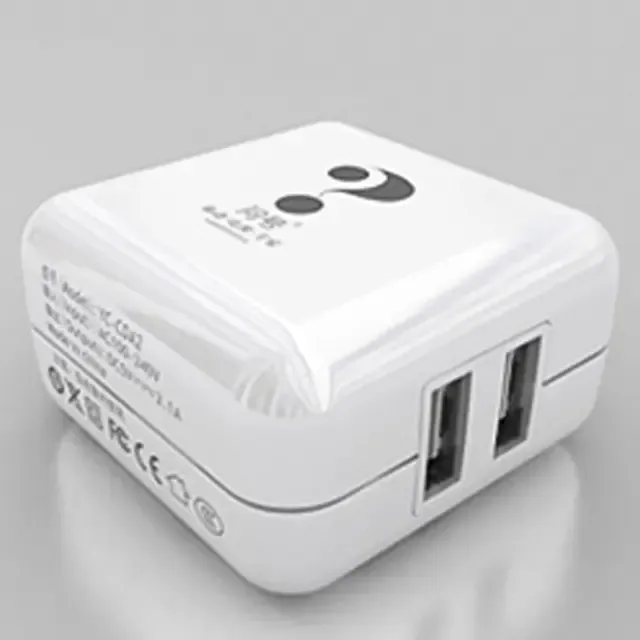
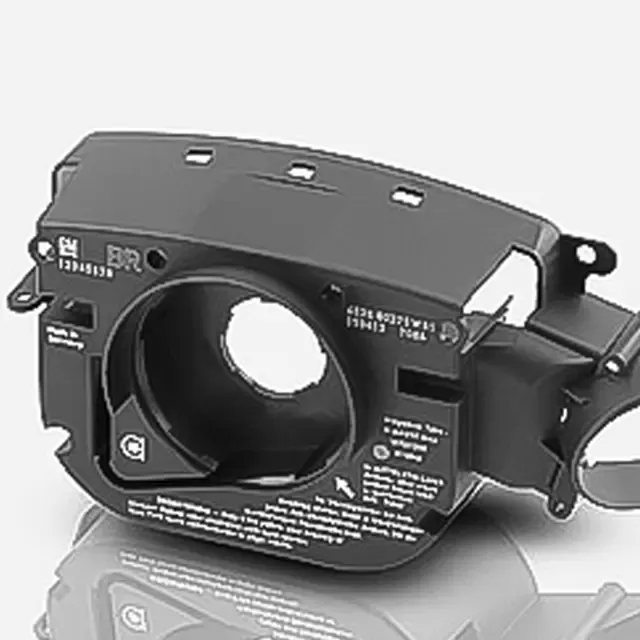
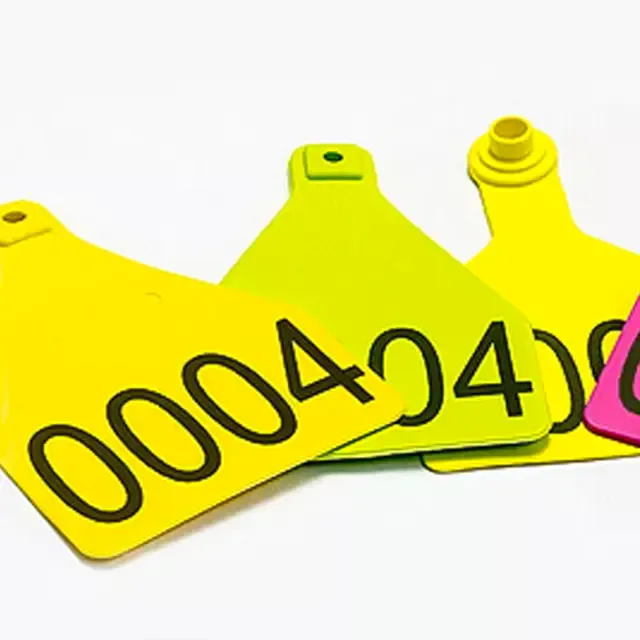
Plastic laser marking depends on the exact formulation. The gallery shows plastic and coated product-marking examples rather than metal-cutting results. UV, fiber/MOPA or CO2 sources may create color change, foaming, engraving or coating removal depending on the resin, pigment, laser additive, filler, coating and heat sensitivity. ABS, PC, PA, POM, PEEK, PMMA, silicone and other polymers must be tested by grade and color; similar-looking parts can react differently. Review the supplier specification and safety data before processing, and do not laser-mark PVC, halogenated polymers or unidentified compounds. Use extraction sized for the material and process, because fumes and particles vary with polymer chemistry and mark mechanism.
Release production against measurable acceptance criteria. Use representative parts, stable fixturing and the correct field lens to keep flat, curved or molded surfaces in focus. Define mark location, character size, minimum line width, contrast, depth or surface change, edge quality and cycle time. For serial numbers, Data Matrix or QR codes, verify content, quiet zone, grade and readability with the intended scanner; a logo or unverified code alone does not provide anti-counterfeiting. Test abrasion, cleaning agents, solvents, heat, humidity, UV exposure or sterilization when the product requires it. For cut metal, inspect kerf, taper, burr, dross, edge oxidation, heat-affected zone and flatness. Operate within an enclosed or documented risk-controlled system with interlocks, trained personnel, extraction and routine checks of optics, focus, fixtures and verification equipment.