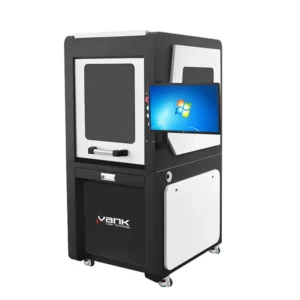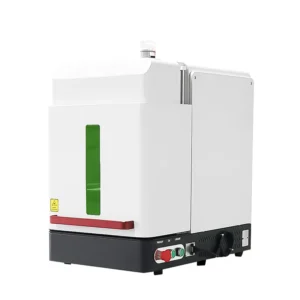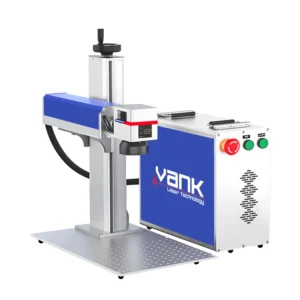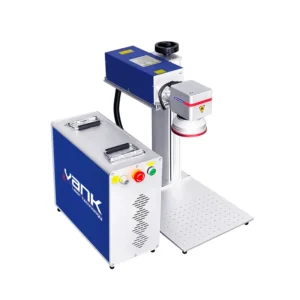



Application and model selection
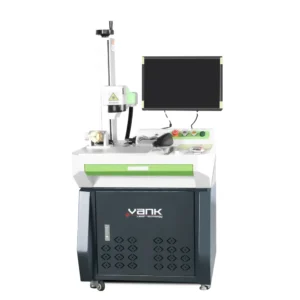
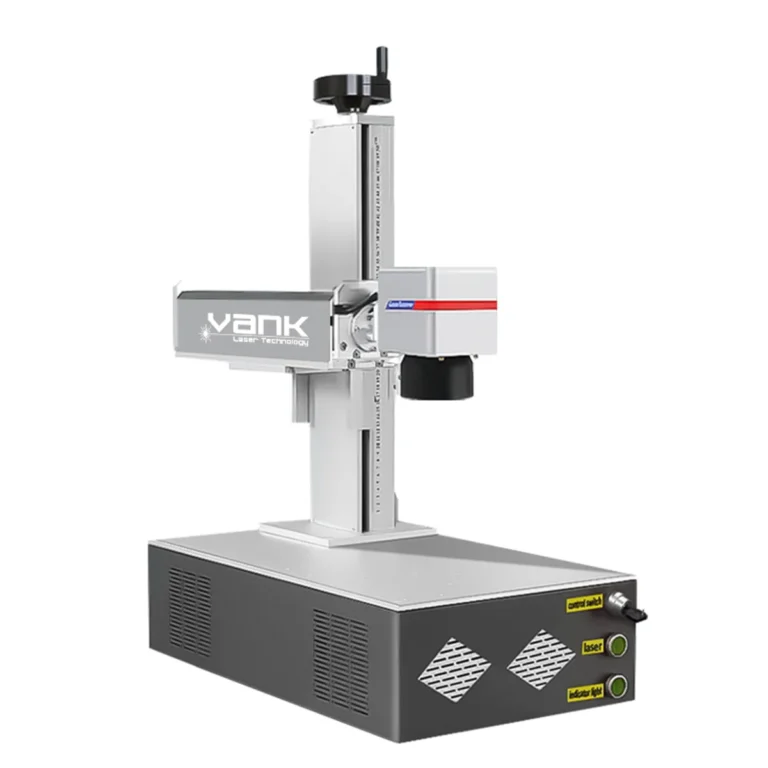
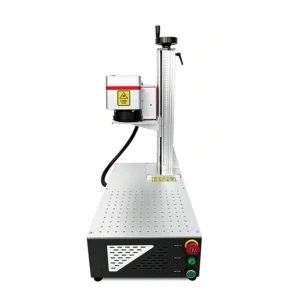
Choose the JPT-source version when the source brand and documented pulse characteristics are part of your specification. The compact bench layout needs a stable fixture and checked focal height. Request the exact JPT model and its cooling requirements rather than assuming all 5–20 W sources share one pulse range or chiller.
Configuration and specifications
| Parameter | Product configuration |
|---|---|
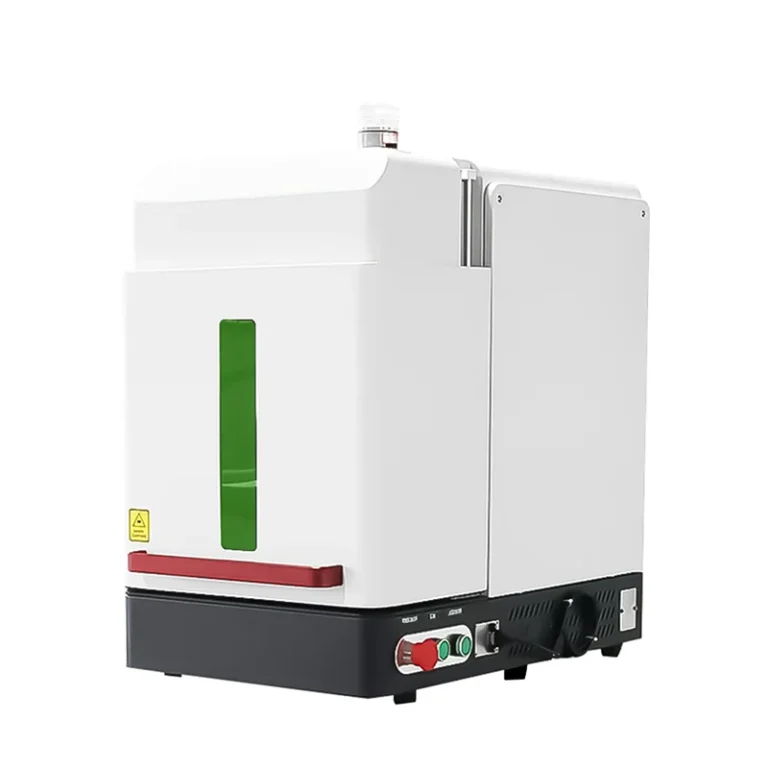
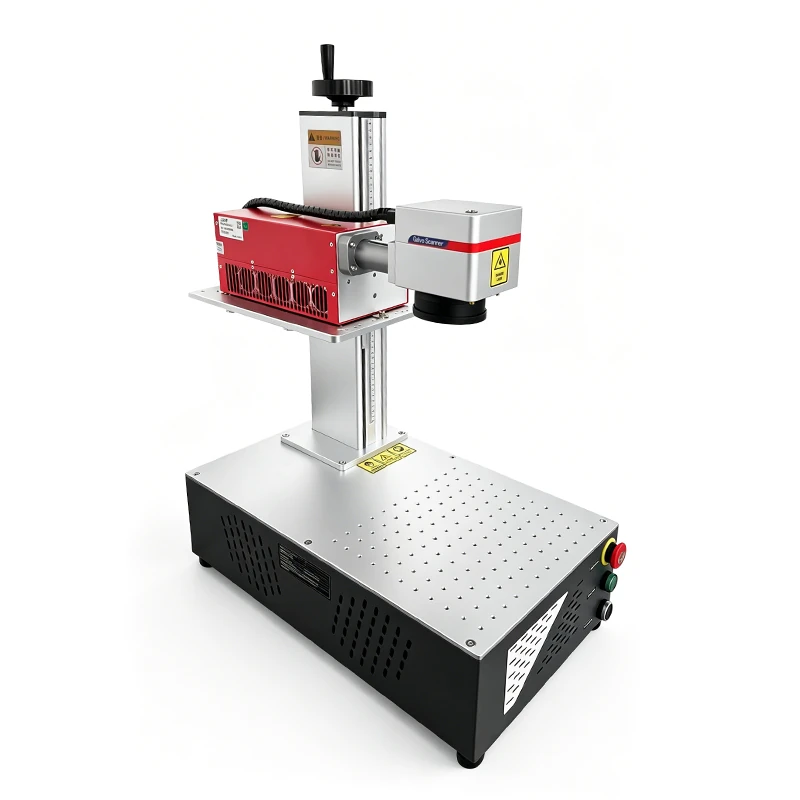
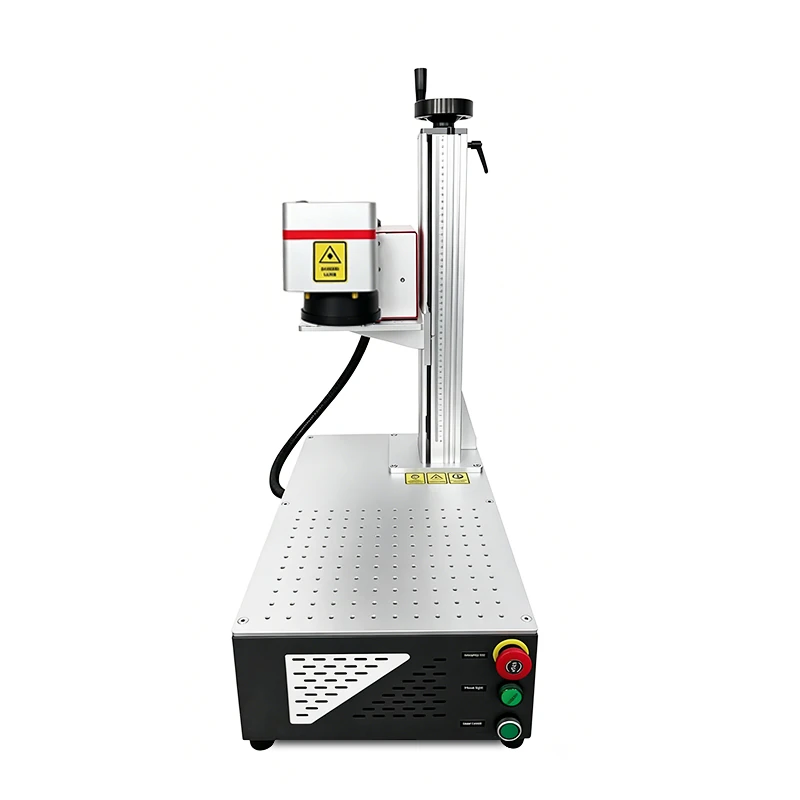
| Machine format | Compact bench-mounted UV workstation |
| Laser power options | 5 / 10 / 15 / 20 W |
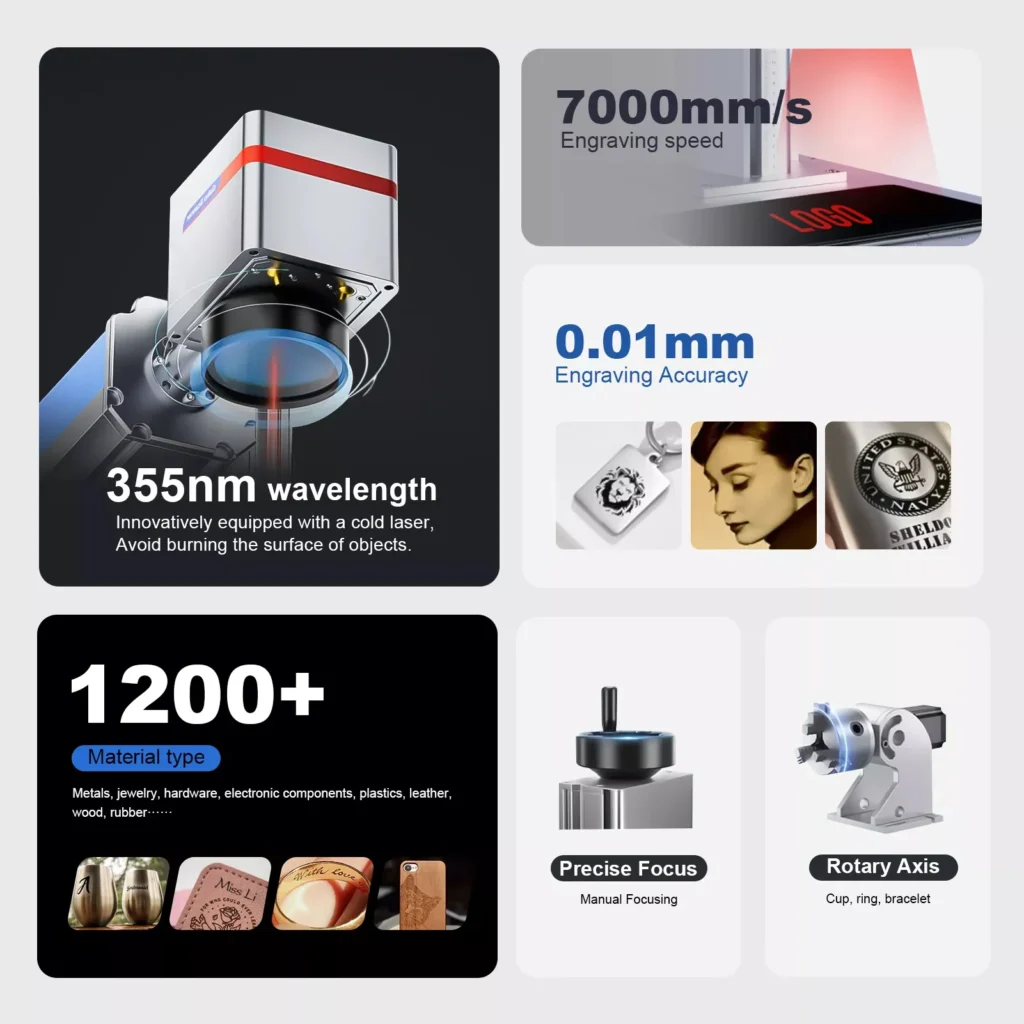
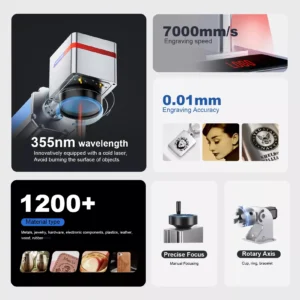
| Nominal wavelength | 355 nm |
| Laser source | JPT |
| Marking field | 70 × 70 to 200 × 200 mm; larger field by confirmed lens |
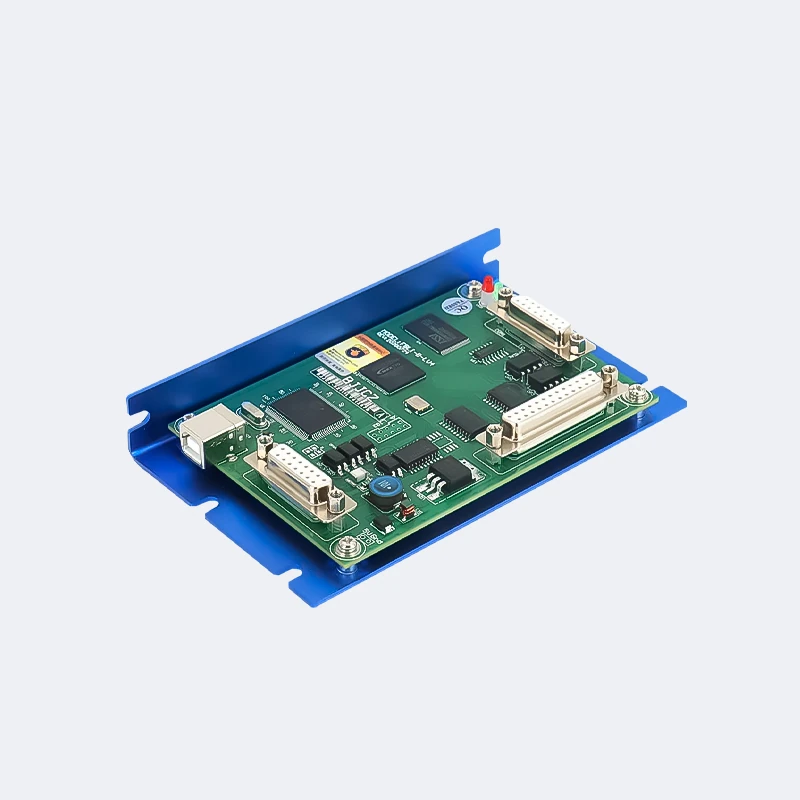
| Controller / software | JCZ / EZCAD2; exact board and software confirmed |
| Cooling | Source-matched cooling; confirm air or water requirements |
The values below identify this product and its listed options. The selected source, optics, controller, accessories and site utilities must be named in the quotation. Motion speed and positioning figures do not establish finished-part tolerance or production throughput.
Materials and process limits
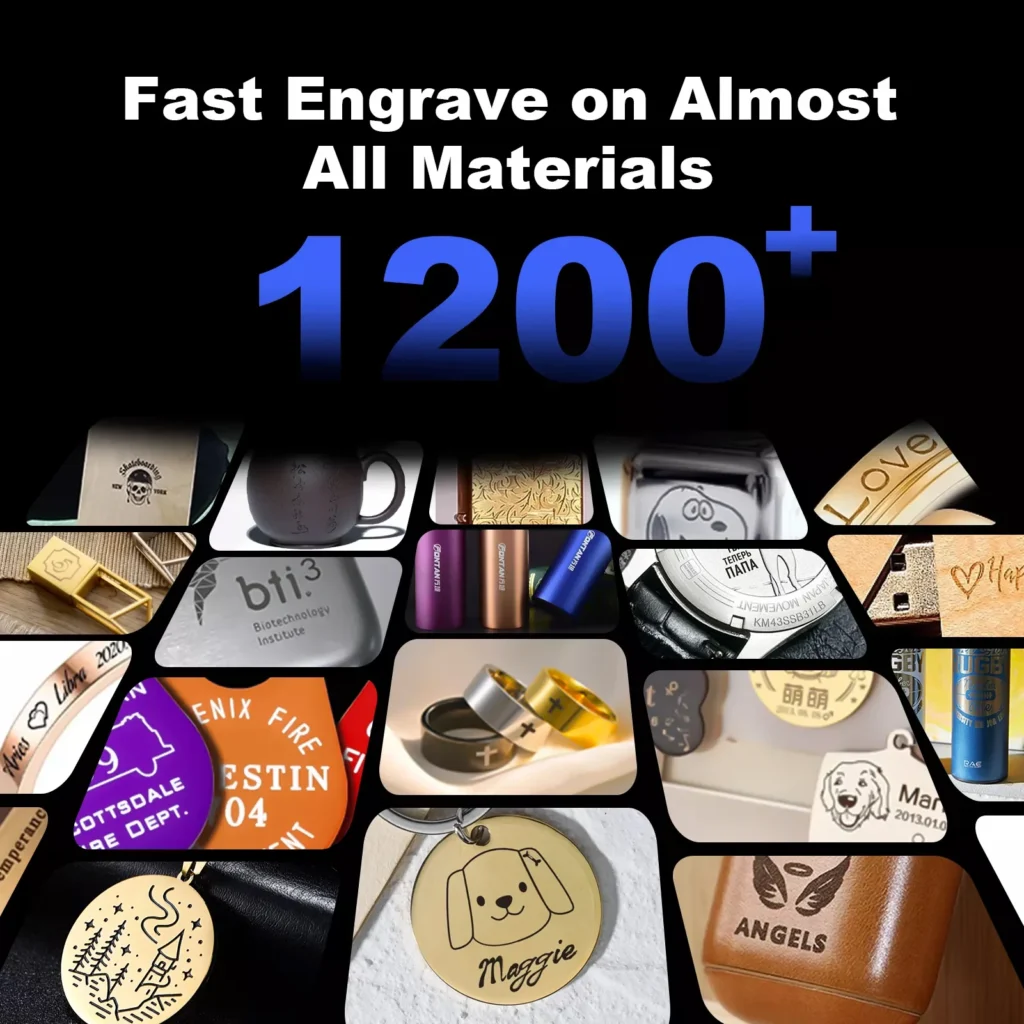
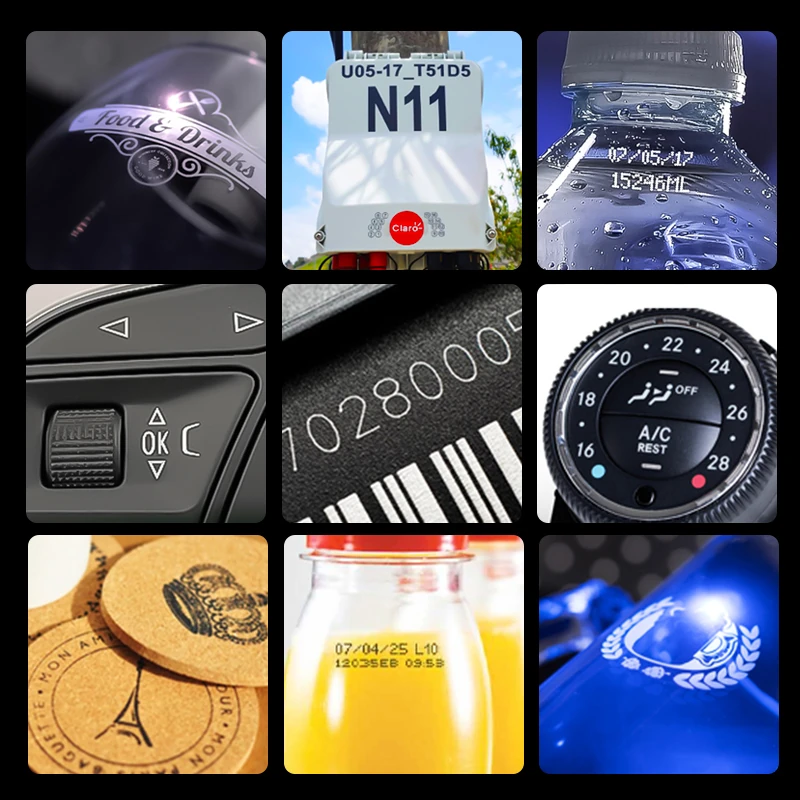
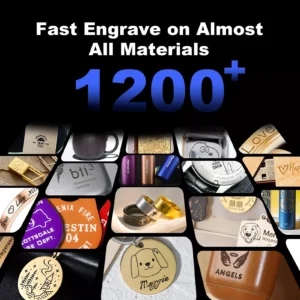
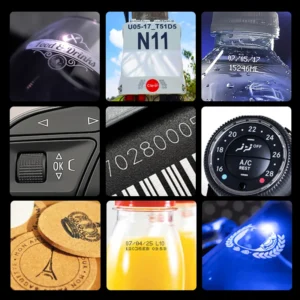
A 355 nm UV laser is considered for fine marking on selected plastics, silicone, packaging surfaces, glass formulations, ceramics, coatings and electronic components. Material formulation and pigments determine contrast and fumes. Lower thermal influence does not mean zero heat or guaranteed damage-free processing. Deep metal engraving and glass cutting are separate applications, not standard capabilities of this marker.
Identify the exact material, coating and adhesive before testing. Do not laser-process PVC, vinyl, PTFE, other halogen-containing materials or unidentified composites. Use material-specific extraction and continuous supervision during cutting.
Production workflow
Import text, logos, serial data, QR or Data Matrix codes and compatible vector or bitmap files in the supplied software. Set the fixture, focus and field correction, then qualify a recipe on the part. EZCAD2 and LightBurn are not interchangeable on every controller; confirm the installed board, driver, source protocol and license before choosing software.
Options to specify
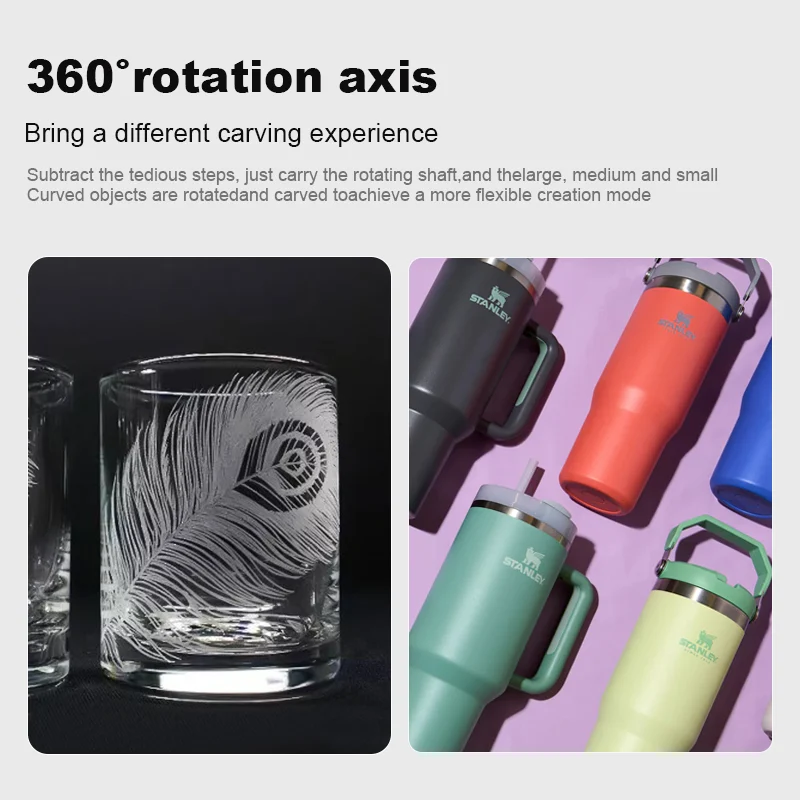
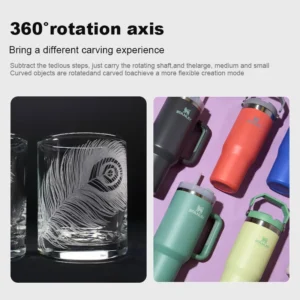
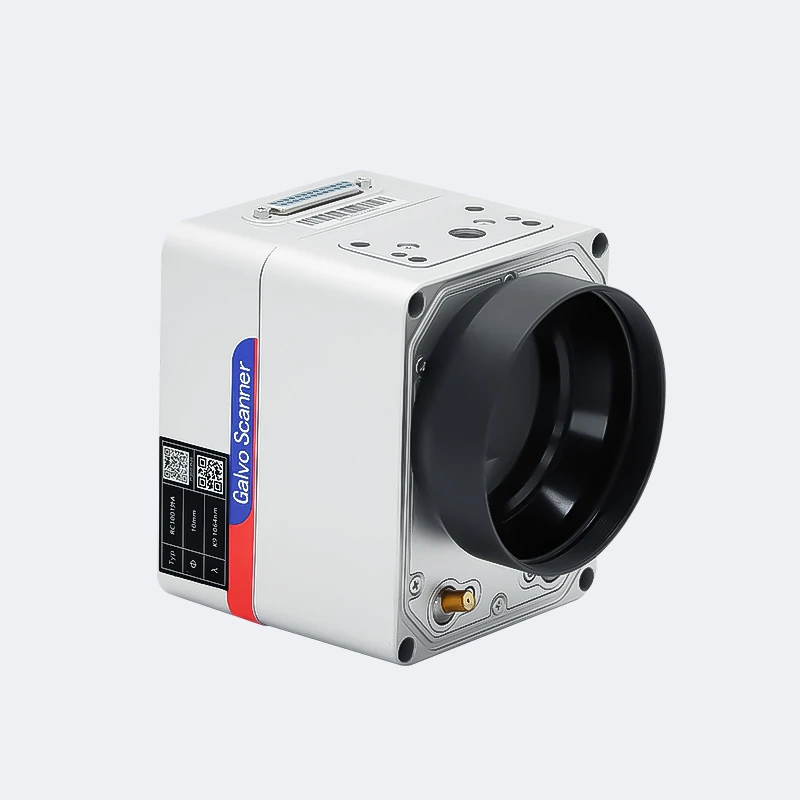
Match source power, pulse characteristics and a 355 nm F-theta lens to the smallest feature and marking field. A larger field can reduce energy density and detail. Use the cooling method specified for the exact source. Flat-part fixtures and rotary options must maintain focus; autofocus, 3D processing and production-line integration require a separate agreed configuration.
Plan suitable guarding, interlocks, emergency stops, extraction and operator training for the supplied laser system. The finished machine classification must be verified; an enclosure alone is not proof of Class 1 compliance. Follow the supplied operating and maintenance instructions.
Sample test and acceptance
Approve a representative sample and the written configuration before ordering. Record the material, source, settings, lens or nozzle, fixture, appearance, dimensions and complete cycle time. Keep those results as the production acceptance reference.
UV marking verification
Test the exact production material, color, coating and artwork. Check character legibility, code grade, contrast, surface damage and cycle time. Glass samples also need crack and strength assessment where relevant. Medical, food-contact and electronic products require the buyer’s application-specific validation.
Installation, service and documentation
Ask Vank Laser to include the machine layout, electrical requirements, supplied software, operating instructions, maintenance schedule and recommended spare parts in the technical proposal. Agree commissioning, operator training, support language, warranty coverage and service responsibilities before shipment. Request conformity documents for the actual machine and destination.
Request a sample test and quotation
Send the alloy or polymer grade, coating, part dimensions, marking area, artwork, smallest code, contrast or depth target, cycle time and fixture needs.
Send the destination country, installation voltage and required delivery scope with your inquiry. Ask for sample photos or video, measured results and a configuration-specific quotation.
Request a sample test and configuration quote
Compare related machines
Machine and component photos
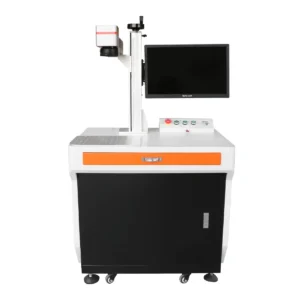
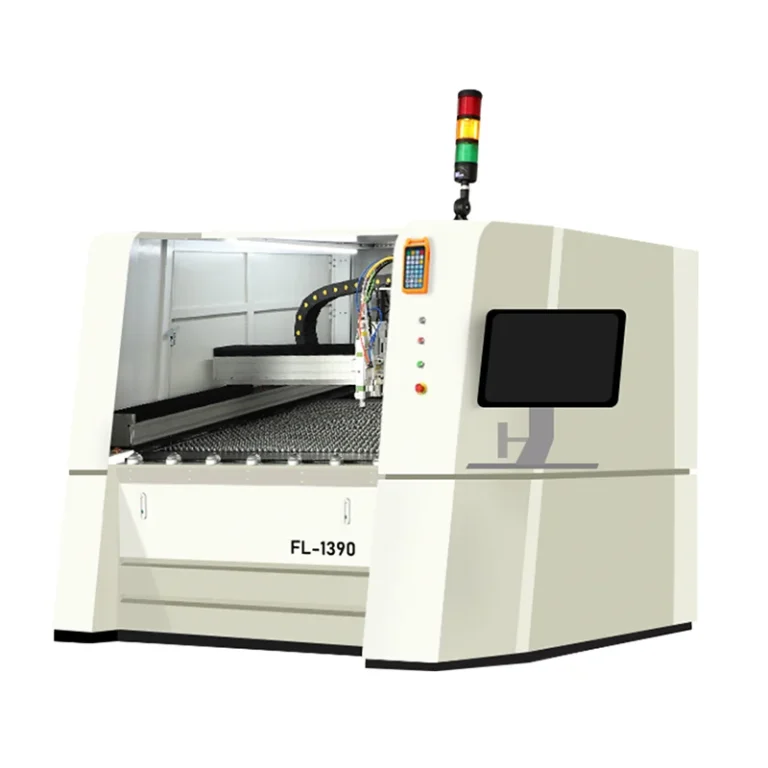
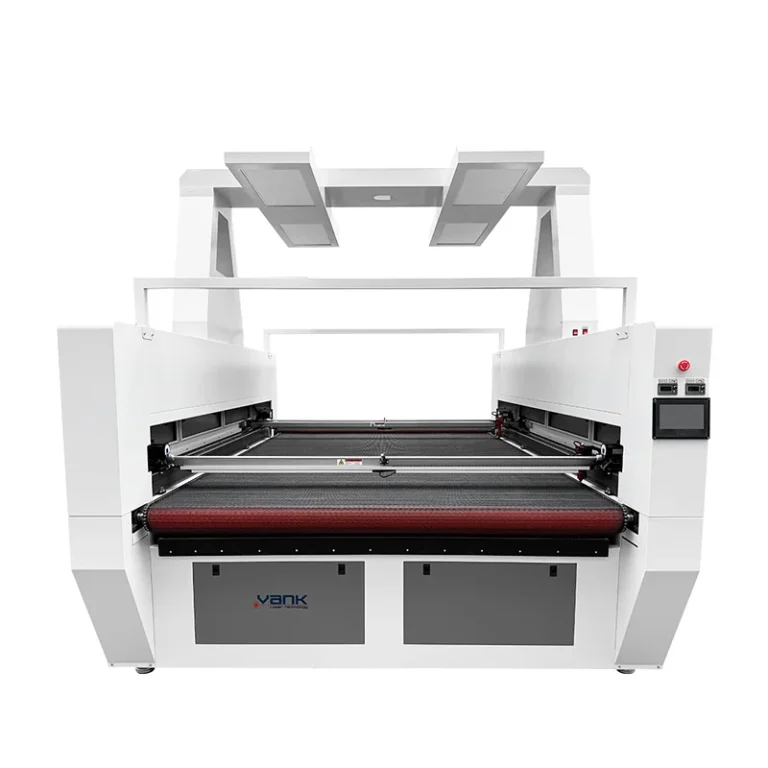
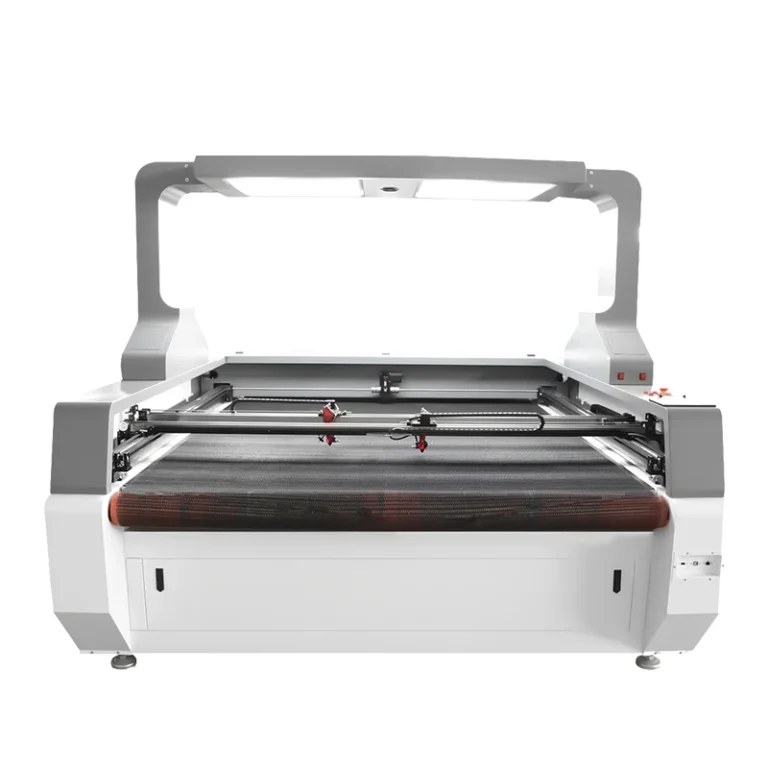
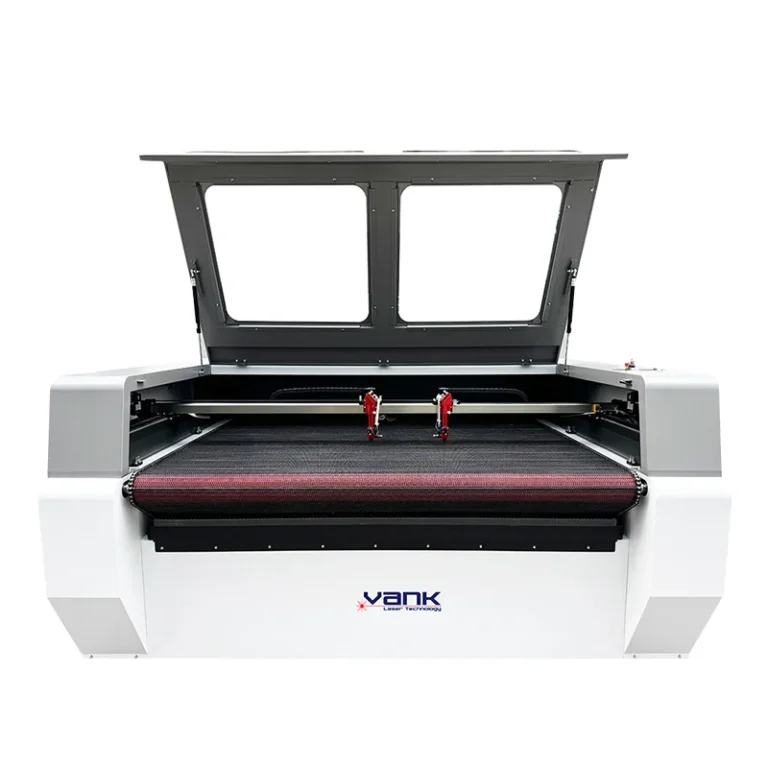
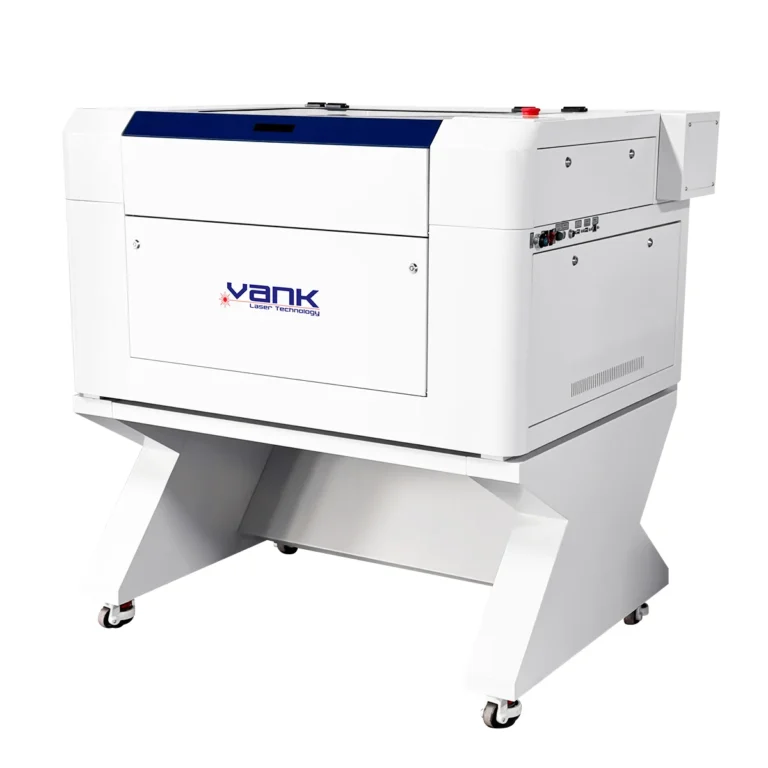
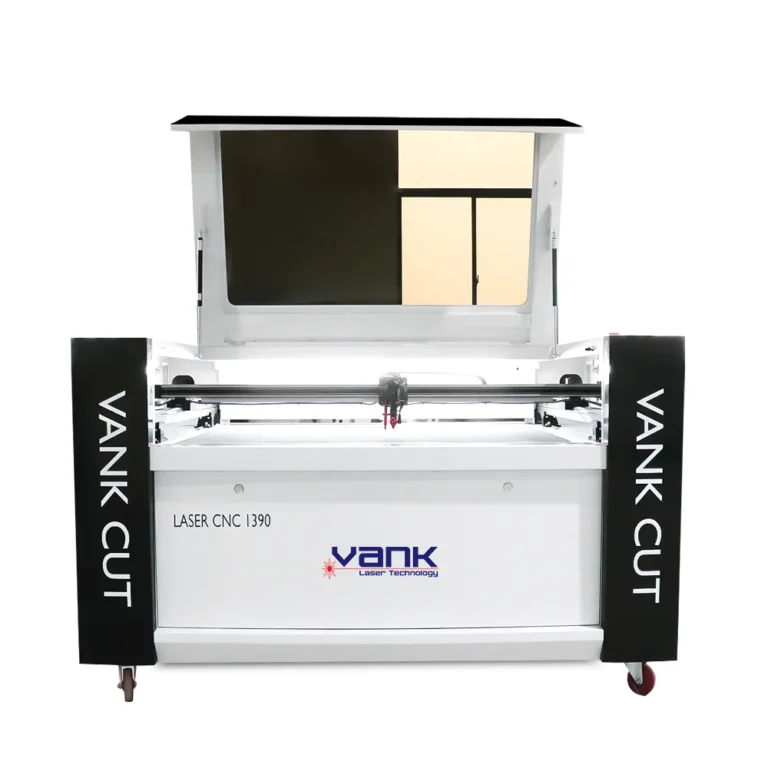
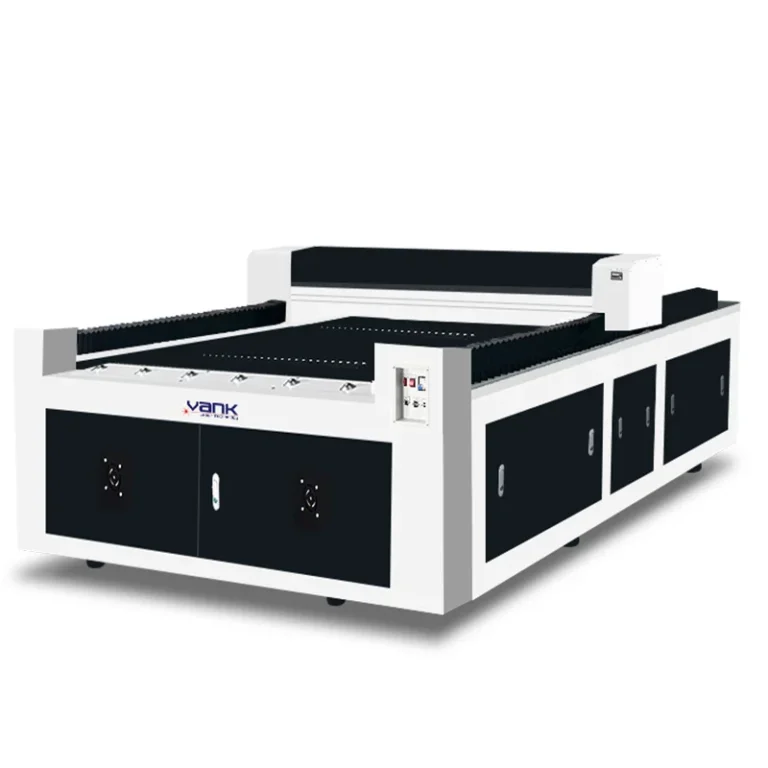
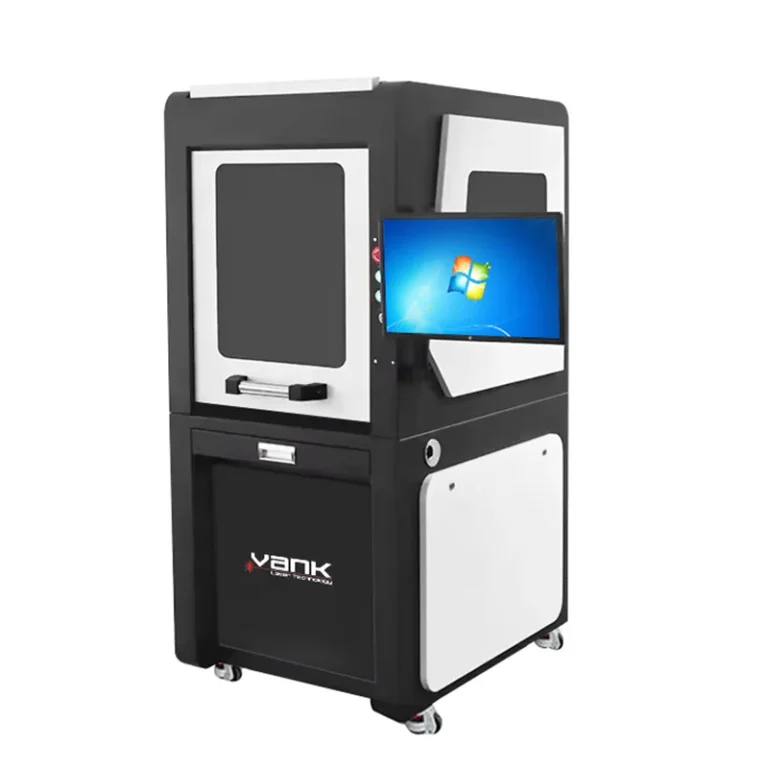
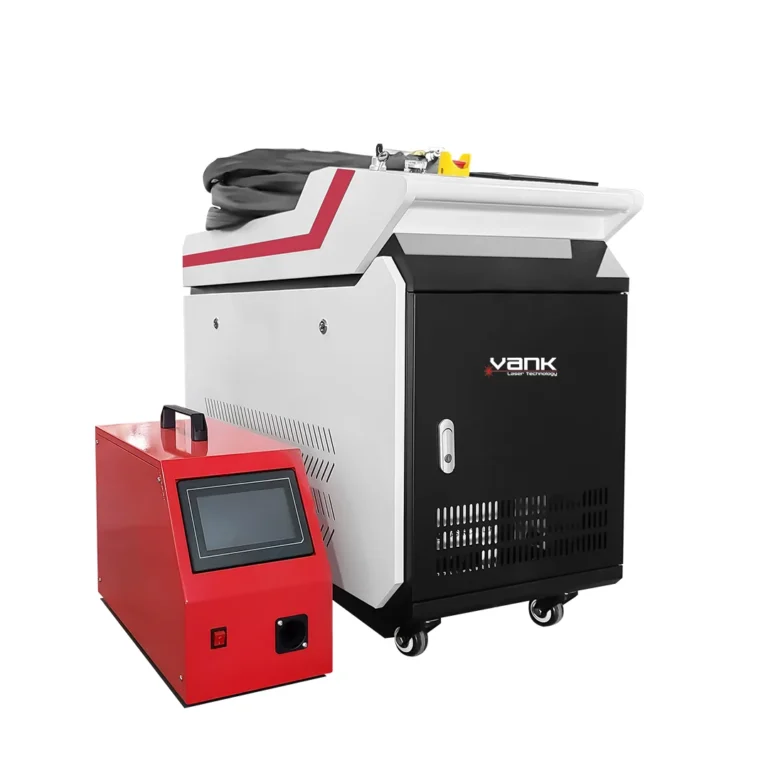
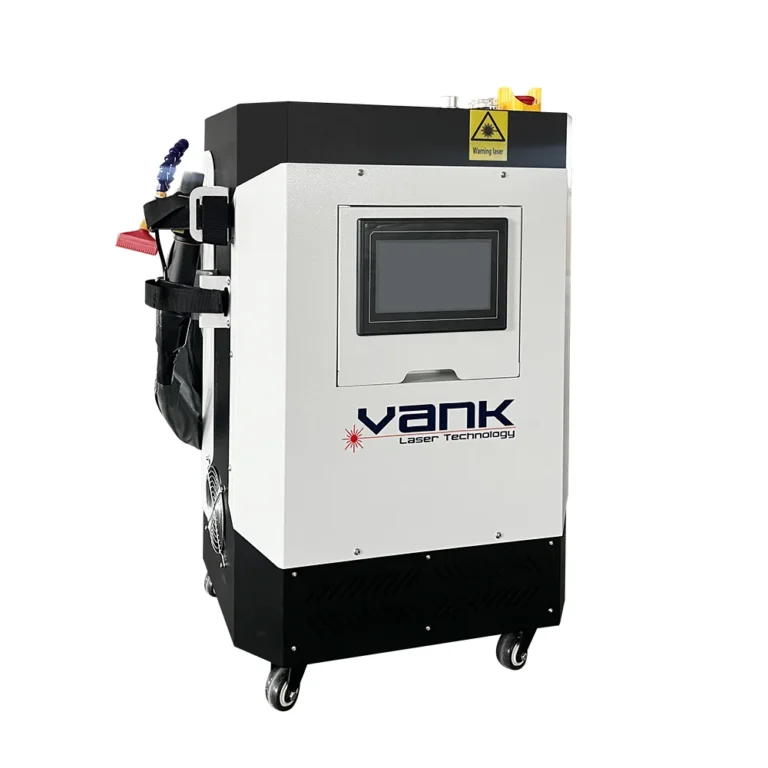
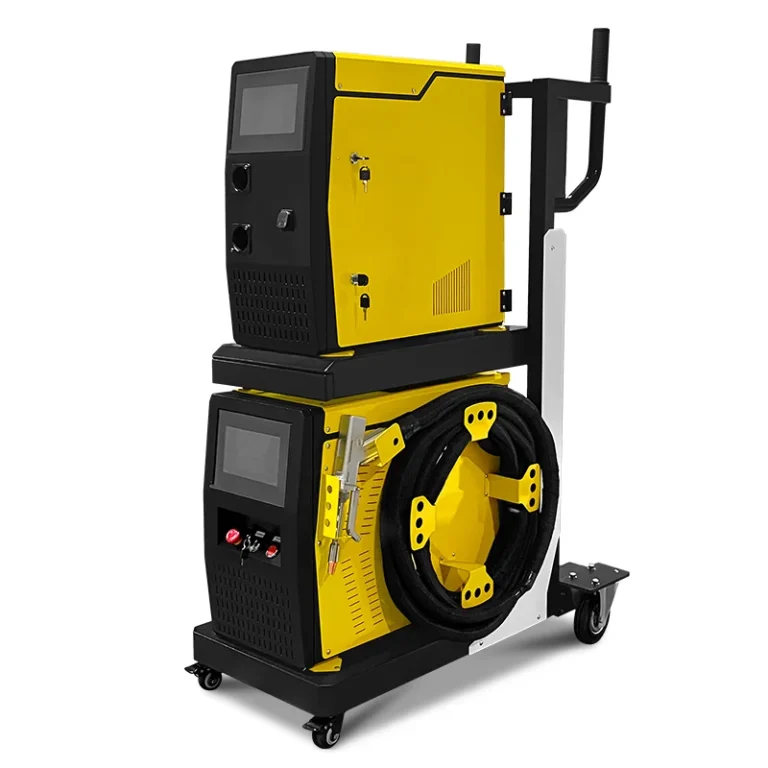
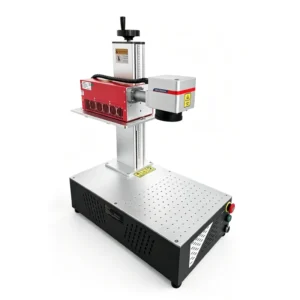
Photos illustrate the product or component family. Included brands, accessories and configuration are defined in the approved quotation.
Product videos
Vank product-family demonstration. The machine shown may have a different power or optional equipment; confirm the configuration for your order.