

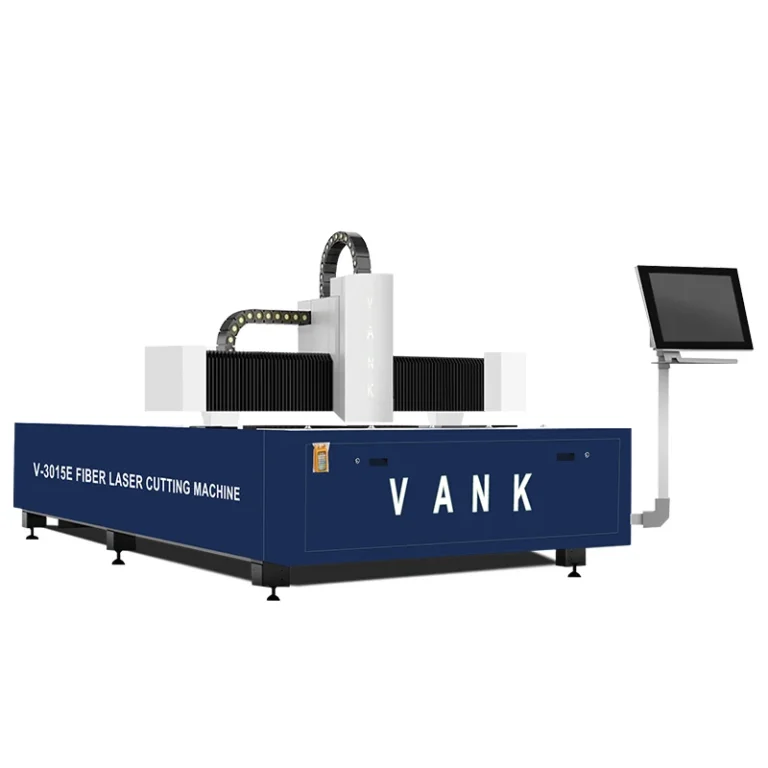
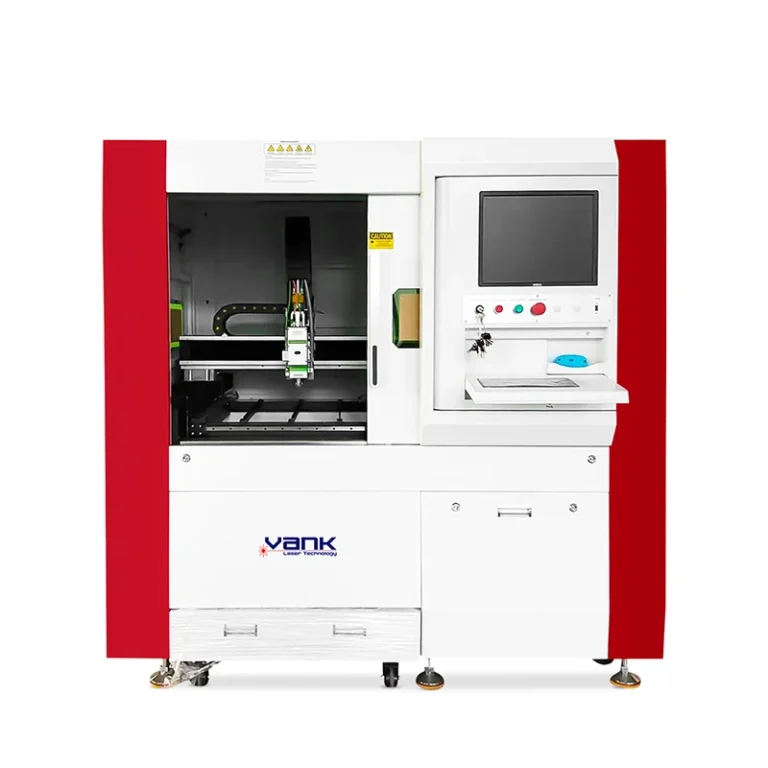
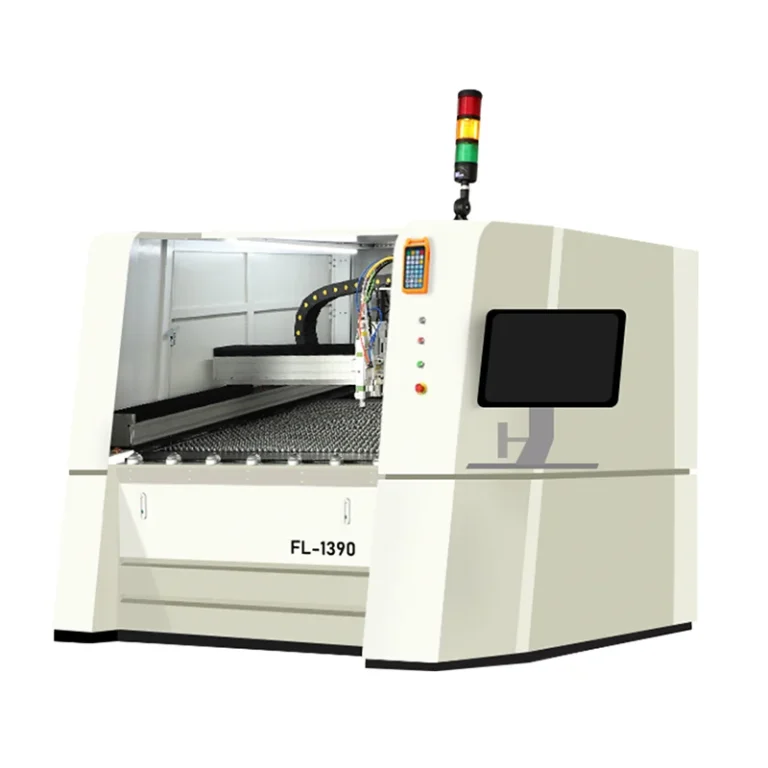
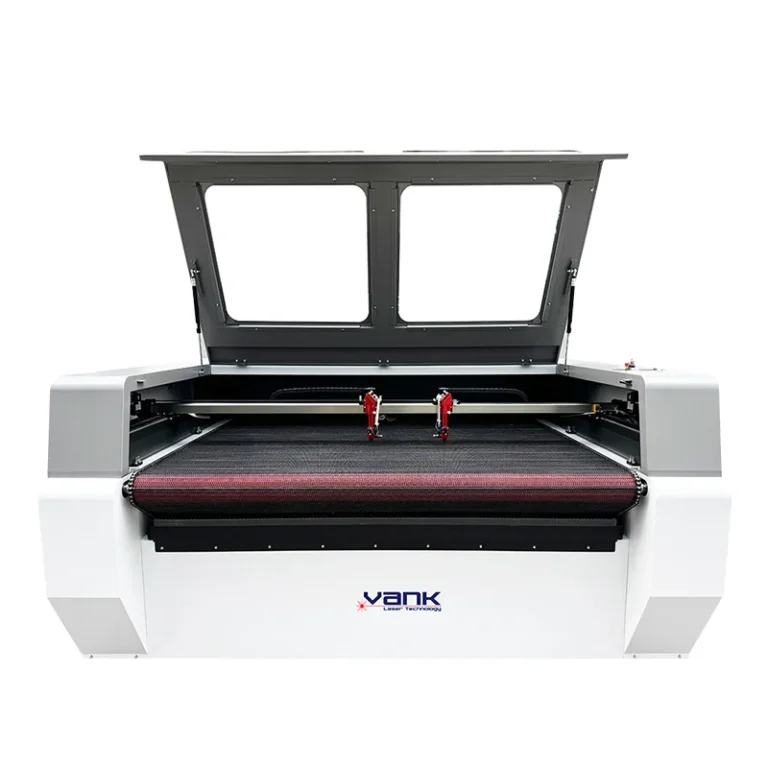
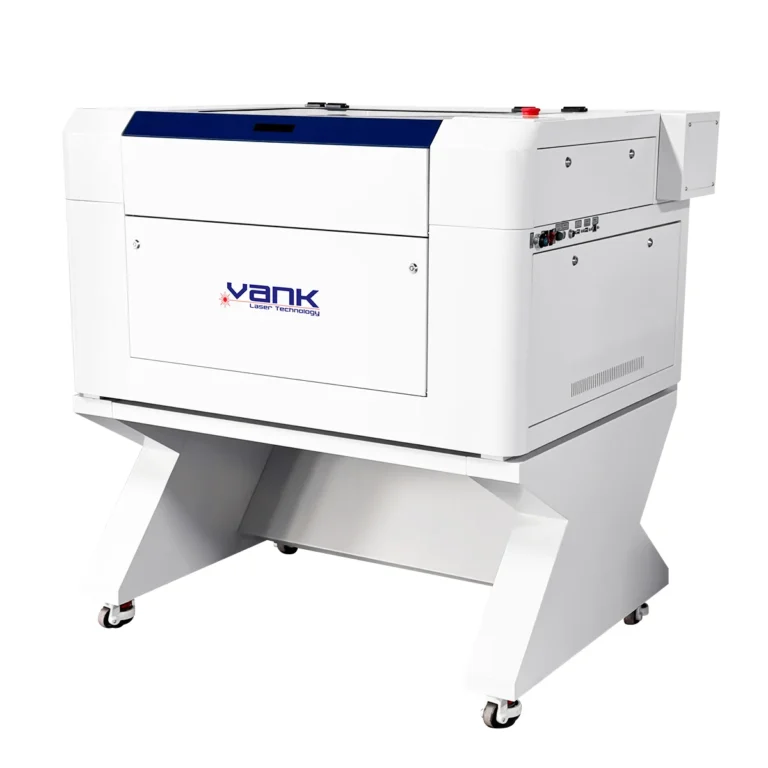
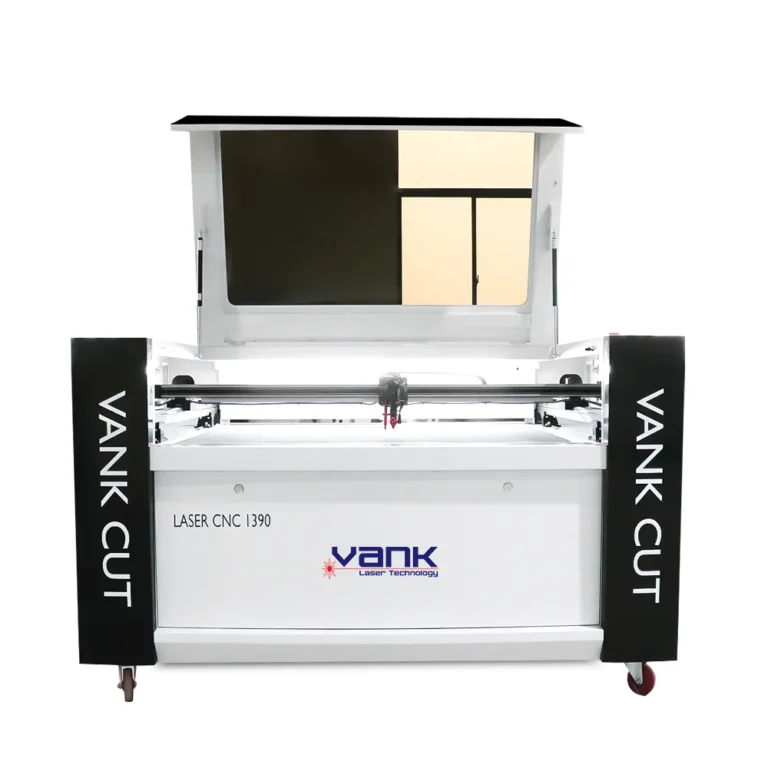
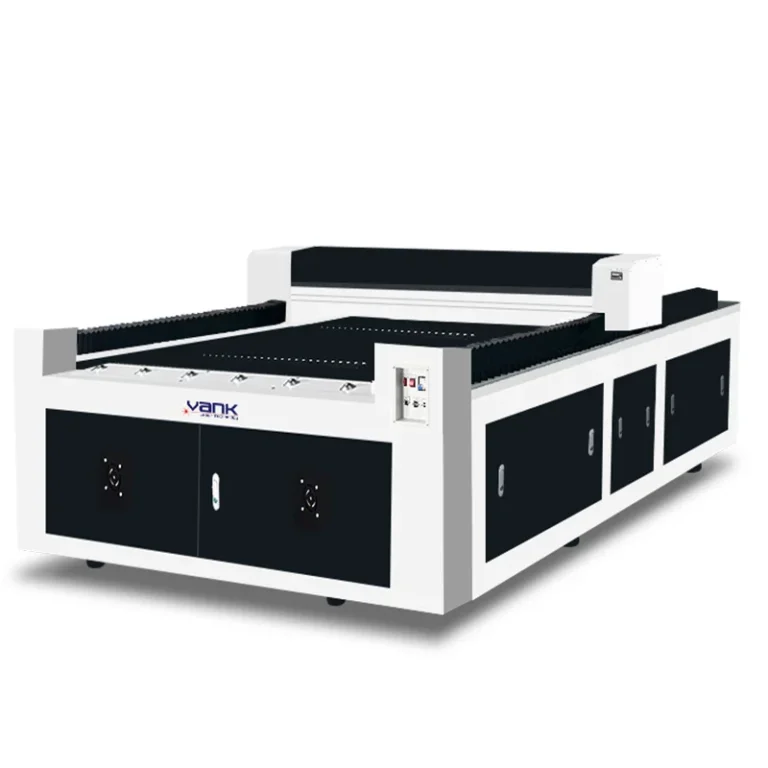
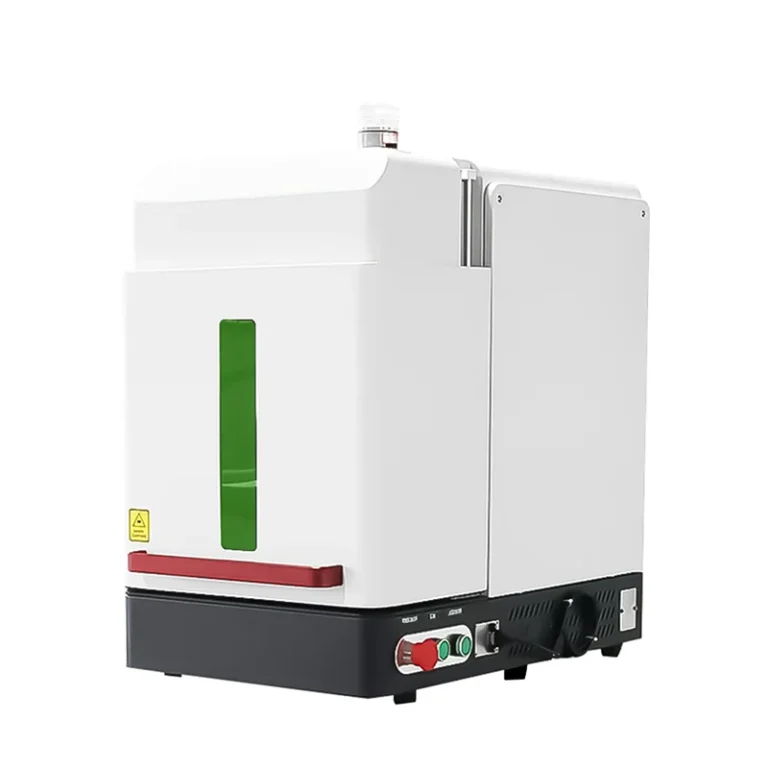
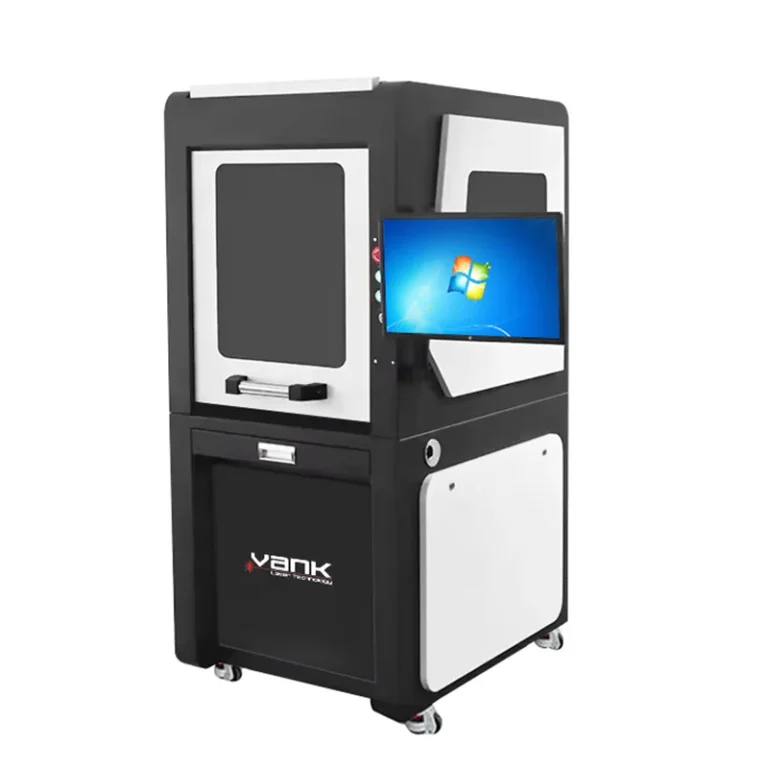
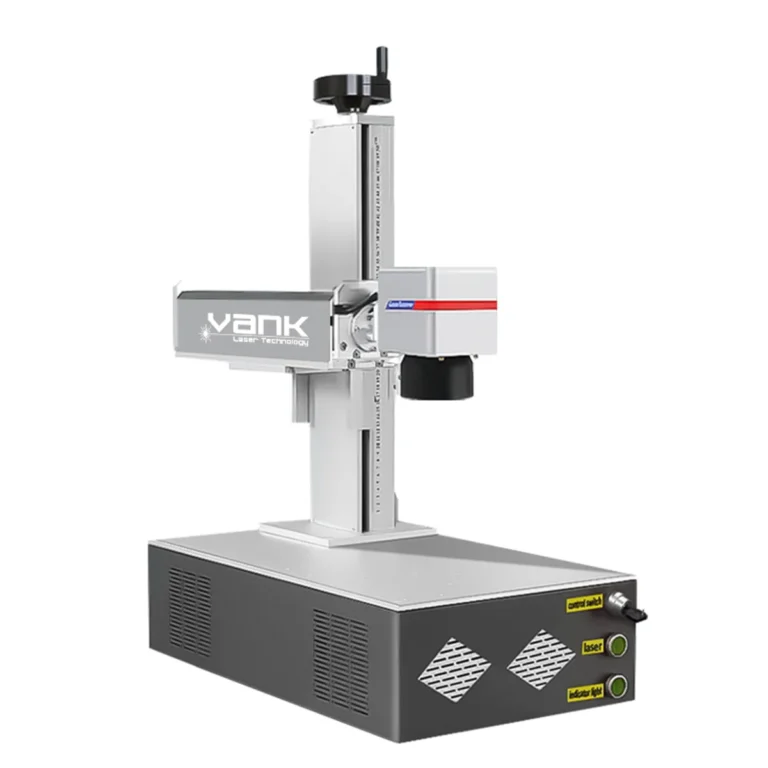
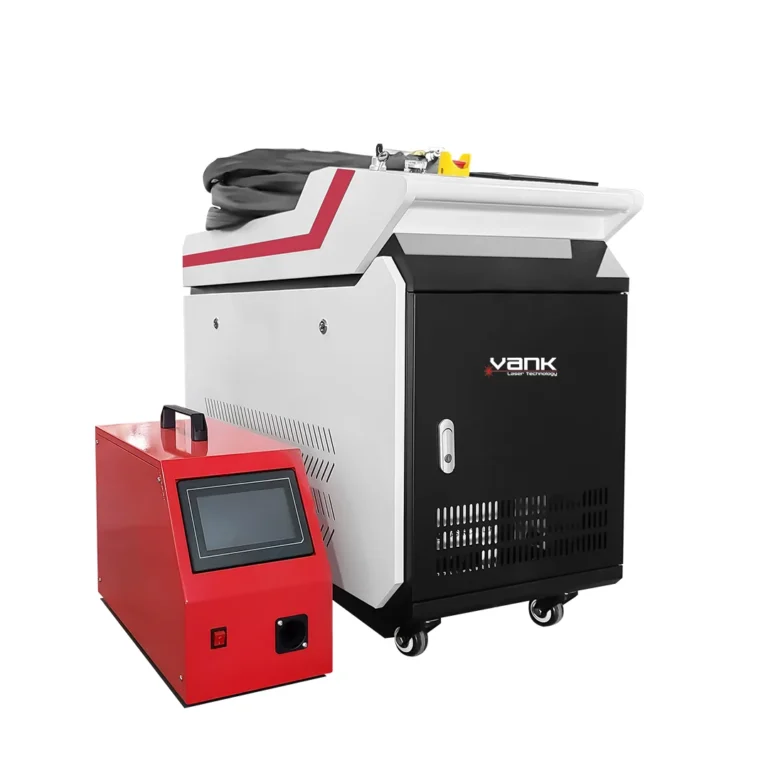
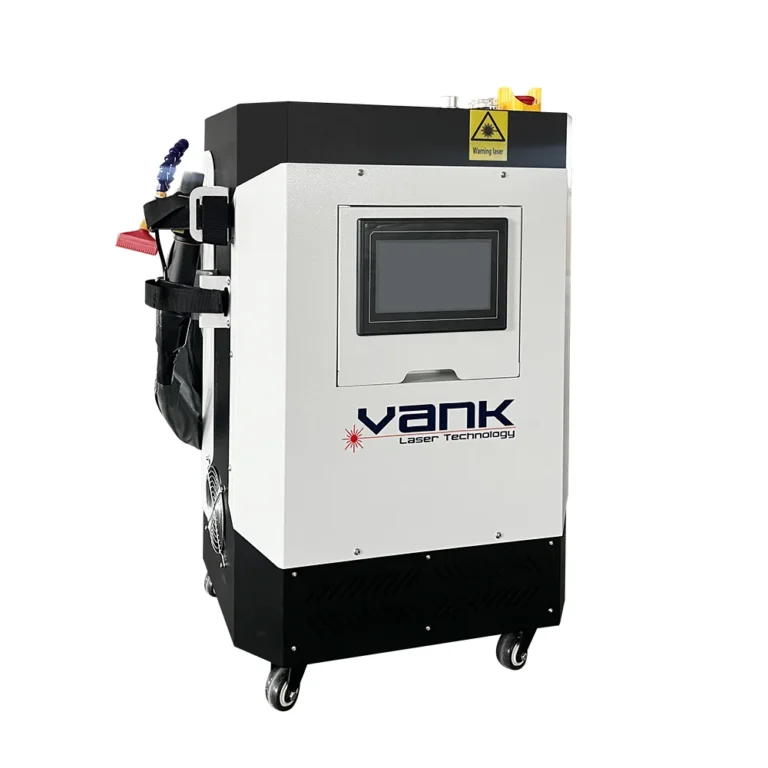
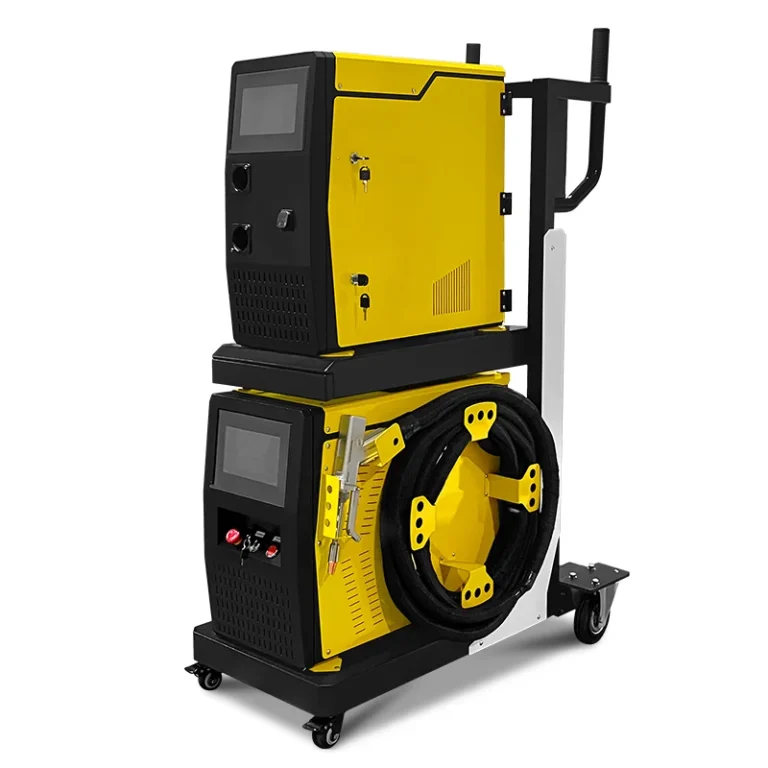
Choose the process for the actual jewelry material. A 1064 nm fiber laser is the normal choice for marking and controlled engraving on metals such as gold, silver, platinum, stainless steel, titanium, brass and copper. Alloy, karat, plating, coating, polish and surface geometry change absorption, contrast and heat response. Permanent marking, shallow engraving, texture and measured-depth engraving require different parameters; cutting jewelry sheet or profiles is a separate application that needs a dedicated cutting configuration, not simply an open galvo marker. CO2 systems are better matched to organic packaging and presentation materials, while direct bare-metal work generally requires a fiber source or a validated marking process.
Personalization, production and fixturing. Jewelry laser engraving supports names, dates, monograms, logos, artwork, textures, serial identifiers and permitted product information on rings, pendants, bracelets, watch cases, backs, bezels and small components. Flat fixtures, ring mandrels and rotary axes must hold the part repeatably without scratching it; inside-ring, circumferential and tapered surfaces require verified clearance, focus and rotary calibration. Submit the exact finished or semi-finished part because stones, enamel, solder joints, adhesives, plating and heat-sensitive finishes can restrict the safe marking area. Artwork should define minimum text size, line width, orientation, start seam, engraving area and required depth or contrast.
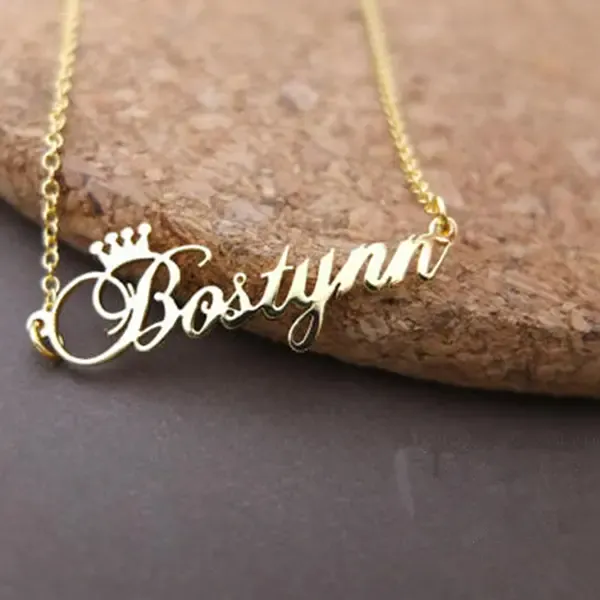
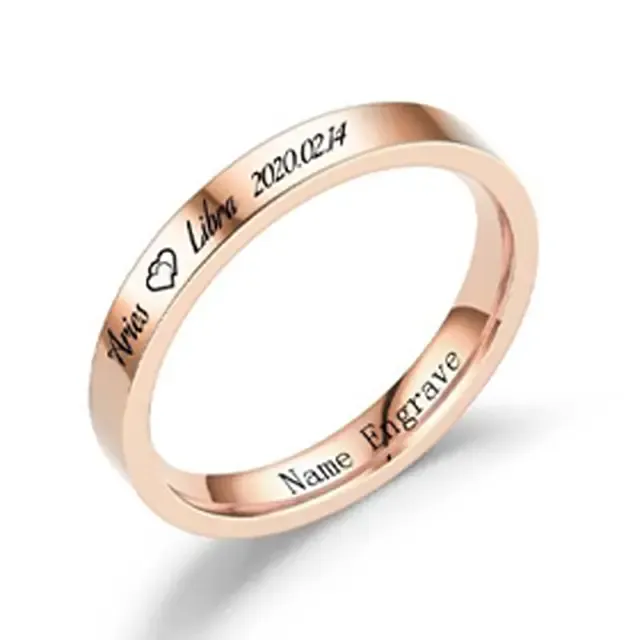
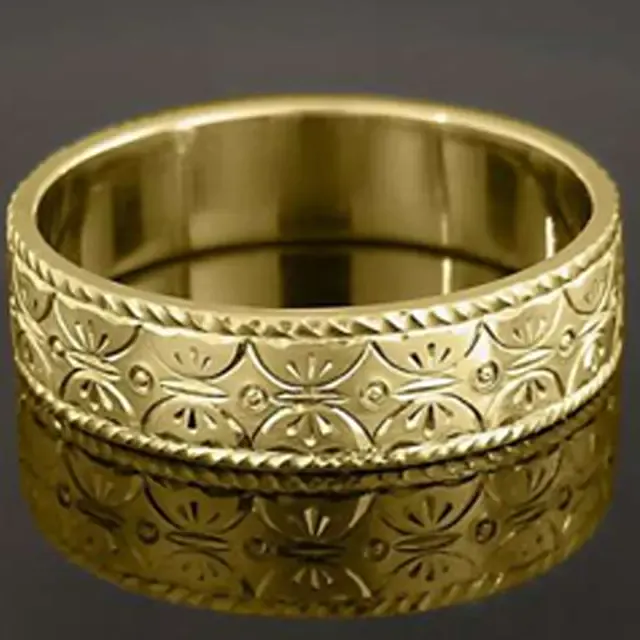
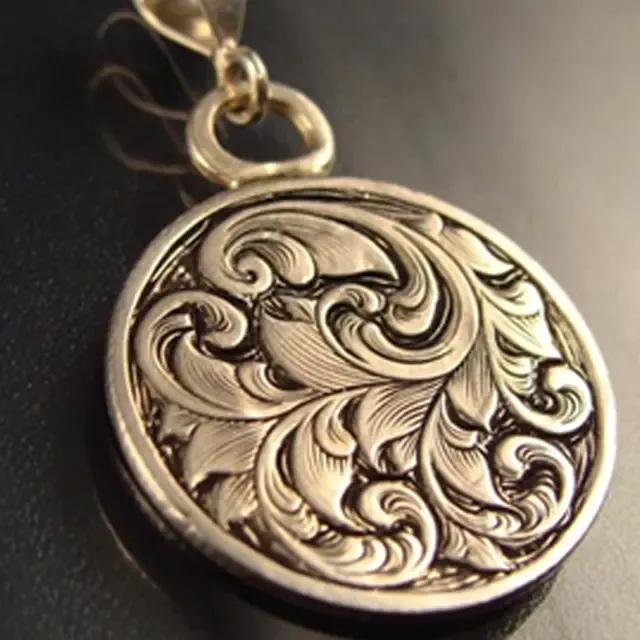
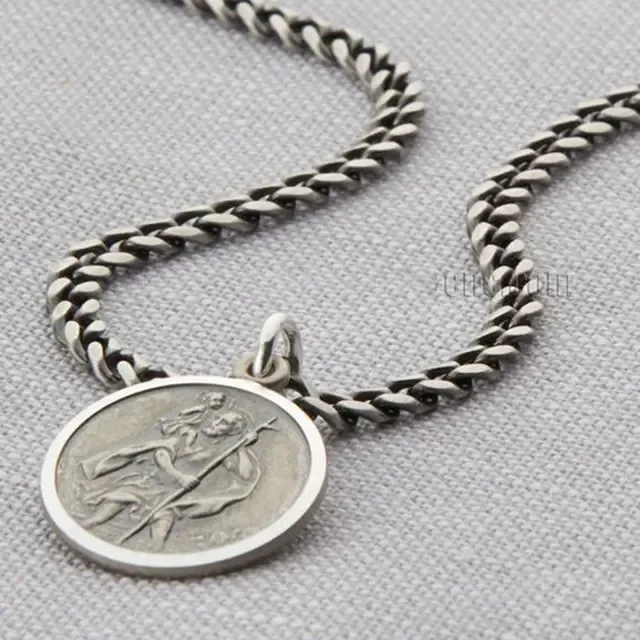


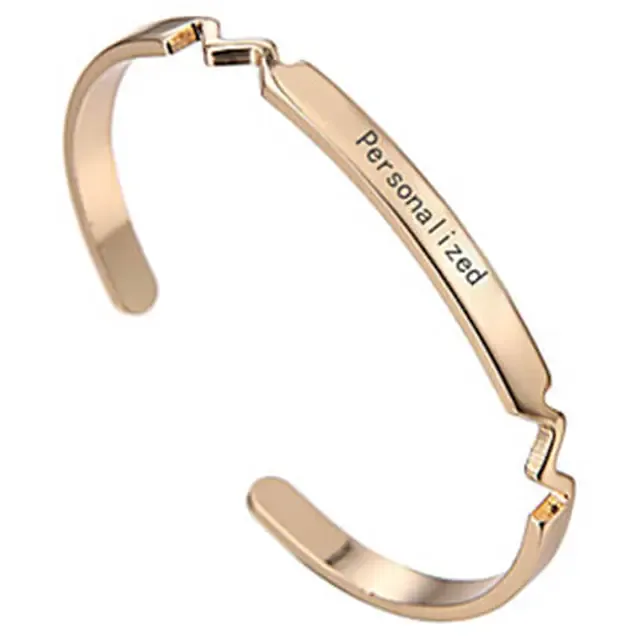
Acceptance criteria and laser safety. Approve a representative sample for spelling, position, readability, contrast, depth, edge quality, burr, heat tint, distortion, polish, plating or color change, weight loss and cleaning method. Check stone settings, soldered joints and nearby components after processing; a visually acceptable mark does not prove mechanical strength, hallmark compliance or wear resistance. Reflective precious-metal parts require an enclosed or otherwise risk-assessed laser system, controlled access, extraction and trained operation. Track high-value parts and scrap through the sample and production workflow. For a machine recommendation, provide alloy and karat, coating or plating, part photos and dimensions, marking area, artwork, batch target, required depth or finish, rotary needs, acceptance standard, extraction and destination power supply.