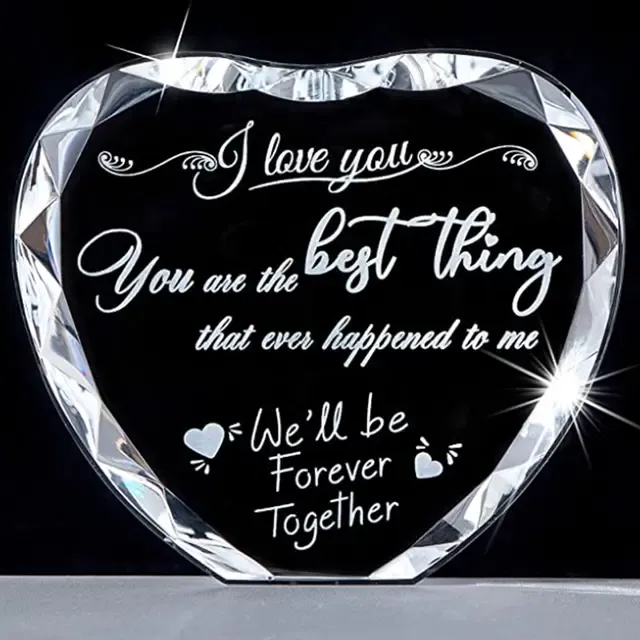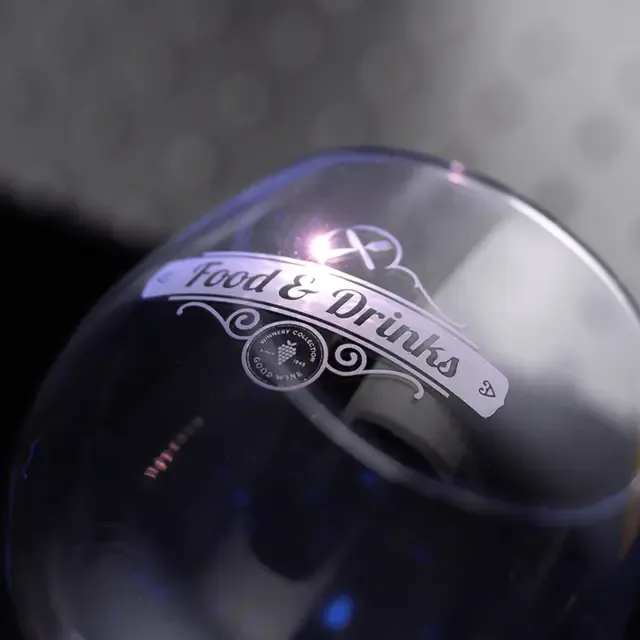
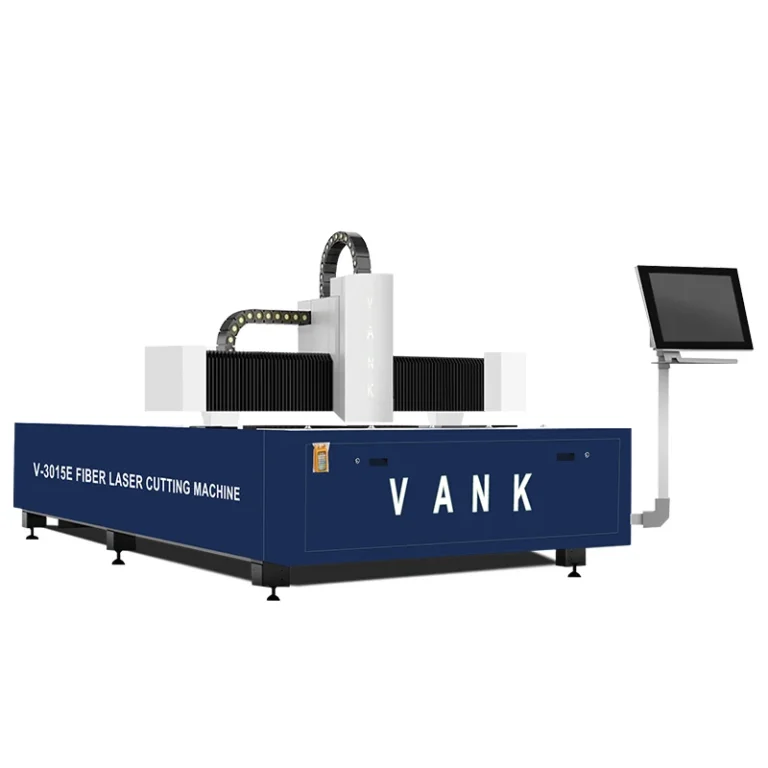
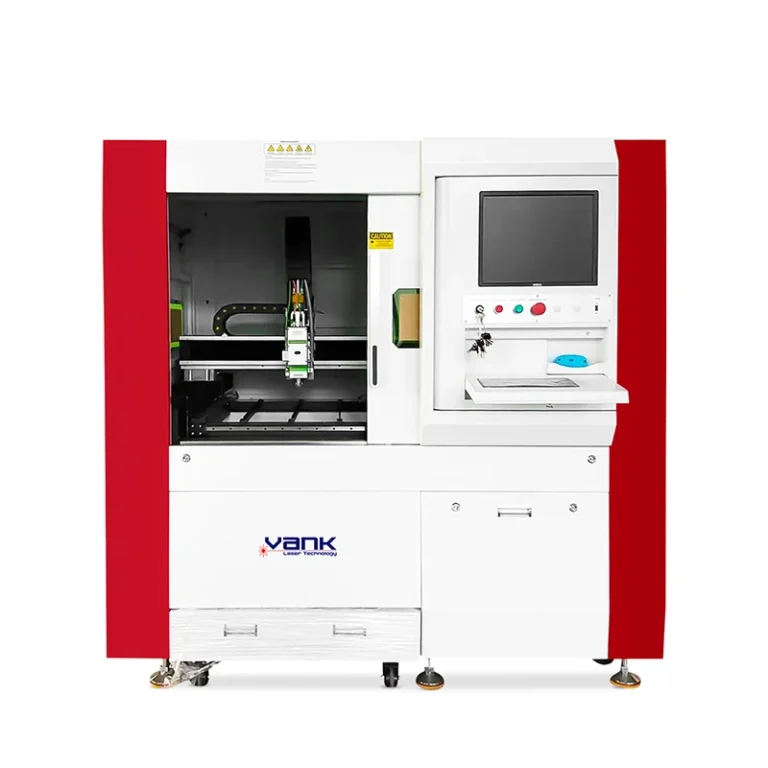
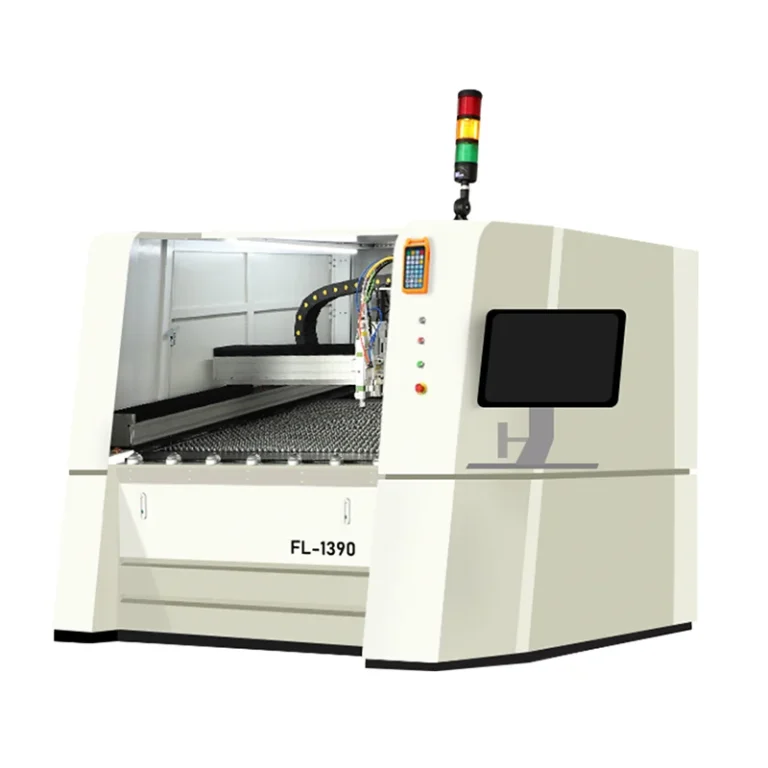
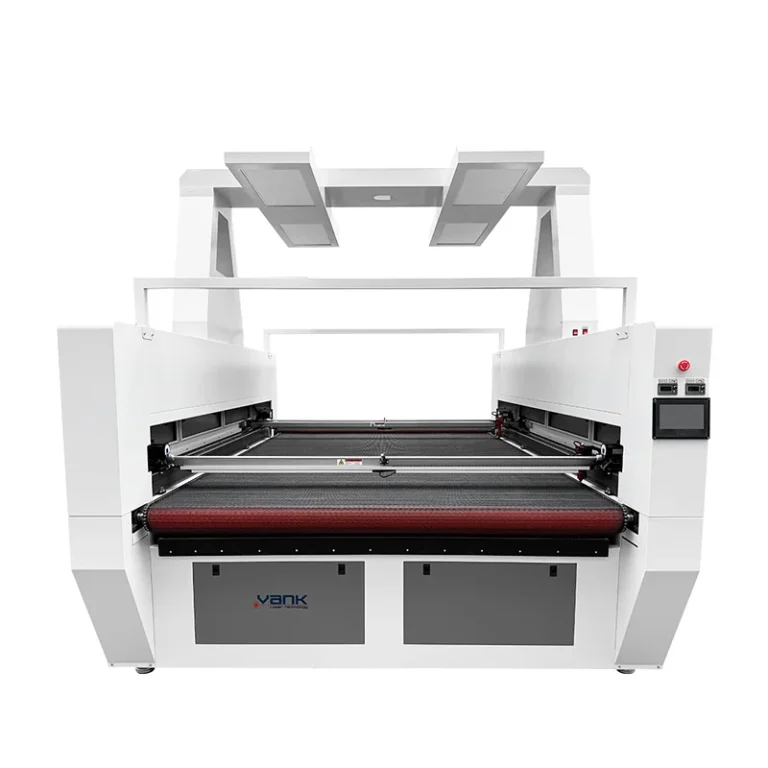
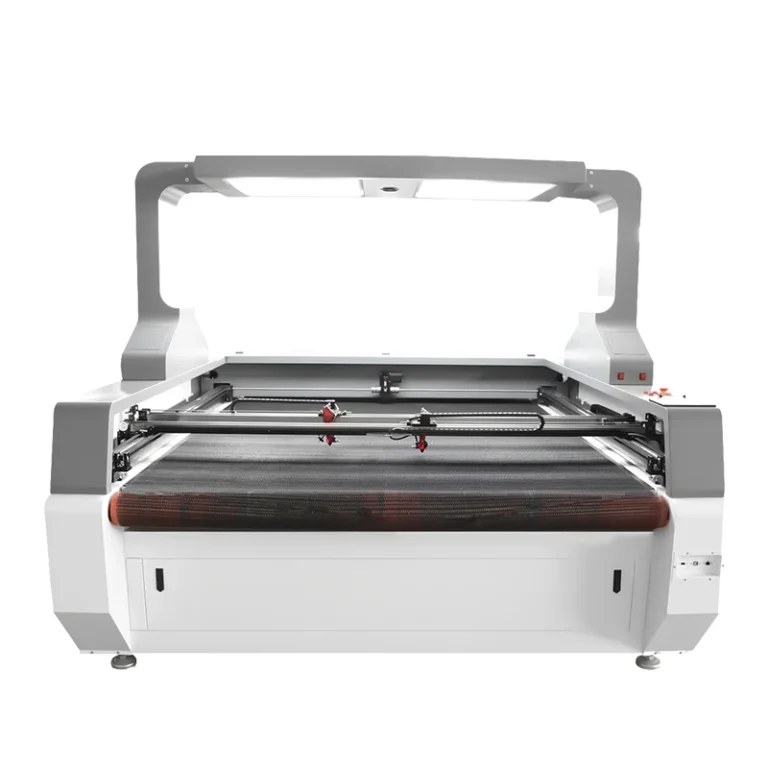
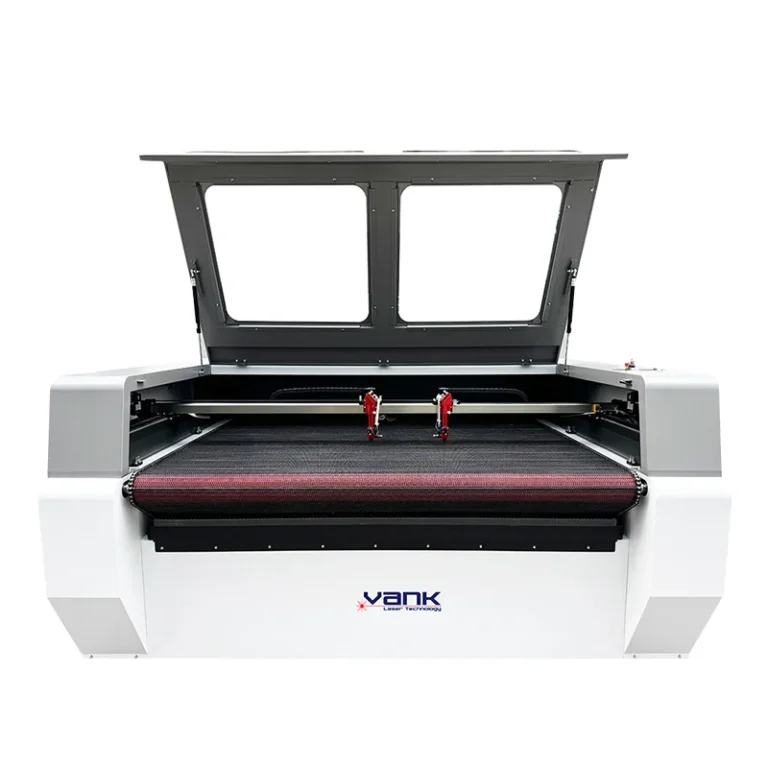
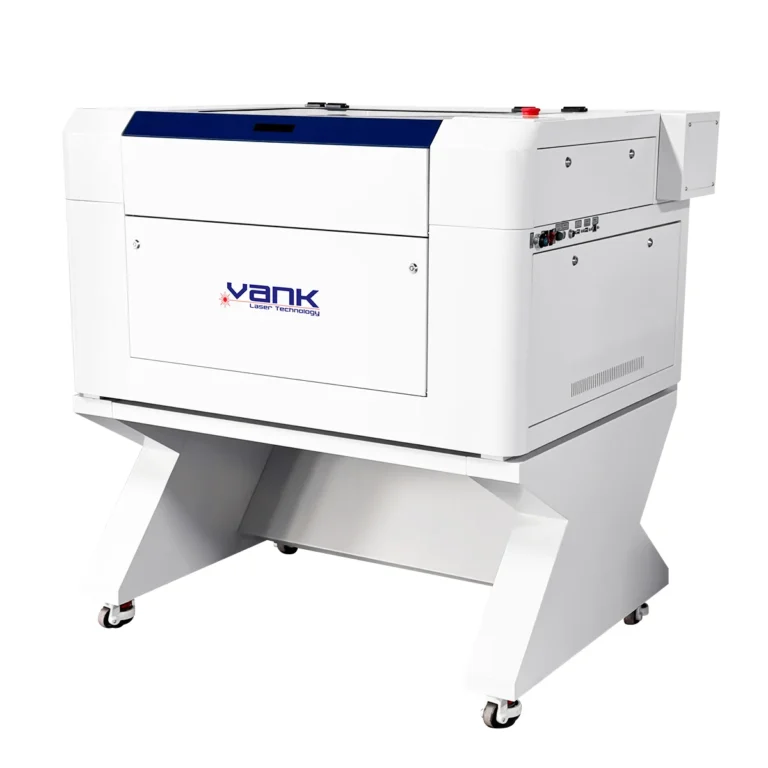
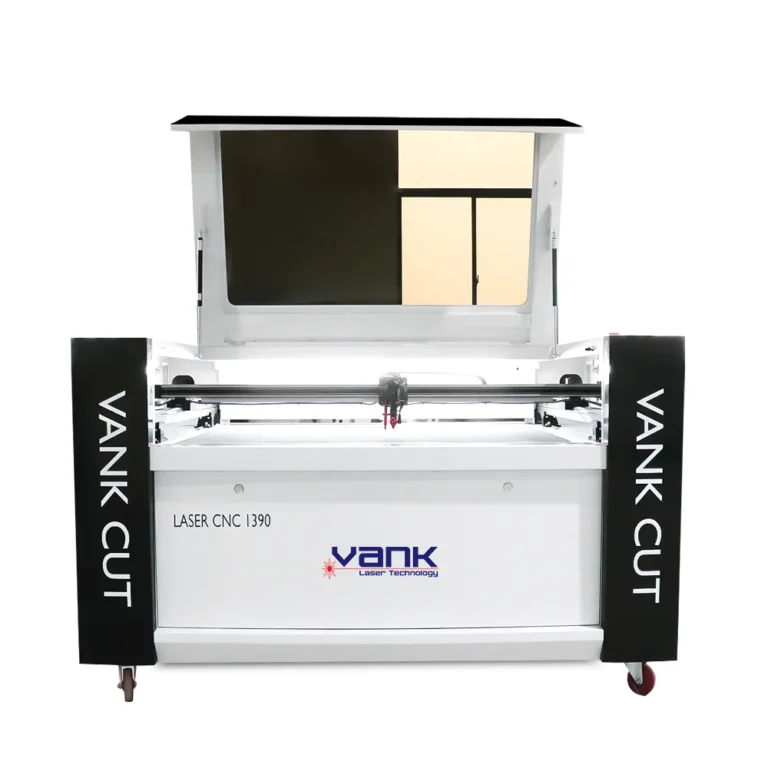
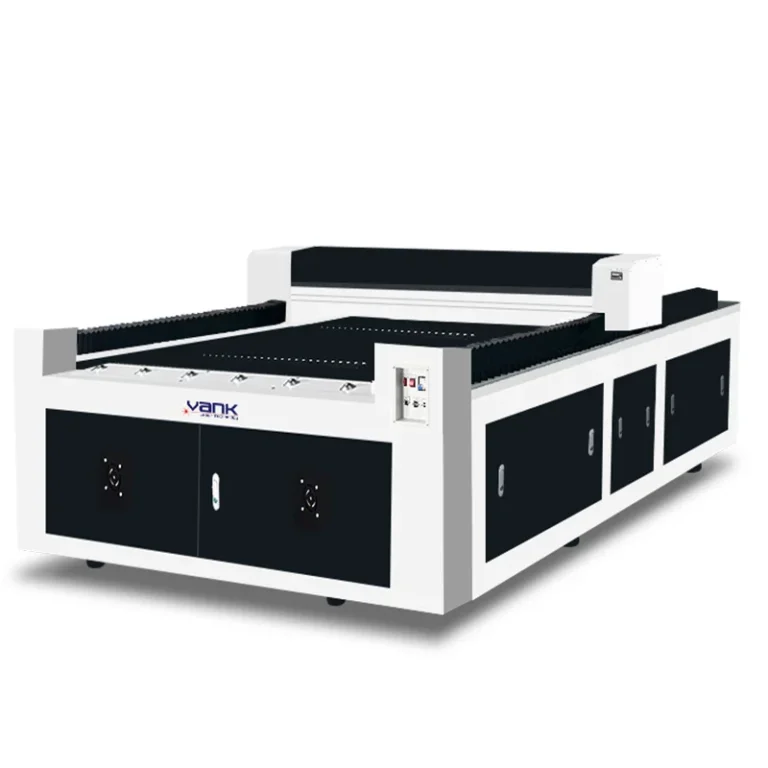
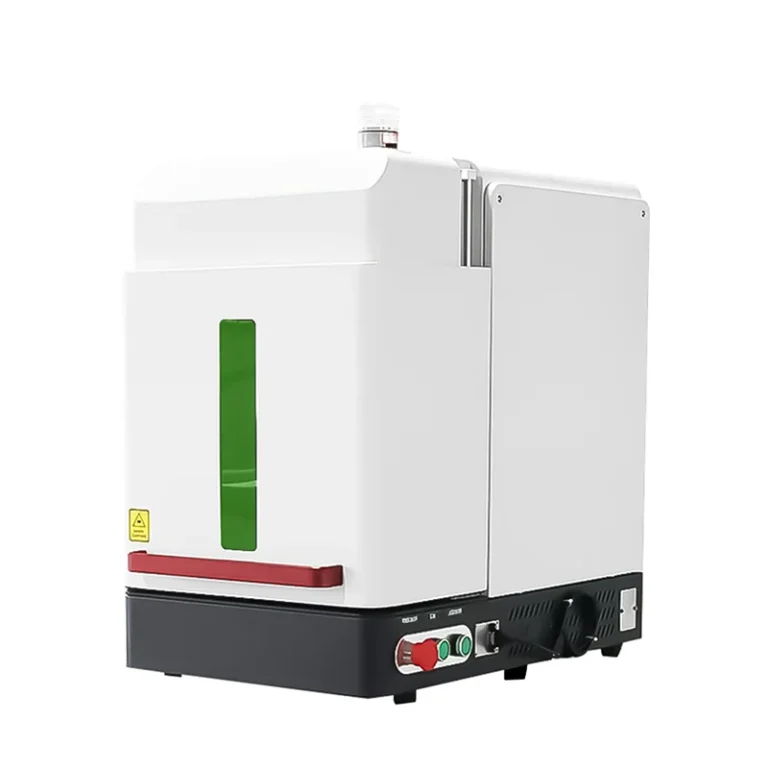
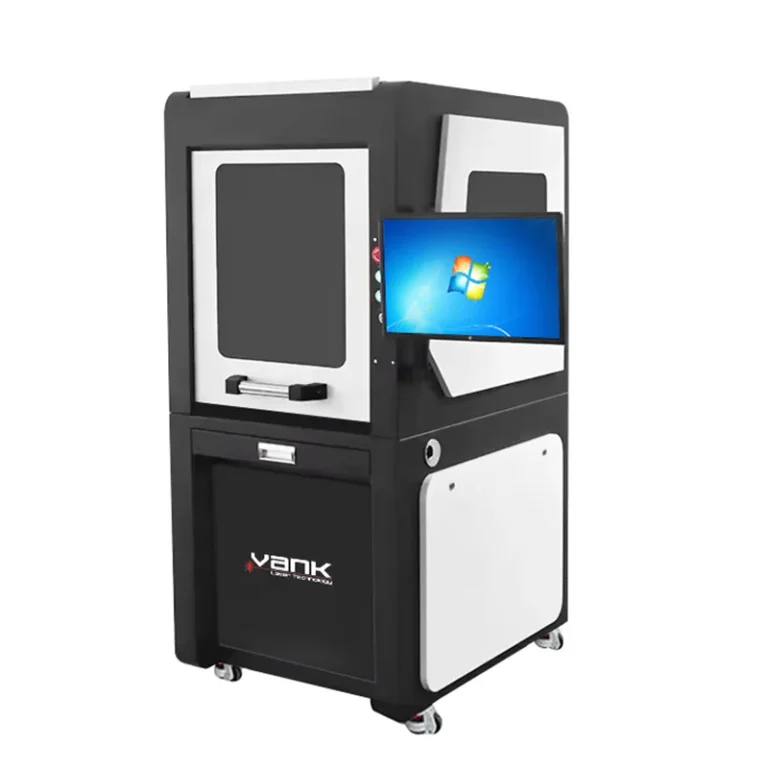
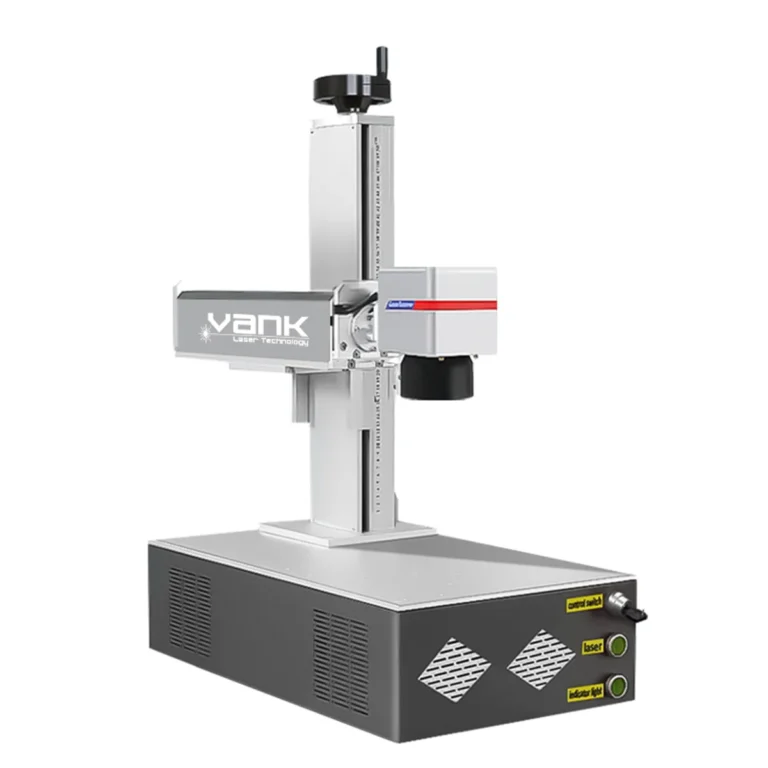
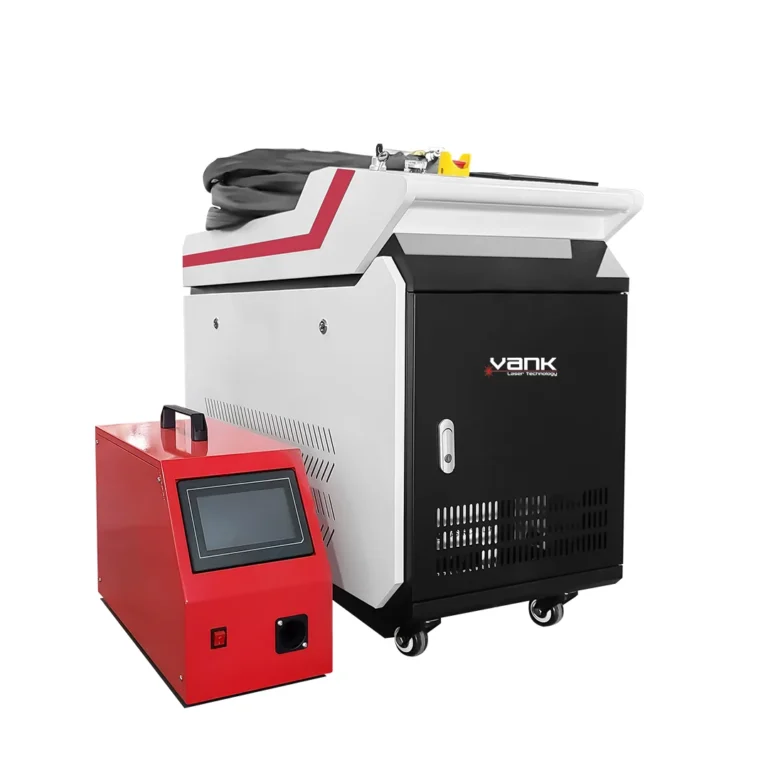
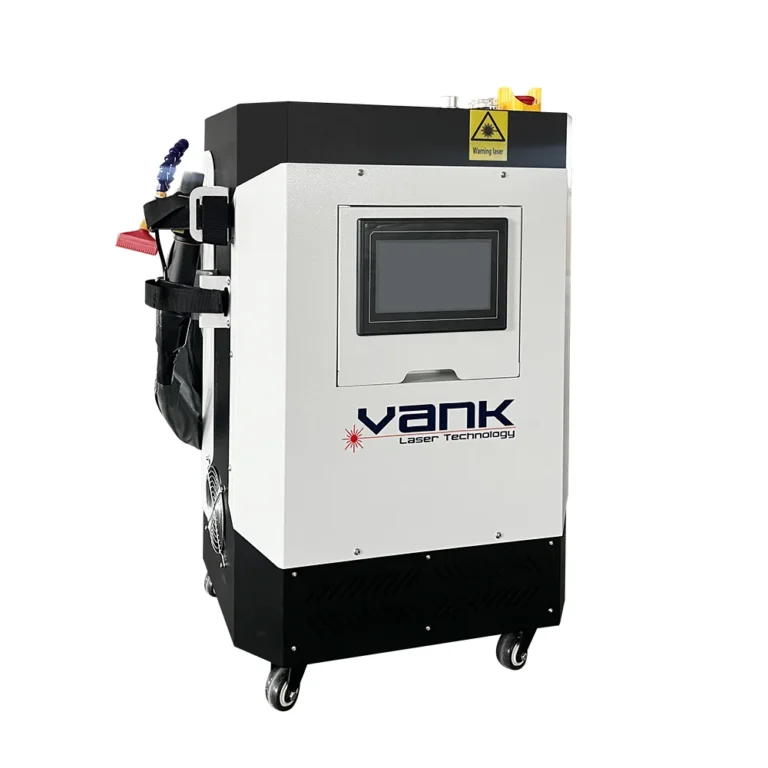
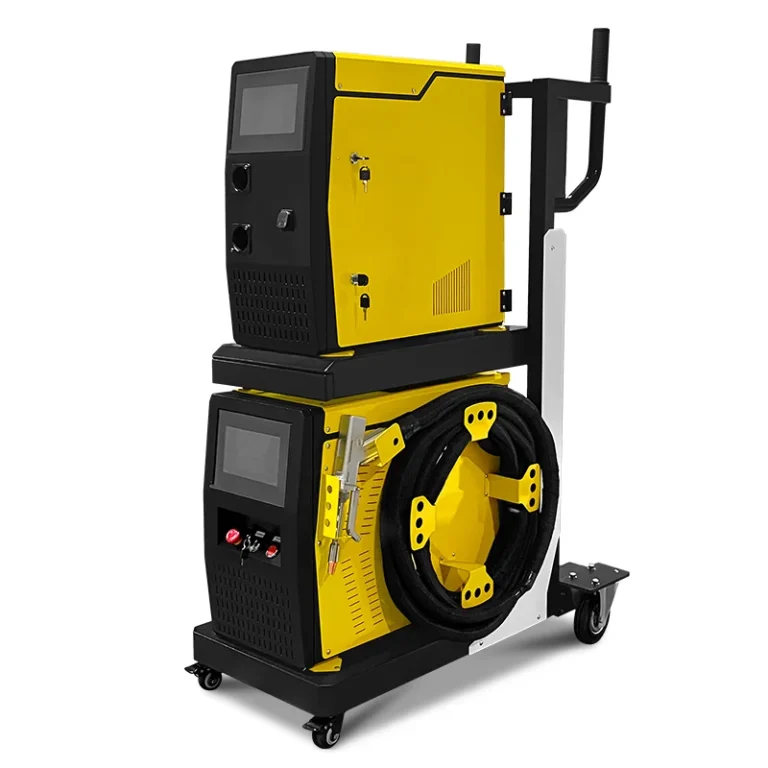
What the laser can and cannot do. A CO2 laser can create a permanent frosted mark on many glass surfaces by producing controlled micro-fractures, but it does not cut standard glass in this machine class. Flat panes, bottles, tumblers, wine glasses, vases and other cylindrical or conical parts can be engraved; round parts normally require a compatible rotary attachment and secure support. A fiber source may remove the reflective coating from the back of a mirror, but it does not engrave the glass itself. Annealed, homogeneous glass often gives more consistent results, while hand-blown glass, crystal and parts with residual stress or uneven wall thickness can crack under localized heat. Every glass type and part geometry therefore requires a representative test.
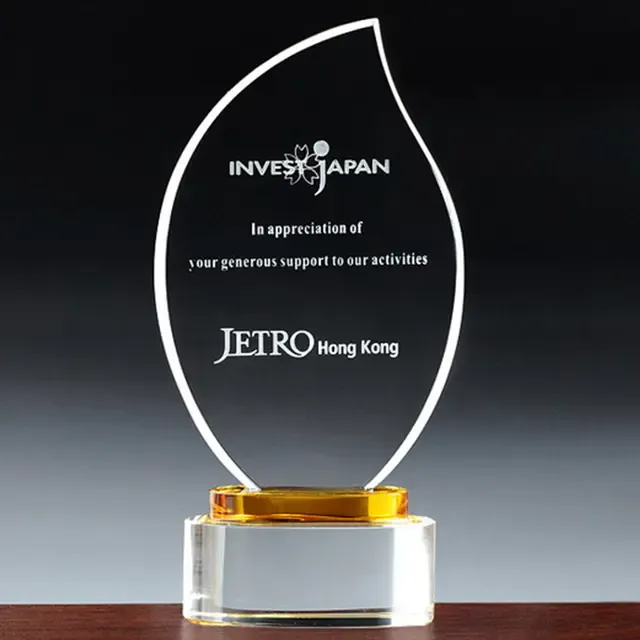
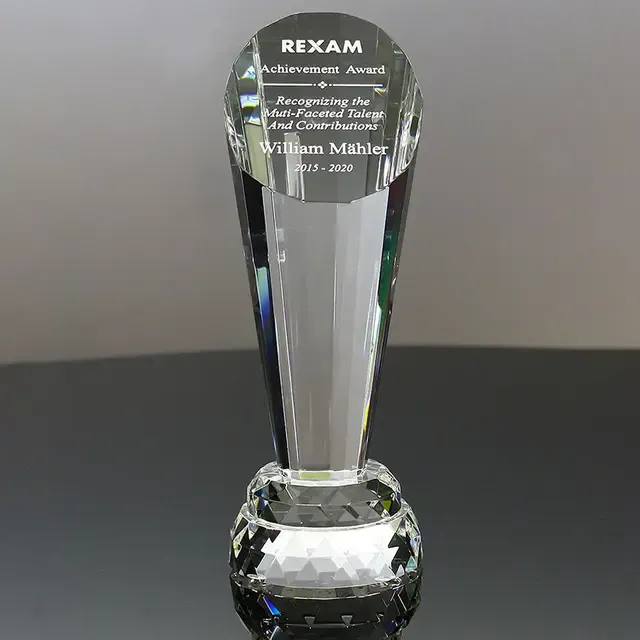
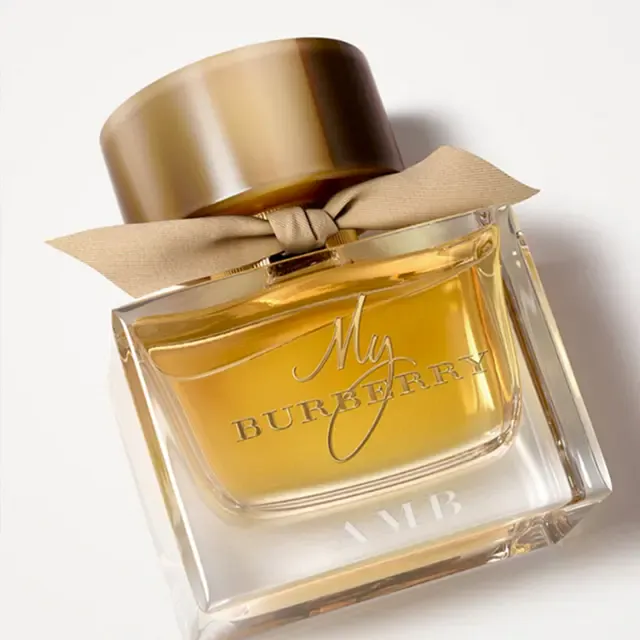
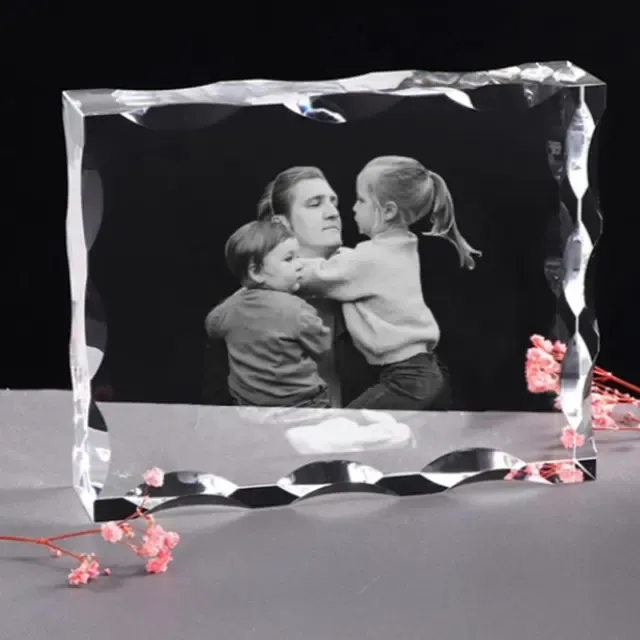
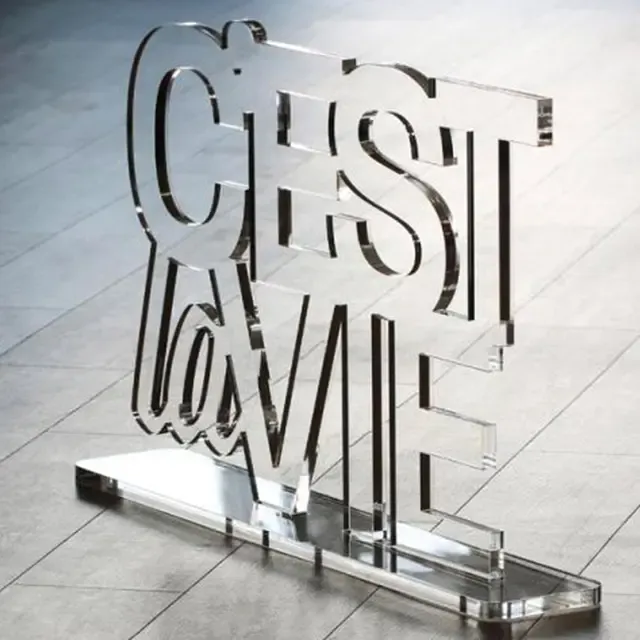
Applications, acceptance criteria and safe handling. Glass laser engraving supports logos, names, serial information and artwork on drinkware, bottles, perfume containers, awards, keepsakes, windows, mirrors and decorative panels. Qualification should record glass type, coating, wall thickness, diameter, taper, handle or seam position, engraving area and artwork resolution. Approve the sample for contrast, surface roughness, chipping or flaking, cracks, edge distance, registration, rotary slip, seam visibility and cleaning durability; a visually acceptable mark does not automatically prove dishwasher, food-contact or structural performance. Use conservative power density, suitable focus and resolution, secure fixturing and effective extraction. Inspect each part before processing, contain and clean any shards safely, and stop if cracking develops. For a machine recommendation and sample test, provide the glass specification, part drawing or photos, dimensions, coating or mirror backing, artwork, batch target, required finish, rotary needs, extraction and destination power supply.