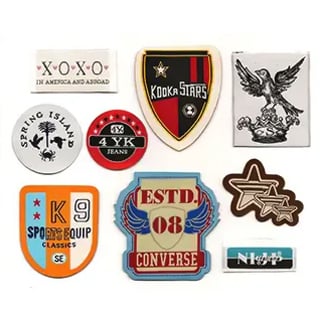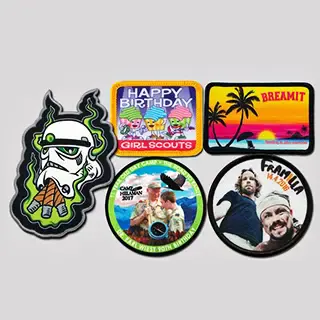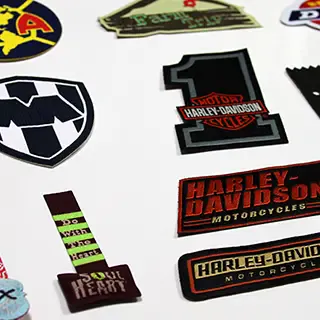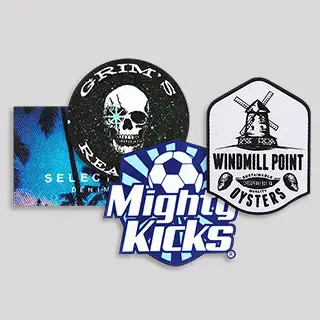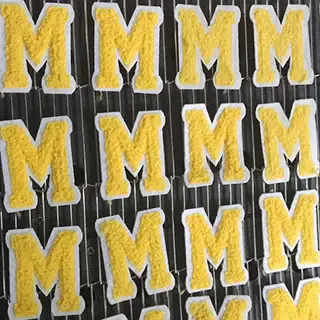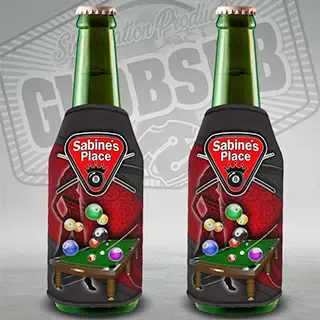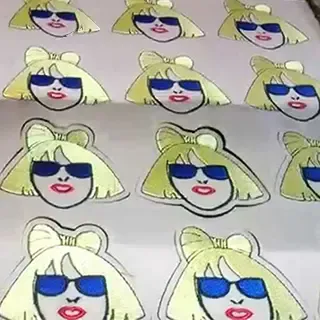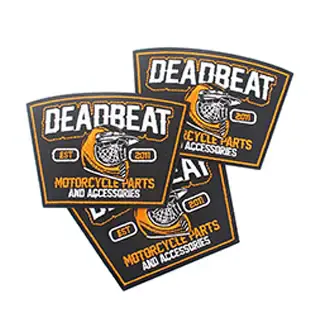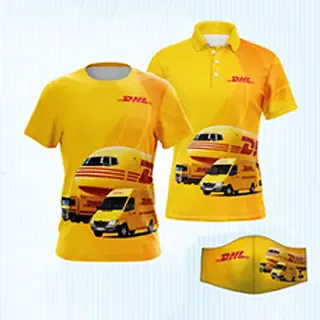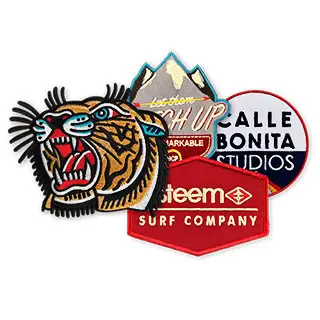


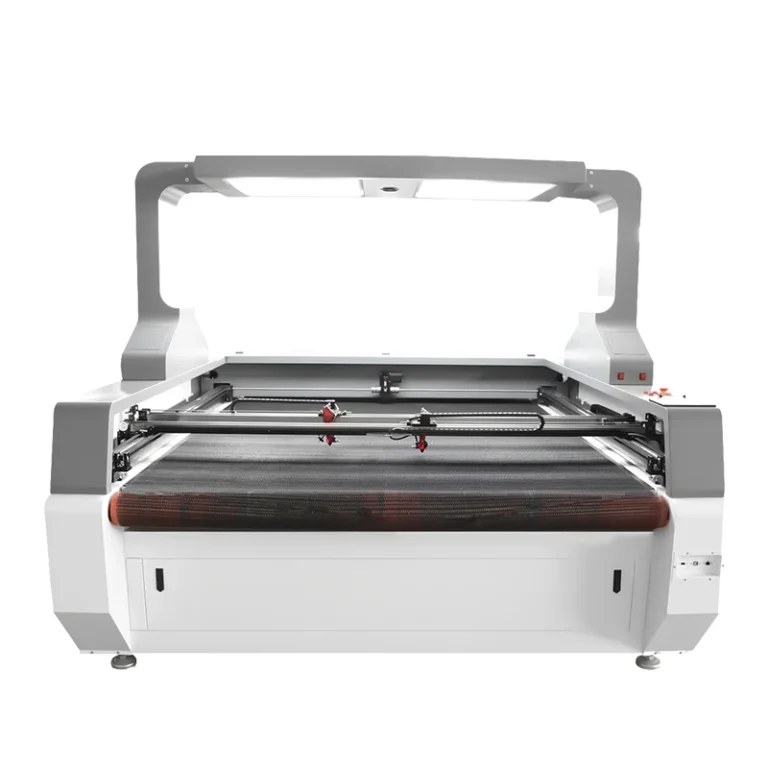
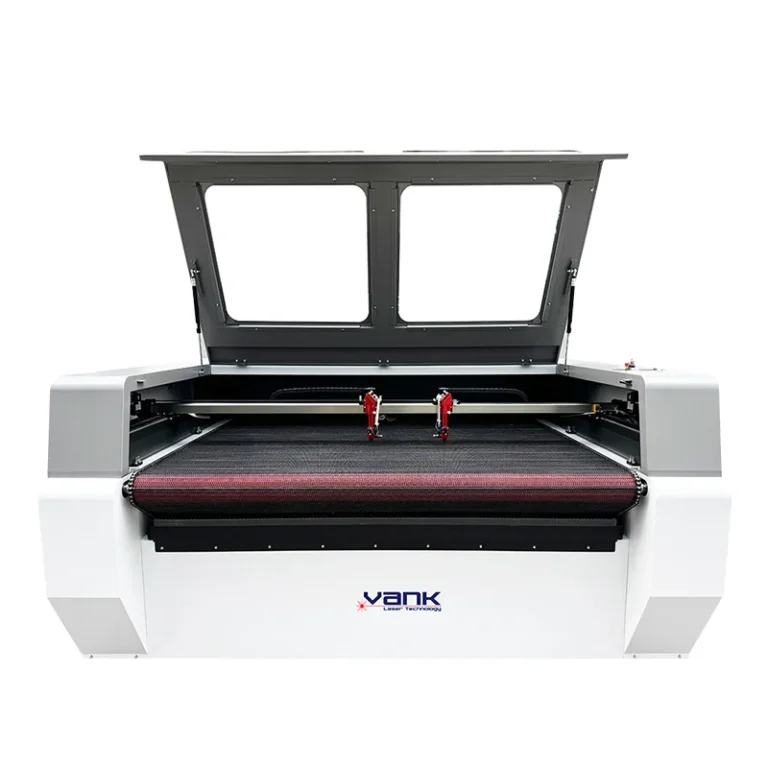
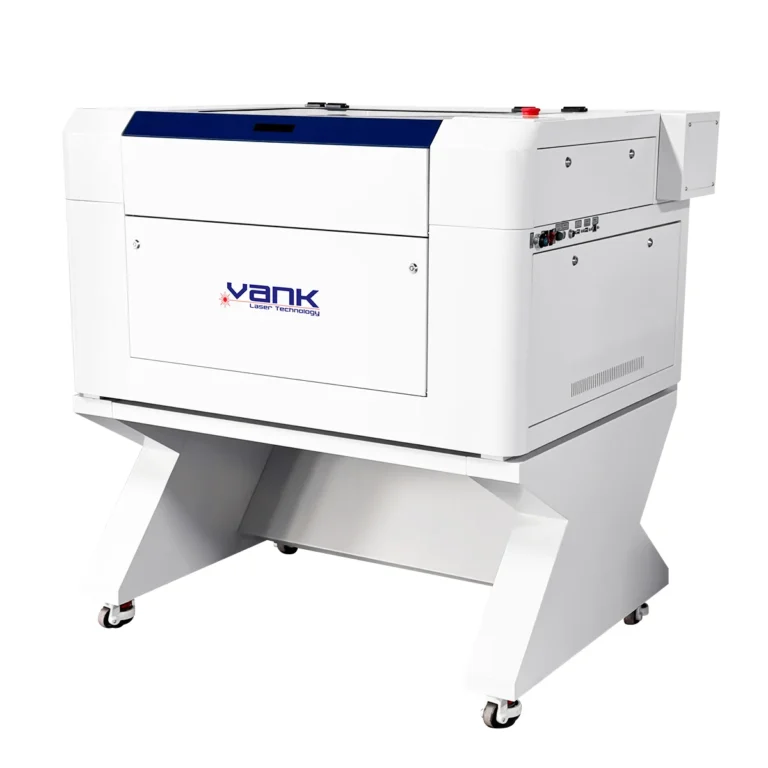
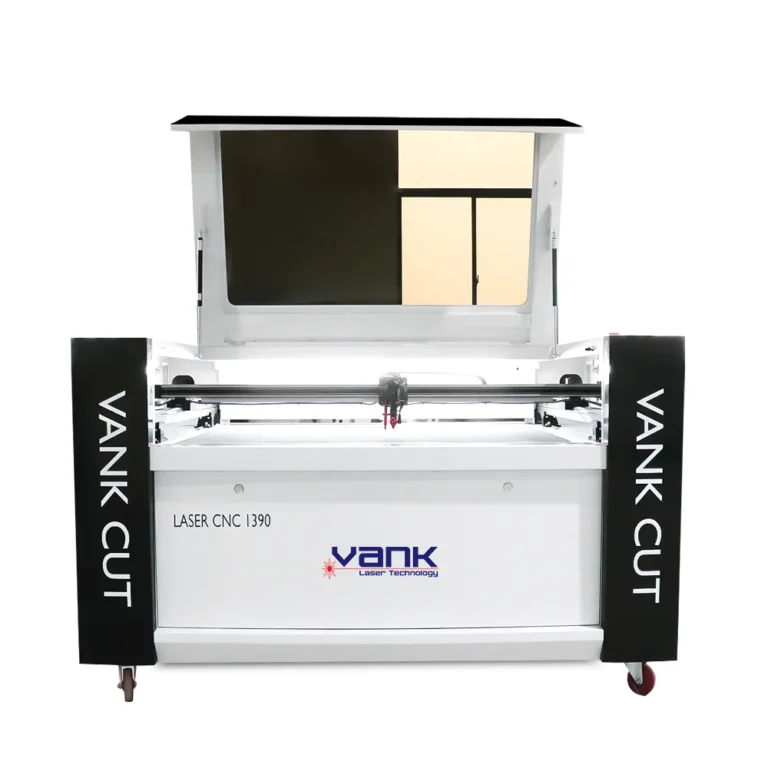
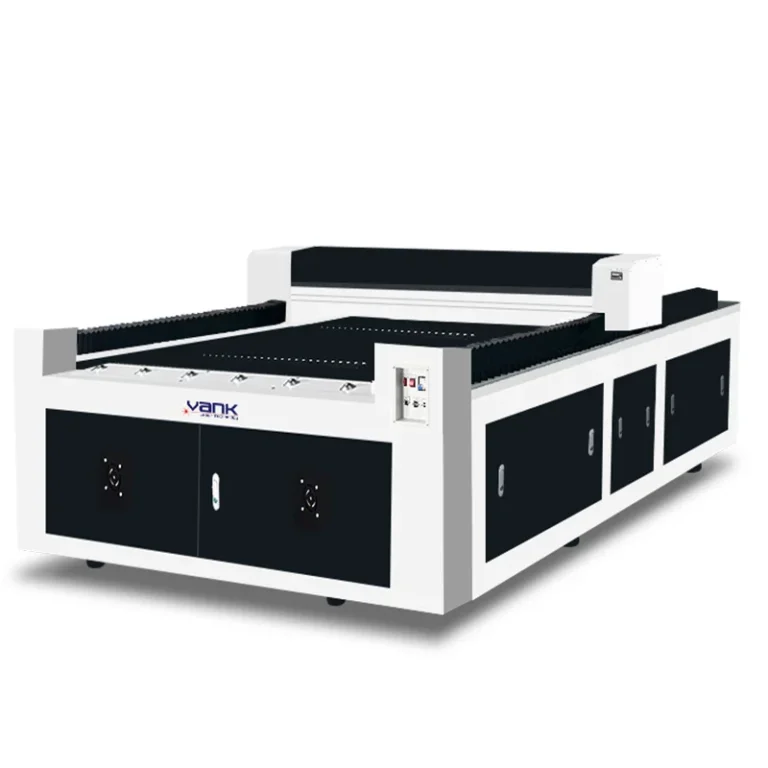
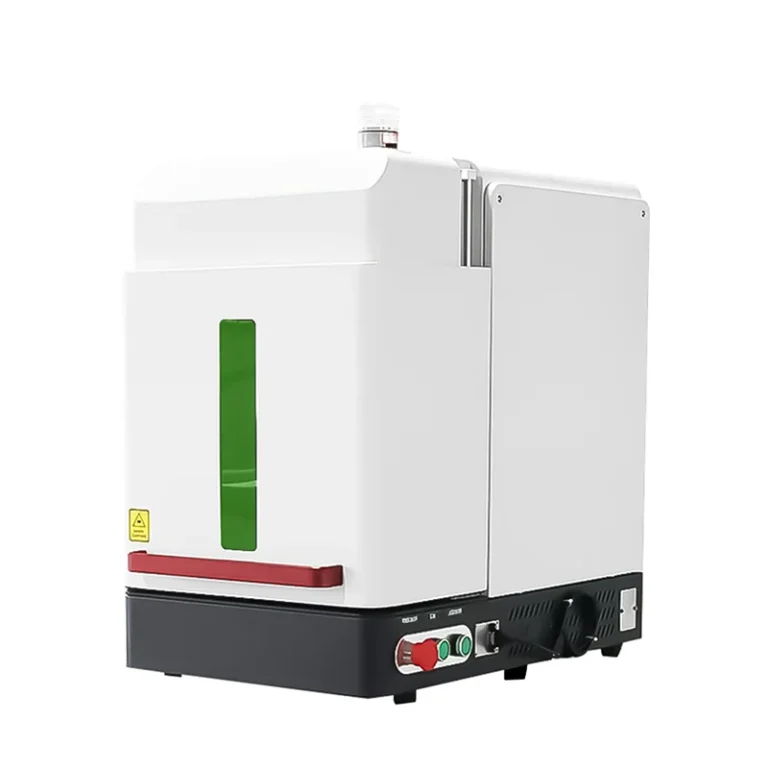
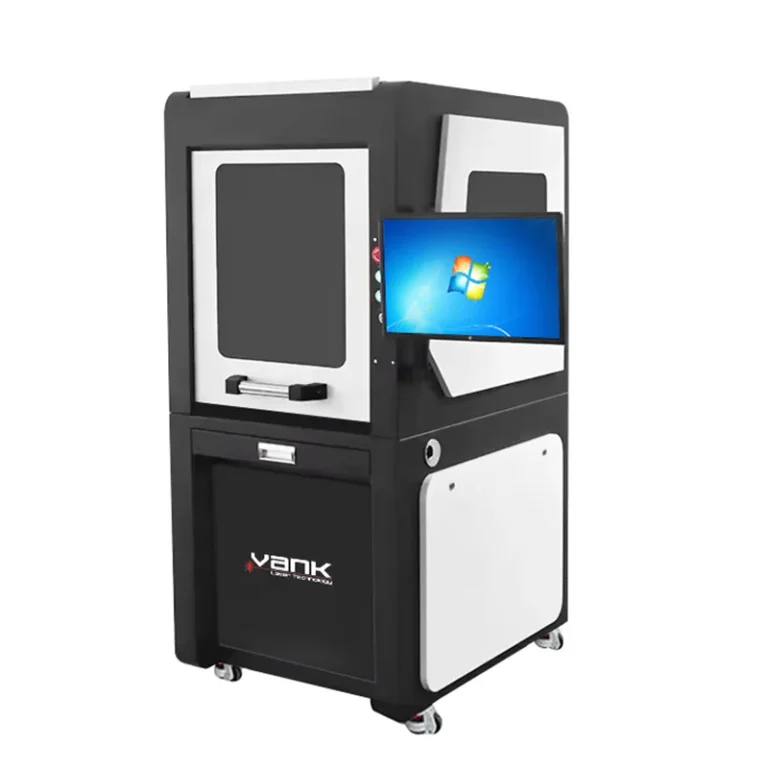
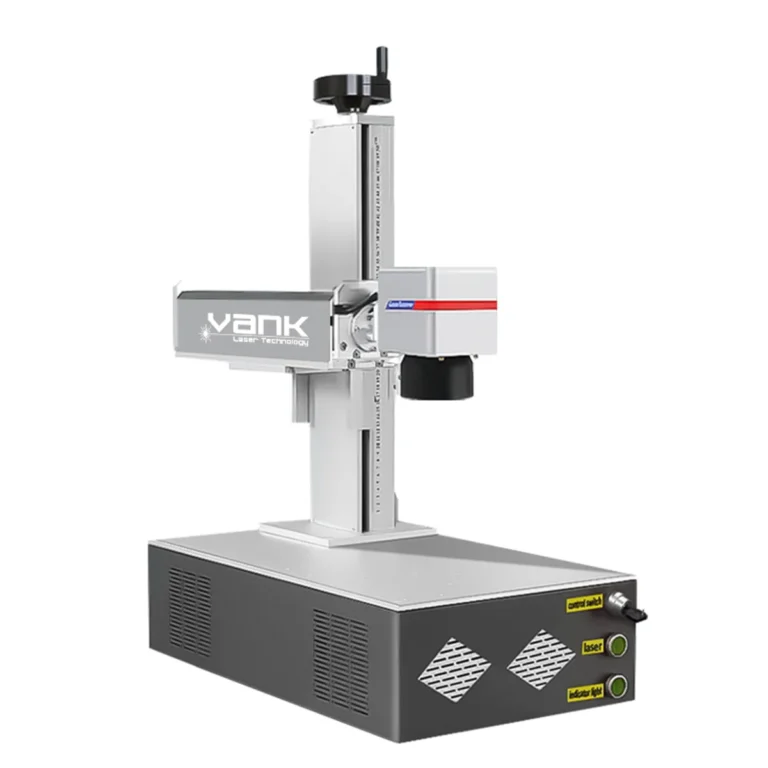
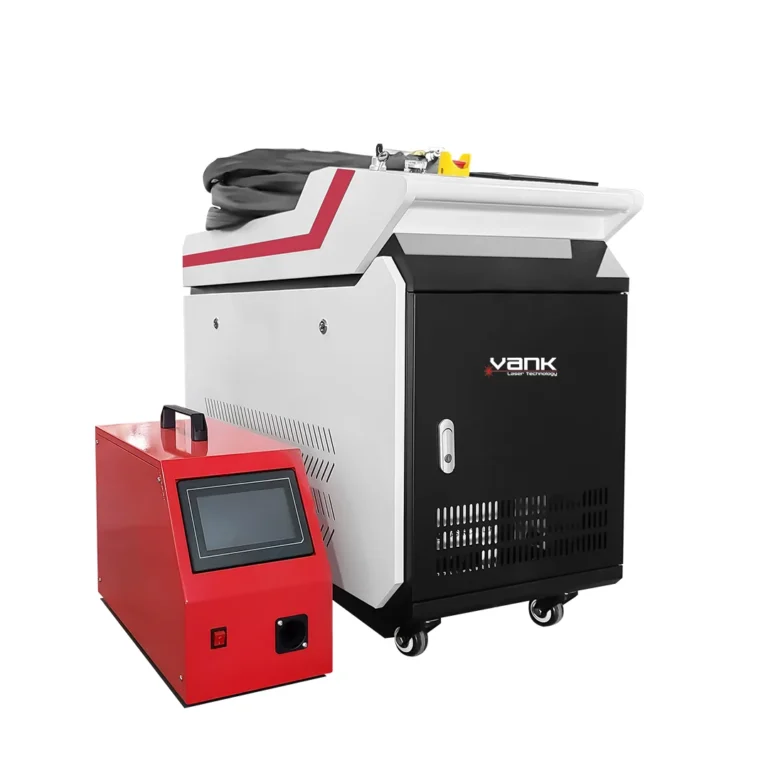
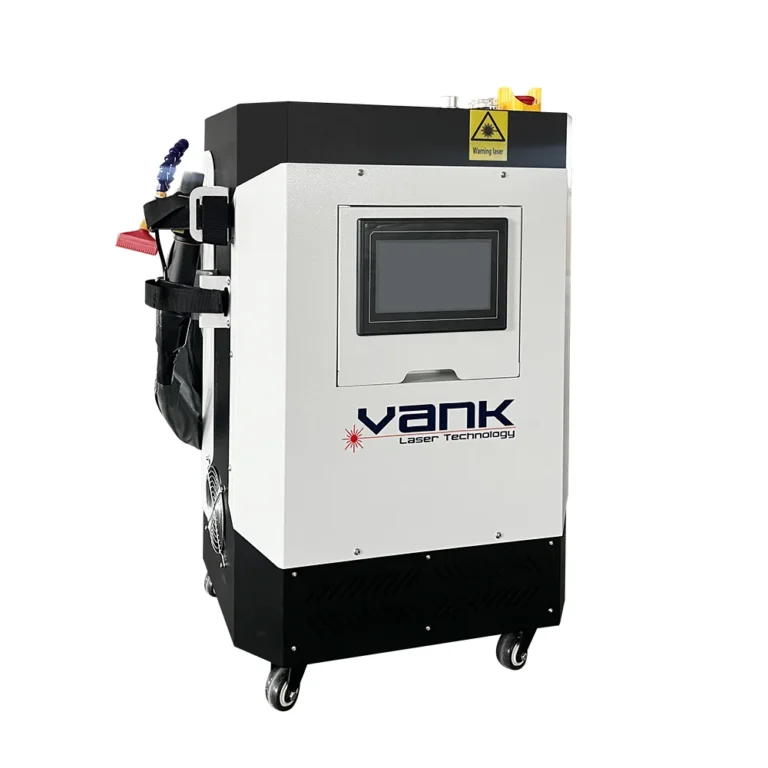
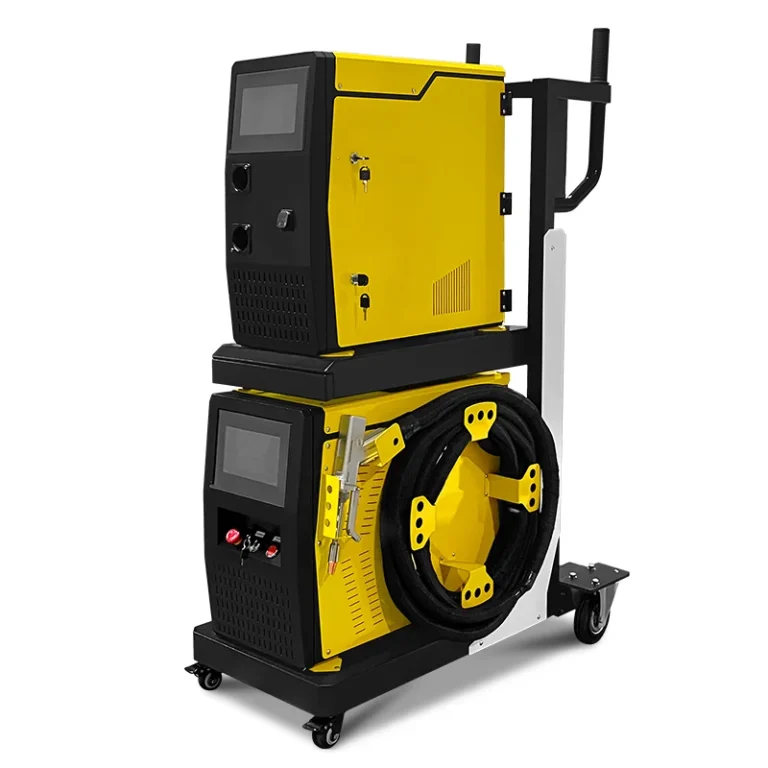
Logo laser marking starts with the material, not a universal setting. A 1064 nm fiber or MOPA source is normally evaluated for bare, anodized, coated or plated metals and for compatible engineering plastics; a UV source can reduce heat input on sensitive plastics, films and coated parts; and CO2 is commonly used for wood, paper, leather, textiles and selected coated surfaces. Exact alloy, resin, additive, color, coating, finish, thickness and part geometry can change absorption, contrast and heat response. Confirm the material grade and supplier safety data, then test the production part before release. Do not process PVC, halogenated polymers or unidentified composites. The gallery shows possible logo formats and branded products, including embroidered patches and decorated apparel; it does not imply that every visible decoration was produced by laser.
Artwork, process and acceptance must be qualified together. Supply clean vector artwork, convert fonts to outlines and define the finished size, minimum line width, fill, orientation and permitted marking area. Choose a field lens and fixture that keep flat or curved parts in focus, and approve a representative sample before production. Evaluate contrast, edge definition, small-detail readability, position, depth or surface change, heat tint, distortion and coating damage. Where durability matters, specify the real requirement and test abrasion, cleaning agents, solvents, heat, humidity or outdoor exposure; no process should be called fade-proof without application testing. A logo supports branding, while anti-counterfeiting or traceability normally requires controlled serial data, verified 1D/2D codes and production records. Use an enclosed or appropriately risk-assessed system, interlocks and trained operators, with extraction matched to the material and routine checks of focus, optics, fixtures and code quality.