

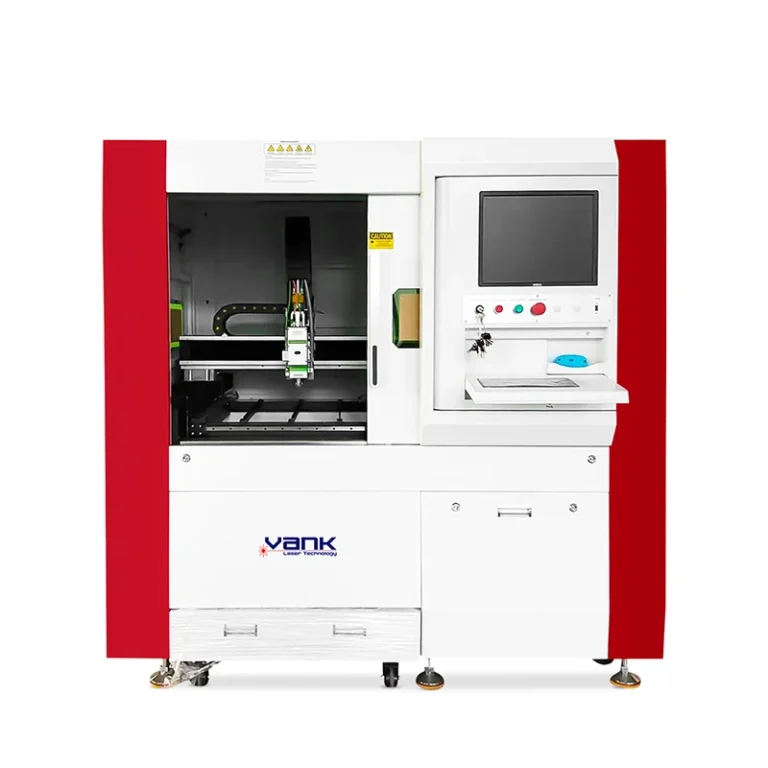
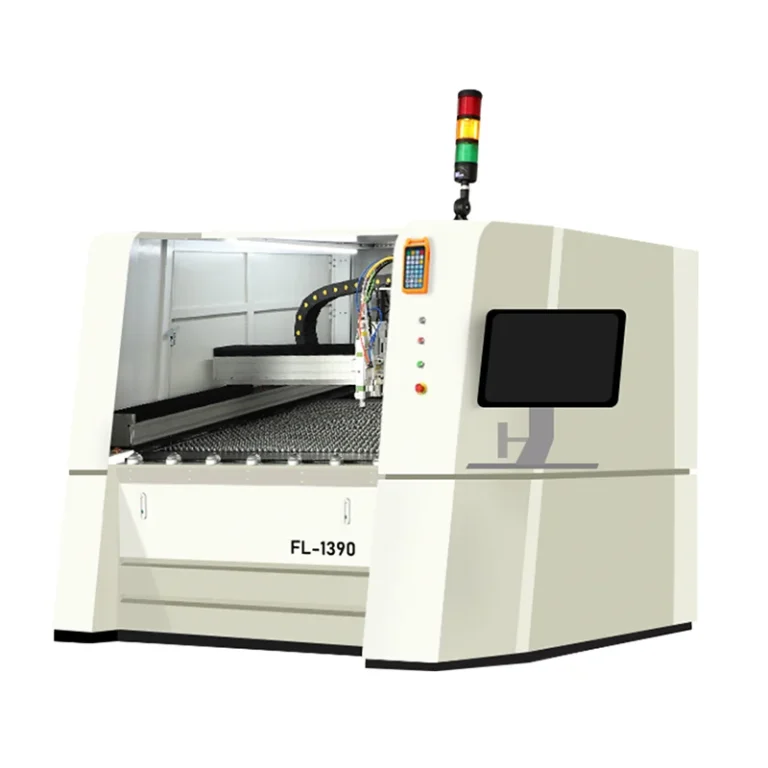
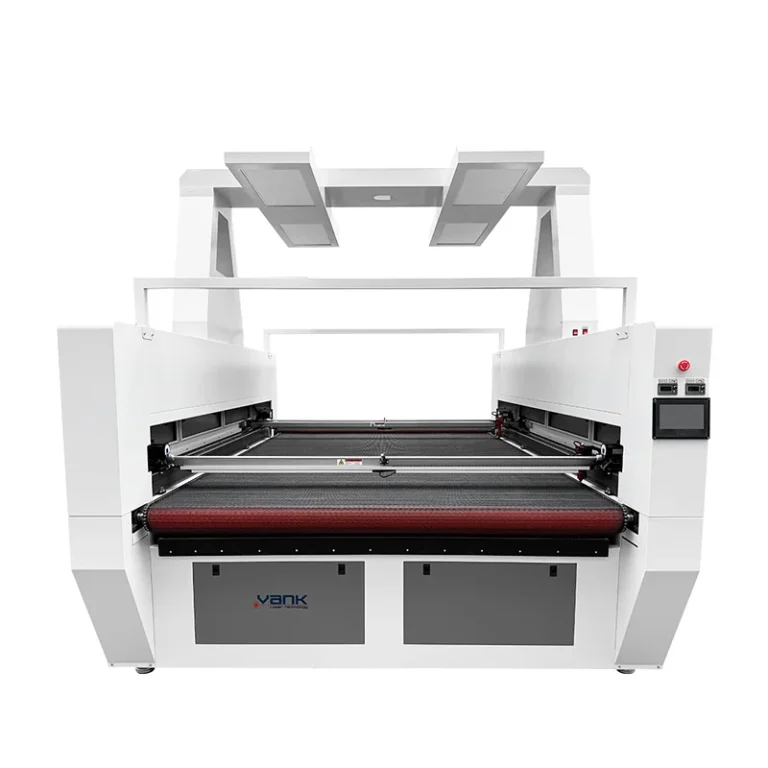
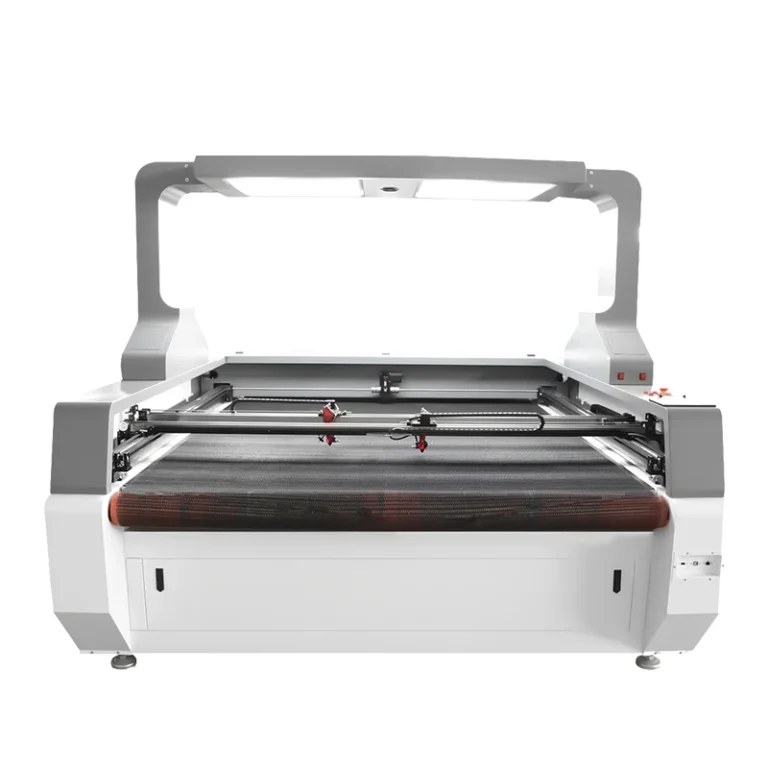
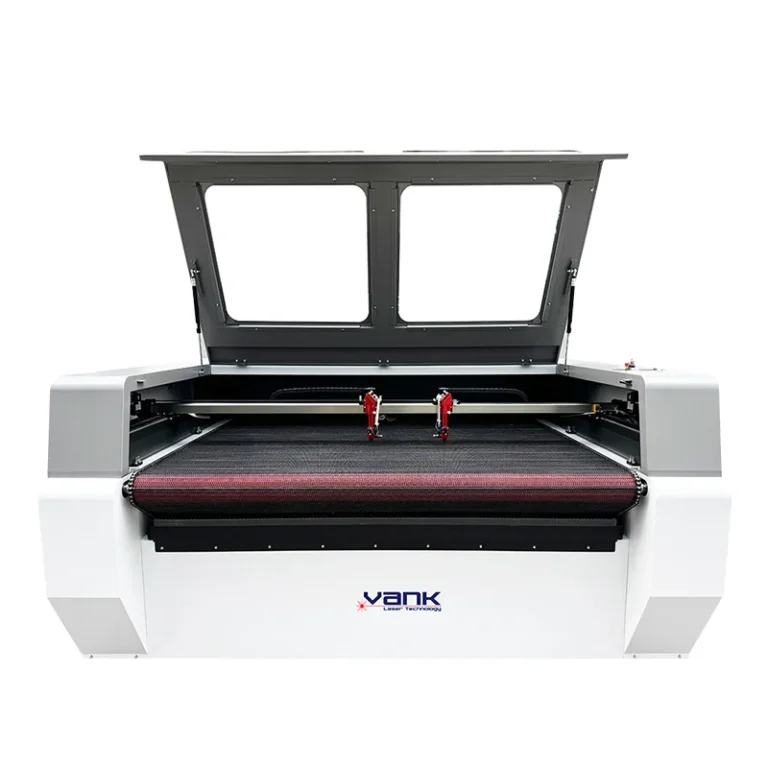
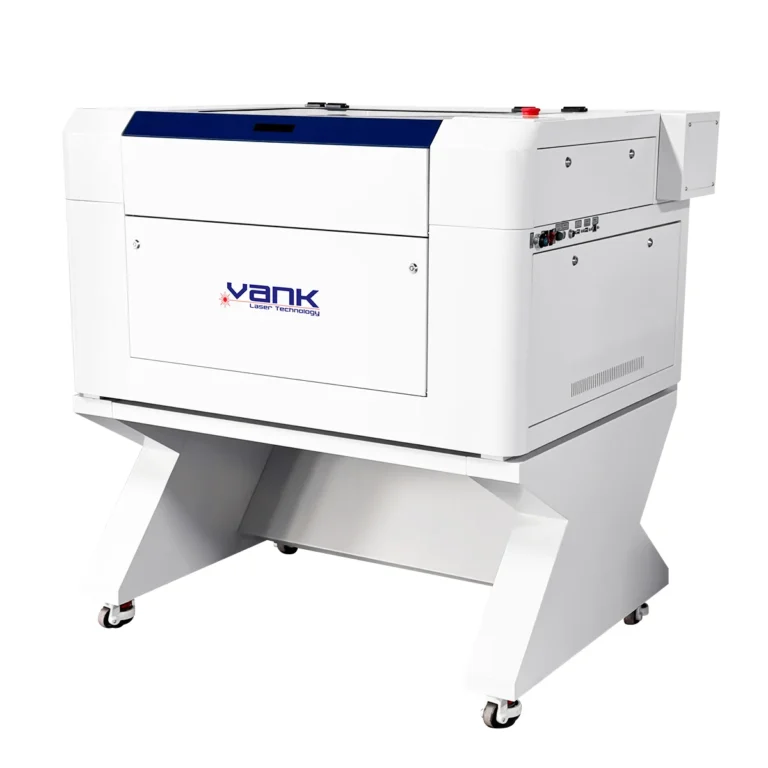
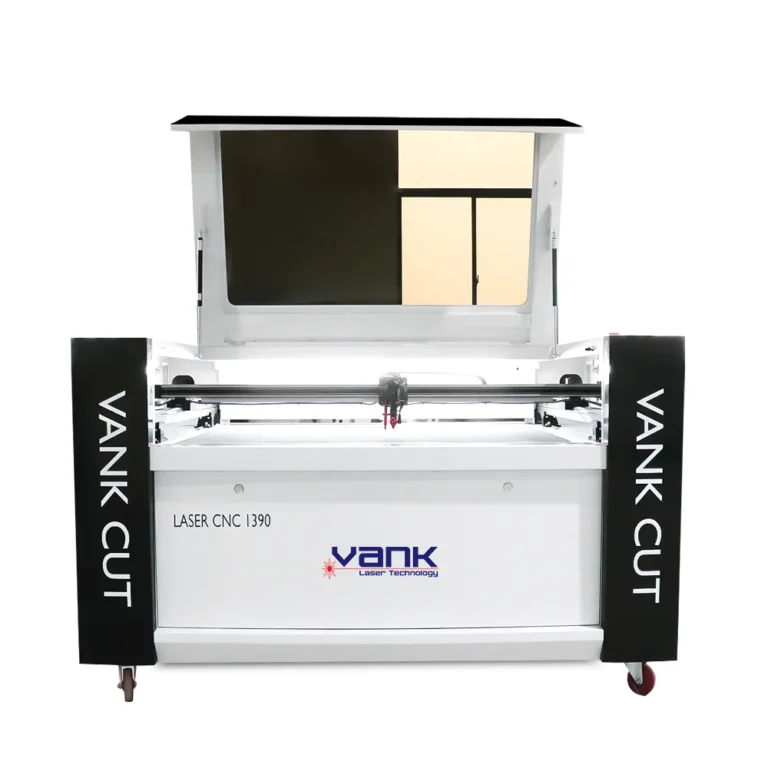
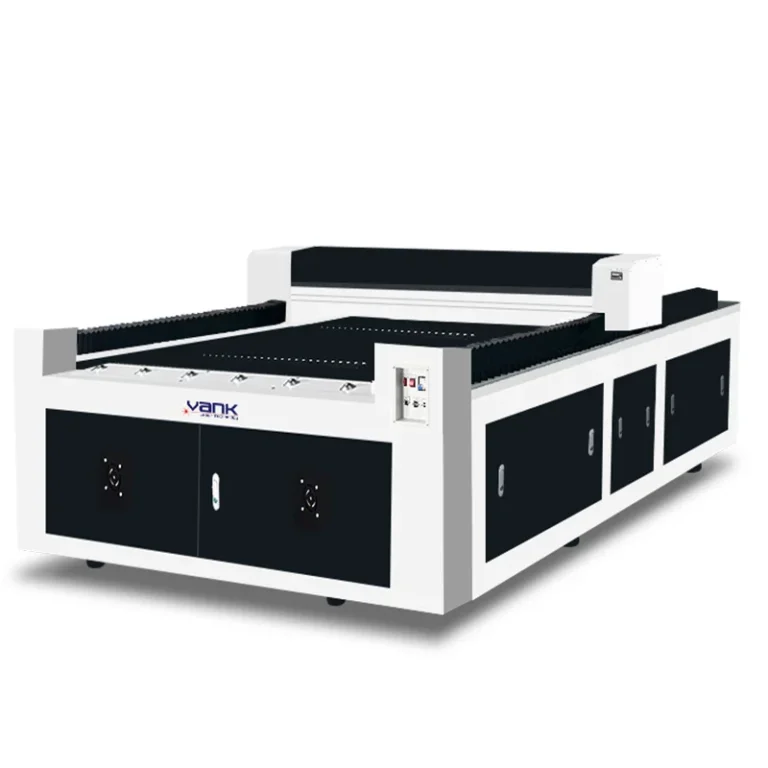
Laser selection and textile qualification. Natural and synthetic fabrics are normally cut or engraved with a CO2 laser because textile fibers absorb the 10.6 µm wavelength; a fiber laser is not the standard choice for fabric cutting. Cotton, linen, silk, wool, denim, felt, polyester, fleece and softshell can all respond differently. Synthetic fibers may melt and seal at the cut edge, while natural fibers can char or fray, and fine or heat-sensitive textiles may distort under engraving. Confirm fiber composition, blend ratio, weave or knit, weight, thickness, stretch, color, coating, backing, adhesive, dye and finish for the production batch. Review the SDS and supplier guidance for flame retardants and chemical treatments, and do not test PVC, halogenated, carbon-fiber or unidentified coated textiles.
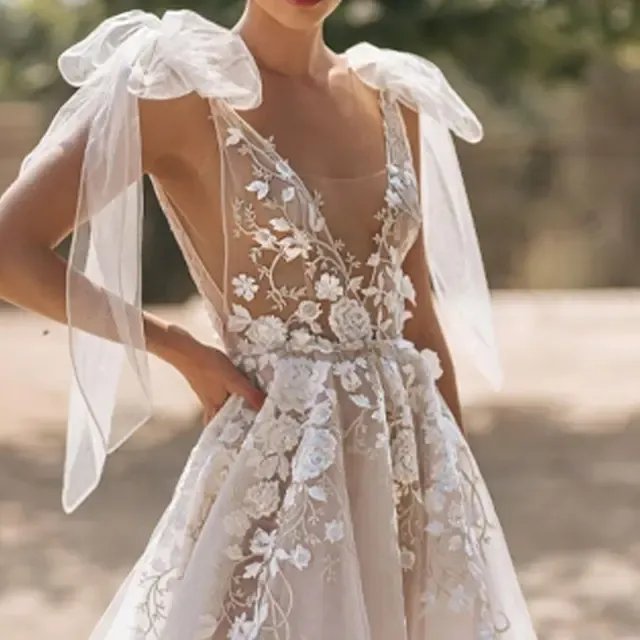
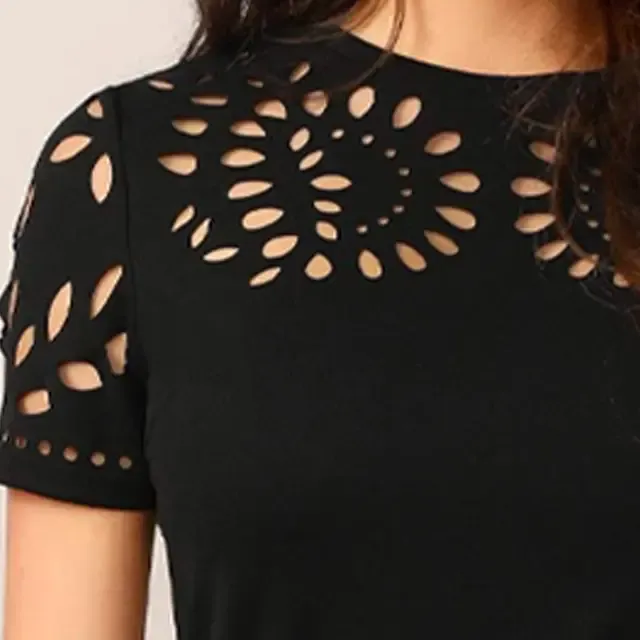
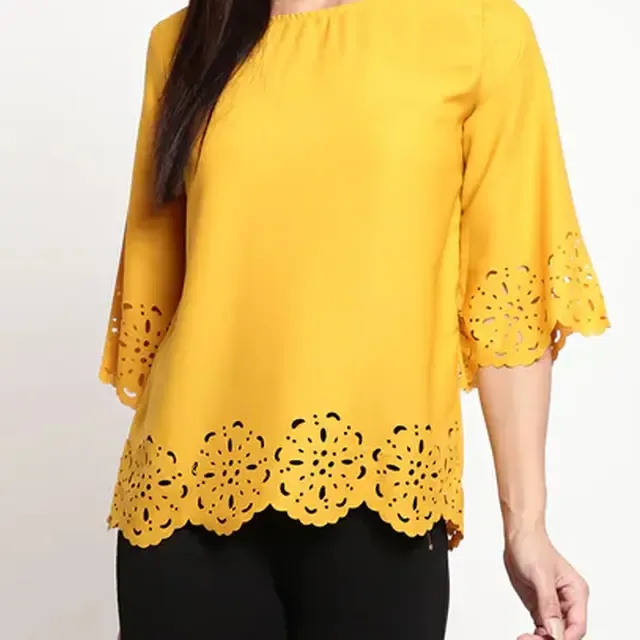
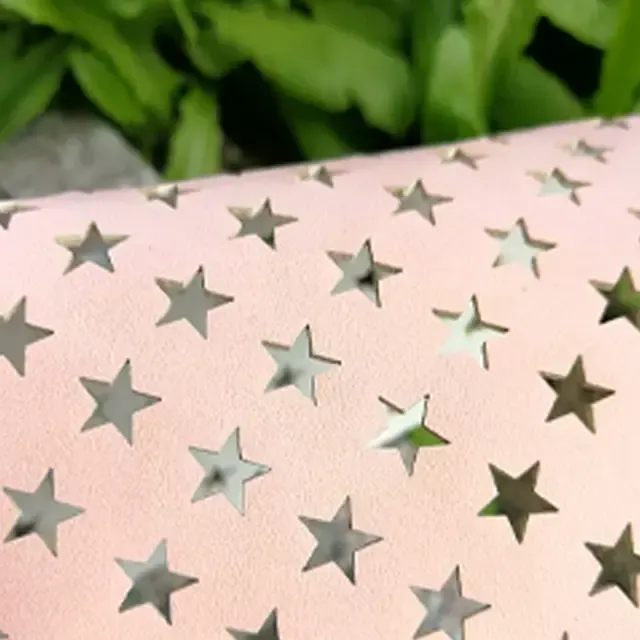
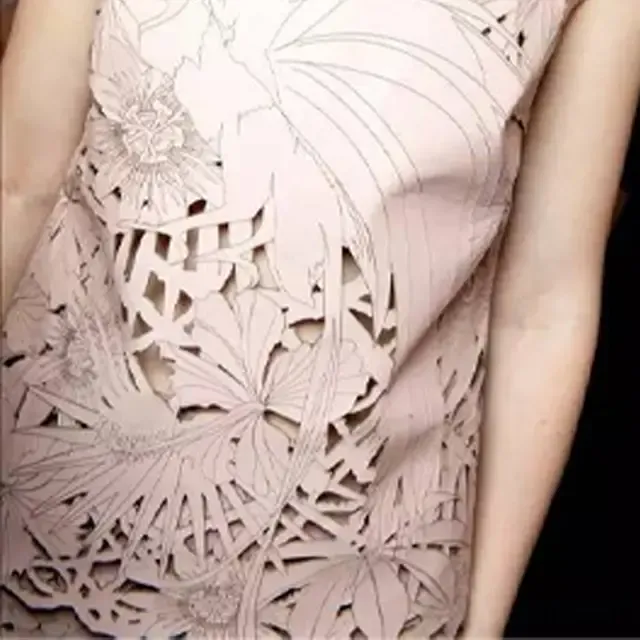
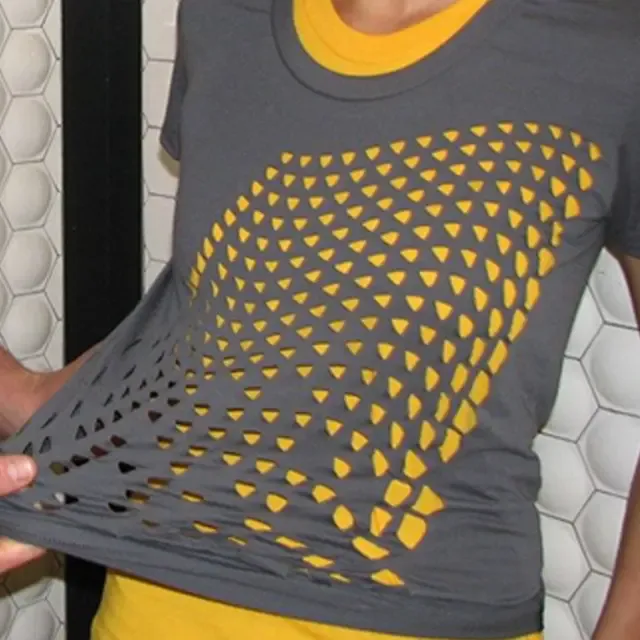
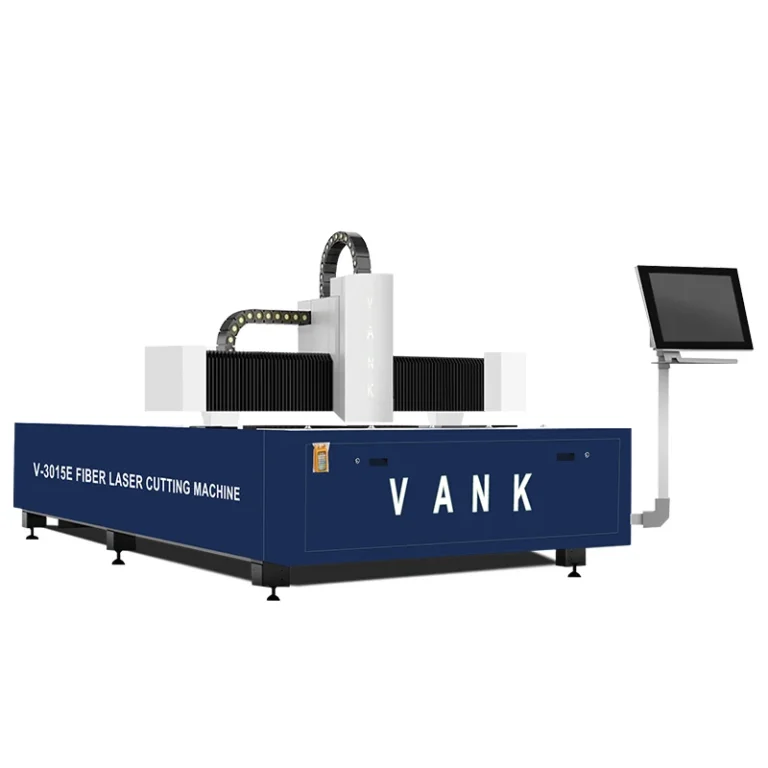
Applications, process control and safety. CO2 laser cutting and engraving supports apparel panels, lace effects, perforated sportswear, denim surface effects, curtains, upholstery, flags, banners, felt decoration, plush components, filters and technical-textile prototypes. Production approval should use the real roll, artwork and downstream process to verify cut width, edge seal or fraying, melt beads, scorch, smoke staining, shrinkage, stretch recovery, dimensional registration, small-feature strength, color change, wash resistance and sewing or bonding performance. Power, speed, focus, line interval, frequency, air assist, support, roll feeding and extraction must be qualified for each construction; a clean cut does not by itself prove long-term durability. Use effective local exhaust, keep the bed, optics and ducting clean, remove lint and offcuts, and never leave cutting unattended because fabric and accumulated fibers can ignite. For a machine recommendation and sample test, provide the fabric datasheet, fiber blend, coatings, roll width, maximum pattern size, artwork, batch target, required finish, feeding method, extraction needs and destination power supply.