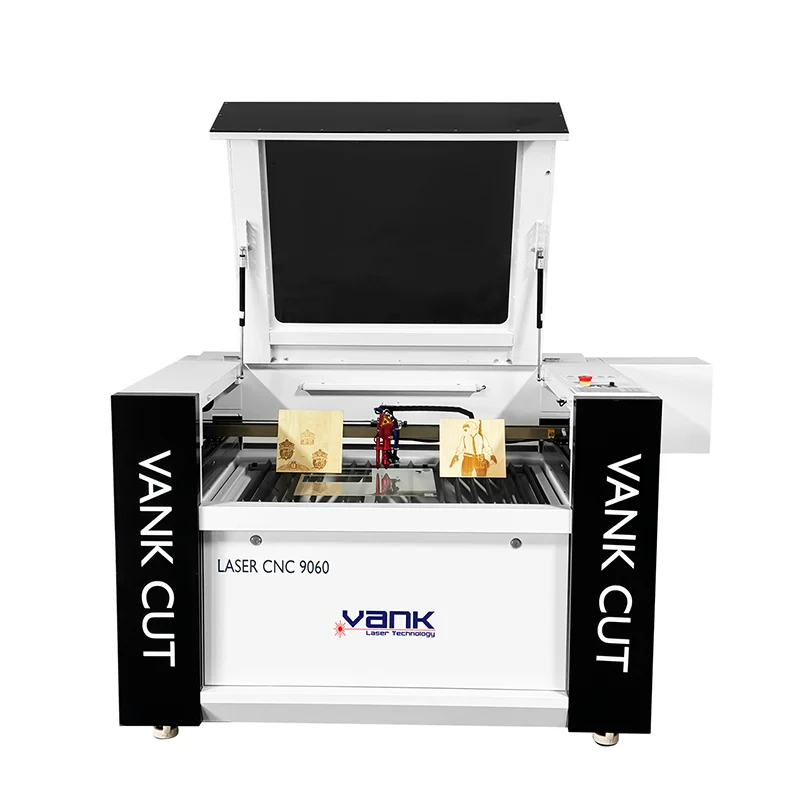



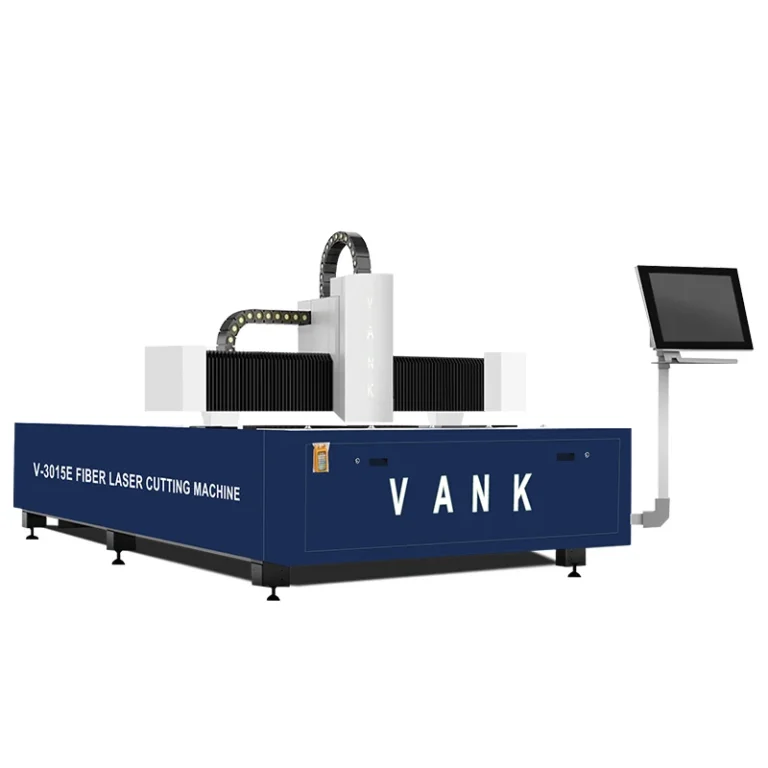
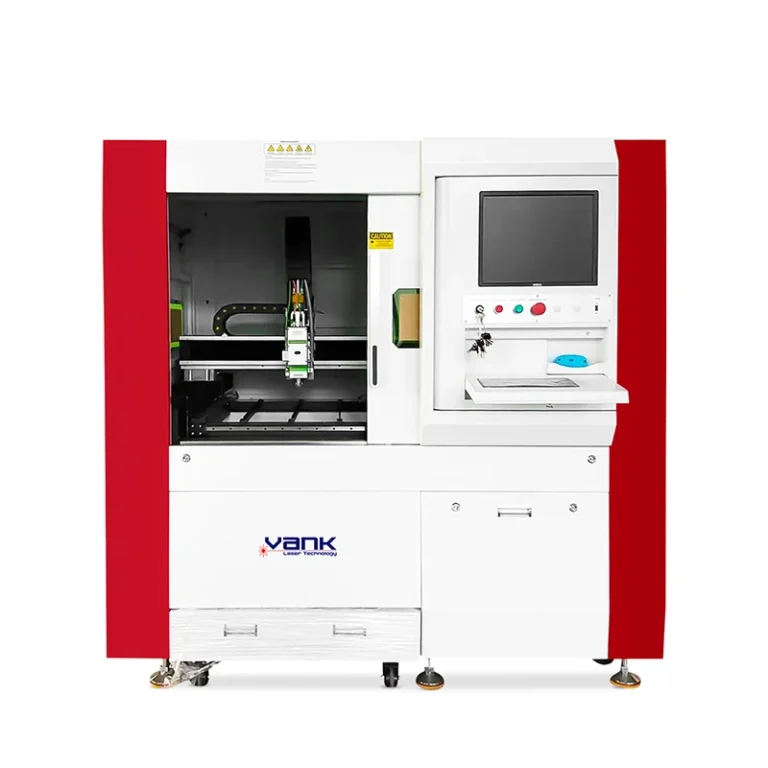
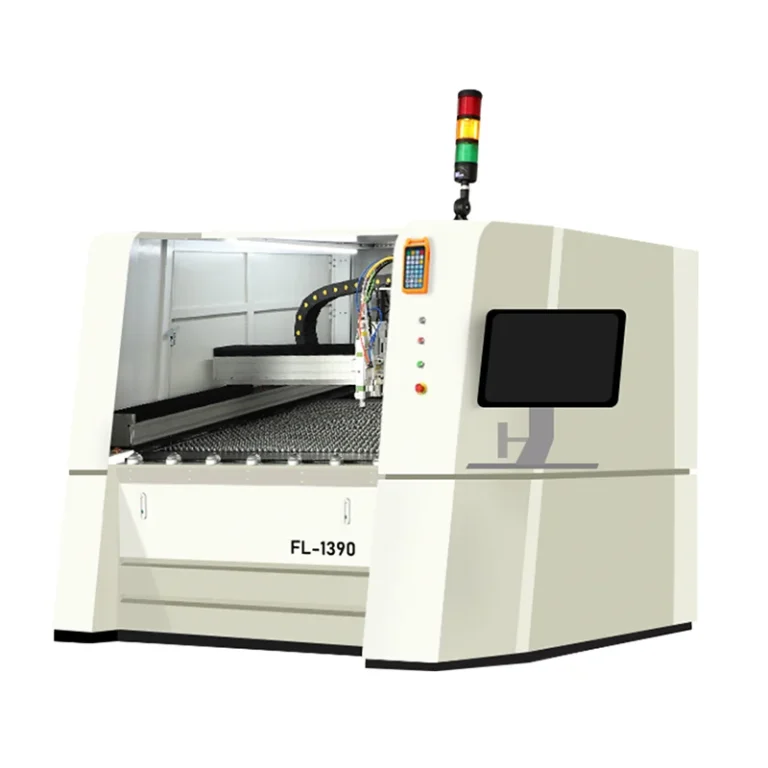
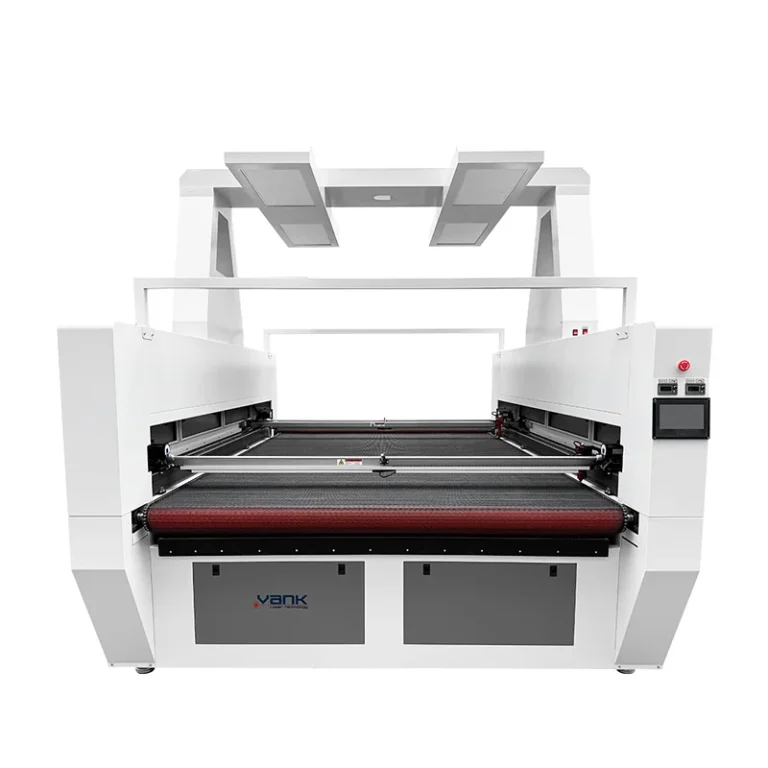
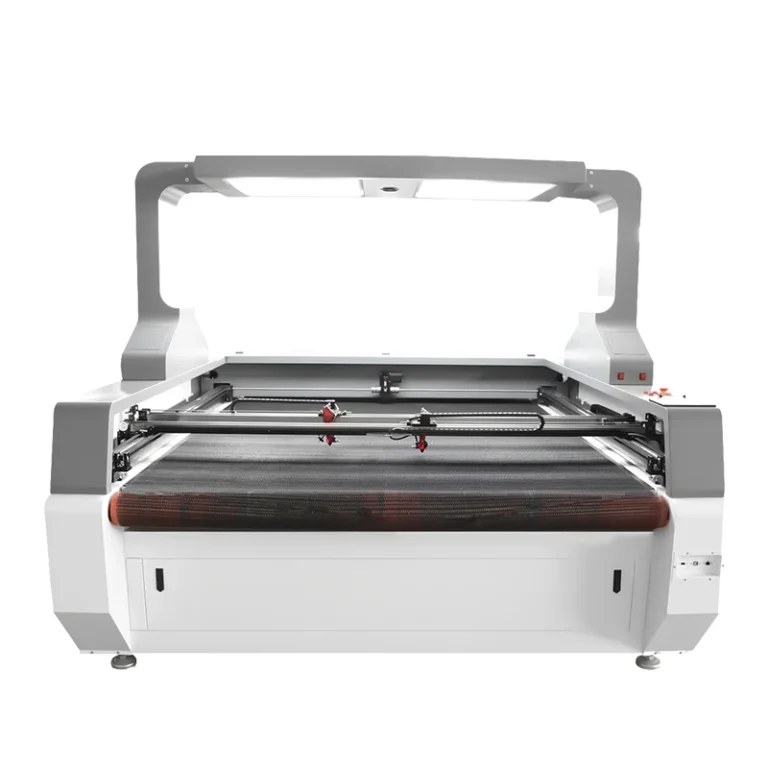
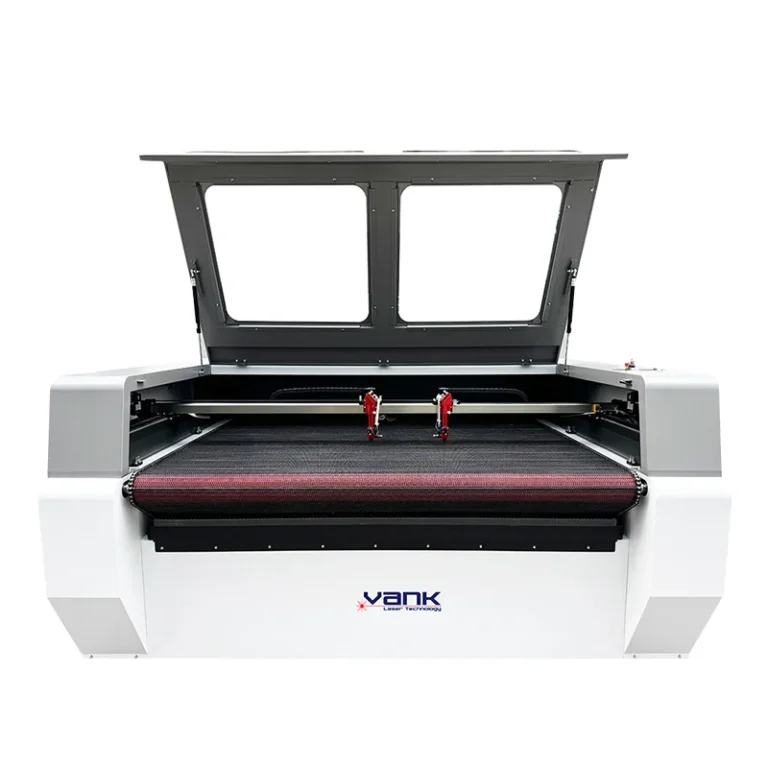
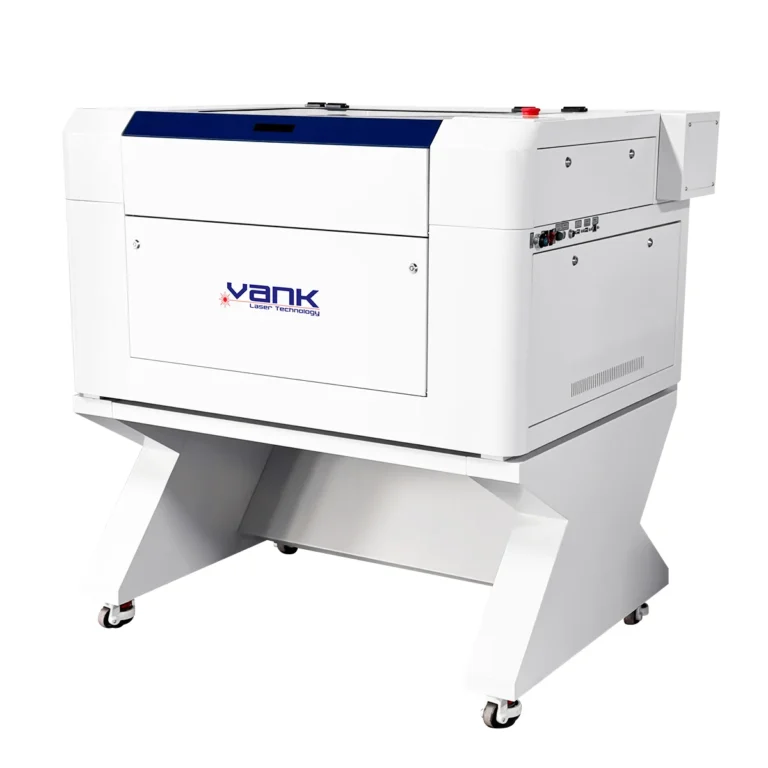
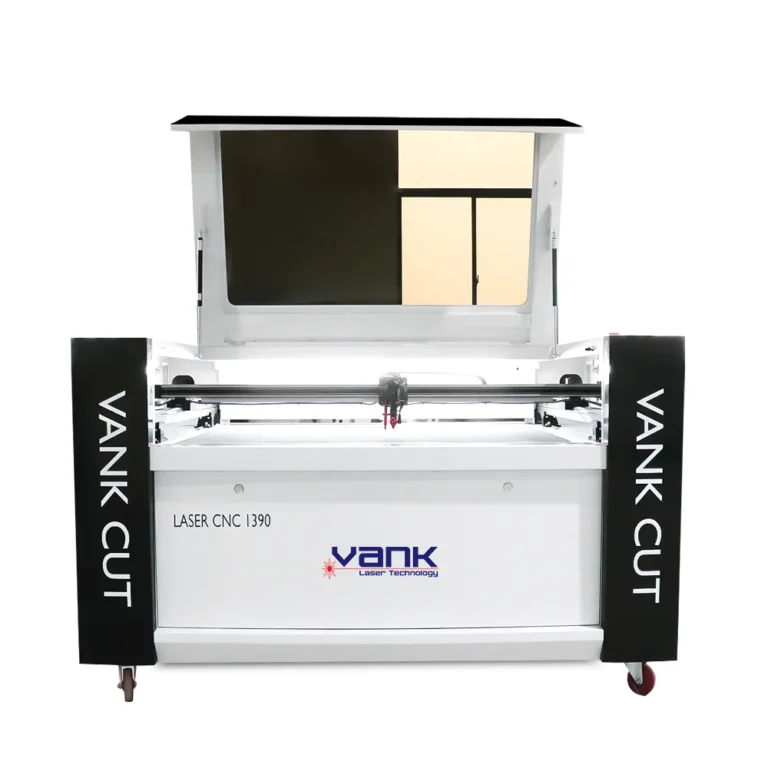
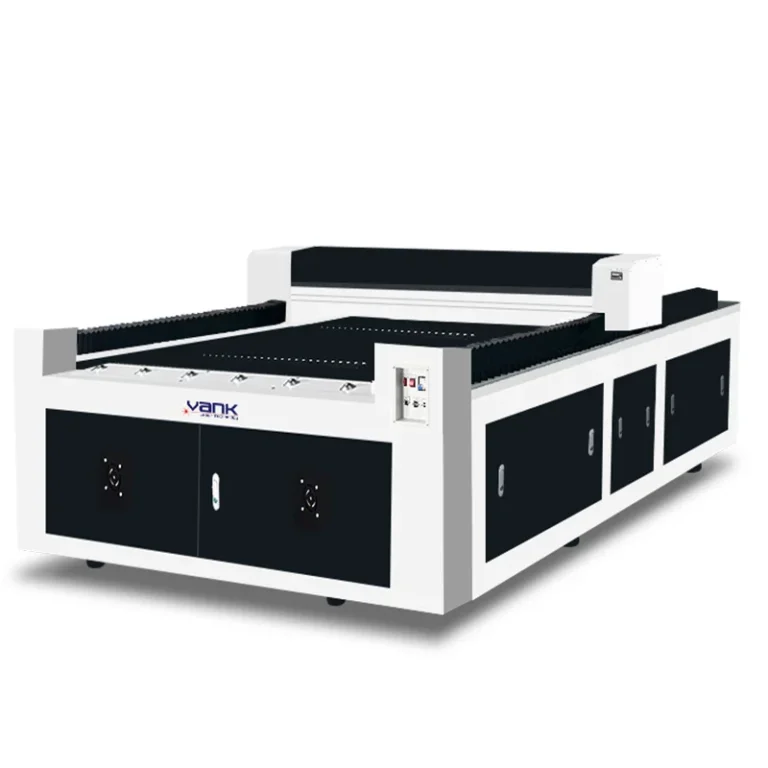
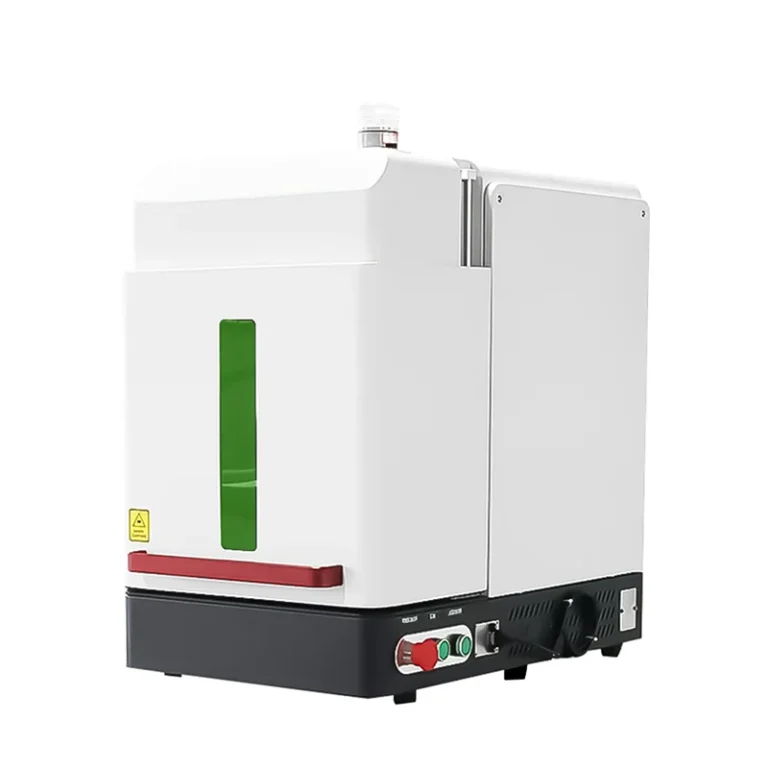
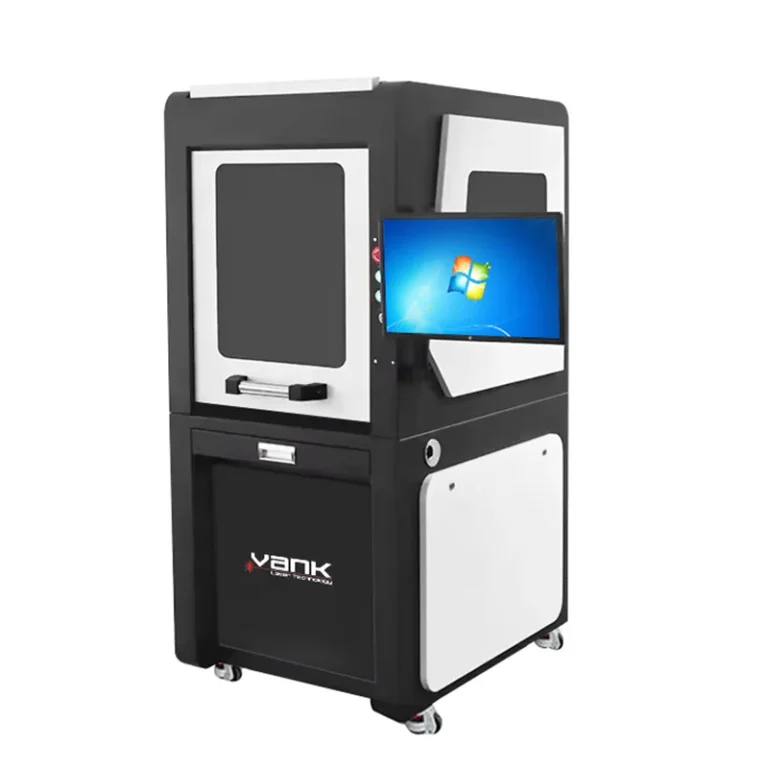
A CO2 fabric laser cutting machine should be selected from the textile, stock format and accepted part, not from wattage or table size alone. Fiber composition, coatings, print method, stretch, edge requirement, roll behavior and production output all change the correct configuration.
First decide whether the job uses blank sheets, nested garment panels, printed contours or continuous roll media. Then define usable width, registration tolerance, accepted parts per hour, extraction, fire controls, software and factory acceptance evidence.
This guide covers the broad textile workflow. Sportswear registration and industrial production-line articles can then provide deeper application-specific checks without replacing a representative sample test.
Fabric Laser Cutting Machines for Clothing and Textile provides the platform overview. CO2 Laser Fabric Cutter with Auto Feeding and Vision Camera covers roll transport and registration. High Precision CO2 Laser Fabric Cutter for Printed Textiles is a further direction for validated contour work.
Why CO2 Laser Cutting Can Suit Textile Work
A CO2 laser can cut many approved organic and synthetic textiles without a blade contacting the material. That can support frequent design changes and complex outlines, but suitability must be confirmed from exact composition, finishes, adhesives, inks and supplier safety information.
Some thermoplastic fibers can melt and seal at the cut edge, while natural fibers may char, discolor or fray differently. Define the accepted edge appearance, strength and residue for each textile instead of promising “fray-free” results for every fabric.
Representative materials to qualify include:
- Polyester fabric, including blend ratio, finish and coating;
- Sublimation-printed polyester with the production ink and paper process;
- Sportswear textiles with stretch and recovery data;
- Nylon fabric with exact grade, coating and heat response;
- Cotton and cotton blends with accepted browning and edge criteria;
- Felt with documented fiber composition and density;
- Nonwoven media with binder and coating information;
- Lace with minimum feature, support and scorching criteria;
- Mesh with opening size, distortion and small-part retention checks;
- Soft-signage textile with print, coating and roll-tracking data;
- Leather or coated textile only after composition review; exclude PVC/vinyl and chromium(VI)-containing leather;
- Labels and patches with verified backing, adhesive, embroidery and code requirements.
Digital cutting removes the cost of a physical die for every revision, but it does not remove setup. Include artwork cleanup, nesting, focusing, parameter control, loading and inspection time in the production study.
Textile Applications and Their Configuration Priorities
Sportswear and Sublimation Panels
Printed sportswear panels can stretch or shrink between printing and cutting. Qualification should use production artwork, real fiducials or contours, actual ink and representative distortion across the full usable field.
CO2 Laser Cutter for Sportswear and Sublimation Fabric explains the registration workflow in more detail. Approve the system from measured contour error and accepted-part output, not a camera label alone.
Specify camera field, calibration method, lighting, correction model, roll tracking, indexing repeatability, file workflow and extraction together with the laser process.
Printed Textiles and Contour Cutting
Printed-media cutting must account for scale change, local distortion, rotation and feed skew. State the registration tolerance at the center and edges of the working field and how it will be measured.
CO2 Laser Fabric Cutter with Auto Feeding and Vision Camera is the relevant route for continuous printed rolls. Confirm feeder limits, conveyor width, tension control, camera workflow and production repeatability in writing.
Use representative jobs such as:
- Printed garment panels with real fiducials and distortion;
- Sublimation textile from the normal printing workflow;
- Soft-signage graphics at production roll width;
- Fabric labels with minimum text and contour features;
- Embroidered patches with height and lighting variation;
- Decorative textile parts with small internal cutouts;
- Custom garment pieces nested at production spacing.
Lace, Embroidery and Detailed Shapes
Fine textile features require stable support, controlled heat input and effective fume removal. Test minimum webs, internal corners, small-part retention, browning, melted residue and dimensional change.
Use vision only when the machine must follow an existing embroidery or printed reference. For blank lace or vector jobs, compare the added setup against the measurable registration benefit.
Samples and Short-Run Apparel
Sampling values fast file changes and low setup time more than maximum continuous throughput. Record import, nesting, parameter recall, loading, cutting and inspection time for a typical style change.
A short-run test should include:
- Sample development from the buyer’s CAD files;
- Small-batch production with realistic style changes;
- Custom fashion pieces with varied geometry;
- Decorative fabric parts with minimum features;
- Prototype garment panels with dimensional checks.
Leather, Bags and Accessories
Natural leather varies by hide, tanning, finish and moisture. Coated or synthetic “leather” may contain PVC or other unsafe chemistry. Require supplier composition or SDS documentation before laser processing and reject unknown material.
Test odor and emissions control, edge color, charring, residue, dimensional accuracy and engraving appearance. Exclude chromium(VI)-containing leather and any material that the safety review does not approve.
Auto Feeding for Roll Fabric
Use a fixed bed for sheets and discrete samples when continuous transport is unnecessary. Use automatic feeding when the approved roll must be indexed repeatedly through a conveyor while controlling tension, skew and wrinkles.
Treat the feeder, unwinder and conveyor as one system. Specify roll width, diameter, core, weight, elasticity, edge condition, usable conveyor width, index length, tracking method and whether a take-up unit is required.
A roll-feed FAT should cover:
- Minimum and maximum approved roll width and weight;
- Continuous production with the normal textile and roll length;
- Printed sportswear material with actual distortion where relevant;
- Sublimation fabric from the buyer’s production process;
- Soft signage at the required usable width;
- Long parts that cross more than one indexing cycle;
- Accepted parts per hour, feed error, scrap and restart behavior.
Record first-to-last-part dimensions and registration over a representative run. A successful single index does not qualify continuous production.
Vision Systems for Printed Fabric
A vector file can drive blank-material cutting, but printed textiles require the system to reconcile the file with the real print. Define whether it detects fiducials, contours, natural features or a complete overhead field.
Camera resolution alone does not establish accuracy. Calibration, lens distortion, field coverage, lighting, print contrast, software correction and material movement all affect the result.
CO2 Laser Cutting Machine with CCD Camera Visual is one vision-system reference. Require measured registration error across the usable area with the buyer’s material and artwork.
Representative vision jobs include:
- Sublimation sportswear panels with distorted prints;
- Printed fabric at different positions and rotations;
- Printed labels with minimum contour tolerances;
- Embroidered patches with raised texture and variable lighting;
- Approved leather contour work with known composition;
- Soft signage at full production width;
- Patterned parts over a representative continuous run.
1812 Top Vision Fabric Laser Cutting Machine is another platform direction. Confirm camera coverage, calibration, usable bed, file workflow and acceptance tolerance for the quoted configuration.
Multi-Head Cutting: Verify Throughput, Spacing and Risk
Multiple heads can improve output only when parts can be nested for parallel cutting. They may also restrict usable area, head spacing and layout flexibility, so compare accepted-part throughput with a single-head configuration.
A multi-head test should document head count and spacing, synchronized behavior, collision and exclusion zones, parameter consistency, nesting, cycle time, accepted parts and scrap on a representative job.
Choose from measured capacity demand. High daily volume alone does not justify extra heads if styles change frequently or the layout cannot keep every head productive.
How to Specify a CO2 Fabric Laser Cutting Machine
Issue one written production brief to every supplier. Compare the complete line, utilities and accepted output rather than a base-machine price.
1. Material Identity and Safety
Provide trade name, supplier, exact composition, coating, ink, adhesive, backing, SDS and thickness range. Do not rely on broad labels such as “synthetic leather” or “technical textile.”
Approve each production material through sample processing, emissions review and written acceptance criteria before ordering.
2. Stock Format and Handling
State whether material is sheet, panel or roll and provide maximum width, length, diameter, core and weight.
For rolls, specify unwinding, tension, edge guiding, conveyor, index length and take-up. For printed rolls, add the required camera workflow and registration tolerance.
3. Usable Work Area
Confirm usable X/Y travel after fixtures, camera limits or multiple heads. Match it to the largest stock, part, nesting margin and loading method, then verify external footprint and service clearance.
Send the maximum stock width and a representative nesting file so the supplier can demonstrate real utilization instead of quoting nominal table dimensions.
4. Quality and Registration
Define dimensional tolerance, contour error, edge color, fraying or melt behavior, residue, minimum feature and accepted visual sample. Printed jobs also need a measured registration method.
5. Capacity and Changeover
Specify accepted parts per hour, shifts, batch size, style changes and scrap target. Compare complete jobs including loading, feeding, registration, cutting, unloading and inspection.
6. Extraction, Fire Control and Utilities
Size extraction from the approved textile, bed volume, duct route and filtration or discharge requirements. Include air assist, supervision, housekeeping, suitable fire response, electrical supply, compressed air, ambient limits and local compliance.
Vank Laser Platform Directions to Compare
Roll Fabric, Feeding and Vision
CO2 Laser Fabric Cutter with Auto Feeding and Vision Camera is the relevant direction for approved rolls that require continuous indexing and printed registration.
Confirm the exact feeder, conveyor, usable width, camera, controller, source, extraction and acceptance test in the signed BOM.
Printed Textiles and Detailed Contours
High Precision CO2 Laser Fabric Cutter for Printed Textiles is a direction to compare when contour accuracy and production output are both defined.
Approve precision through measured results across the full field and representative run; do not infer it from product naming.
CCD Vision for Labels and Mixed Approved Materials
CO2 Laser Cutting Machine with CCD Camera Visual is a flexible vision reference for approved fabrics, labels and selected nonmetals.
If several materials share one machine, qualify every material and process separately, including extraction, fire risk, support bed, parameters and acceptance criteria.
Fabric and Clothing Equipment Overview
Fabric Laser Cutting Machines for Clothing and Textile is the category overview for comparing flatbed, conveyor, vision and multi-head directions before requesting a model-specific quotation.
CO2 Laser, Knife, Die and Manual Cutting
No cutting method is universally best. Compare them with the same artwork, textile, quantity and quality limits, including setup, tooling, material handling, accepted output, scrap, consumables and maintenance.
| Cutting Method | Typical Strong Fit | Qualification Concern |
|---|---|---|
| Manual cutting | One-offs, repairs and simple samples | Operator variation, labor time and repeatability |
| Die cutting | Stable high-volume designs | Tooling cost, lead time and design-change flexibility |
| Knife cutting | Many soft textiles and compatible stack workflows | Tool wear, material movement and exact-textile testing |
| CO2 laser cutting | Approved single layers, digital changes and registered contours | Material identity, extraction, fire controls and process window |
CO2 laser cutting is valuable where noncontact processing, frequent design changes or registered contours justify it. Knife or die processes may be preferable for other materials, stack heights, edge requirements or high-volume fixed designs.
Information Required for a Textile Laser RFQ
Provide enough evidence for a supplier to configure the whole process and propose a meaningful FAT:
- Material trade name, composition, coatings, inks, adhesives and SDS;
- Routine and maximum thickness with batch variation;
- Sheet dimensions or roll width, diameter, core and weight;
- Largest part, nesting file and required usable field;
- Blank, printed, embroidered or patterned material workflow;
- Camera task, fiducials, contour method and registration tolerance;
- Accepted parts per hour, shifts, batch size and changeovers;
- Single- or multi-head study with representative nesting;
- Installation country, voltage, utilities, extraction route and local requirements;
- Budgetary scope only after the required configuration and acceptance method are defined.
Vank Laser can then prepare a configuration-controlled quotation covering the machine, feeder, camera, extraction, software, utilities, training, spares, warranty and written FAT.
CO2 Fabric Laser Cutting FAQ
Can a CO2 laser cut every fabric?
No. Many textiles can be processed, but exact fibers, blends, coatings, inks, adhesives and backings must be identified and tested. Exclude PVC/vinyl, unknown halogenated materials and any textile that fails the safety review.
Does laser cutting prevent all fabric fraying?
No. Some thermoplastic fibers can melt and seal, while natural fibers and blends behave differently. Approve edge appearance, strength, discoloration, residue and wash or wear performance on production material.
When is automatic feeding required?
Use automatic feeding when an approved roll must be indexed continuously. Confirm roll limits, tension, tracking, conveyor width, index repeatability and first-to-last-part quality.
When is a vision camera required?
Use vision for a defined registration task such as fiducials, printed contours or embroidered references. Approve measured accuracy across the required field with real production artwork and material.
Can one machine process fabric and leather?
Only after each material is identified and approved separately. Natural leather varies, synthetic leather may contain PVC, and chromium(VI)-containing leather must be excluded. Validate emissions, edge quality and extraction for every approved material.
How should laser power be selected for fabric?
Select power from representative process evidence: composition, thickness, edge quality, speed, duty cycle and stable low-power control. A universal wattage chart cannot replace sample testing of the complete machine.
Request a CO2 Fabric Laser Configuration
Send representative materials, SDS or composition data, production artwork, stock dimensions, quality limits and required output. For roll or printed work, add roll geometry, distortion and registration data.
Vank Laser can compare flatbed, auto-feed, vision and multi-head configurations and prepare a sample plan, exact BOM, utility schedule and FAT criteria.
Contact Vank Laser with the production brief to request a configuration-controlled quotation.