


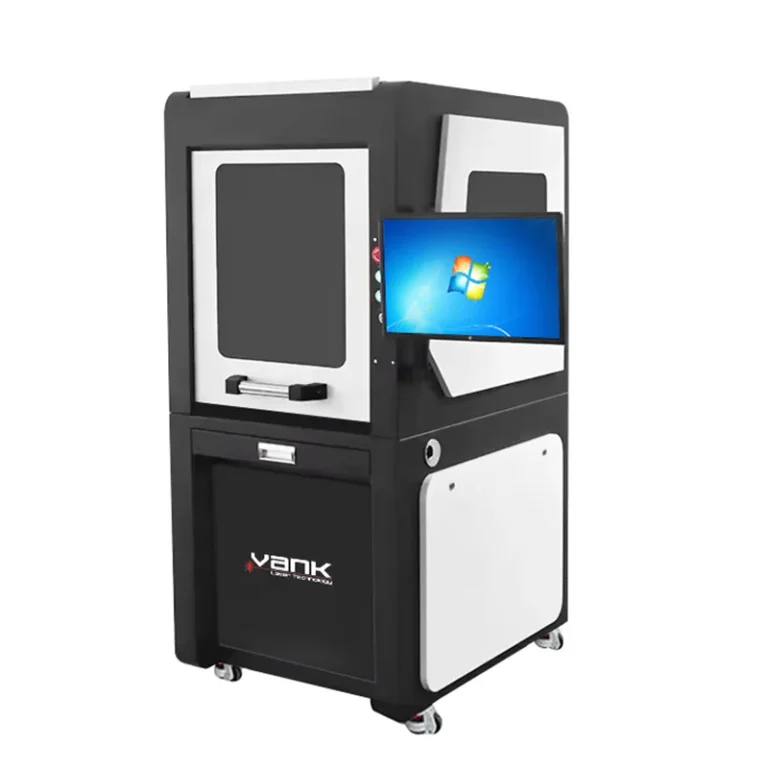
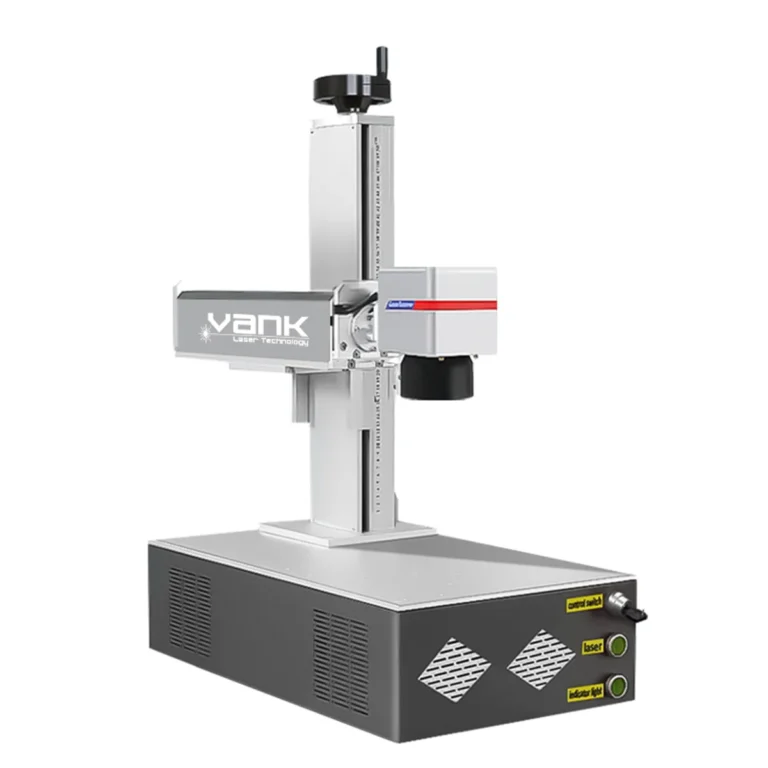
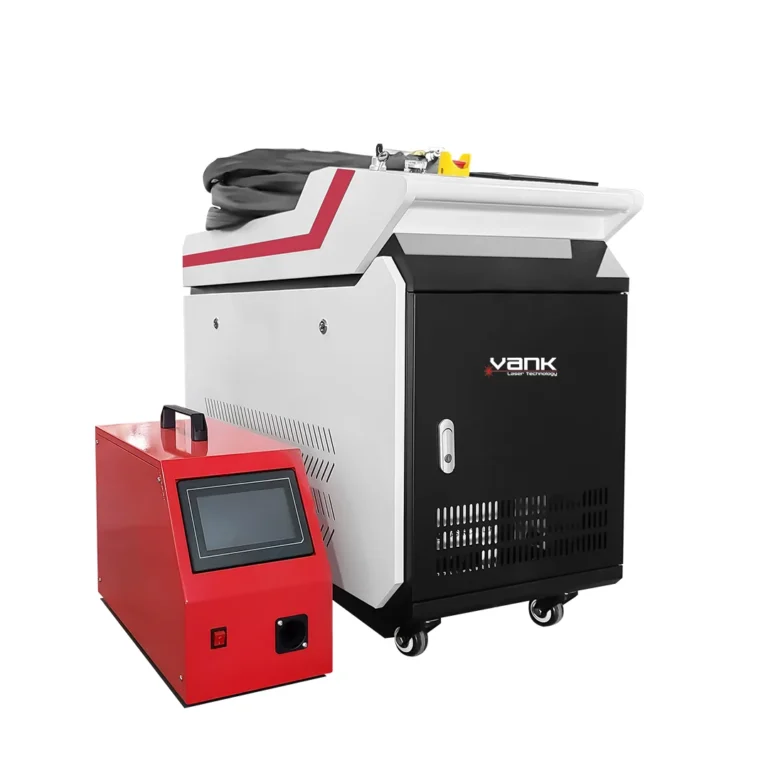
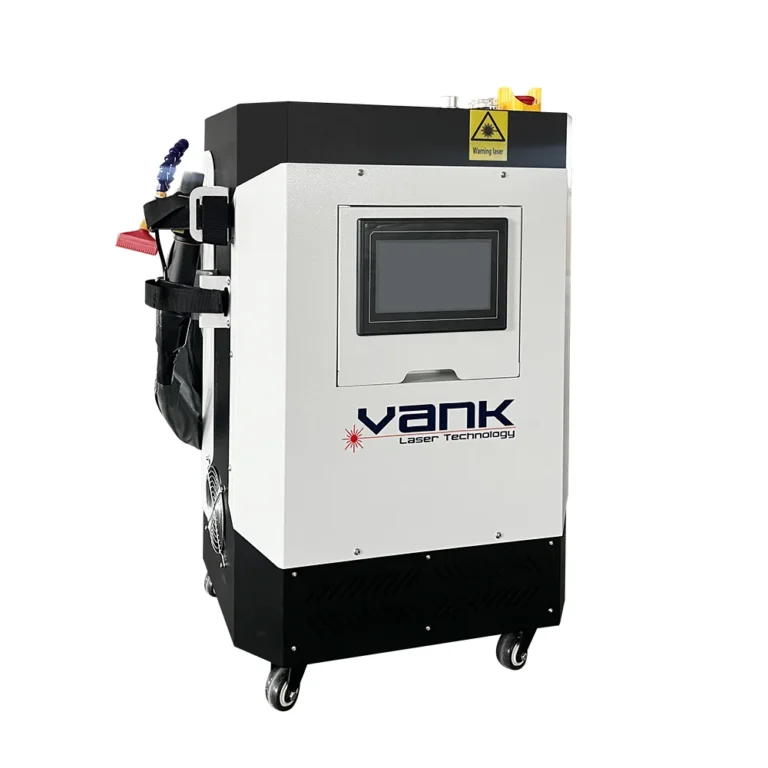
Sportswear cutting combines material handling, print registration and production control. Sublimated jerseys, cycling apparel, team uniforms and activewear may arrive as elastic polyester rolls whose printed contours have shifted or distorted during transfer. A suitable CO2 laser cutter for sportswear must therefore be evaluated on the customer’s actual fabric and workflow, not on laser power alone.
For approved textiles, a vision-equipped CO2 system can follow printed contours, while a conveyor and auto feeder can support continuous roll processing. These functions may reduce manual repositioning and improve repeatability, but only when camera calibration, fabric tracking, extraction and cutting parameters are matched to the job.
Before ordering, buyers should submit representative printed and unprinted samples, confirm material composition, and agree on measurable acceptance criteria for registration error, edge quality, cycle time and repeatability.
Match the Cutter to the Sportswear Workflow
Common jobs include polyester jerseys, mesh panels, elastic activewear, cycling apparel, team uniforms and printed labels. Each textile behaves differently under heat, tension and airflow, so the process window must be established by sample testing.
Start by documenting the production challenges:
- Printed contours must remain aligned after transfer, handling and feeding.
- Elastic fabric can stretch, shrink, skew or wrinkle in transit.
- Order size may range from prototypes to repeated roll production.
- Multiple sizes and designs may share one production schedule.
- Edge quality and panel dimensions must remain within an agreed tolerance.
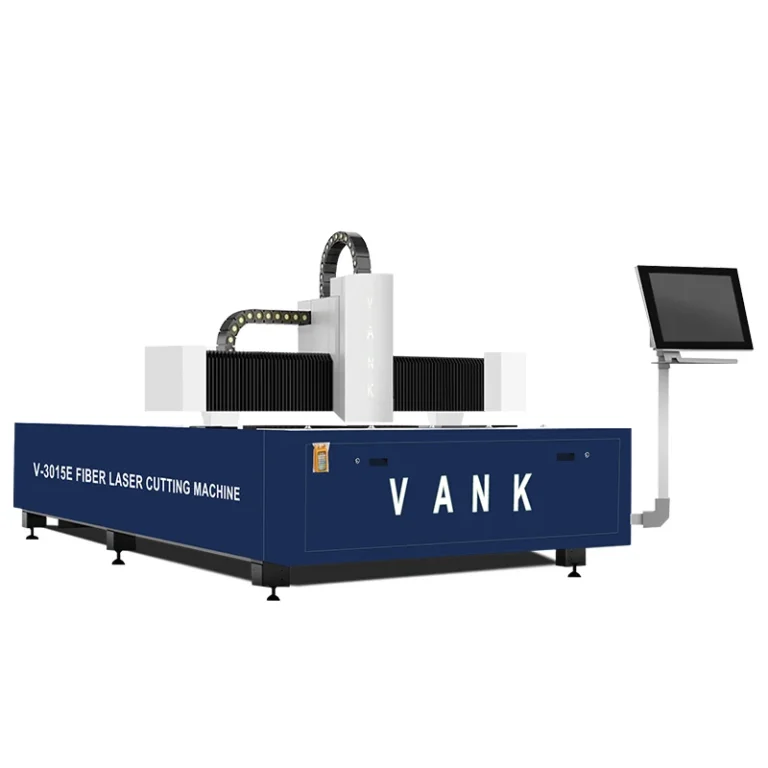
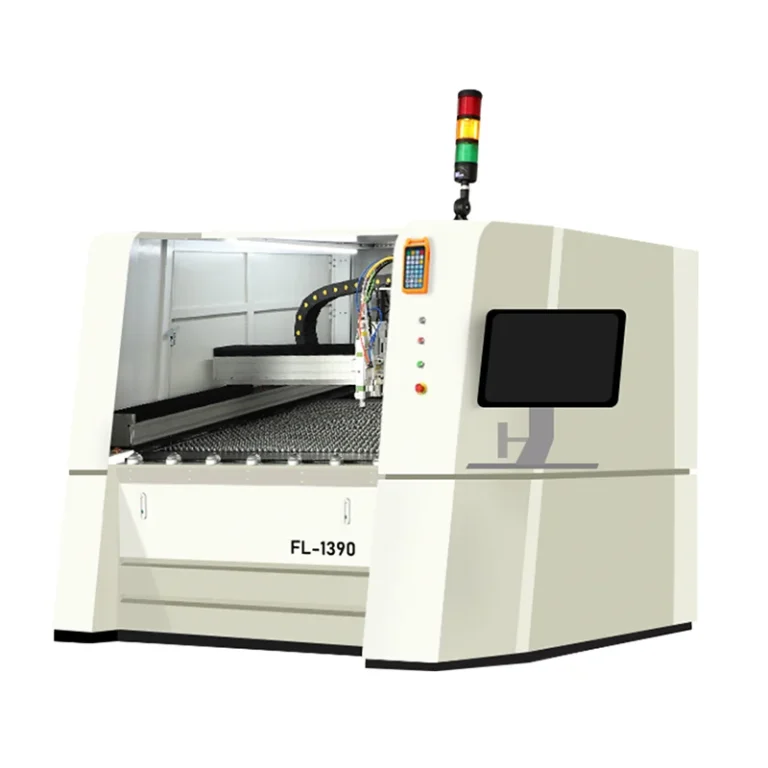
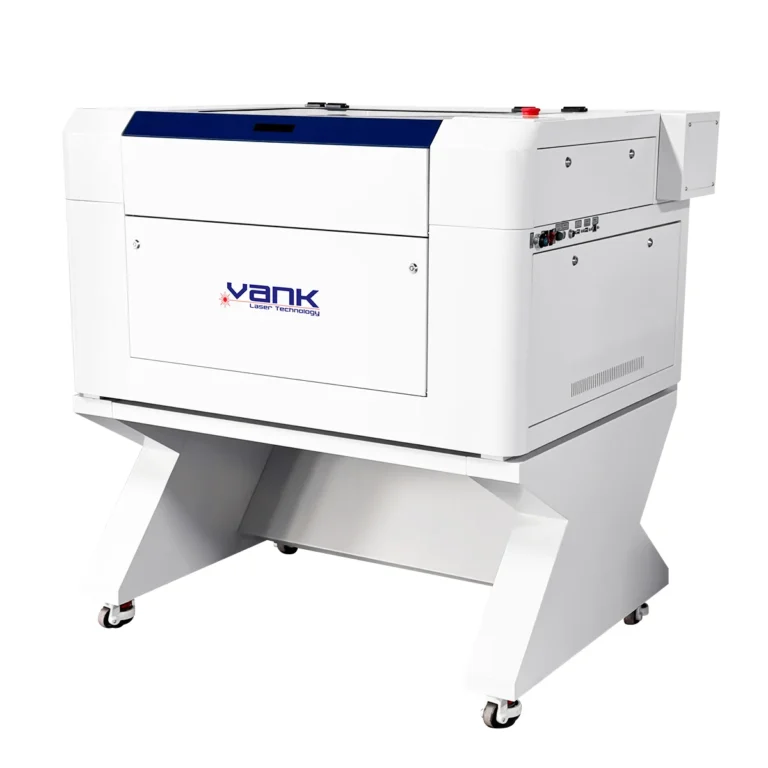
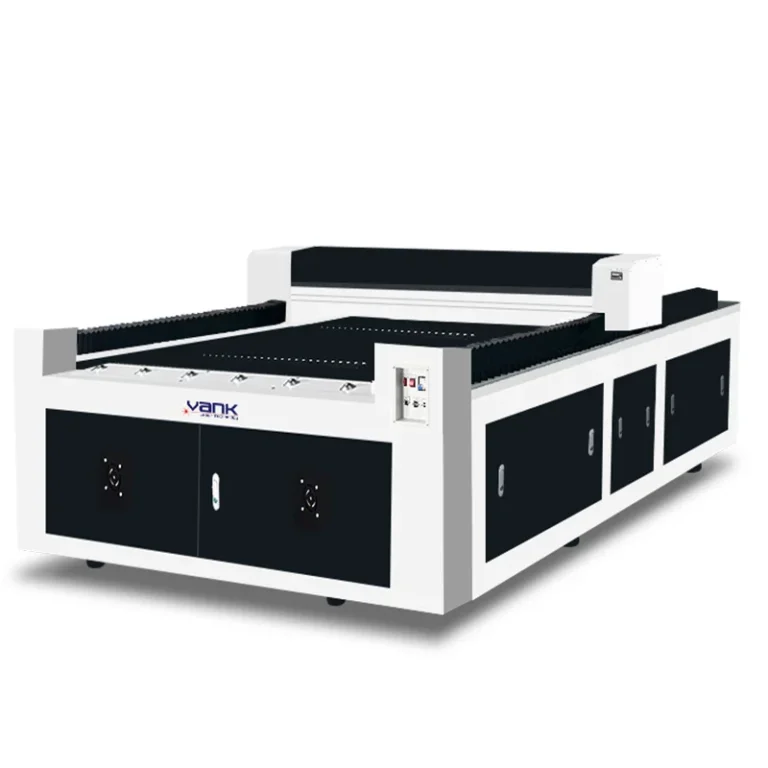
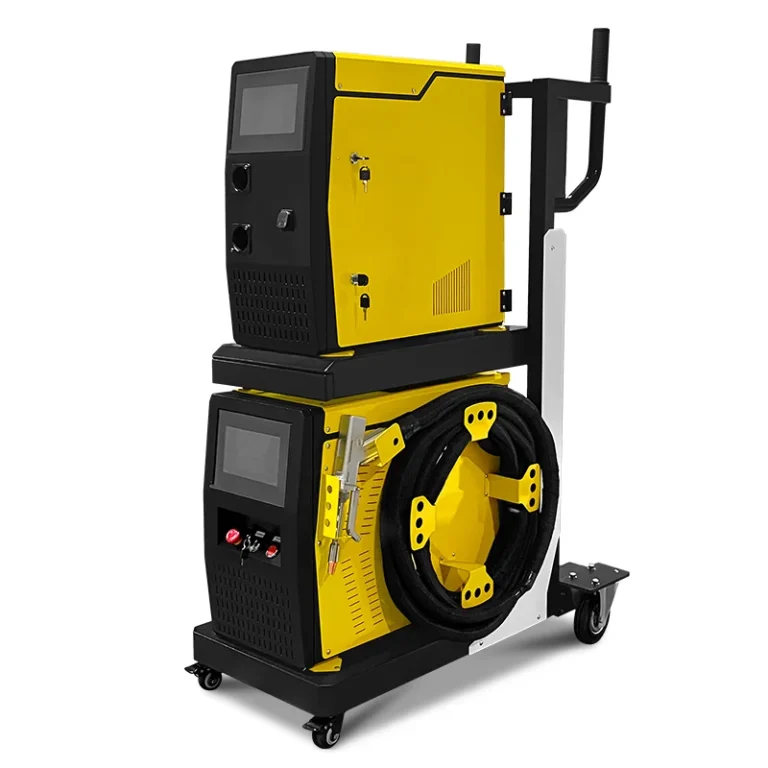
Configuration reference: CO2 laser fabric cutter with auto feeding and vision camera. Consider this system for printed roll goods only after its usable width, camera field, conveyor tracking and extraction are proven with the buyer’s files and fabric. A basic flatbed can still suit stable sheet work or low-volume unprinted parts.
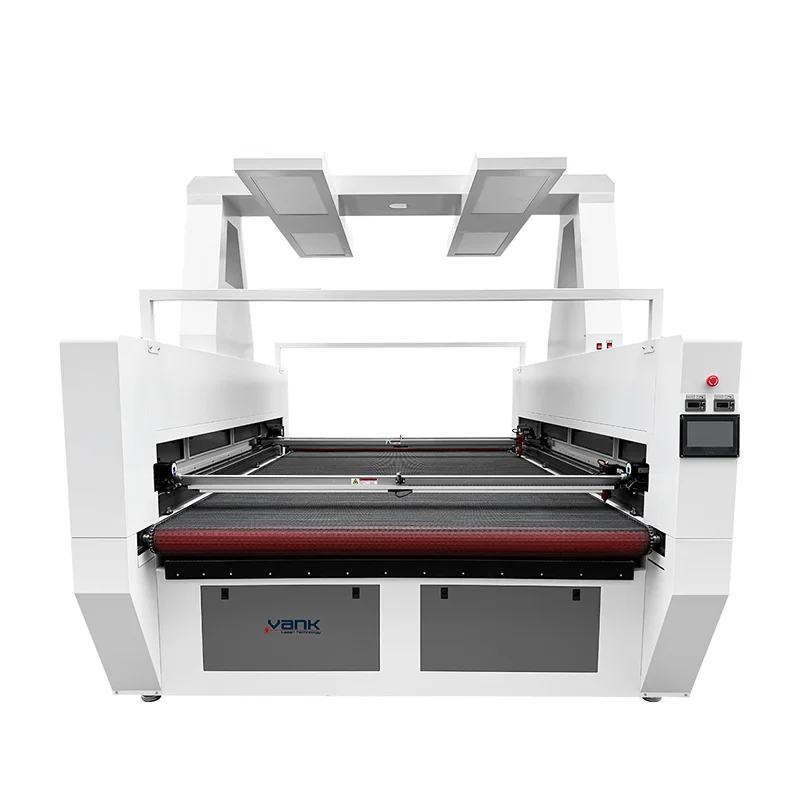
Vision Registration for Sublimation Sportswear
Sublimation graphics are printed before cutting. Transfer heat and fabric handling can change scale, shape or position, so a nominal CAD outline may no longer match the physical print. Misregistration can leave uneven borders or shift logos on jerseys, cycling wear and customized activewear.
A vision system detects selected marks or printed contours and adjusts the cutting path to the observed position. Its real value depends on camera resolution, lighting, software logic, calibration and how well the system handles distorted or repeated graphics.
Representative validation should include:
- Jersey panels with logos, numbers and narrow printed borders
- Curved cycling or activewear panels with local distortion
- Long sublimation rolls with repeated contour-cutting jobs
- Frequent design, size and nesting changes
- Small labels, patches and decorative textile components
Record the measured offset at several positions across a representative roll. A clean demonstration on one ideal sample does not prove repeatability over long production runs.
Auto Feeding and Roll Tracking
Roll production adds variables that are absent from flat sheets: web tension, skew, wrinkles, conveyor adhesion, repeat length and alignment between feed cycles. Manual repositioning can increase handling time and introduce additional movement.
An auto feeder and conveyor can move material through the cutting area with fewer manual steps. Buyers should verify usable roll width, maximum roll weight, tension control, edge tracking, feed repeatability and whether the fabric remains flat during acceleration and exhaust airflow.
The correct test is a continuous run using the customer’s normal roll, print method and nesting file. Compare first and last parts for contour offset, dimensions, edge quality and cycle time.
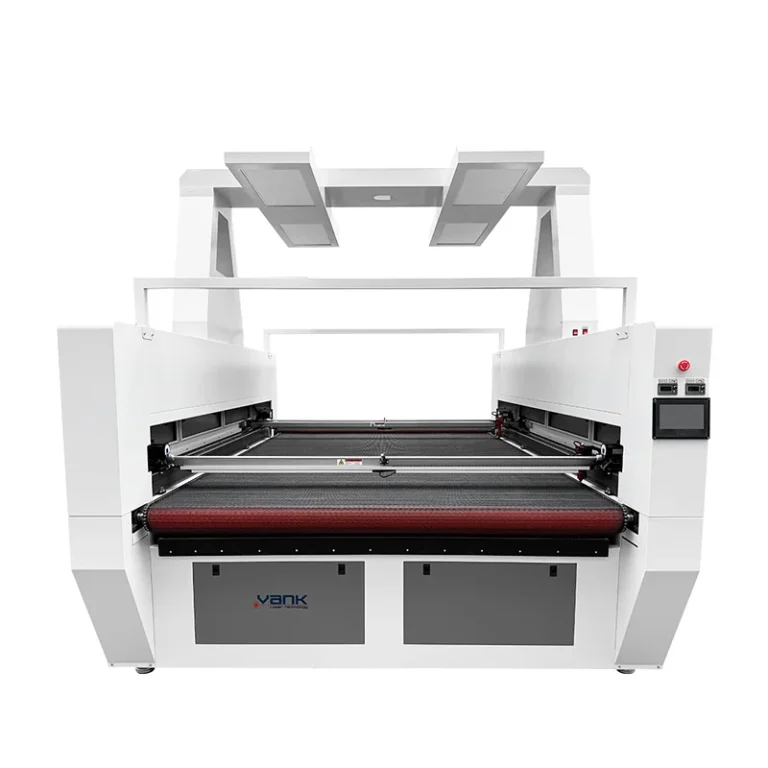
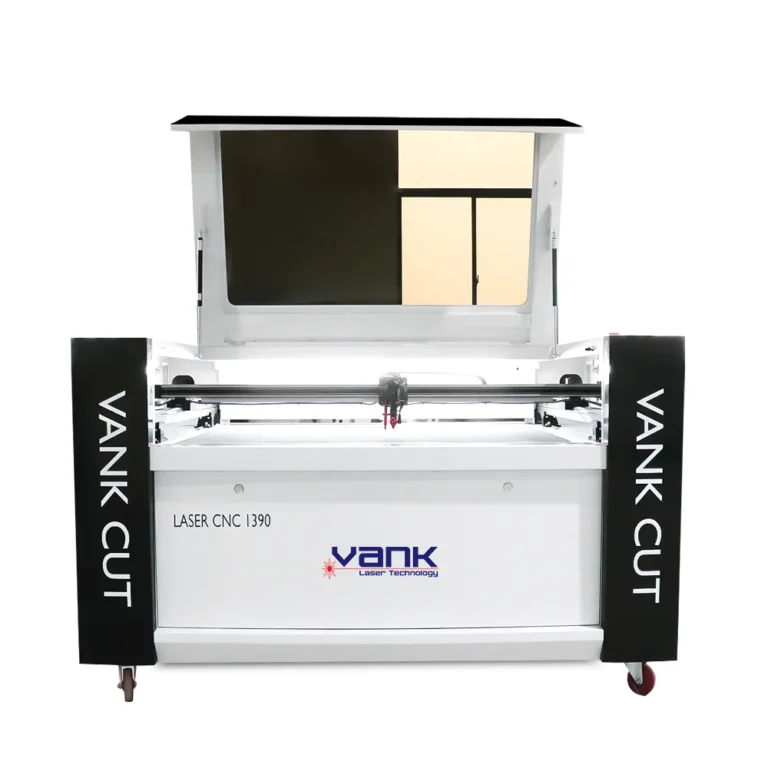
Configuration reference: VankCut CO2 laser fabric cutter with auto feeding and vision camera. Select its options only after confirming the roll width, textile behavior, registration method and target throughput.
Complex Shapes and Short-Run Production
Sportswear panels may include tight curves, ventilation features, decorative openings and frequently changing sizes. Knife systems remain effective for many stacked or standard patterns; a laser becomes attractive when non-contact cutting, rapid file changes or contour registration provides a measurable workflow benefit.
Because no physical cutting die is required, CO2 laser processing can support:
- Short-run customized sportswear
- Prototype and sample development
- Frequent design or size changes
- Printed contours with irregular geometry
- Decorative textile components
- Variable teamwear numbers, names and logos
Compare laser, knife and manual methods with the same files and materials. The useful decision metrics are accepted parts per hour, setup time, edge condition, dimensional consistency, labor and total operating cost.
Evaluate Edge Quality on the Actual Fabric
On some laser-compatible synthetic textiles, controlled heat can seal the cut edge and reduce fraying. The result is not universal: coatings, blends, pigments, stretch content, fabric weight and finishing treatments can change melting, discoloration, odor, residue and hand feel.
Approve settings only after checking edge appearance, seam strength, dimensional change, smoke residue and comfort requirements. Production extraction and airflow should match the conditions used for sample approval.
Never assume that an unknown fabric is laser-safe. Obtain the composition or safety data from the supplier. Do not laser-process PVC, vinyl, PVB, PTFE or unknown halogenated materials; the facility must also review local exhaust, filtration, fire detection and emergency procedures.
Related Textile and Accessory Applications
The same workshop may process approved labels, patches, shoe textiles, paper templates, packaging inserts or display materials. Each new substrate is a separate application and requires documented composition, a sample trial and suitable extraction.
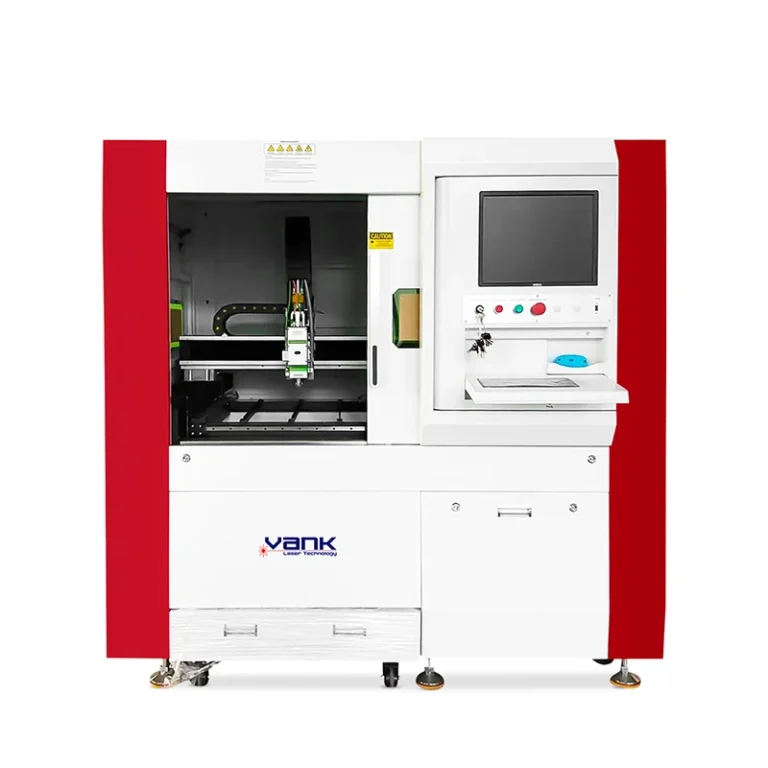
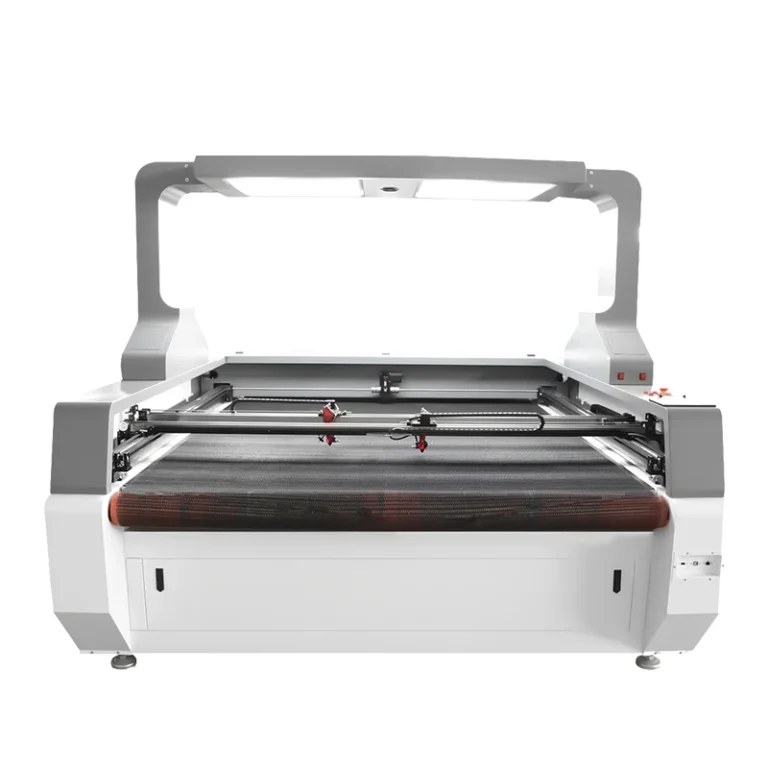
Configuration reference: CCD camera CO2 laser cutting machine. Evaluate it for registered cutting of approved printed textiles, labels, paper and selected non-metal sheets. Suitability for leather or coated materials must be confirmed from supplier documentation; exclude chromium(VI)-containing leather, PVC/vinyl and unknown halogenated coatings.
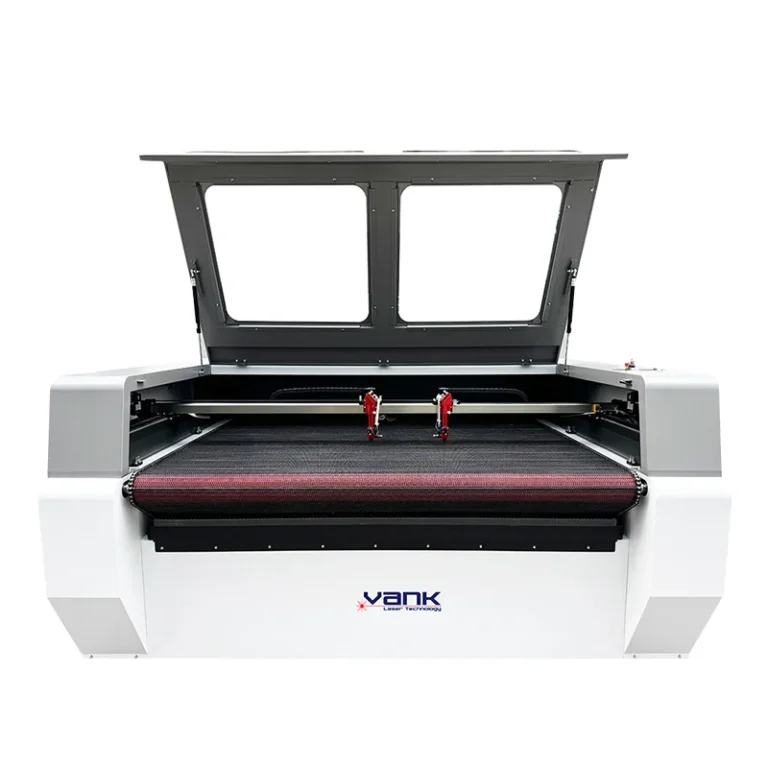
For raster engraving of approved non-metals, compare this option: high speed CO2 laser engraving cutting machine. Confirm the working area, optics, exhaust, material safety and sample results instead of treating one configuration as universal.
CO2 Sportswear Cutter Buying Checklist
A useful quotation should connect every machine option to the customer’s material, printed artwork, roll dimensions, throughput target and acceptance test. Price and nominal speed alone are not enough.
Check these items before comparing quotations:
| Buying Factor | Verification Requirement |
|---|---|
| Material composition | Confirm supplier documentation and exclude PVC, vinyl, PVB, PTFE and unknown halogenated materials |
| Usable width | Match the widest panel, roll width, camera field and conveyor tracking range |
| Vision registration | Measure contour offset across representative distorted prints and the full working area |
| Roll feeding | Test tension, skew, wrinkles, repeat length and first-to-last-part consistency |
| Process window | Approve power and speed from edge quality, emissions, dimensions and cycle time |
| Exhaust and fire controls | Confirm local extraction, filtration, airflow, fire detection and emergency procedures |
| File workflow | Verify artwork import, registration data, nesting, job setup and operator access |
| FAT and support | Record acceptance criteria, training, spares, warranty and service response in writing |
Use the same representative sample file and written acceptance criteria for every supplier. This makes registration, edge quality, feed repeatability, cycle time and operating requirements directly comparable.
How Integrators Should Qualify the Application
Dealers and integrators add value by translating production requirements into a testable machine configuration. The first step is to separate flat, unprinted work from registered contour cutting and continuous roll production.
A standard flatbed, a camera-equipped cutter and an auto-feeding conveyor solve different problems. Recommend the simplest configuration that passes the customer’s material trial and throughput target.
Useful application categories include:
- Registered contour cutting for sublimation sportswear
- Variable teamwear and activewear production
- Approved fabric labels, patches and decorative parts
- Fashion samples and textile prototypes
- Laser-safe bag textiles and documented leather alternatives
- Approved paper packaging inserts and promotional components
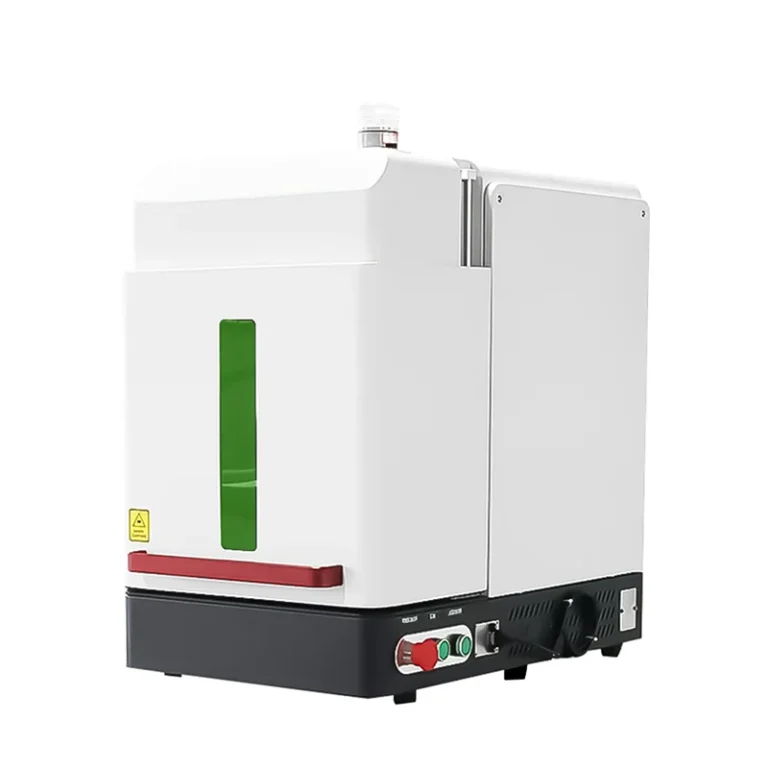
For traceability or decorative marking, compare this separate process: laser marking machine for jewelry and fashion accessories. Evaluate it against the material and mark-quality requirement. Cutting and marking are different processes and may justify different systems.
Questions That Determine the Configuration
Machine selection should follow the application. A small workshop may need a compact vision cutter for sheeted prints; a roll-to-roll operation may require a conveyor, controlled feeding and a larger camera field. Mixed cutting and engraving work can require different optics, beds and extraction.
Collect these details before recommending a model:
- What is the exact material composition, coating and supplier safety documentation?
- Is the artwork printed before cutting, and what registration marks or contour data are available?
- Are materials supplied as rolls or sheets, and how are they tensioned and flattened?
- What are the maximum usable width, panel dimensions and roll weight?
- What registration tolerance is required across the full working area?
- What accepted-parts-per-hour target and production shift length must be demonstrated?
- What exhaust, filtration, compressed air, electrical and fire-control provisions are available?
Use the answers to define the working area, vision method, feeding system, laser configuration and factory acceptance test instead of selecting by bed size or price alone.
Validate Before Production
A CO2 laser cutter can be effective for approved sportswear textiles when its vision, feed and cutting process are matched to the job. The result must be demonstrated with representative prints, expected distortion, normal roll length and production extraction.
A factory acceptance test should record registration error, dimensions, edge condition, accepted parts per hour, feed repeatability and operating settings. Also confirm training, spares, warranty scope and remote or local service arrangements in writing.
Vank Laser supplies CO2 textile cutting and engraving systems. Send the material specification or SDS, roll width and weight, artwork files, sample parts, required tolerance and output target to receive a configuration proposal and sample-test plan.
Frequently Asked Questions
1. Which CO2 laser cutter is suitable for sportswear production?
Choose by workflow. Printed sublimation rolls typically need vision registration, stable feeding and a conveyor; unprinted sheets or low-volume parts may suit a flatbed. The final configuration should pass a representative sample and throughput test.
2. Can a CO2 laser cut sublimation sportswear fabric?
Many documented, laser-compatible polyester textiles can be cut with a CO2 laser. Confirm the exact blend and coating, exclude unsafe materials, and test edge quality, emissions and registration before production.
3. Why use a vision camera for printed sportswear?
A vision system can locate registration marks or printed contours and compensate for observed position changes. Buyers should test the required tolerance across distorted prints and the full working area.
4. Is auto feeding required for sportswear fabric?
It is useful for continuous rolls but may be unnecessary for sheeted or occasional work. Verify tracking, tension, usable width, repeat length and first-to-last-part consistency on a normal production roll.
5. Can one CO2 laser cut sportswear fabric and leather accessories?
Only when every material is documented as laser-compatible and the machine, optics and extraction pass separate trials. Never process PVC/vinyl, PVB, PTFE, unknown halogenated coatings or chromium(VI)-containing leather.
6. What should a distributor ask before recommending a sportswear cutter?
Ask for material composition and SDS, roll dimensions, print method, artwork, required tolerance, accepted-parts-per-hour target, shift pattern, extraction, utilities, sample criteria and service expectations.
7. Is CO2 laser cutting better than manual or knife cutting?
It depends on the job. Lasers can reduce tooling and support rapid file changes or vision registration, while knives may suit stacked, heat-sensitive or high-volume patterns. Compare accepted output, quality and total cost using the same job.
8. Can CO2 laser cutting reduce fabric waste?
It may reduce waste when registration, nesting, feed control and process stability improve usable yield. Measure accepted-part yield on representative runs rather than relying on a general saving percentage.
9. Which industries use CO2 laser fabric cutters?
Typical applications include documented textiles for sportswear, apparel sampling, soft signage, home textiles, labels and selected bag components. Every blend, coating and accessory material still requires a safety and process review.
10. What information is needed for a quotation?
Provide material specification or SDS, printed and unprinted samples, roll width and weight, maximum panel size, files, tolerance, output target, utilities, extraction requirements and the proposed acceptance test.