


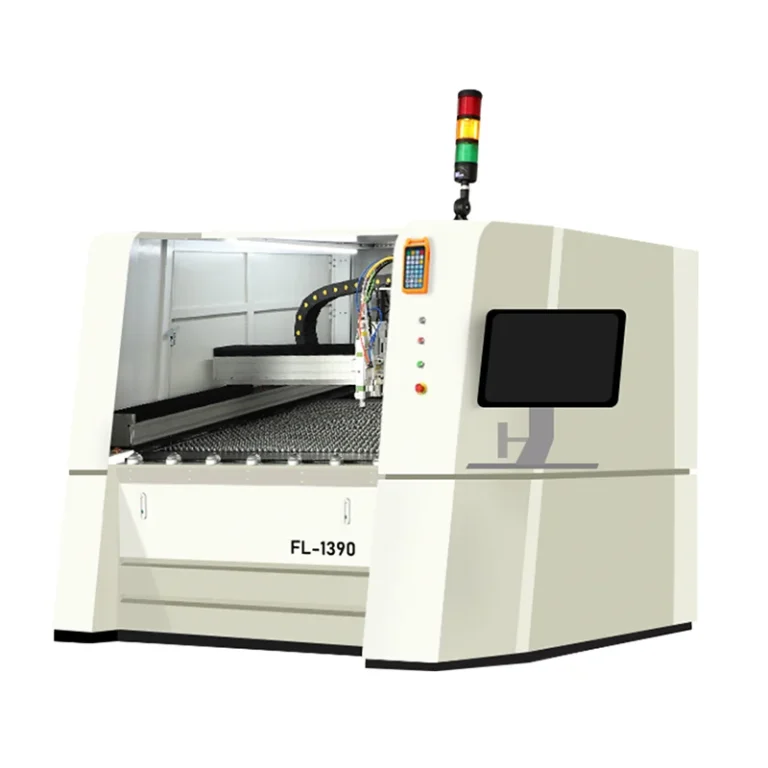
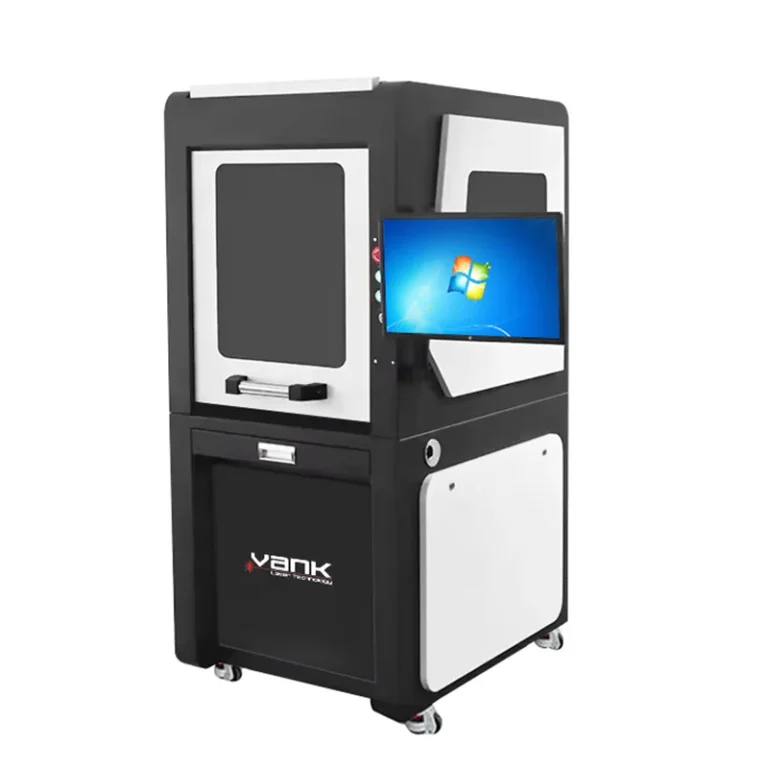
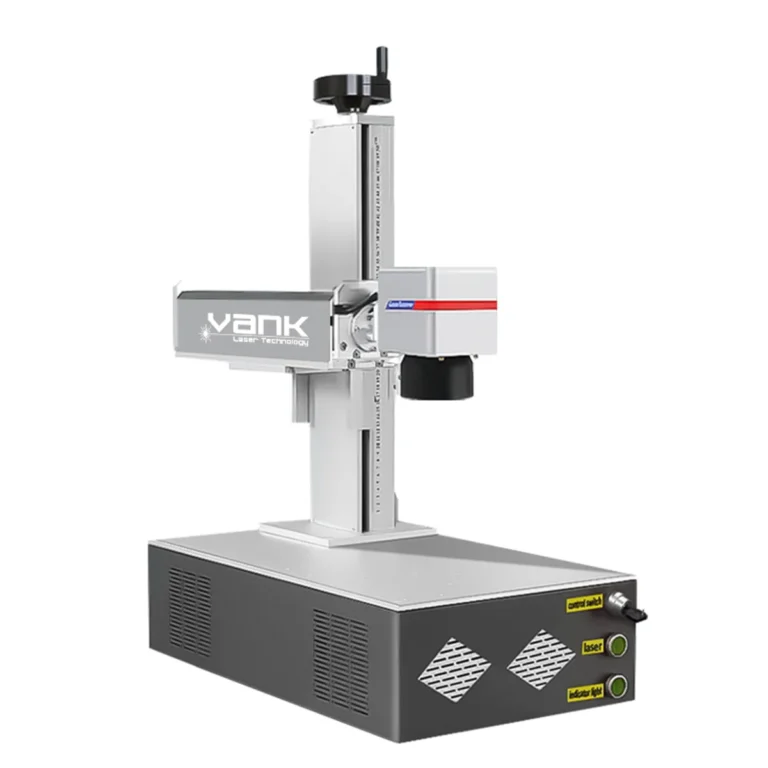
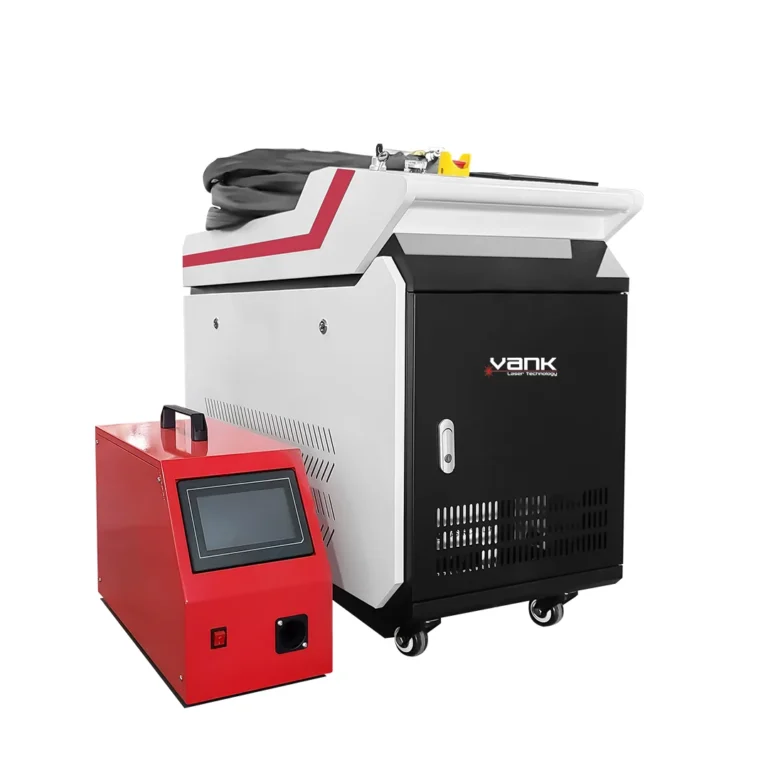
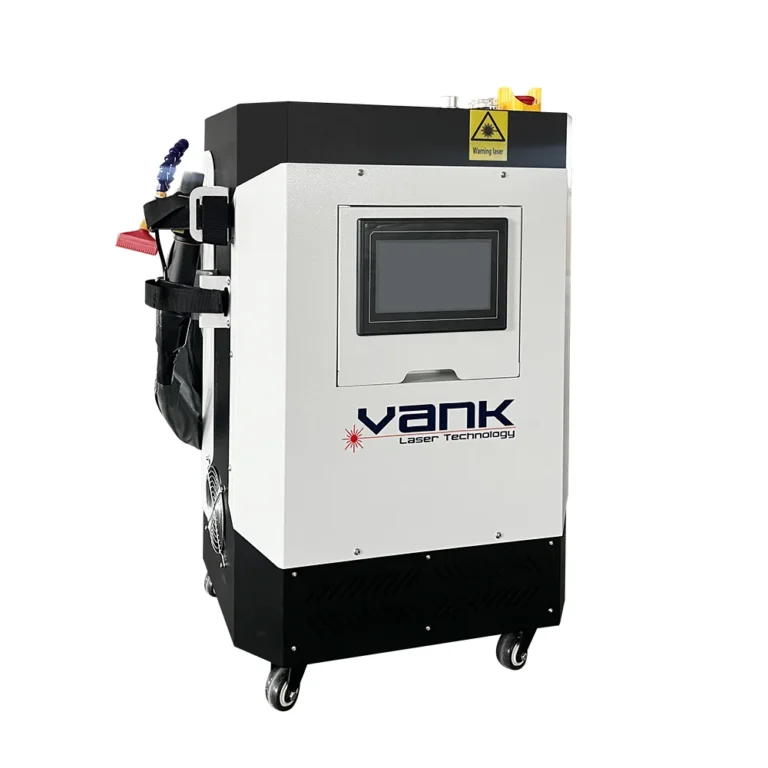
Choosing the right fiber laser cutting machine power starts with the material-thickness mix and the number of acceptable parts required per shift. Output power affects process capability and speed, but the cutting head, beam delivery, motion system, assist gas and process parameters determine whether that power becomes stable production.
A higher power rating is not automatically the better investment. Compare routine thicknesses, edge requirements, part geometry, volume, utilities and total cost per acceptable part before selecting a source.
The useful question is: which power and machine configuration can meet the required quality and cycle time on our recurring jobs? A generic cutting chart can screen options, but representative sample cuts and a factory acceptance test should make the final decision.
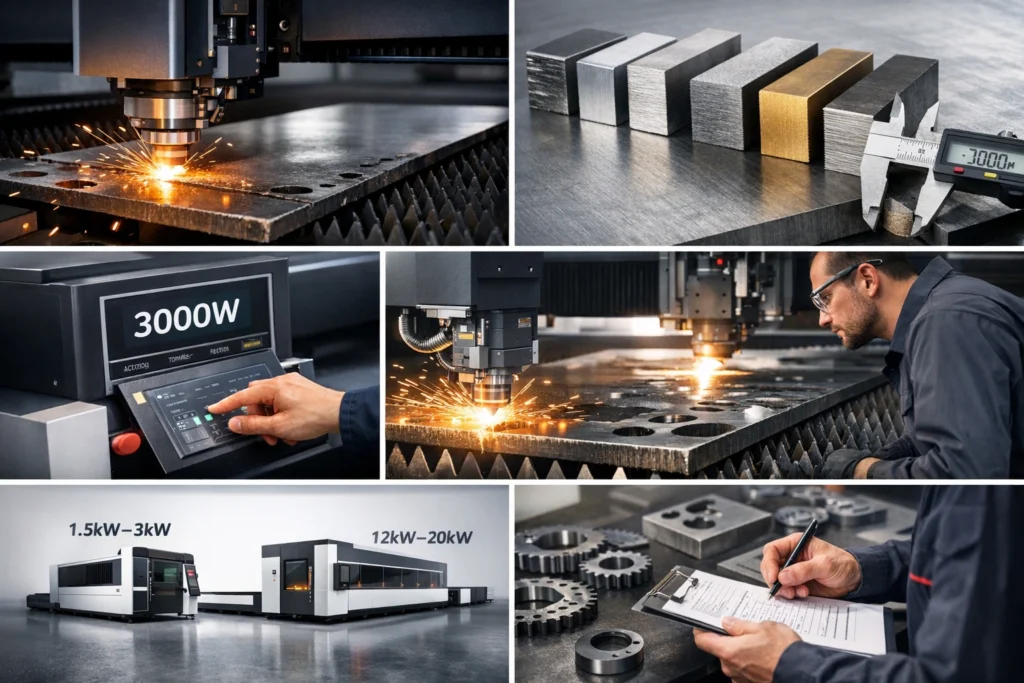
Why output power is only one selection variable
Laser output power influences several production factors, but each must be verified on the complete machine:
- Process window
Material grade, thickness, surface condition, beam quality, focus, nozzle and assist gas determine the qualified cutting range. - Throughput
More power can increase speed or piercing performance in some thickness ranges, but loading, nesting, acceleration and unloading may become the bottleneck. - Cut quality
Power alone does not guarantee a clean edge. Verify kerf, roughness, striation, dross, taper, holes and heat-affected appearance. - Utility demand
Source power can change electrical, cooling, gas, extraction and compressed-air requirements as well as site preparation cost. - Investment risk
An oversized system can add capital and operating cost; an undersized one can miss cycle-time or thickness requirements.
Select power from documented production requirements, not from a “bigger is always better” assumption.
Build a material-thickness demand profile first
Before asking for a recommendation, summarize the work the machine must perform.
Which alloys and thicknesses account for most of your cutting hours?
Separate routine work from occasional maximum thickness. The best production machine should run the main order mix efficiently and still cover approved peak jobs at the agreed quality.
Use at least three demand bands:
- Routine band: the material and thickness combinations that represent most weekly cutting hours.
- Peak band: the thickest or most difficult jobs, including how often they occur and the acceptable cycle time.
- Future band: credible orders expected within 12 to 24 months, supported by customer demand rather than a speculative wish list.
Record each band by grade, finish or coating, sheet size, part geometry, tolerances, edge condition, assist gas and downstream process.
Use power brackets as screening ranges, not capability charts
The brackets below organize supplier discussions. They do not replace model-specific cutting data because source mode, optics, head, gas system, material quality and acceptance criteria vary.
1.5 kW to 3 kW: screen for thinner-sheet production
This bracket may suit shops whose recurring work is thinner sheet and whose required throughput has been demonstrated on the proposed machine.
Evaluate it with:
- the exact routine alloys and thickness distribution
- the proposed oxygen, nitrogen or compressed-air process
- small holes, contours, nests and other representative geometry
- measured piercing and total cycle time
- the required edge and dimensional acceptance limits
Evidence to request:
- dated sample parts made on the quoted configuration
- recorded power, speed, focus, nozzle and gas settings
- gas pressure, flow or consumption assumptions
- inspection results for dimensions and edge quality
- consumables used and any required secondary finishing
This can be a practical entry bracket only when the sample results, shift capacity and installed cost fit the business case.
3 kW to 6 kW: screen for a broader job mix
This bracket is often compared when routine orders combine thinner sheet with some medium-thickness work and the buyer needs more throughput without moving to an ultra-high-power system.
Verify the expected benefit with:
- cycle times for the most common alloy-thickness combinations
- oxygen, nitrogen or air edge requirements and gas cost
- a representative nested sheet, not only a straight-line coupon
- realistic loading, unloading and part-sorting assumptions
- installed electrical, cooling, extraction and gas infrastructure
Compare at least two candidate powers on the same files and materials. The better option is the one with the lower validated cost per acceptable part and sufficient capacity margin.
6 kW to 12 kW: screen for medium-thickness work and higher output
This bracket may be justified when medium-thickness material is a meaningful share of production, piercing and cycle time constrain delivery, or automated handling can preserve the cutting-speed gain.
Confirm these points before purchase:
- the laser source, fiber delivery and cutting head are rated for the quoted continuous power
- the nozzle, gas delivery and extraction systems support the approved process
- piercing time, piercing quality and restart behavior meet the test plan
- loading, unloading and sorting can keep pace with the cutter
- the proposed duty cycle is demonstrated during an extended acceptance run
At this level, ask whether the complete line can convert additional power into sellable parts per shift, not merely whether one sample can be cut.
12 kW to 20 kW and above: require a measured business case
Ultra-high power can improve productivity in qualified applications, but it can also raise utilities, gas demand, consumable exposure, automation needs and capital cost.
The business case should quantify:
- the percentage of cutting hours spent on material that benefits from the added power
- validated throughput gain against the next lower power option
- electricity, gas, chiller, extraction and site-upgrade cost
- whether handling and downstream operations can absorb the added output
Choose this bracket only when comparative tests and order economics show a proportional return. Maximum power by itself is not an acceptance criterion.
Material and cutting gas change the power decision
Thickness alone is not enough. Grade, alloy, surface condition, thermal behavior, reflectivity and the selected cutting-gas process all influence the qualified parameters.
Carbon steel: compare oxygen and inert-gas processes
Oxygen flame cutting adds reaction energy and can support thicker mild-steel processing, but it leaves an oxidized edge. Nitrogen or other approved inert-gas processes avoid that oxide layer but require the laser to supply the cutting energy and can demand higher gas pressure and flow.
Stainless steel: define the required edge condition
Nitrogen fusion cutting is commonly evaluated when an oxide-free edge is required. Compare power and gas choices by dross, discoloration, roughness, part temperature, gas use and whether downstream welding or coating permits the result.
Aluminum, brass and copper: verify the complete optical chain
For reflective non-ferrous metals, confirm that the quoted source, fiber, optics and cutting head are approved for the material and power. Test the actual alloy, surface and protective film; do not infer capability from a carbon-steel chart.
Maximum cut is not production capacity
A supplier may demonstrate that a machine separates one thick sample, but that does not establish repeatable piercing, edge quality, cycle time or shift output.
For example, a buyer may request occasional 20 mm carbon-steel capability while 90% of orders are 2 mm to 6 mm stainless steel. The economic choice should be driven by the recurring mix and verified peak requirement, not the headline maximum alone.
Evaluate:
- the routine thickness distribution by percentage of cutting hours
- weekly alloy and surface-condition mix
- acceptable cycle time and quality for both routine and peak parts
- gas supply, extraction, cooling and electrical limits
- downstream deburring, welding, coating and handling requirements
Define “maximum” in the contract: material grade, sheet condition, part geometry, piercing method, edge acceptance, gas and repeatability.
Model current demand and the upgrade horizon
The selected system should cover today’s measured workload plus a realistic capacity margin. It should not be oversized only for uncertain future possibilities.
For a new shop, prioritize a configuration that passes the required samples, fits available utilities and leaves working capital for material, labor, sales and maintenance.
For an established factory with recurring requests outside current capacity, compare the value of higher power now against later source or machine replacement, added automation or a second machine.
Analyze two questions:
- How many acceptable parts per shift are required from confirmed current orders?
- Which additional alloy-thickness combinations have credible demand in the next 12 to 24 months?
Run both scenarios with documented utilization, selling price, gas, electricity, labor, consumables, downtime and financing assumptions.
Verify the whole optical, motion and utility chain
Two machines with the same nominal source power can deliver different results because their beam delivery, mechanics, process control and supporting systems differ.
Specify and verify:
- frame construction, stress relief, table flatness and long-term alignment method
- drives, guides, acceleration, contour performance and positioning checks
- exact laser source model, operating mode, beam specification and warranty
- cutting-head power rating, autofocus, height control and protective optics
- controller, parameter library, process monitoring and recovery behavior
- chiller capacity, temperature stability and alarm handling
- zoned extraction, airflow assumptions and filter responsibility
- usable work envelope, sheet margins and loading route
- exchange table, tower, loading, unloading and part-sorting interfaces
- CAD/CAM formats, nesting functions, licenses, updates and backups
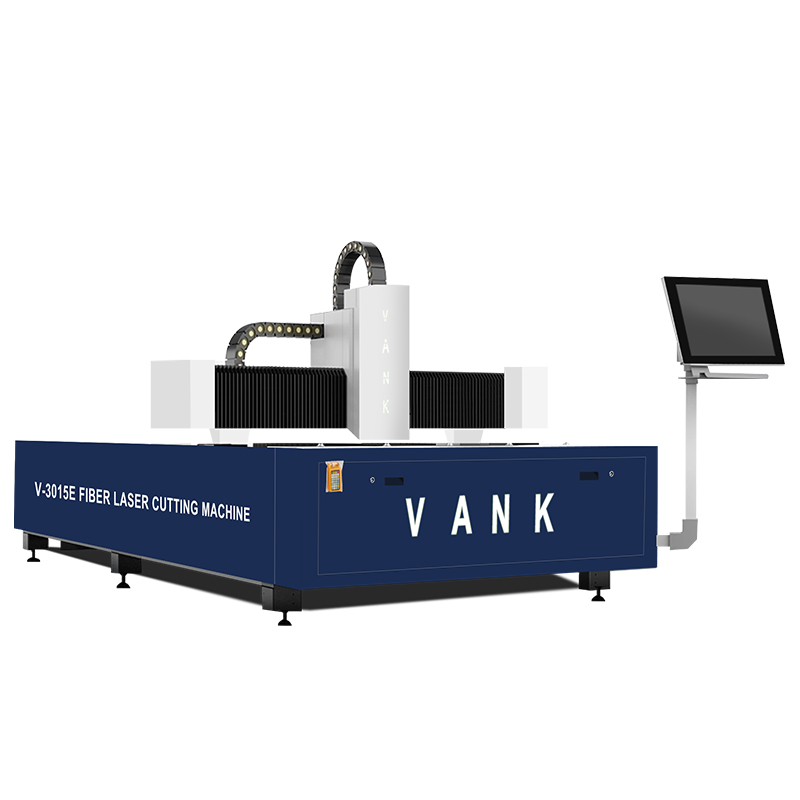
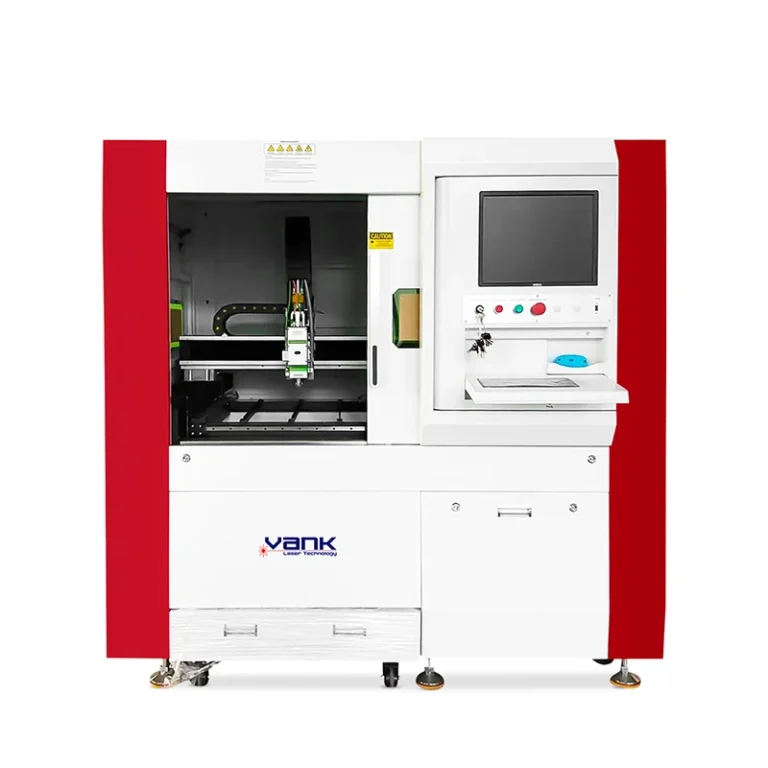
For a common 3015 sheet format, verify the usable cutting envelope, pallet clearances and loading route. For compact precision parts, compare contour dynamics and small-feature results rather than assuming a larger bed or higher power is more accurate.
When lower or higher power is economically justified
A lower power bracket may fit when:
- thin sheet represents most recurring cutting hours
- the demonstrated cycle time meets required shift output
- available electrical, cooling and gas infrastructure is limited
- medium- or thick-plate demand is infrequent and contractually defined
- sample parts meet dimensional, edge and downstream-process requirements
A higher power bracket may be justified when:
- medium or thick material represents a documented share of paid work
- comparative tests prove a material cycle-time or quality benefit
- stable demand and planned automation can use the additional capacity
- loading, unloading and downstream operations preserve the gain
- the installed cost per acceptable part improves after utilities and consumables
Do not compare source price alone. Compare two or more complete configurations under the same files, materials, gas, quality standard and production assumptions.
Information to send each supplier
A useful power recommendation requires the same complete input package for every supplier:
- exact material grades, finishes, coatings and protective films
- routine thicknesses with percentages of cutting hours
- maximum thickness, frequency and acceptance requirement
- stock size, usable margins and loading orientation
- representative CAD files, nested sheets and physical samples
- required parts per shift, shifts per day and utilization assumption
- open or enclosed layout and applicable site-safety requirements
- manual, exchange-table, tower or other automation requirement
- site voltage, available power, gas supply, compressed air and extraction
- dimensional, edge, surface and downstream-process acceptance criteria
- budget, target delivery date, commercial terms and planned expansion
Ask the supplier to return a model-specific configuration, sample report, cutting parameters, utility list, consumables estimate, service scope and acceptance plan.
Decide with comparative sample cutting and a written FAT
No single power level fits every business. Shortlist two realistic configurations from the material-thickness profile and test both under equivalent conditions.
Use the same representative files, materials, nesting, gas purity, quality criteria and timing method. Include routine parts, difficult features, piercing and at least one peak-thickness job.
Compare accepted parts per shift and total cost per accepted part. Record dross, roughness, taper, hole quality, dimensions, cycle time, gas use, consumables and required rework.
Final power-selection checklist
Choosing the right fiber laser cutting machine power for metal thickness is a production and cost decision, not a wattage contest.
Approve the exact source, cutting head, controller, gas system, chiller, extraction, software and automation shown in the quotation. Put the sample standard, extended run, documentation, training and service responsibilities into the factory acceptance test and contract.
Send Vank Laser your material-thickness matrix, representative CAD files, required edge quality, target parts per shift and site utilities. We can compare suitable power options and prepare a configuration-specific sample and FAT plan.