


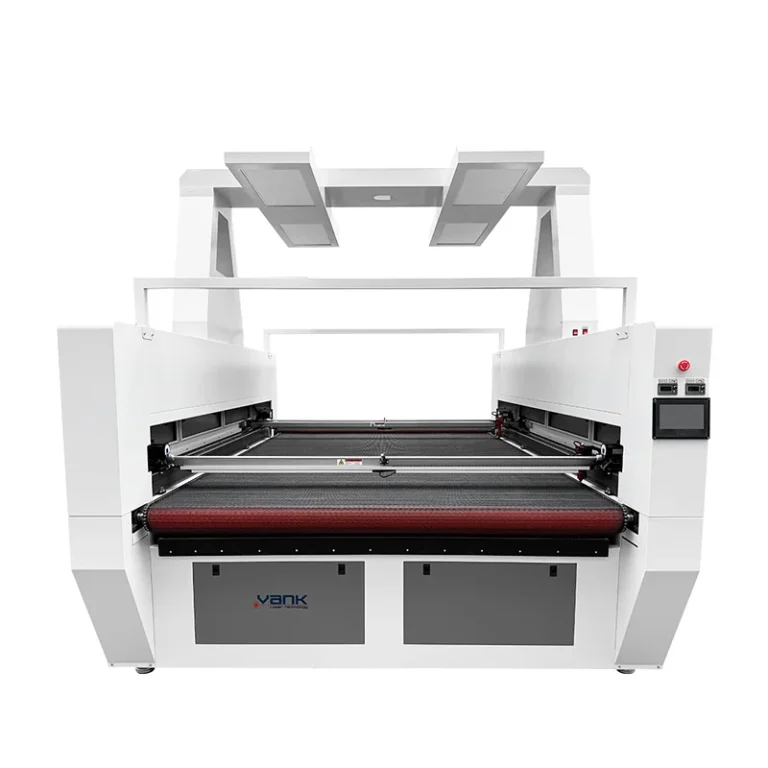
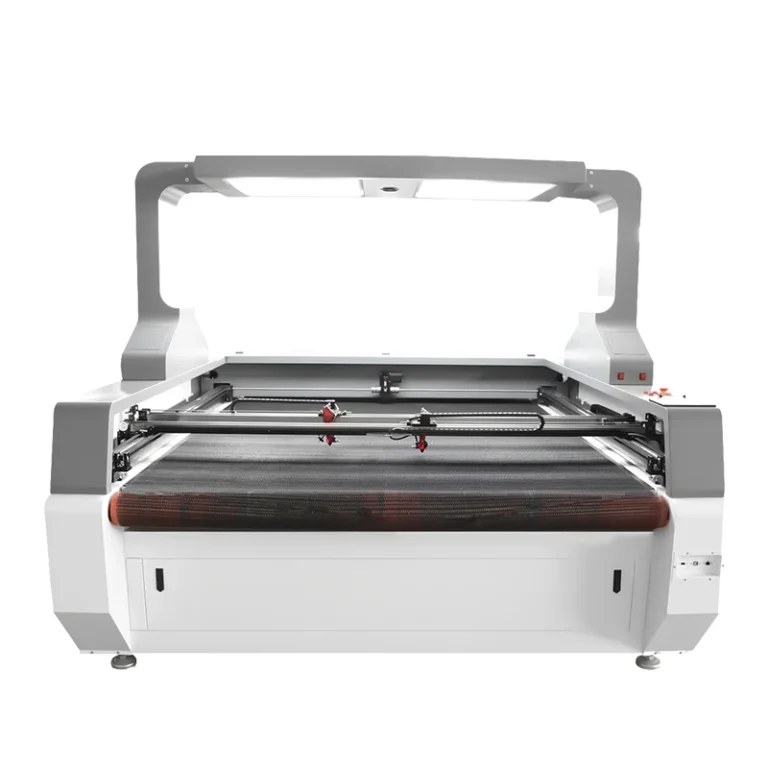
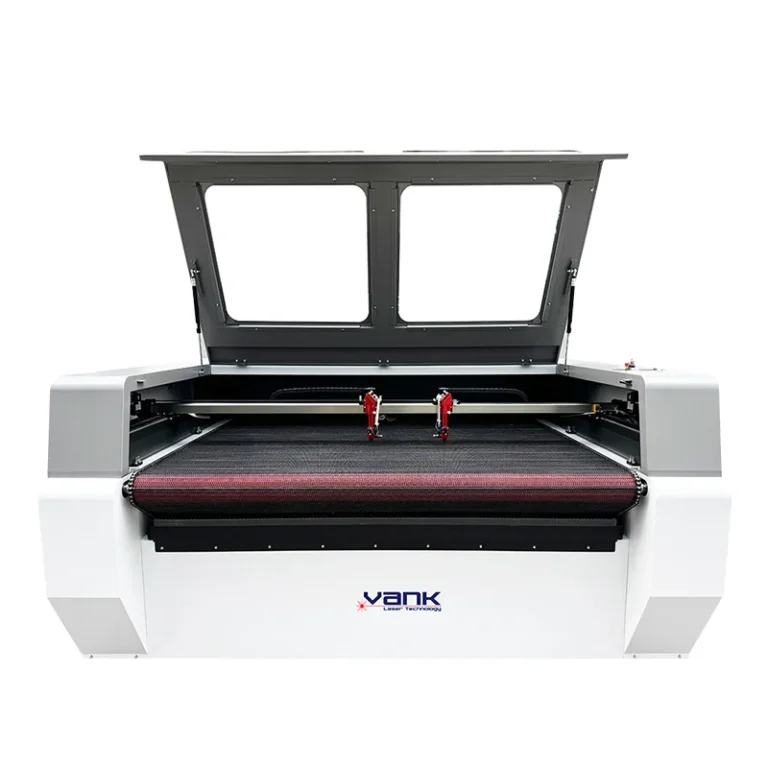
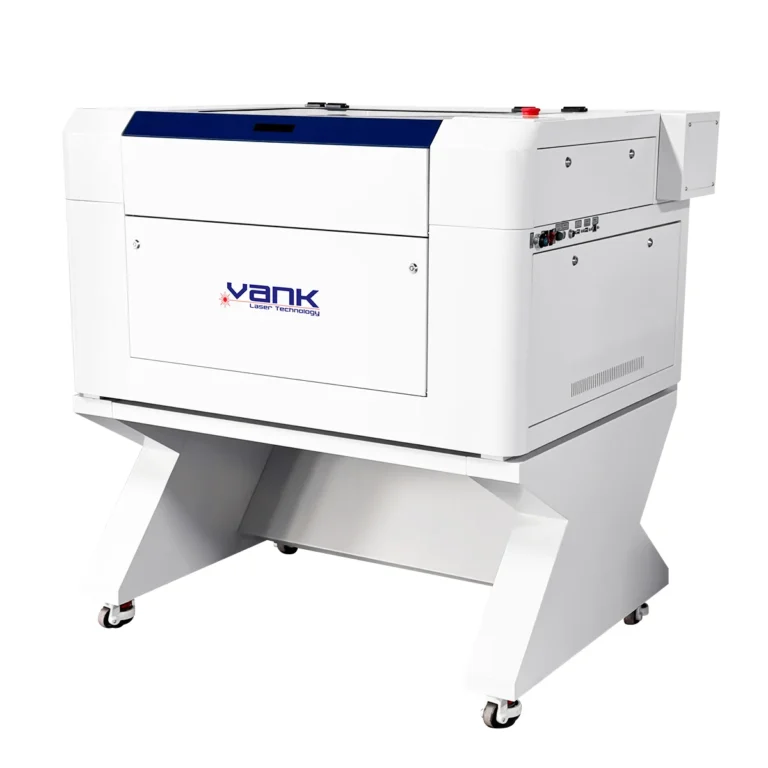
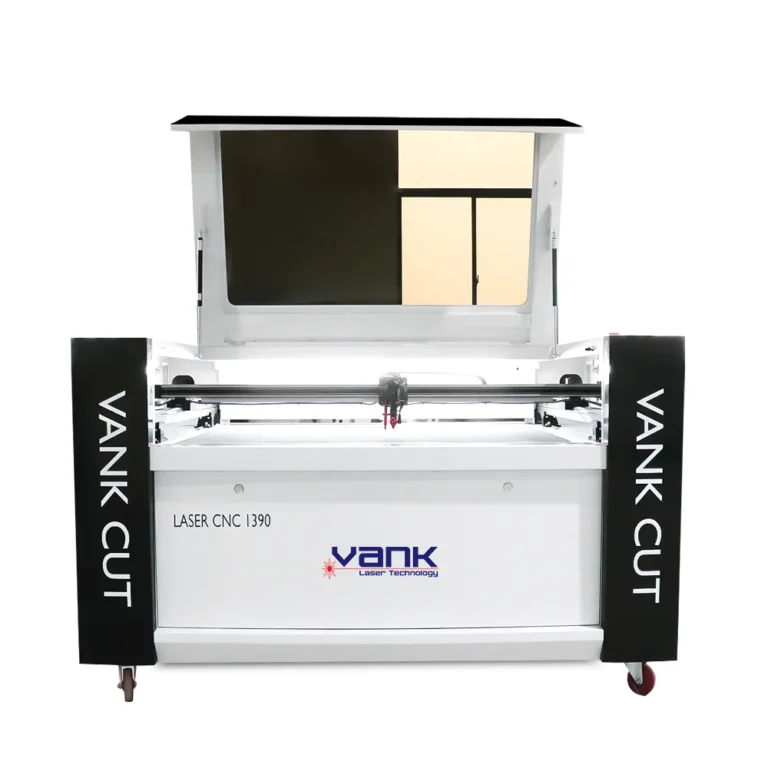
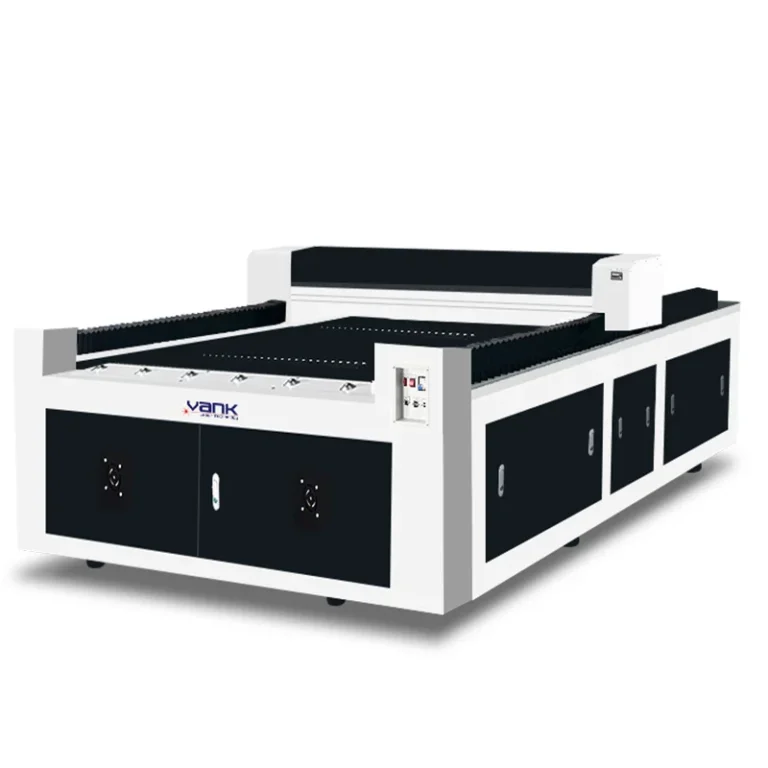
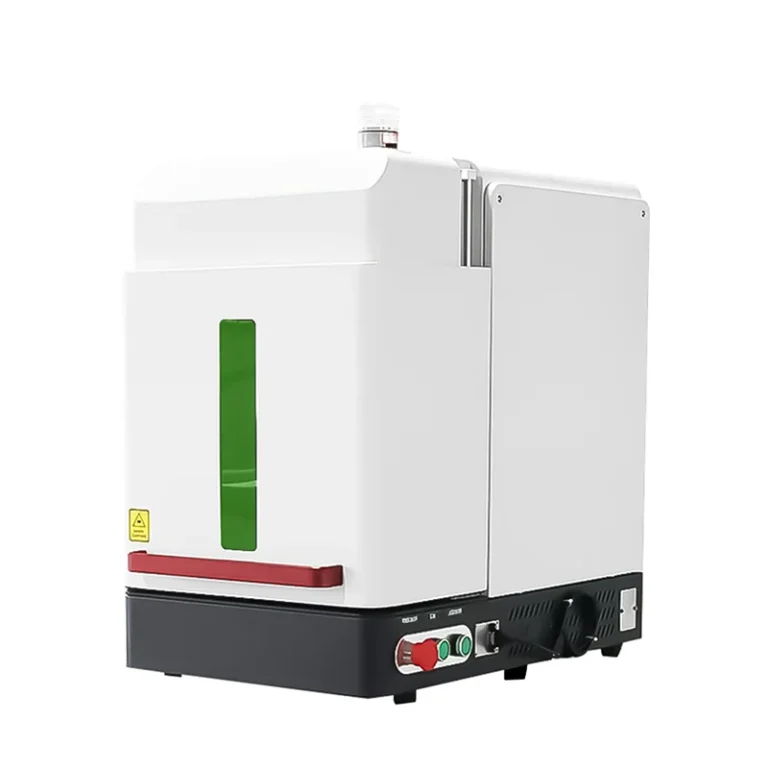
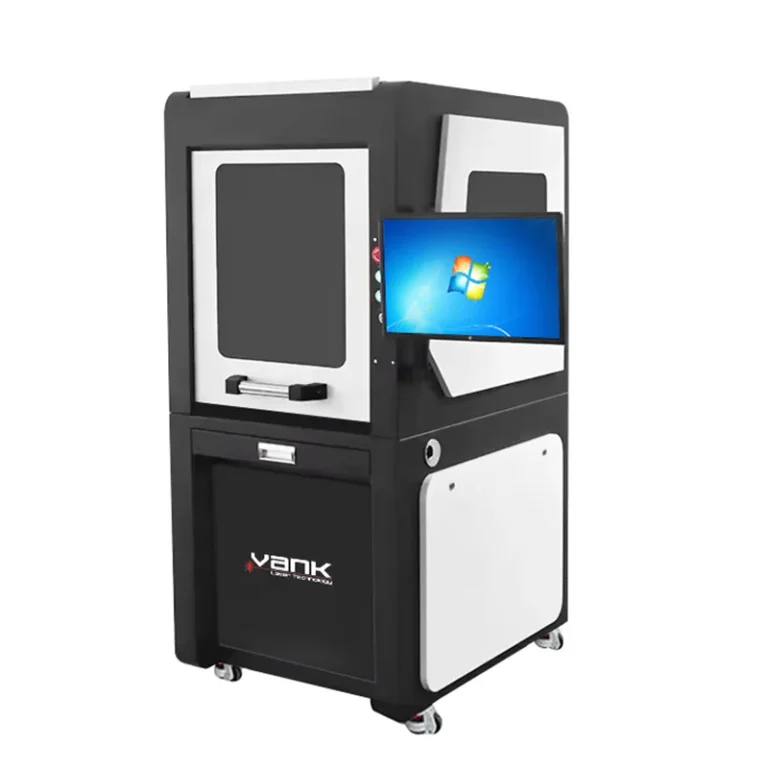
Choosing a fiber laser cutting machine for sheet metal starts with the parts you must produce, not the highest available laser power. The machine, cutting process, material handling, gas supply, extraction, software, safety package and service plan must work as one production system.
Build a production matrix before requesting quotations: material grade and finish, monthly volume by thickness, sheet dimensions, largest part, smallest hole or feature, tolerance, edge requirement, downstream welding or coating, target cycle time and expected future mix. Use this same matrix to compare every supplier.
Start with material, grade, finish and thickness
Separate mild steel, stainless steel, galvanized sheet, aluminum, brass and copper by alloy, condition, coating and surface film. Reflectivity, thermal conductivity and coating behavior affect piercing, parameter stability and whether the quoted optical system is approved for the material.
Distinguish routine production thickness from occasional maximum thickness. Also define the cutting gas and edge requirement: oxygen can support flame cutting of mild steel but leaves an oxidized edge, while nitrogen or another inert gas supports oxide-free fusion cutting at different pressure, flow, power and cost.
A suitable fiber laser cutting machine must qualify the buyer’s normal material-thickness matrix with the intended gas, edge criteria and cycle-time target. A maximum-thickness statement alone is not an acceptance test.
Choose the working area and handling system
Working area determines which sheets and parts fit, but the usable envelope, edge margins, pallet design, loading route and part-removal method determine daily productivity. Include remnants, skeleton handling and nesting strategy in the evaluation.
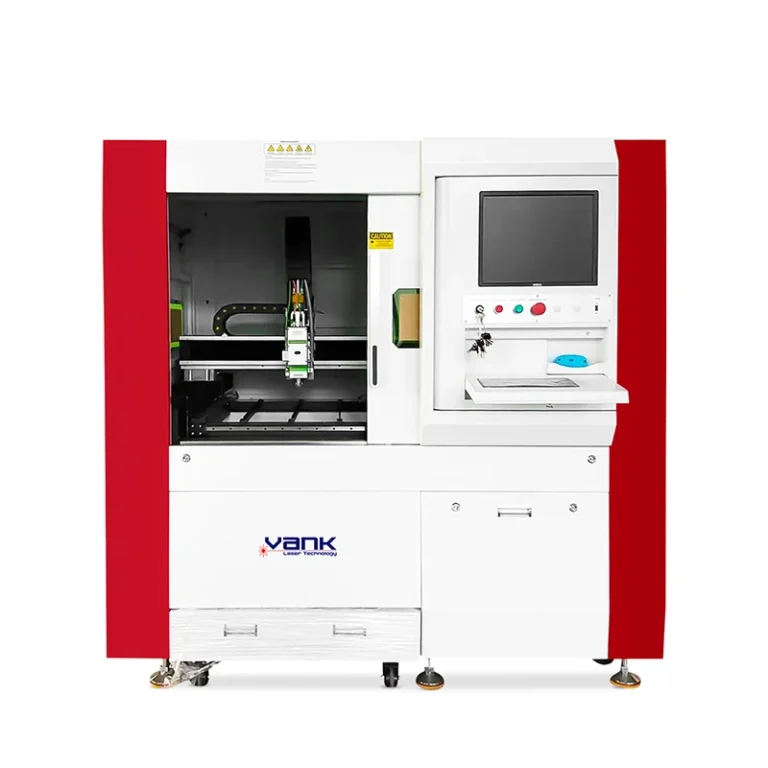
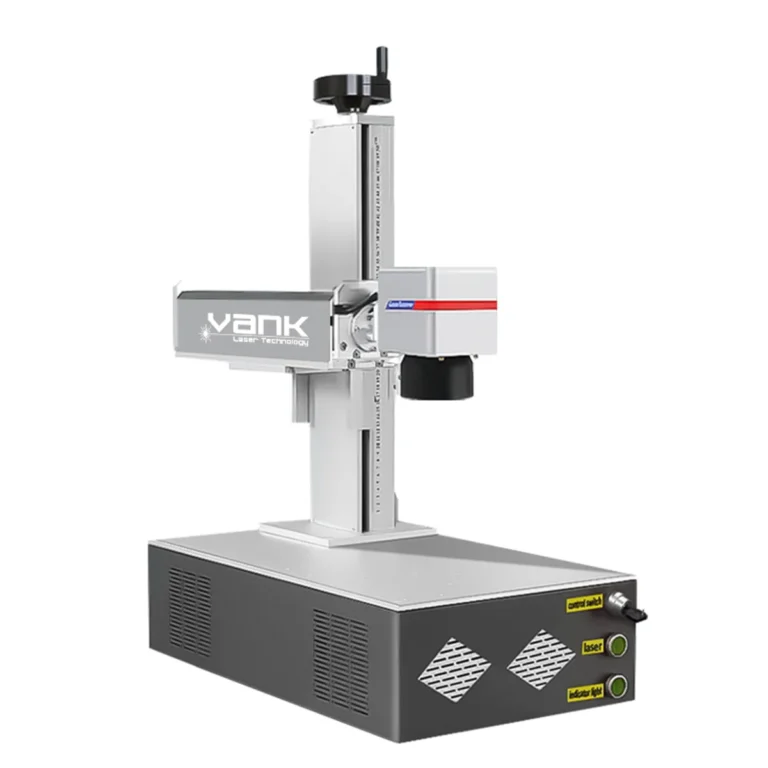
For small precision parts and compact sheets, A high-precision metal fiber laser cutting machine can reduce floor space and simplify fixturing. Confirm usable travel, small-hole capability, axis accuracy and sample-part tolerance rather than relying on the word “precision.”
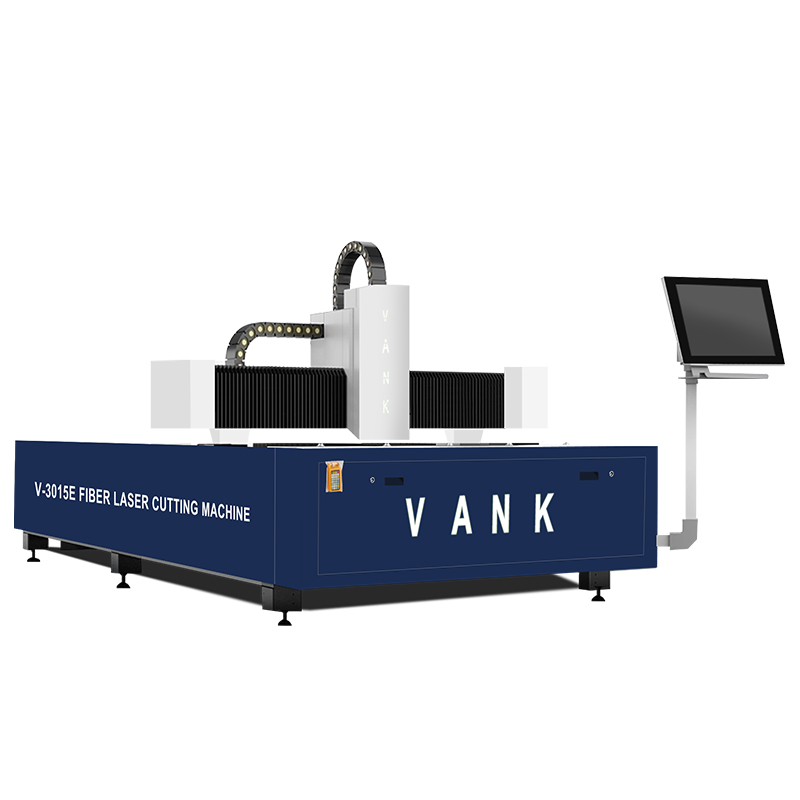
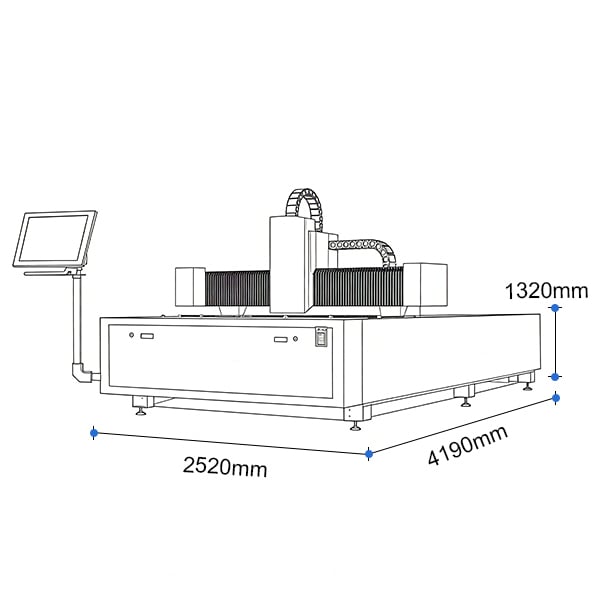
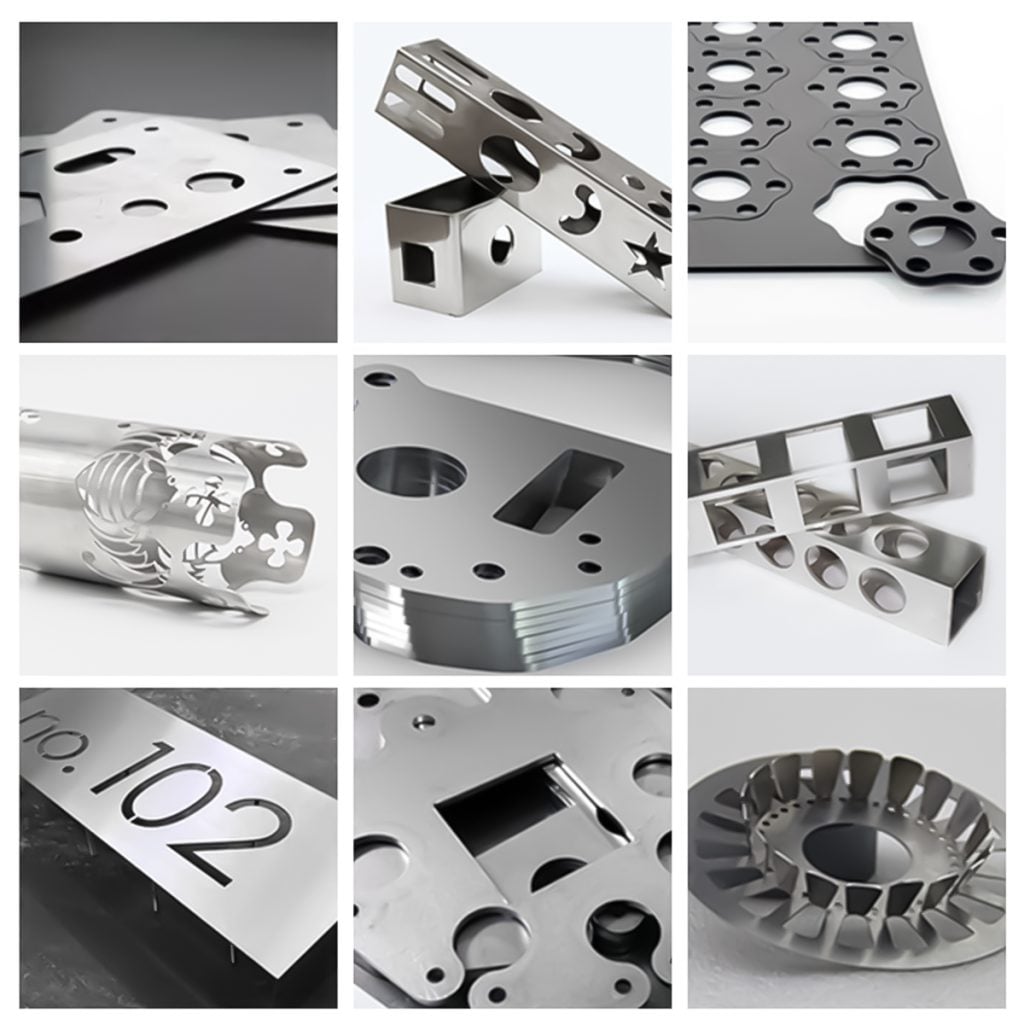
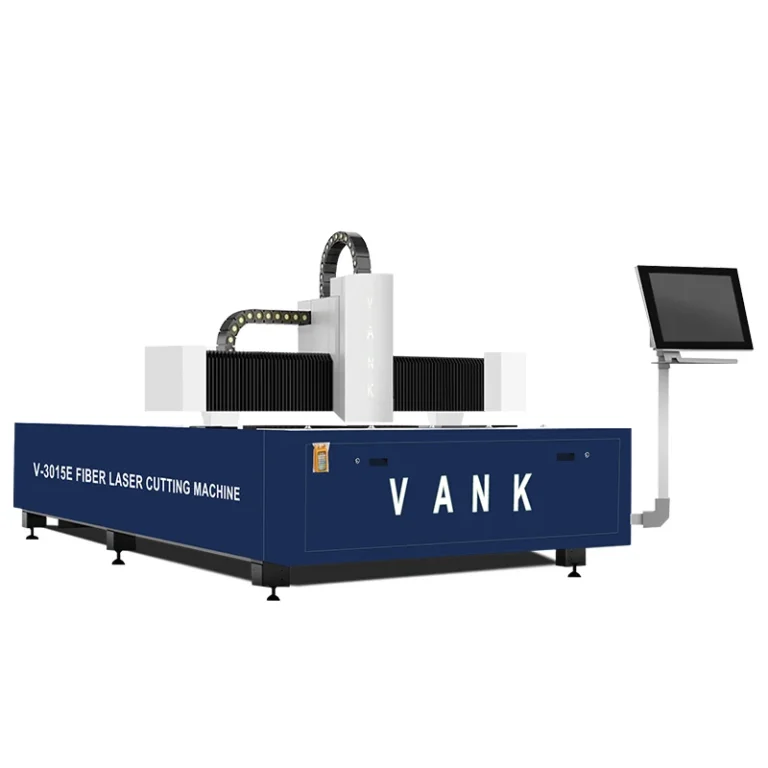
For medium or large sheets, choose a format that accepts the standard stock without repositioning. Exchange tables, loading towers and automatic unloaders may improve throughput, but only when material flow, staffing, floor height and downstream sorting are planned around them.
Confirm the complete installed footprint: machine, enclosure, chiller, extraction, gas manifold or generator, compressor, electrical cabinet, maintenance access, loading zone and safe removal route. Obtain a foundation and utility drawing before purchase.
Select laser power from a qualified process window
Laser power affects the available process window, piercing time and speed, but the correct value depends on material, thickness, gas, nozzle, beam delivery, required edge and duty cycle. Generic power-versus-thickness charts cannot replace tests on the quoted configuration.
For thin sheet and fine features, motion control, focus stability, nozzle condition and process tuning may matter more than extreme peak power. For thicker plate or high-volume inert-gas cutting, higher power can improve productivity only when gas flow, extraction, cooling, motion and part handling can support it.
Ask each supplier to cut the same drawings in your actual materials and thicknesses. Record parameters, cycle time, gas consumption and acceptance results, then agree which samples and measurements will be repeated during the factory acceptance test (FAT).
Judge cut quality and repeatability, not headline speed
A rapid traverse or maximum linear speed is not a production result. Piercing, corners, small contours, head motion, sheet quality, nesting, gas changes and unloading all affect completed parts per shift.
Use a sample-cut acceptance plan that records:
- edge roughness, striation, burr or dross, and oxide condition
- piercing stability, hole quality and minimum qualified feature size
- dimensional tolerance, repeatability and thermal distortion across a full nest
- cycle time, gas consumption, scrap, part removal and downstream finishing
Thin sheet is sensitive to heat accumulation, sheet flatness, vibration, nozzle alignment and height-control performance. Test a representative full nest, not one isolated contour, to reveal thermal drift, tipped parts, collisions and consistency through the run.
A qualified fiber laser machine supplier should provide sample files, measured results, parameter records and the test conditions behind any speed or accuracy claim.
Verify the cutting head, controller and CAD/CAM workflow
Confirm the exact laser source, cutting head, autofocus range, capacitive height control, collision protection, nozzle system and approved reflective-metal limits. Brand names alone do not define the supplied model, firmware, warranty or optical configuration.
Verify CAD/CAM import formats, nesting, common-line or fly-cut functions, remnant management, production reporting, license terms, update policy and controller compatibility. Test the buyer’s actual drawings and data workflow before acceptance.
Usability includes role-based access, parameter protection, alarm history, maintenance prompts, backups, operator training and clear manuals. The process should not depend on one person’s undocumented settings.
Audit the machine structure and exact BOM
A laser cutting machine manufacturer should disclose the model-specific BOM and machine architecture: frame and stress-relief method, rack or screw drive, guides, servos, reducer, source, head, controller, chiller, extraction interface and electrical components.
Inspect leveling and guide alignment, backlash, servo tuning, lubrication, height-control calibration, electrical workmanship and cooling records. Long-term accuracy depends on installation, environment and maintenance as well as frame stiffness.
Compare like-for-like quotations with an itemized BOM, performance scope, excluded utilities, destination voltage, spare parts, documentation, warranty and FAT criteria. Similar exterior panels can hide materially different configurations.
Price gas, utilities, automation and service
Price the installed system, not only the machine. Include freight, duties, rigging, foundation, electrical work, extraction, compressor, gases or gas generation, chiller, software, safety upgrades, training, consumables, spares and planned maintenance.
Before ordering, confirm:
- the installed price and every excluded item or site service
- oxygen, nitrogen, compressed-air or mixed-gas quality, pressure, flow and cost
- electrical capacity, compressor, chiller, extraction and environmental limits
- consumables, recommended spares, warranty coverage and lead times
- sample testing, FAT, installation, training, software licensing and support terms
Total cost per accepted part depends on utilization, nesting yield, gas and electricity, consumables, scrap, rework, labor, maintenance and downtime. Calculate it from representative production tests instead of assuming that the lowest purchase price or highest power gives the best return.
Service evidence should include named support channels, response targets, language and time-zone coverage, remote-access rules, commissioning and training scope, spare-parts lead times, warranty inclusions and escalation. Put these commitments in the order documents.
Match the machine type to the production mix
No single machine fits every sheet-metal business. Small precision parts, thin-sheet batches, mixed fabrication and thick-plate production place different demands on work area, power, gas, automation and acceptance criteria.
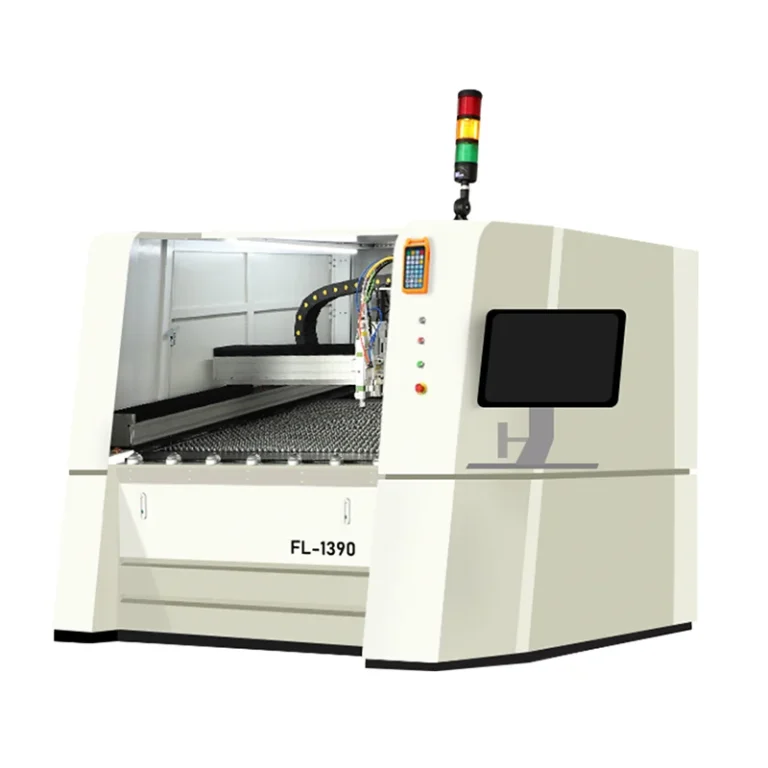
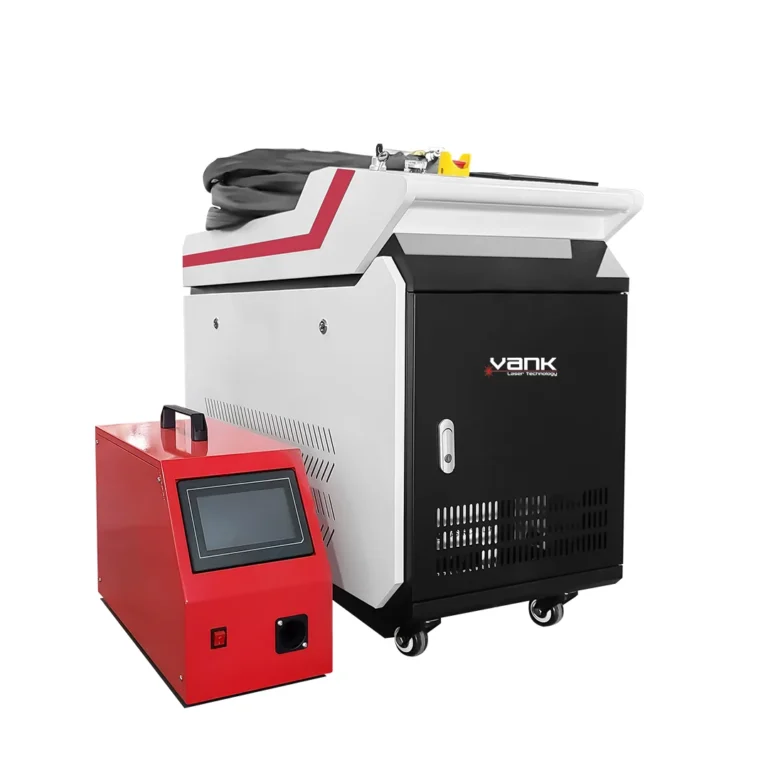
After sample validation, high-precision metal fiber laser cutting machines can suit compact, tolerance-sensitive parts. Regular thin-sheet work may favor stable thin-sheet fiber laser cutting machines. Broader fabrication may justify larger fiber laser cutting platforms with exchange tables or automation.
The best machine is the one that meets the defined material matrix, accepted-part quality, throughput and cost target under the buyer’s actual site conditions.
Fiber Laser Cutting Machine Selection Checklist
Choose the machine through a documented sequence: production matrix, shortlisted configurations, representative sample tests, installed-cost comparison, safety and compliance review, supplier audit, written FAT protocol and final quotation with an exact BOM.
Send suppliers your material grades, thickness distribution, drawings, sheet sizes, edge requirements, monthly volume, utilities, destination and acceptance criteria. A qualified laser cutting machine manufacturer can then recommend and prove a configuration against the same evidence.