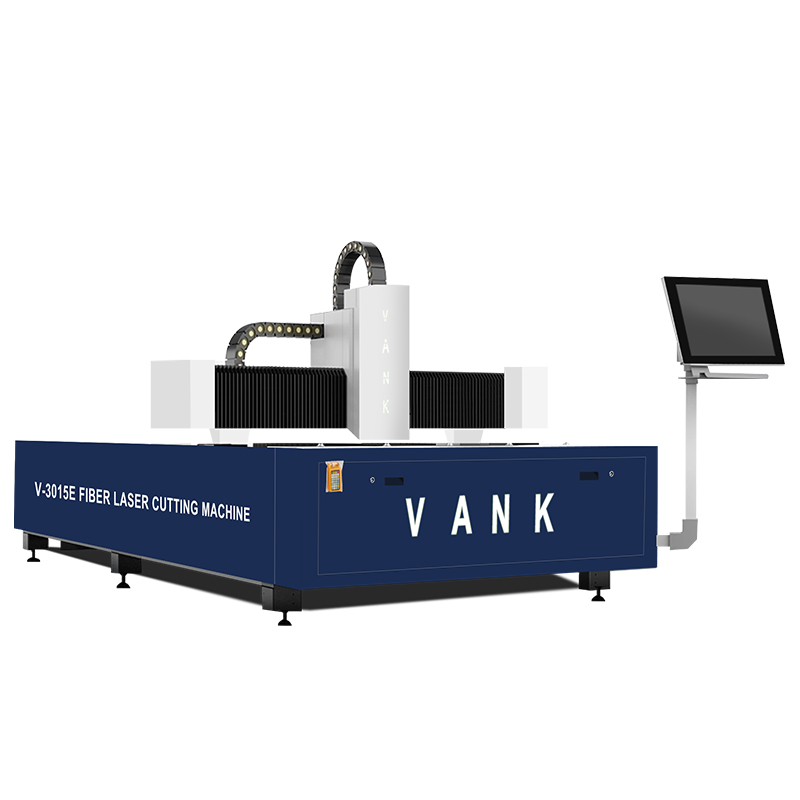



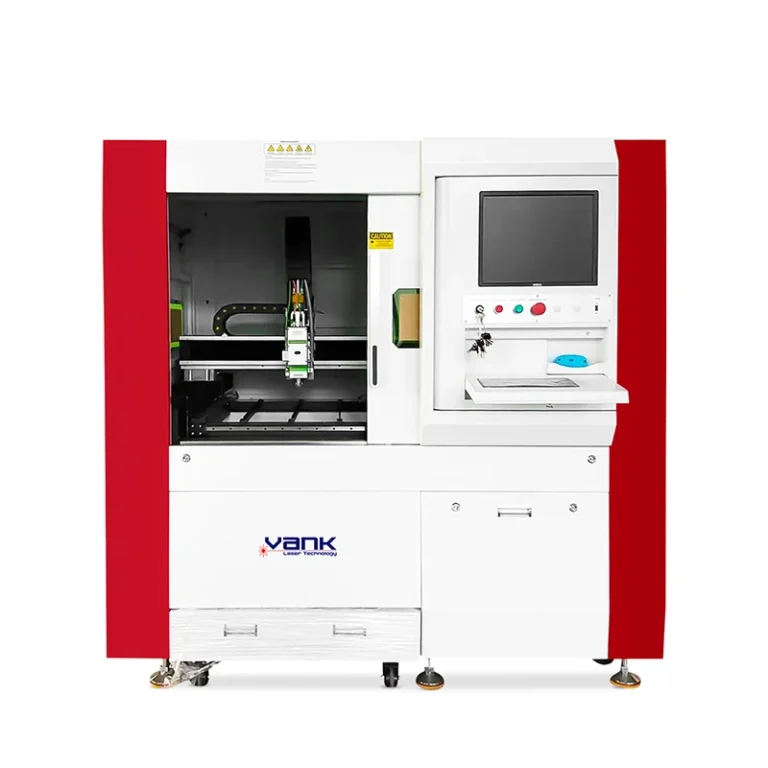
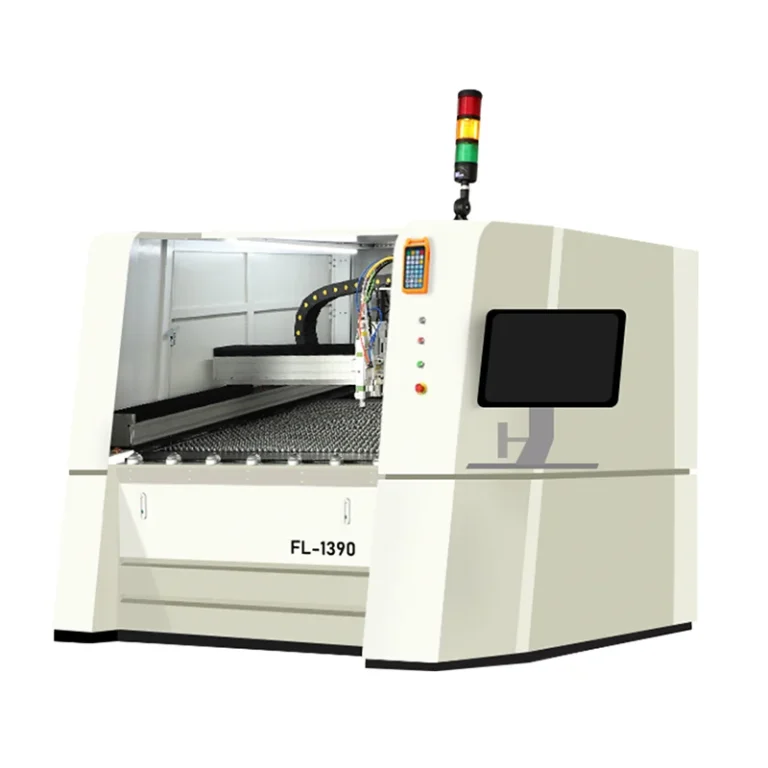
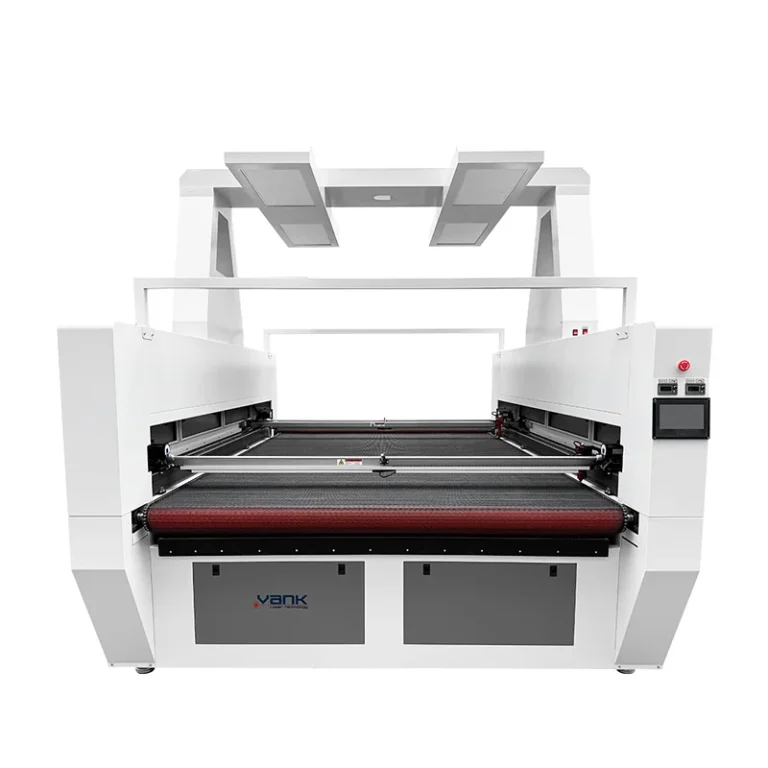
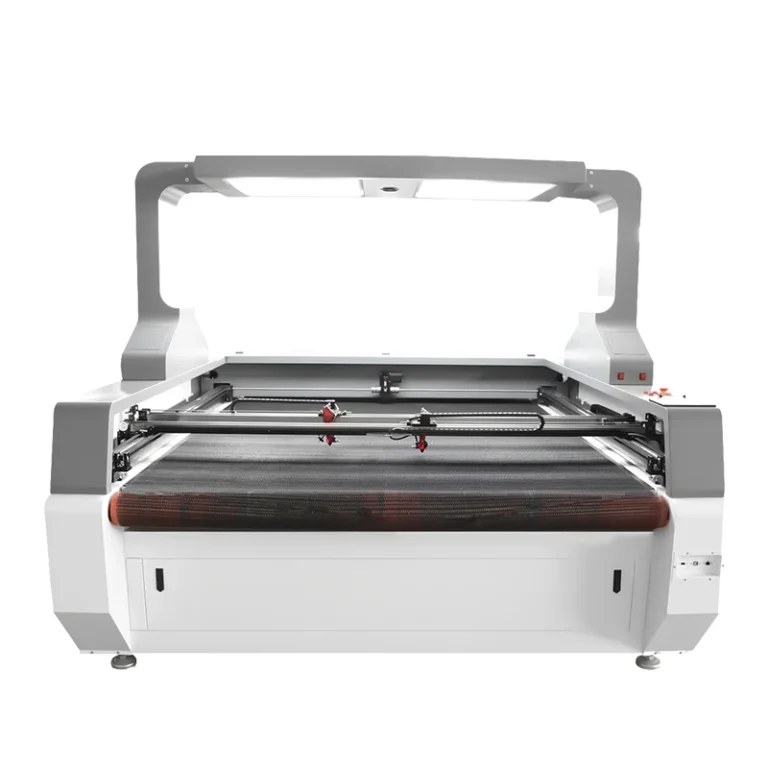
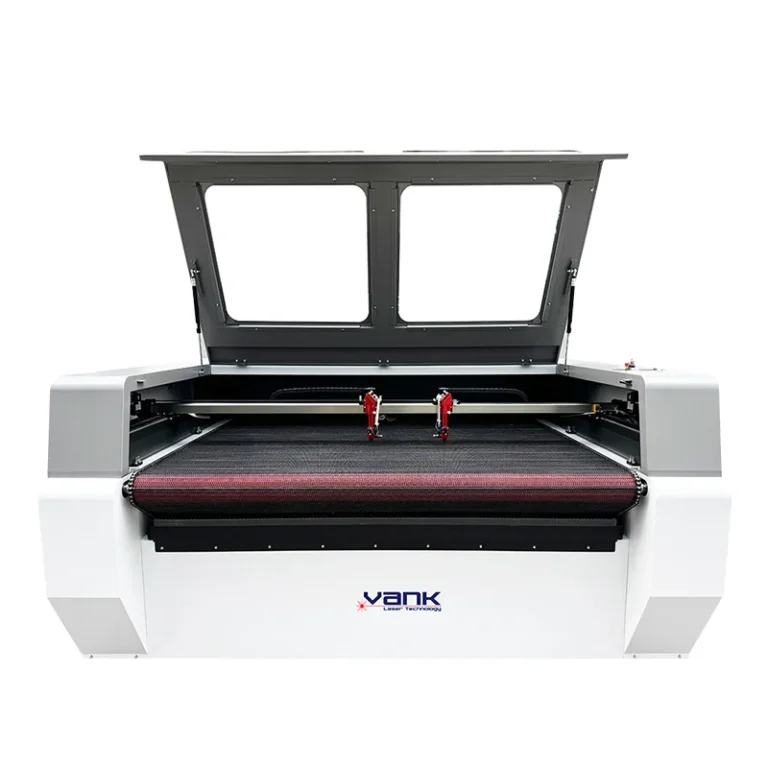
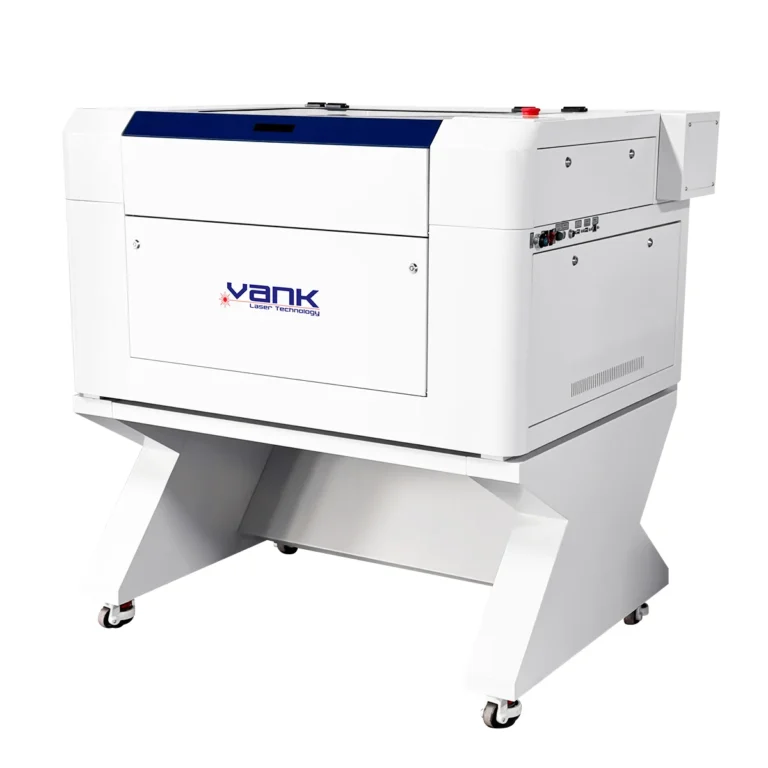
Choosing a laser cutting machine for your business should begin with your parts, materials and production targets, not with the highest advertised wattage. A disciplined comparison of process fit, usable capacity, cut quality, operating cost and supplier support will produce a better investment decision.
1. Start with Your Materials and Parts
Create a representative part list before comparing machines. Record the material grade, routine and maximum thickness, sheet or roll size, required tolerance, edge-finish expectation and monthly volume.
- For sheet metal, identify carbon steel, stainless steel, aluminum, brass or copper separately. Reflective alloys, coatings and assist-gas requirements can affect the process window and machine configuration.
- For non-metals, CO₂ systems are commonly evaluated for acrylic, wood, paper and approved textiles. Confirm the exact composition of plastics and coated fabrics first; do not laser-process PVC, PVB, PTFE or unknown halogenated materials.
Send the supplier sample parts, CAD files and expected production mix. A machine selected around real jobs is more useful than one selected from a generic maximum-thickness chart.
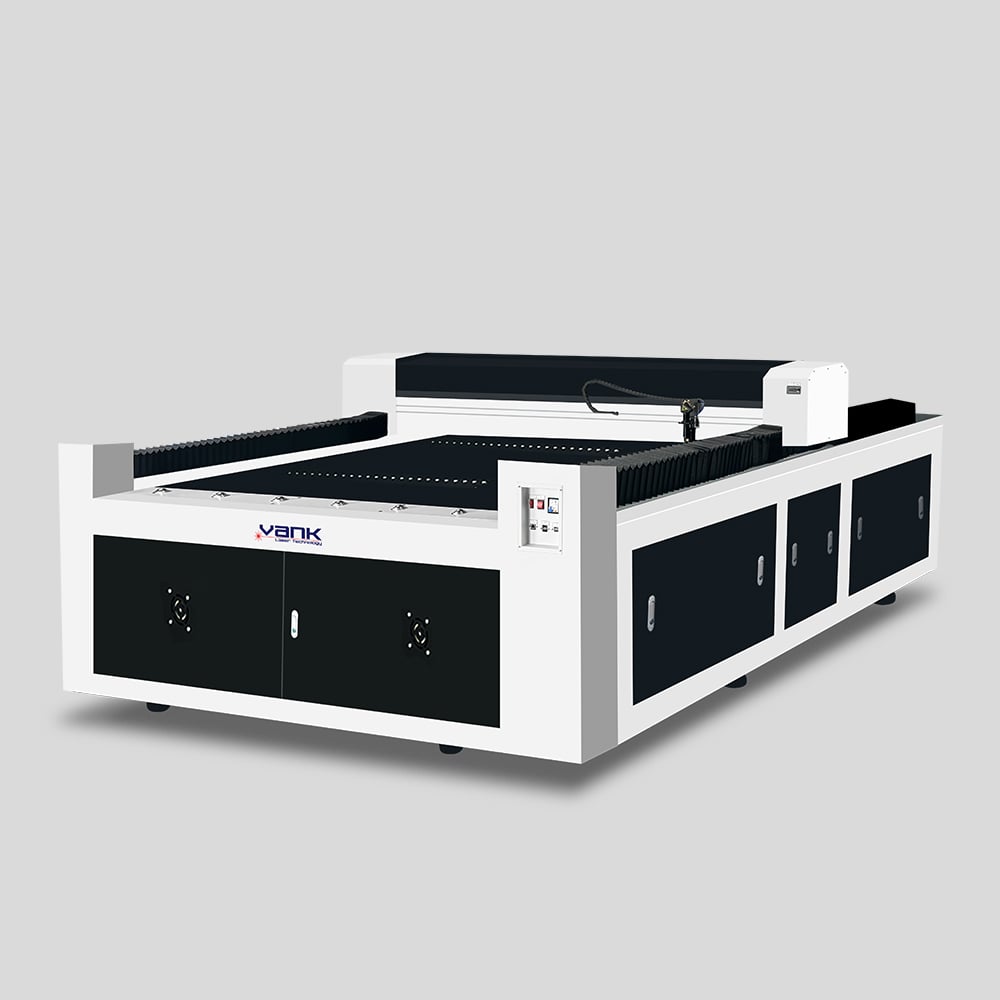
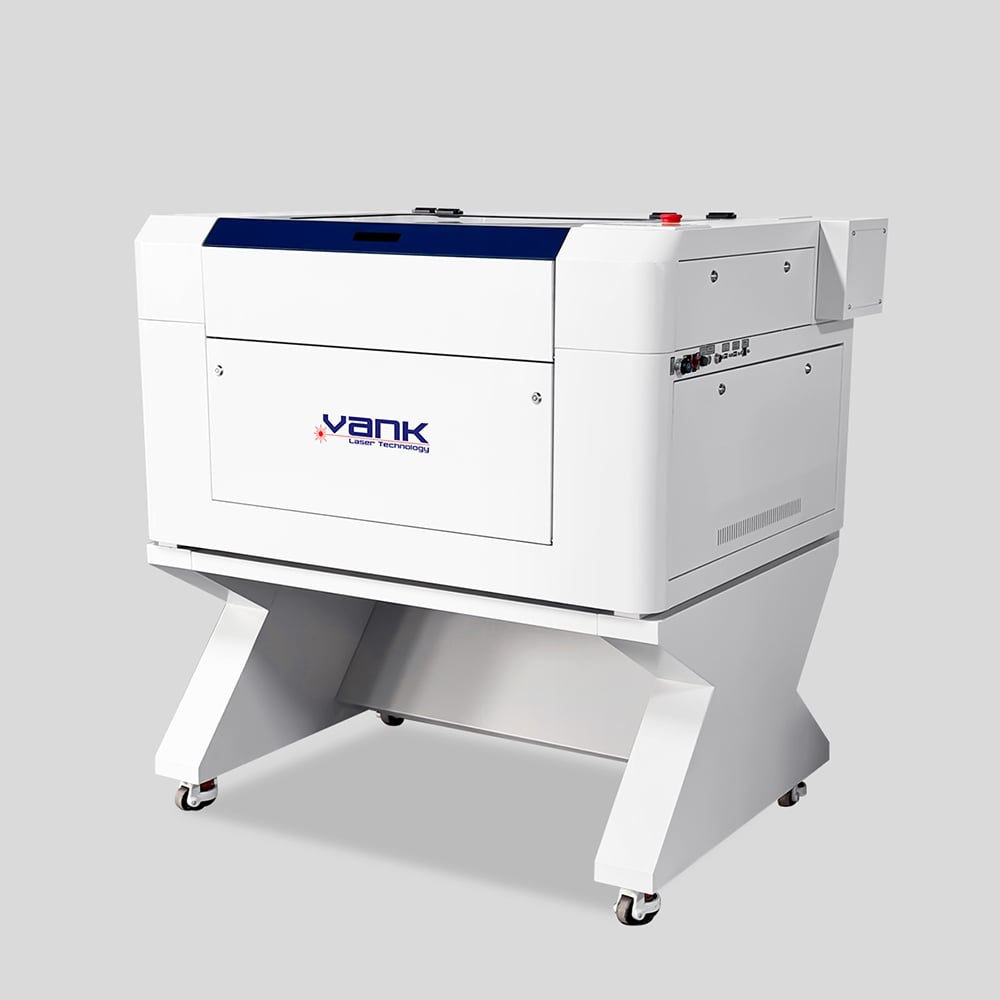
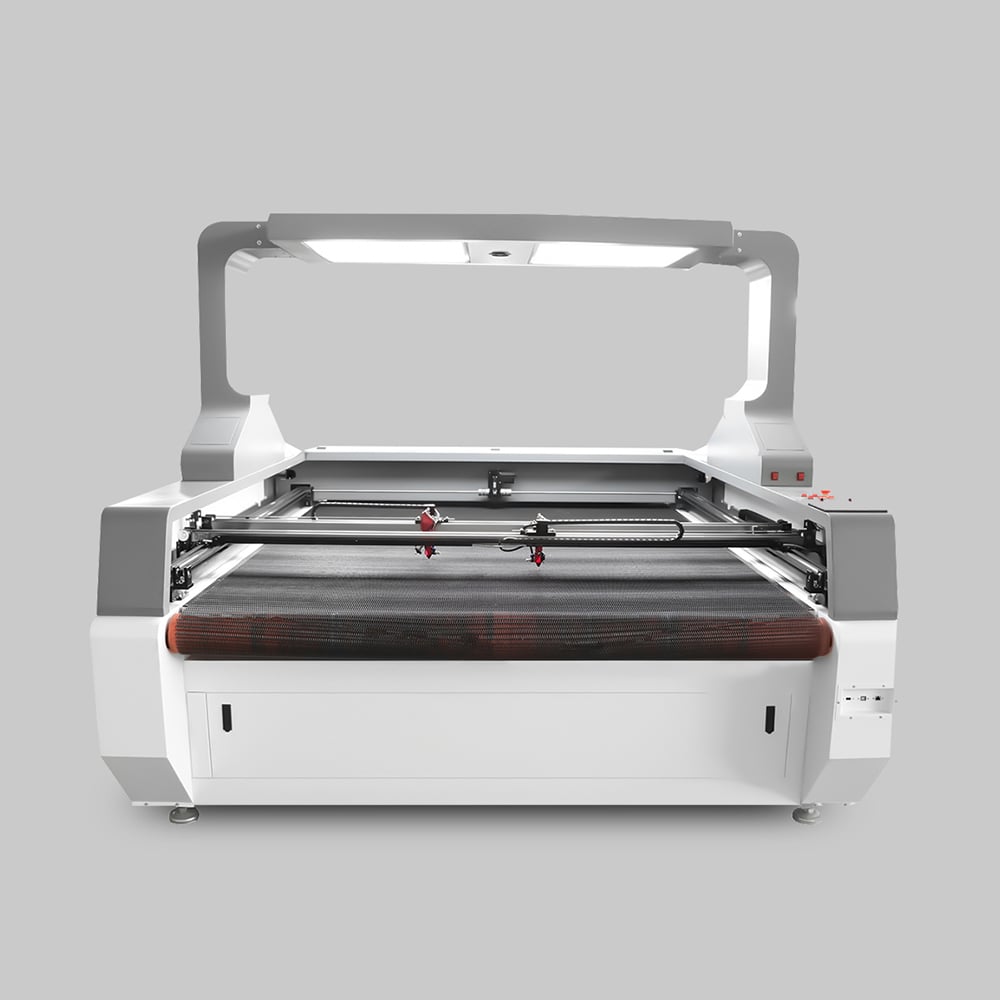
2. Match the Laser Type to the Application
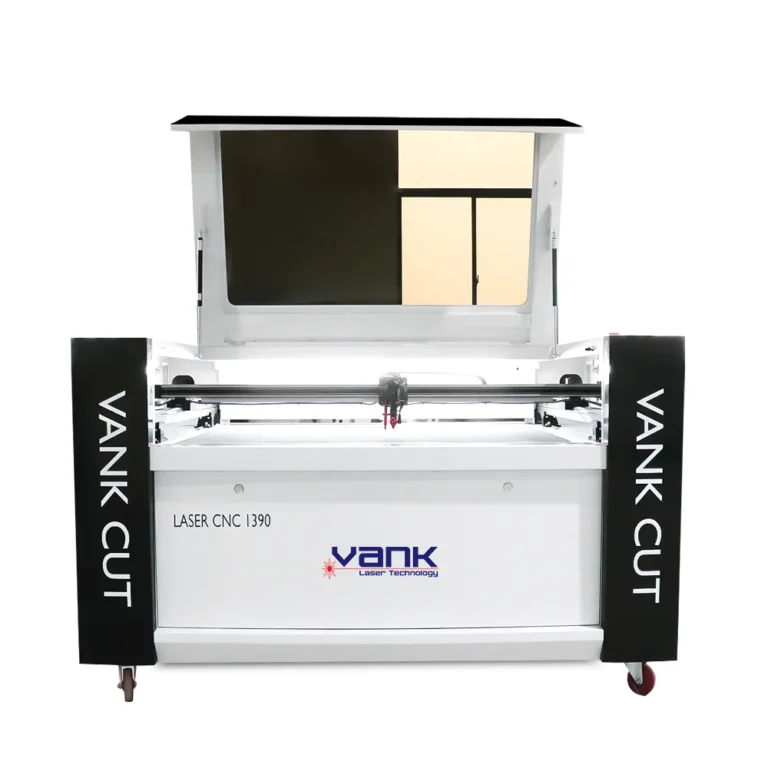
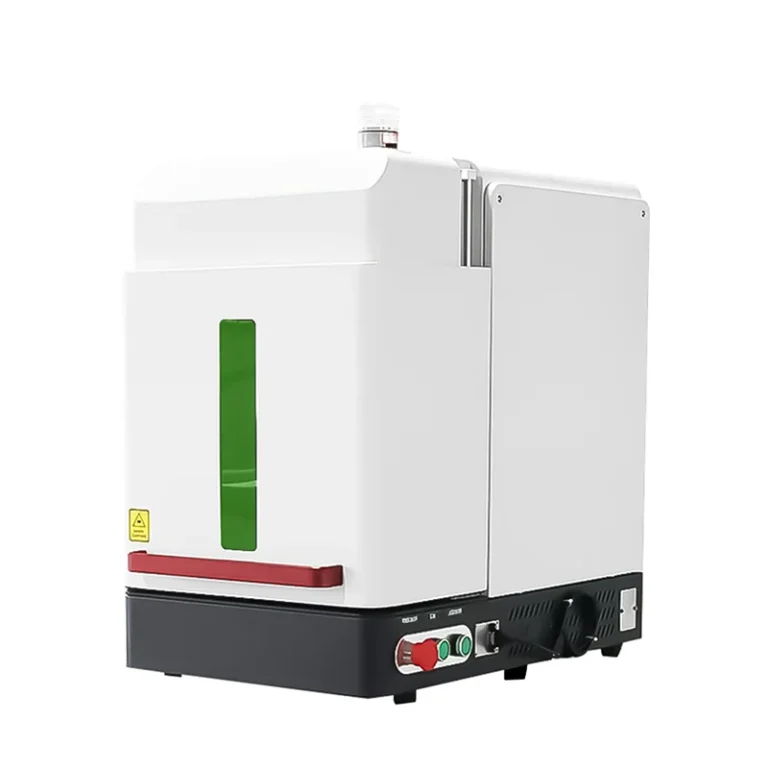
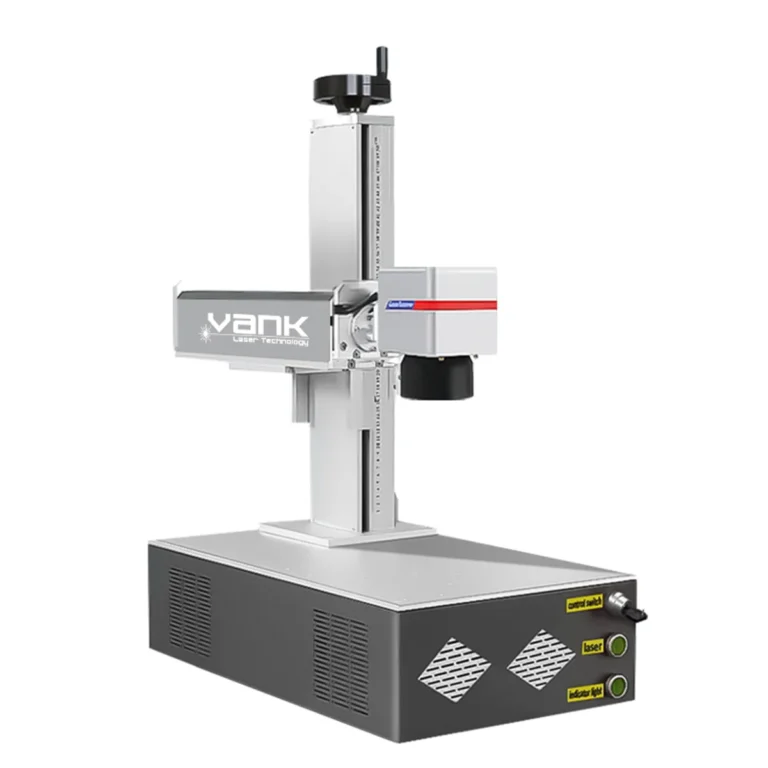
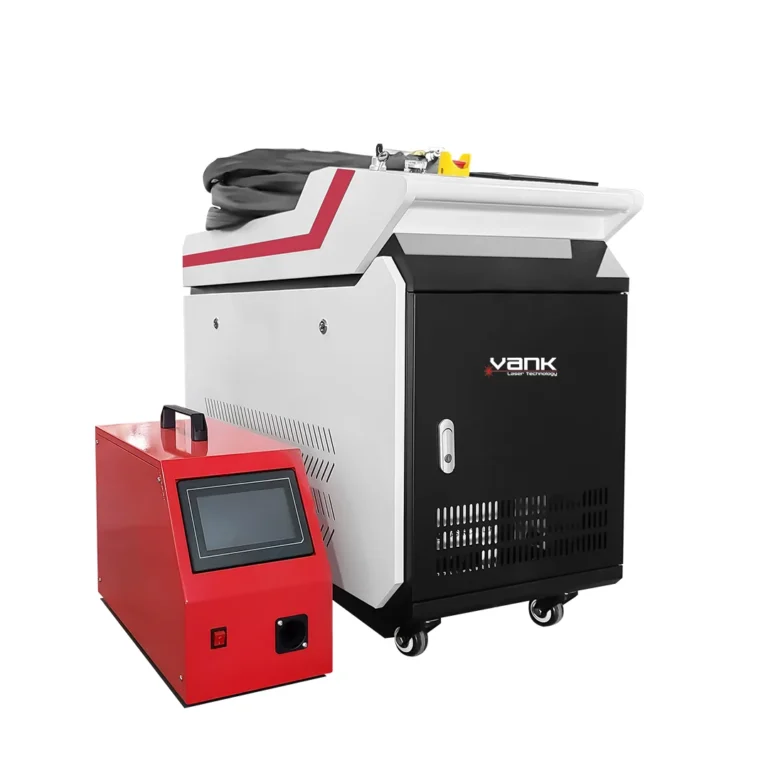
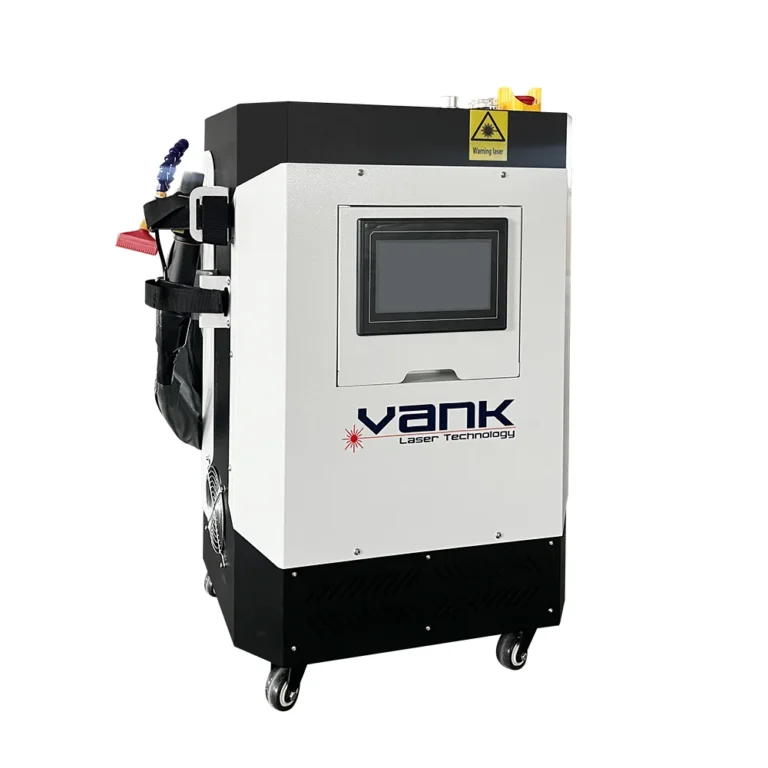
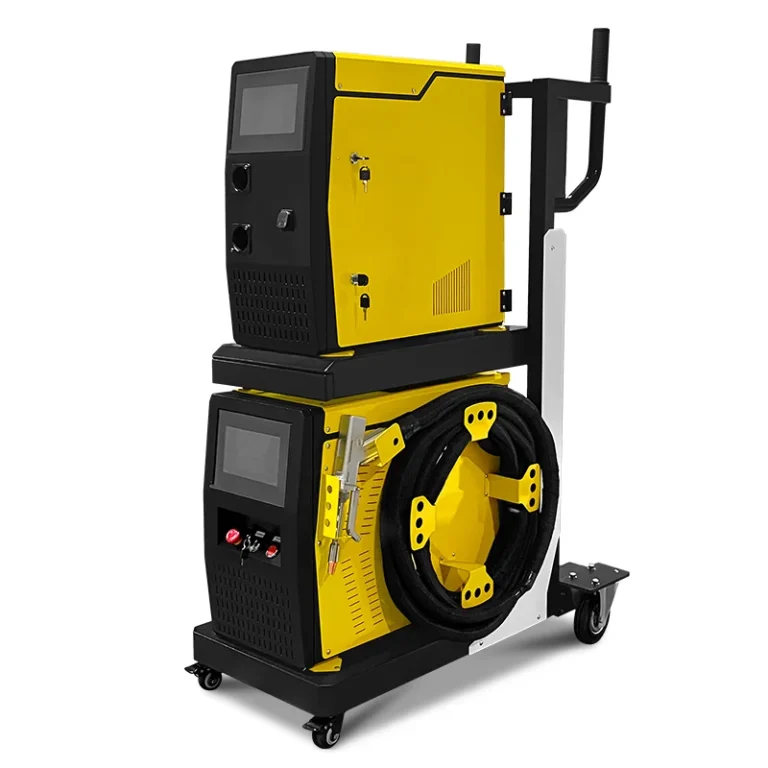
Fiber laser cutting machines are generally the first option to evaluate for production cutting of metal sheet and plate. CO₂ cutting machines are commonly considered for non-metal products where their wavelength is well absorbed.
- Choose the laser source, power and assist gas from documented cuts in your actual materials. Routine production thickness matters more than an occasional maximum-thickness claim.
- For acrylic, wood, paper or textiles, compare CO₂ power, working area, extraction, air assist and fire-control provisions. Add a camera or conveyor only when the workflow justifies it.
3. Define Capacity and Cut-Quality Targets
Productivity depends on more than laser power. Acceleration, piercing time, nesting efficiency, loading, unloading and downstream handling can determine the real number of acceptable parts per shift.
- Specify dimensional tolerance, kerf, edge roughness, dross, heat-affected appearance and acceptable taper for representative parts. Ask the supplier to document the settings and inspection method.
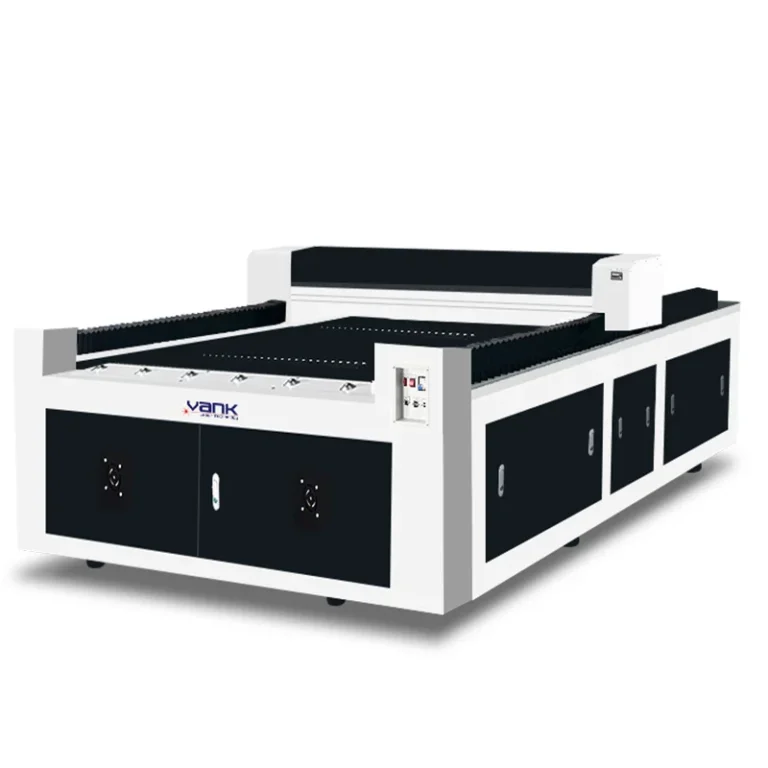
- Choose a working area that fits normal stock without unnecessary floor space. For repeat volume, evaluate exchange tables, automatic loading, conveyors or roll feeders against measured labor savings.
Confirm that the cutting head, chiller, extraction, compressor or gas supply, electrical service and software are included or clearly identified as site requirements.
4. Compare the True Operating Cost
Compare total cost per acceptable part rather than purchase price alone. Use the same material, part file, quality standard and shift assumptions for every quotation.
- Estimate electricity, assist gas, lenses and nozzles, filters, planned maintenance, software, labor, material utilization and financing. Include consumables that are excluded from the base machine price.
- Model downtime as well as running cost. Check spare-parts availability, remote diagnostics, response time, warranty scope and who pays travel, freight and labor.
5. Verify Safety, Software and Support
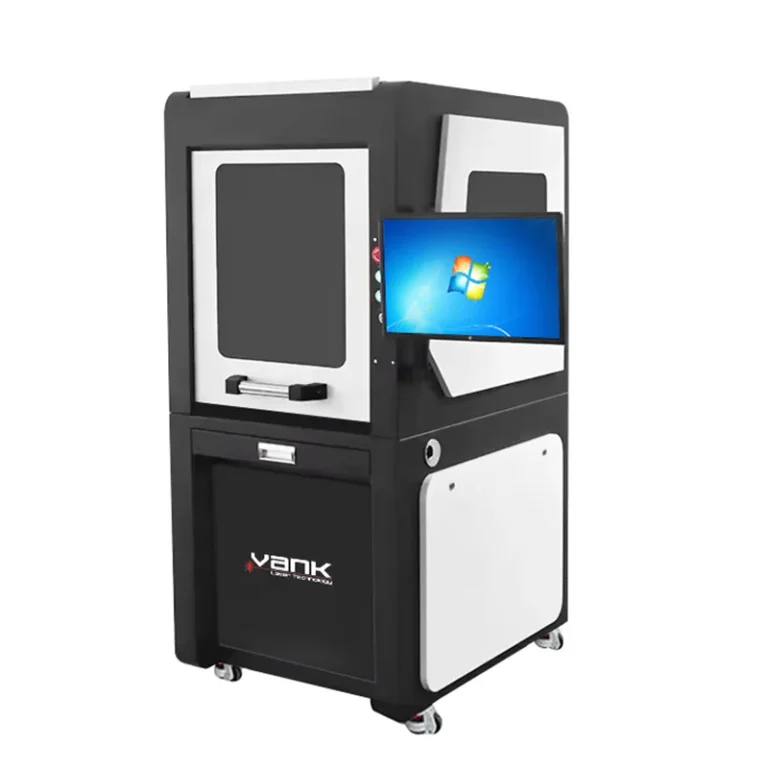
Request a written machine configuration and responsibilities list. It should identify the laser source, cutting head, controls, drives, safety enclosure or guarding, extraction, training, installation and acceptance criteria.
- Review guarding, interlocks, emergency stops, fume extraction, fire risk and applicable local safety requirements with a qualified safety professional before installation.
- Test CAD/CAM compatibility, nesting, file import, parameter management, user permissions and backup procedures. Confirm the language and delivery method for operator and maintenance training.
Ask for references from customers running similar materials and shifts. Supplier capability should be judged by documented application testing, parts support and service terms, not by marketing claims alone.
6. Approve the Machine with a Sample Cut and FAT
Before placing the order, request sample cuts and a factory acceptance test using representative files and materials. Record cycle time, dimensions, edge quality, consumables and settings, then include the agreed acceptance criteria, configuration, documentation and training in the purchase contract.