


How to Evaluate a China Laser Machine Manufacturer
Choosing a China laser machine manufacturer should begin with the part and process, not a headline price. Define material grade, thickness, geometry, tolerance, throughput, utilities, extraction, software, operator skill, destination compliance and service expectations before comparing machines.
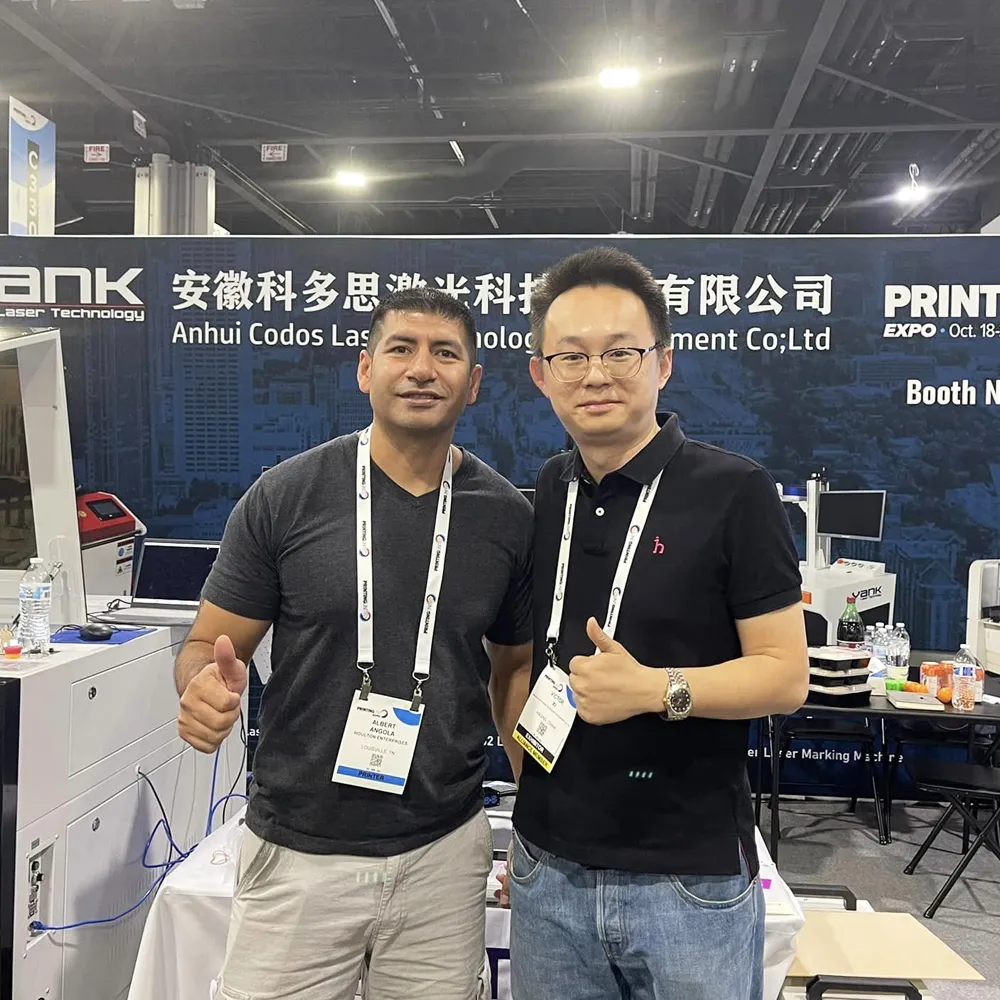
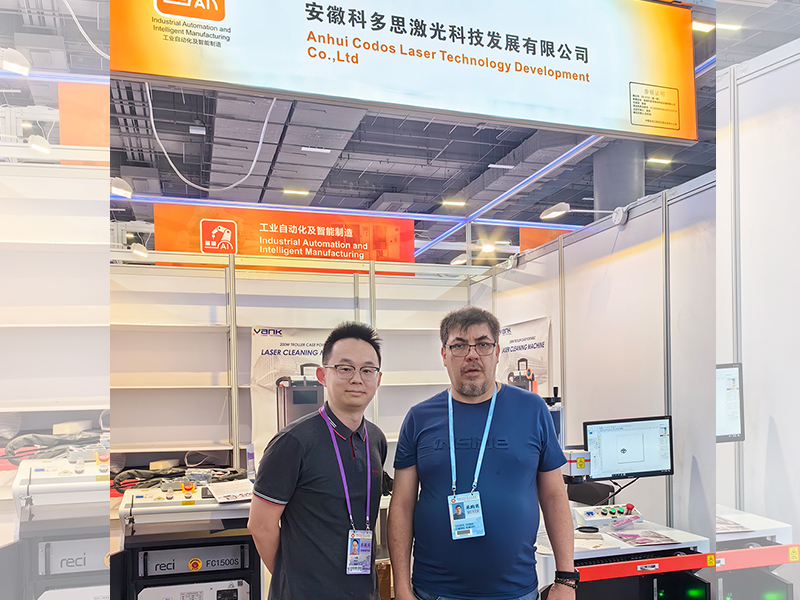
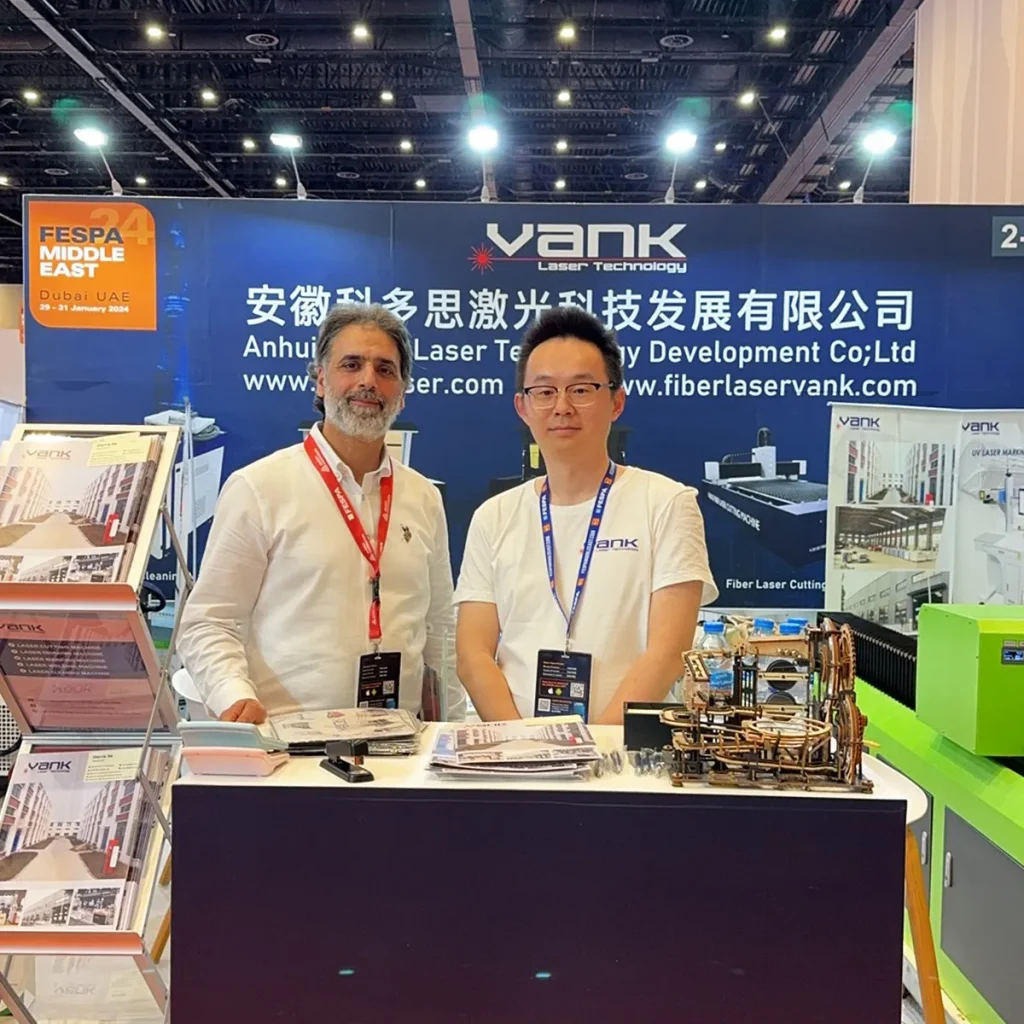
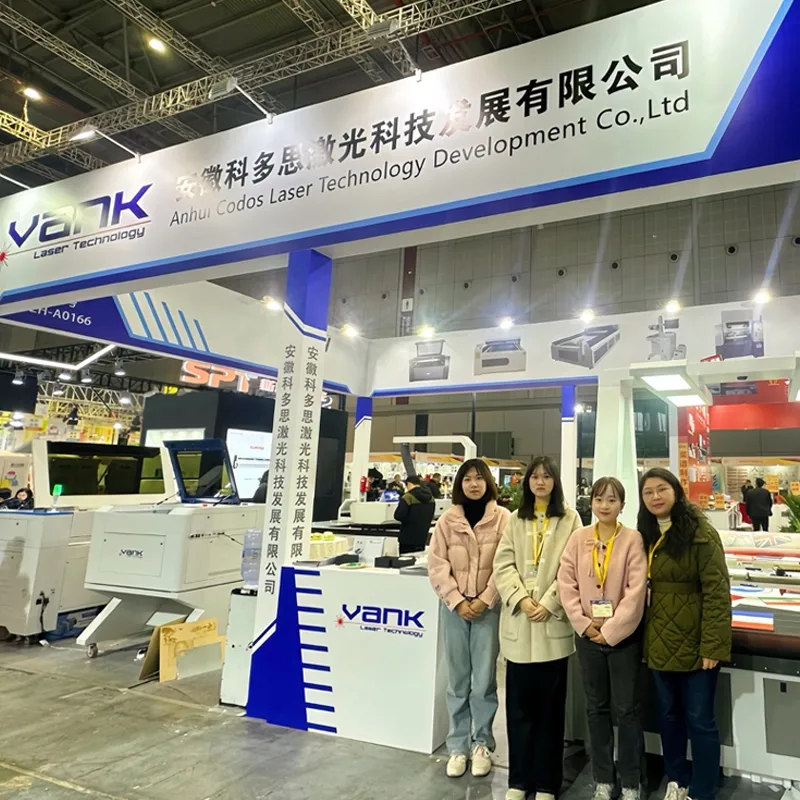
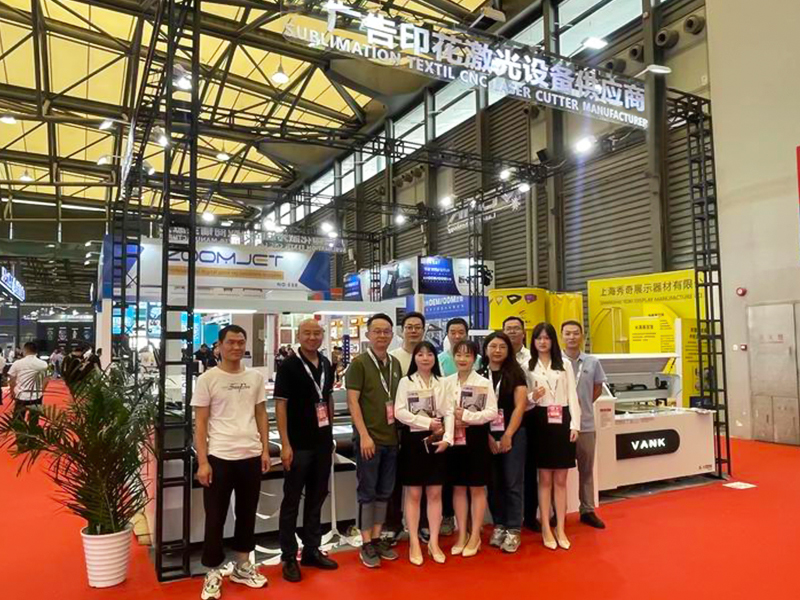
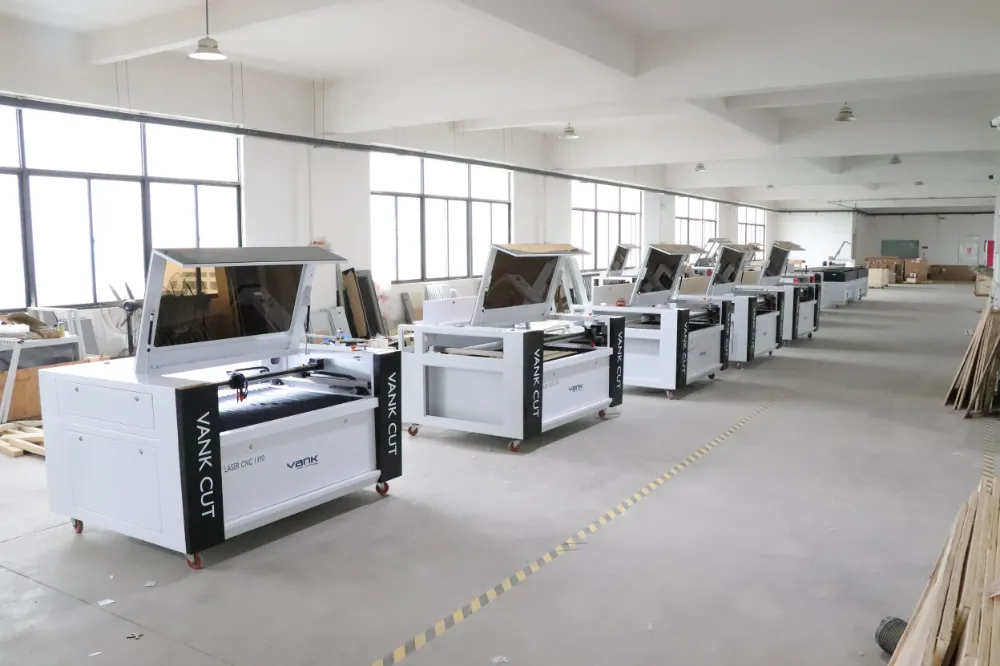
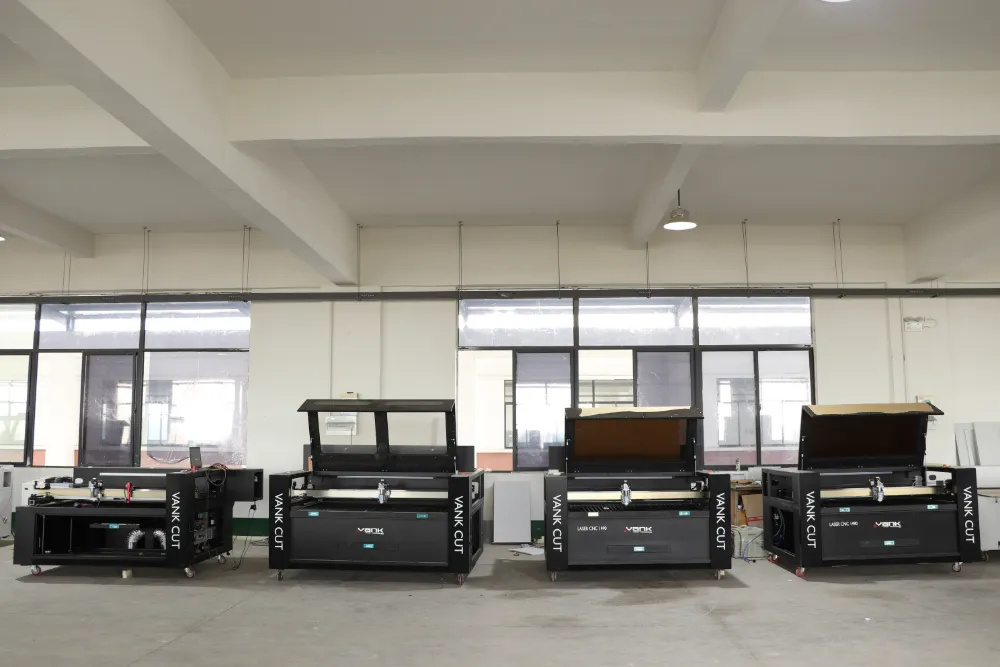
Vank Laser supplies fiber and CO2 cutting, engraving and marking systems, plus handheld welding and cleaning equipment, from Xuzhou, China. The exhibition photographs below document brand presence; they do not by themselves certify machine performance, regulatory conformity or after-sales capability. Verify those points for the exact quoted configuration.
1. Small-Format Fiber Laser Cutting: Verify Accuracy by FAT
Reference products: VankCut-6060FL and 3015-series fiber laser cutters
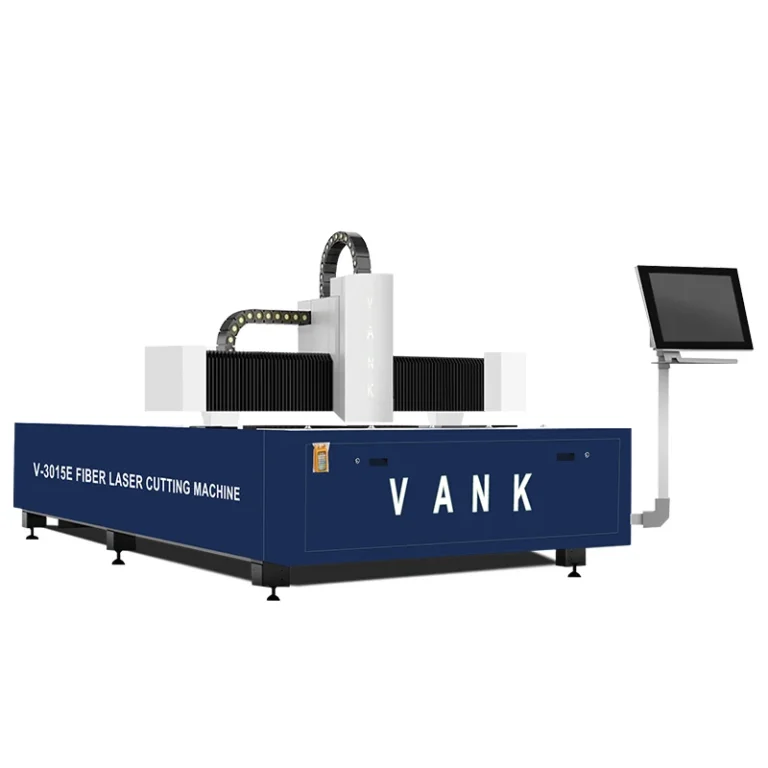
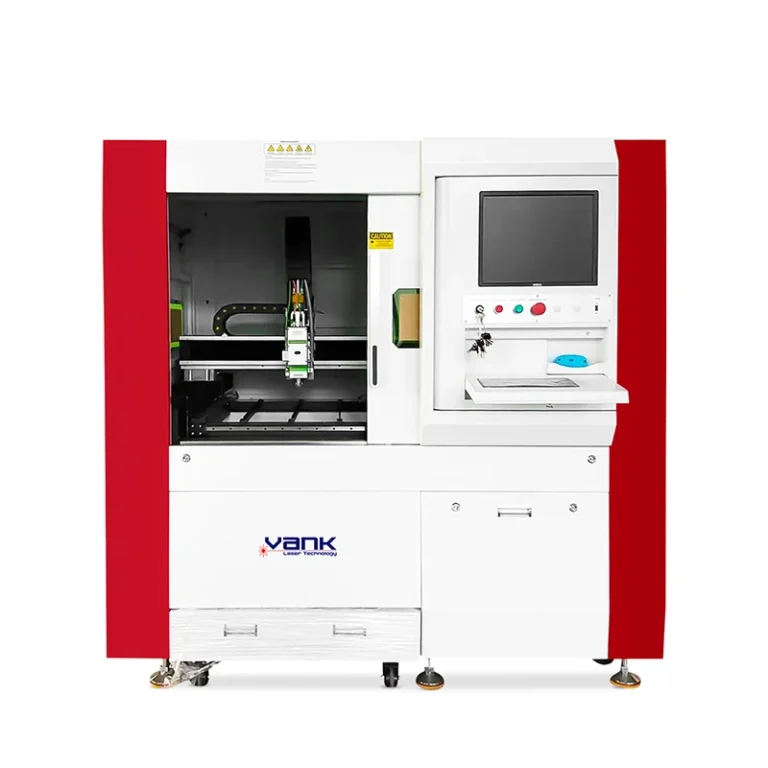
The VankCut-6060FL product page lists nominal X/Y positioning accuracy of ±0.01 mm and repositioning accuracy of ±0.005 mm. Treat those as configuration-specific values to confirm during a factory acceptance test (FAT); machine-axis accuracy is not the same as finished-part tolerance.
- Application fit: The enclosed 600 × 600 mm 6060FL is offered in 1.5-3 kW configurations for small sheets and precision parts. Confirm usable travel, motion-system BOM, cutting head, source, controller, fixture space, assist-gas system and acceptance coupon in the quotation.
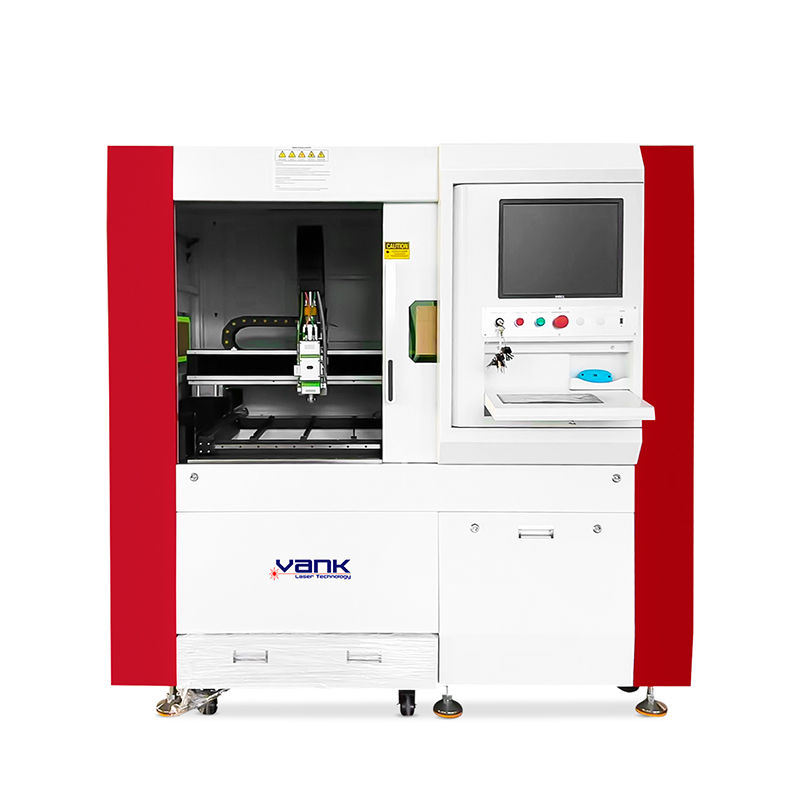
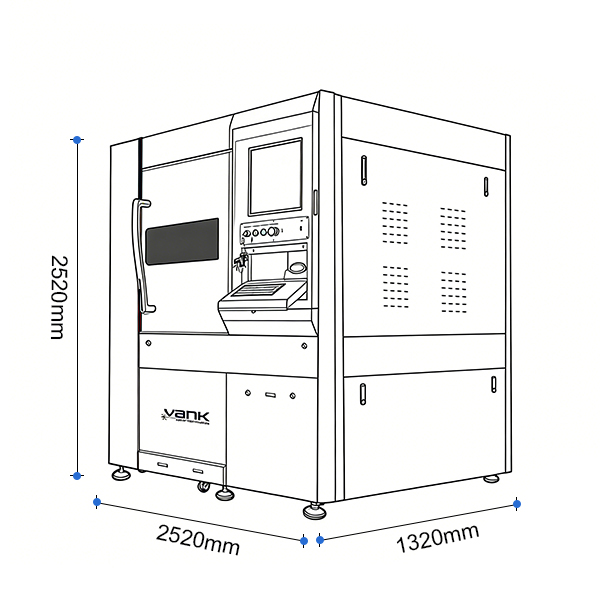
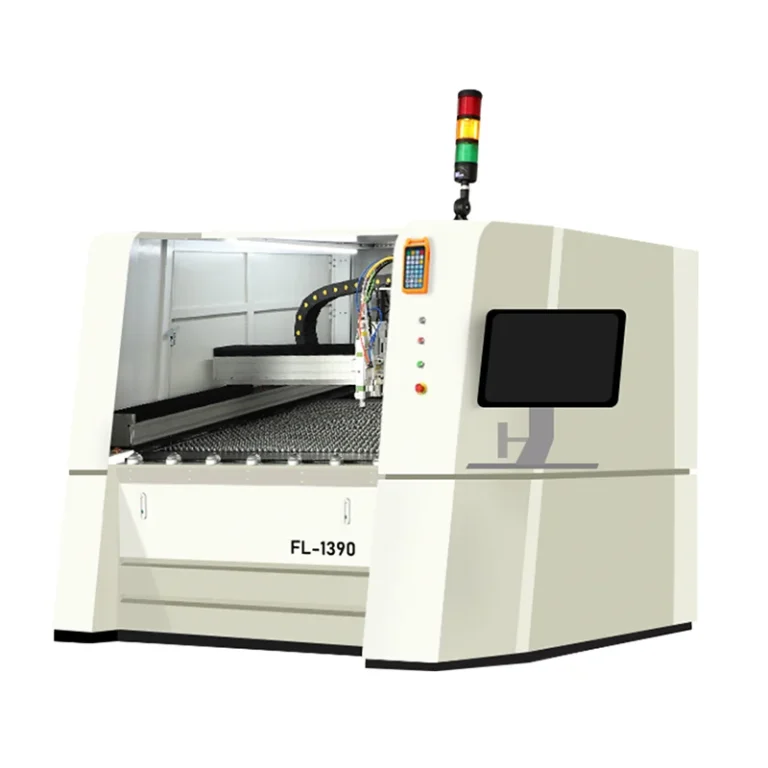
- Larger-bed verification: For 3015 and other production formats, inspect frame processing and stress-relief records, leveling, guide alignment, rack backlash, servo tuning, height control, gas delivery and process data. Cut the buyer’s actual material and thickness; edge finish depends on the complete process, not one component.
2. CO2 Laser Cutting for Fabric and Signmaking
Reference product: VankCut 1820/1830 conveyor CO2 laser cutters
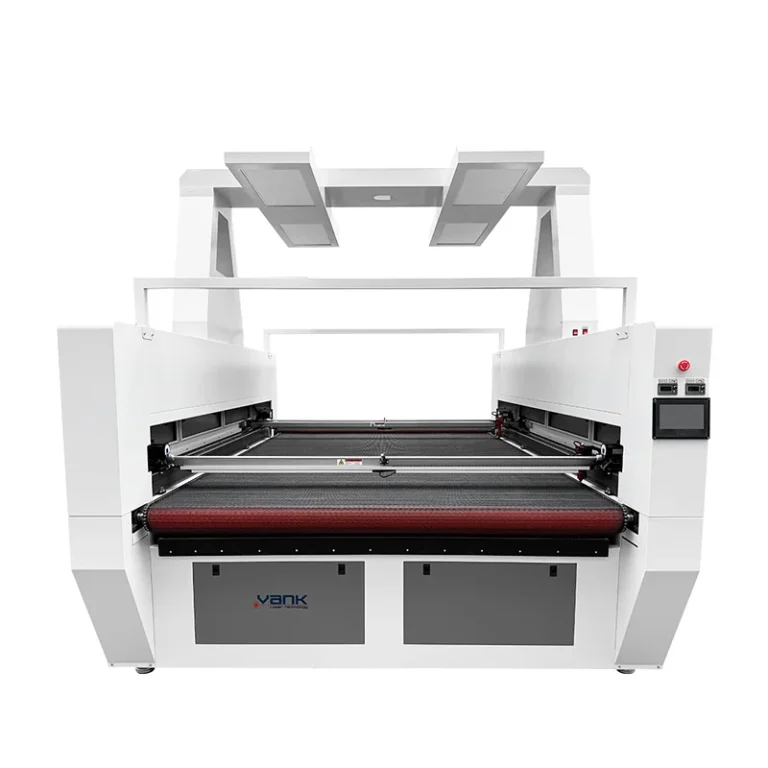
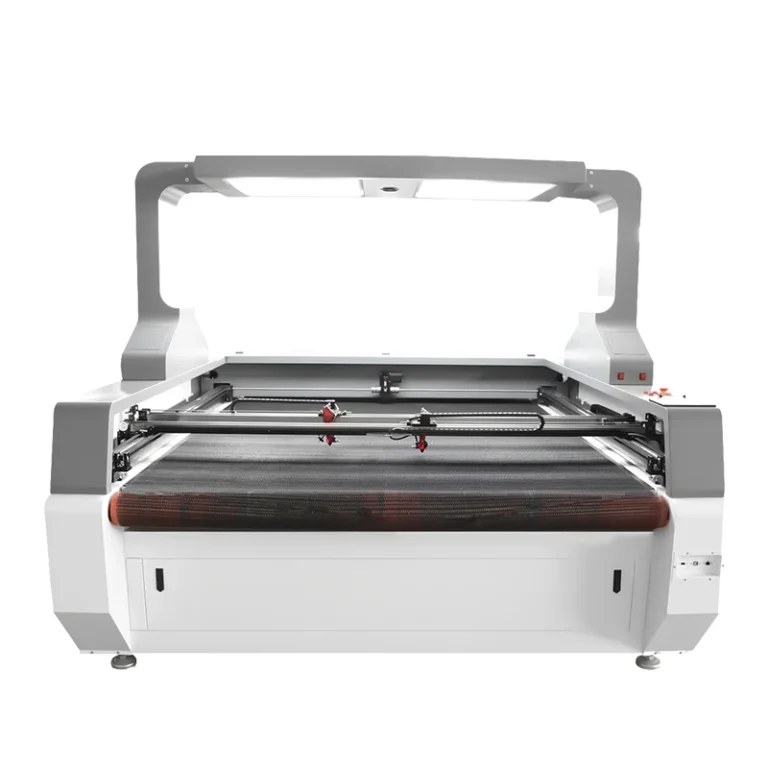
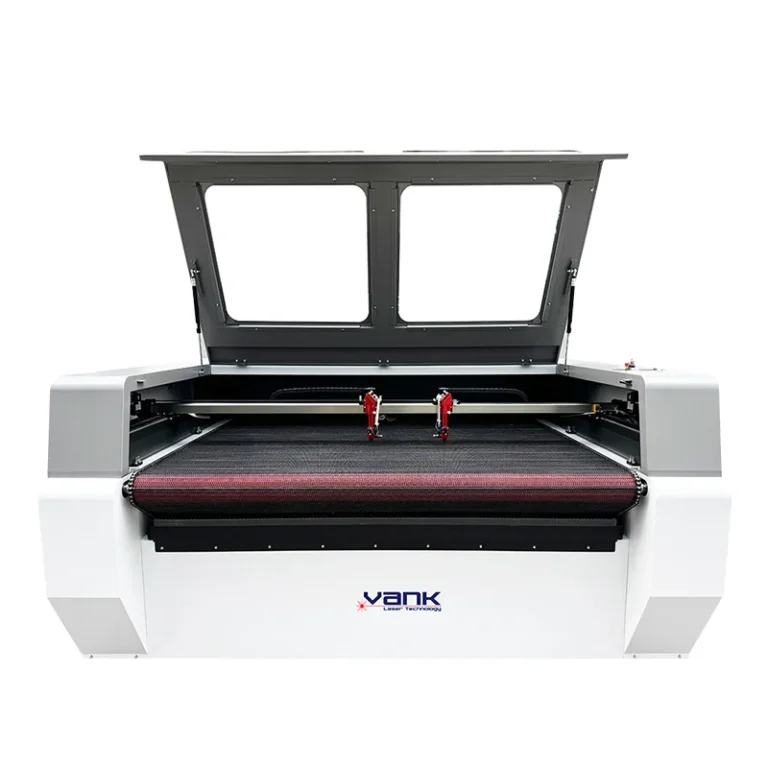
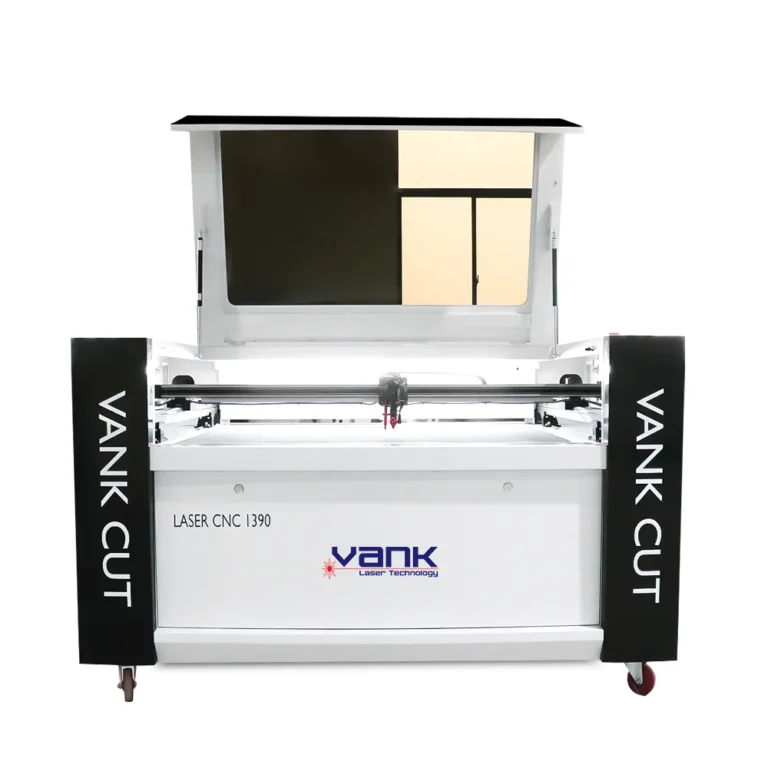
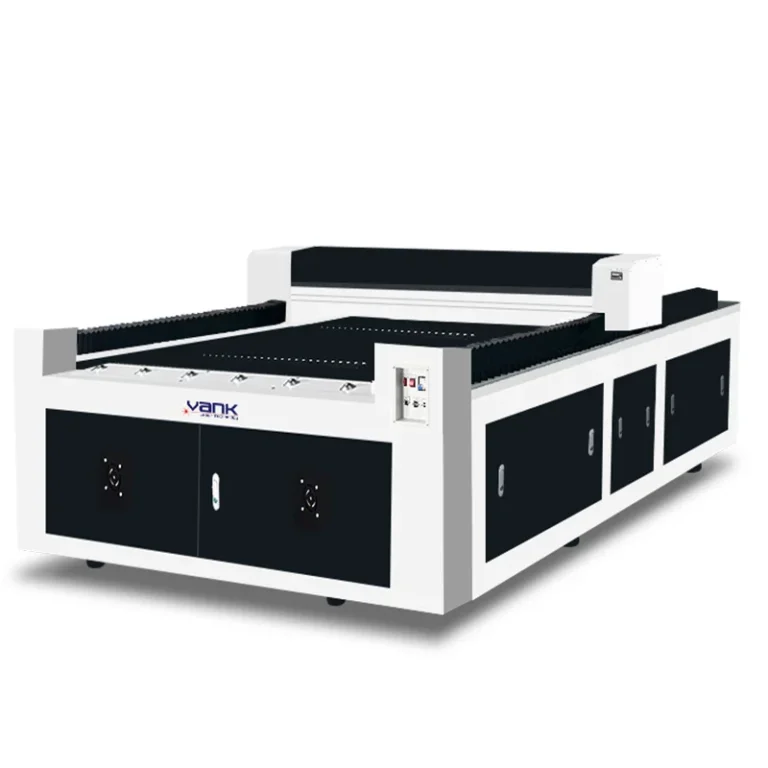
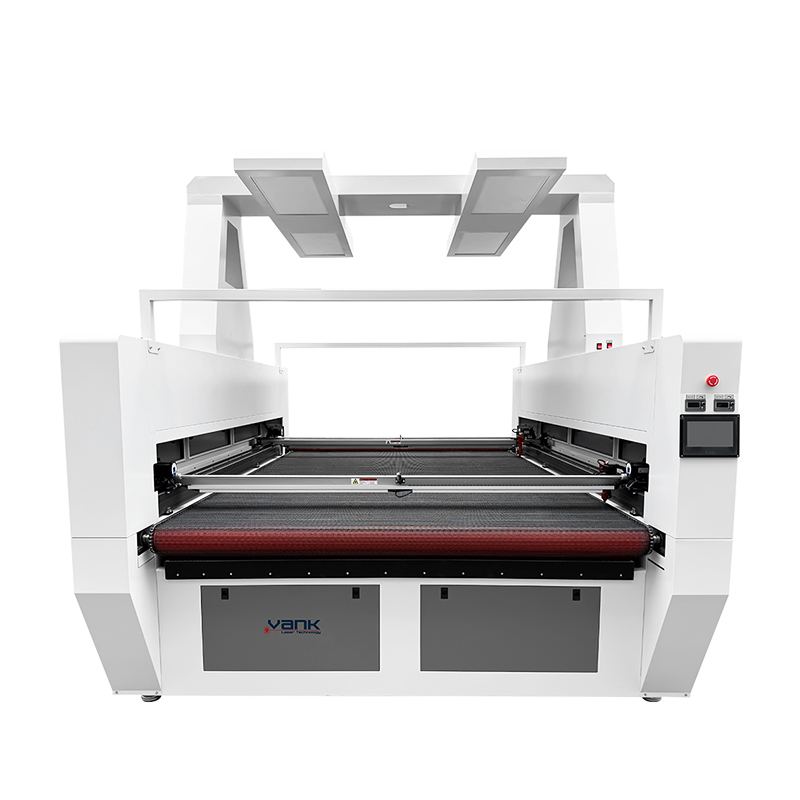
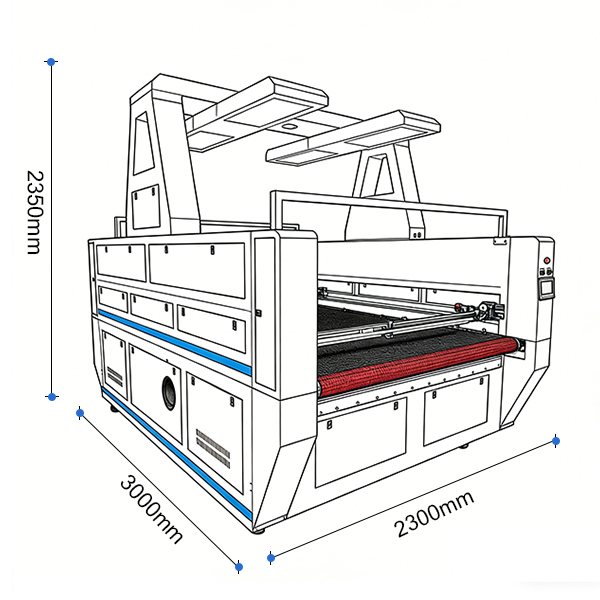
CO2 laser systems serve nonmetal workflows such as fabric cutting, acrylic and wood processing, paper converting and signmaking. Select the work area, laser power, table or conveyor, camera option, extraction, cooling and software around the actual material and production route.
- Vision registration: Camera systems can locate printed contours and apply distortion correction. Validate the registration method, lighting, software, maximum pattern size, material stretch model and acceptable positional error on supplied printed rolls.
- Roll feeding: Auto-feeders support continuous fabric handling. Qualify roll width and weight, tension, skew correction, conveyor tracking, nesting, extraction, fire controls, unattended-operation policy and staffing through a measured production trial.
3. Handheld Welding and Laser Cleaning: Separate Processes
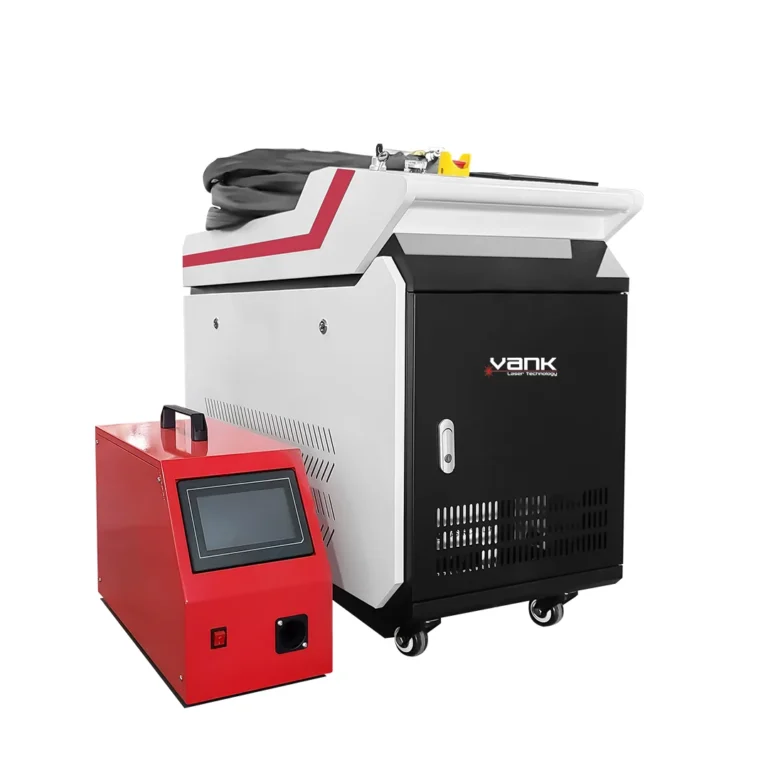
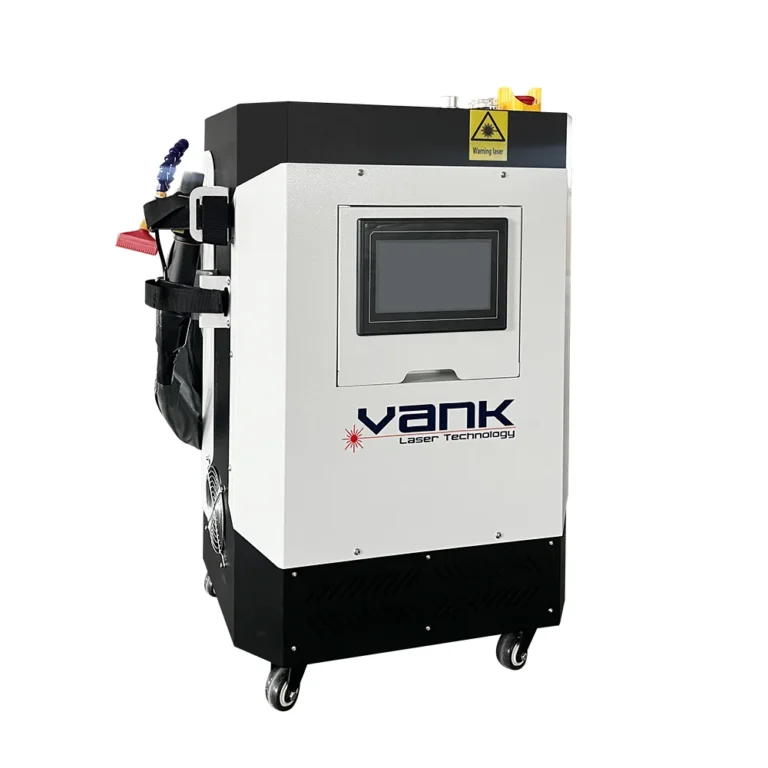
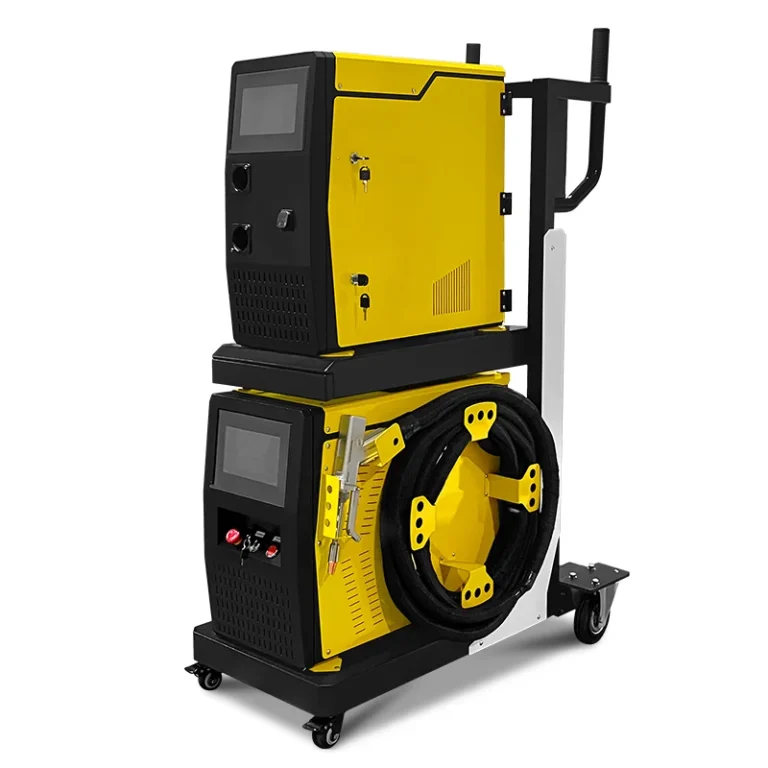
Reference category: handheld fiber laser welding and cleaning systems
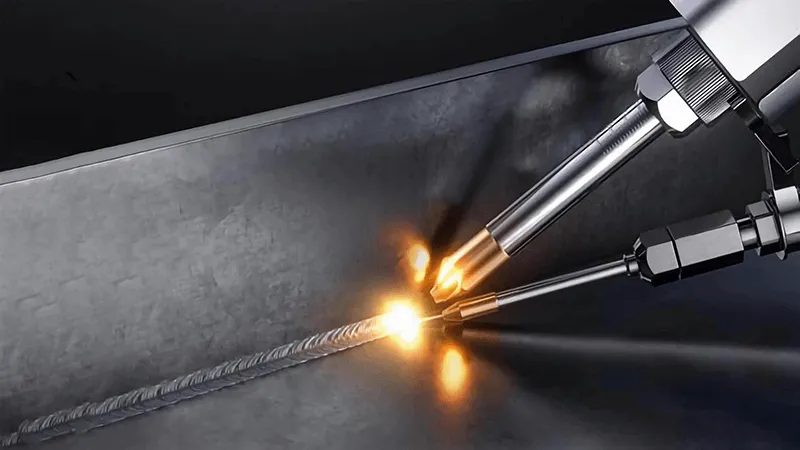
Welding and cleaning can share a laser-source platform in some configurations, but they require process-specific heads, optics, controls, consumables and safety validation. A “4-in-1” label does not prove suitability for every welding, cleaning or cutting task.
- Welding qualification: Compare material grade, thickness, joint design, gap, filler wire and shielding gas. Use representative coupons to verify penetration, profile, strength or leak criteria, spatter, distortion, cycle time and required post-processing instead of applying a universal speed multiplier.
- Cleaning qualification: Select continuous-wave or pulsed operation for the coating, corrosion, contamination and substrate. Verify removal rate, residual contamination, roughness, heat input and downstream adhesion. “Non-destructive” and environmental results depend on the process window, extraction and captured waste.
4. Laser Marking: Match the Source to the Material
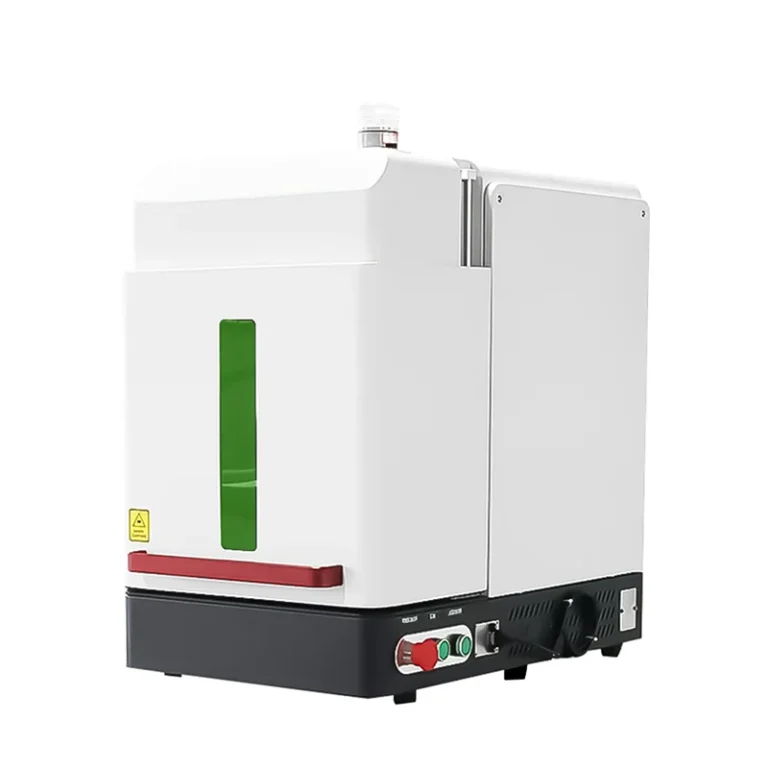
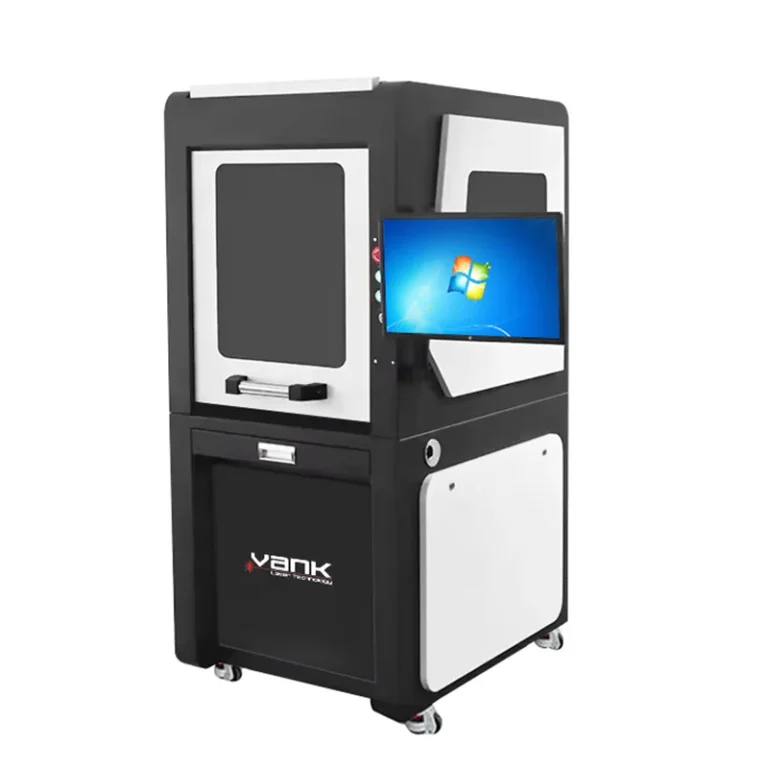
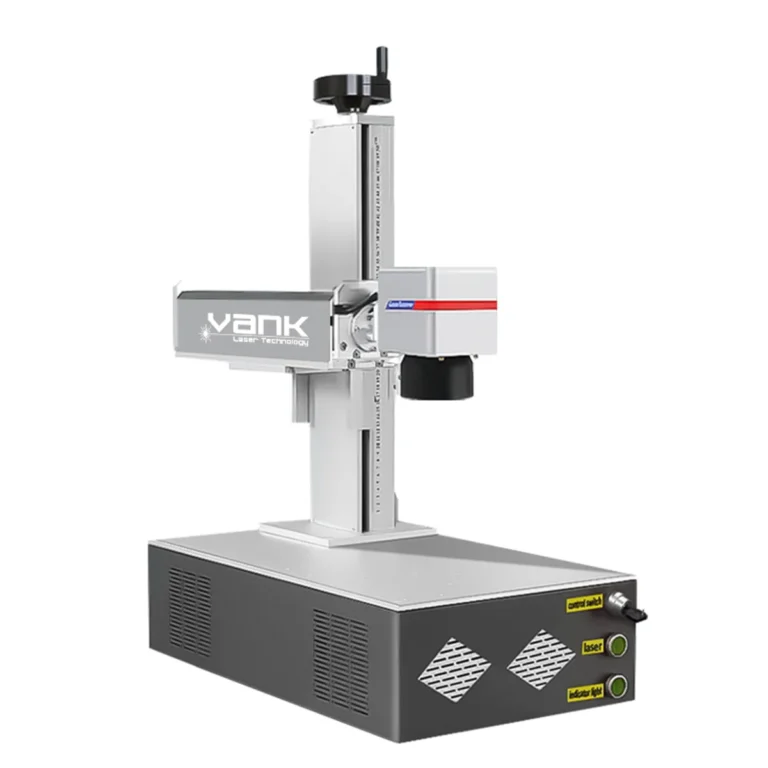
Reference products: open, enclosed and portable fiber, MOPA, UV and CO2 laser marking systems
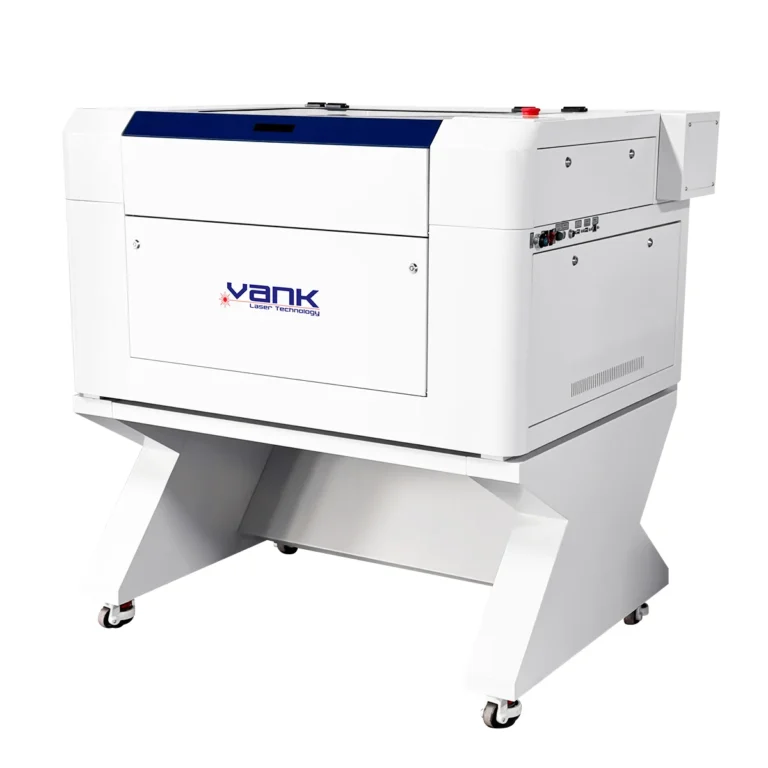
Match the source to the material and mark: 1064 nm fiber or MOPA for many metals and selected plastics, UV for fine or heat-sensitive marking, and CO2 for many organic and coated nonmetals. Confirm source warranty, rated environment, duty cycle, cooling and maintenance for the exact model instead of relying on a universal service-life claim.
What to Verify Before Choosing Vank Laser
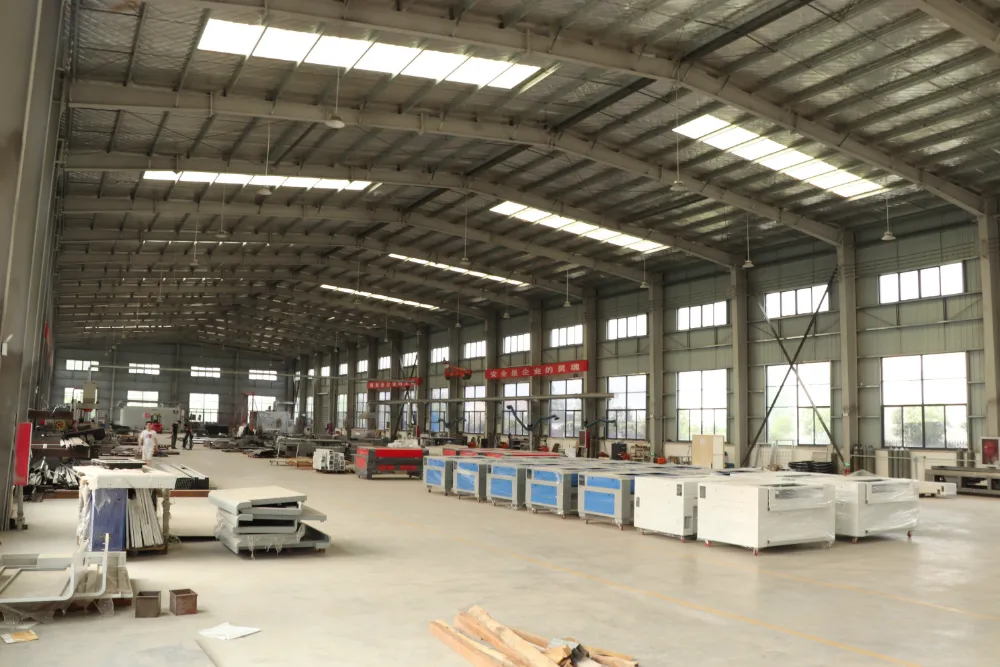
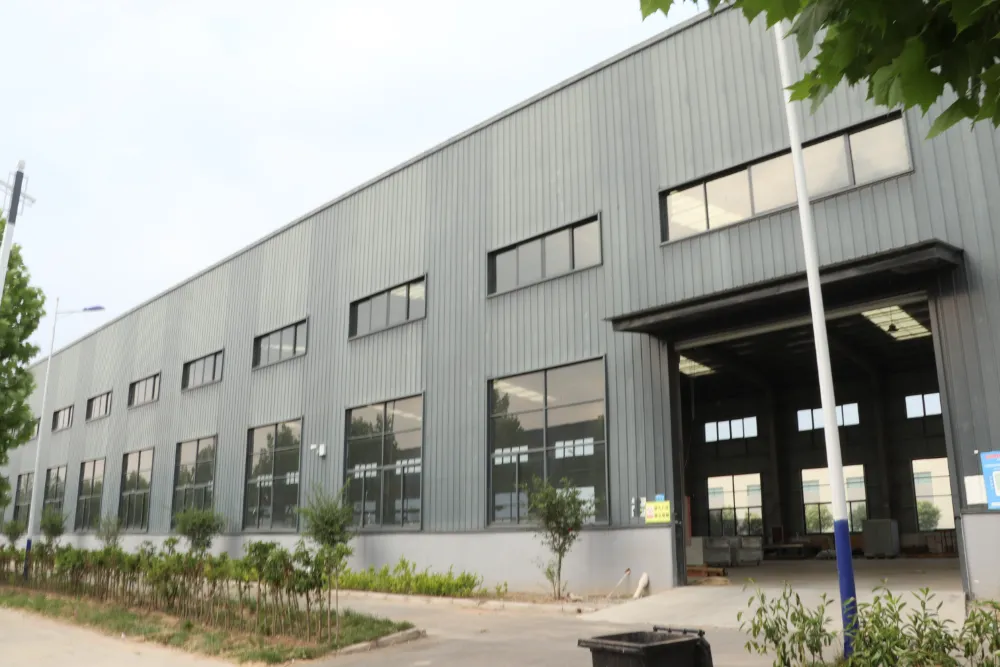
Vank Laser identifies its manufacturing base in Xuzhou, Jiangsu, China. Factory photographs and video show facilities at a point in time; a buyer should still audit quality controls, assembly records, calibration, acceptance testing, documentation and service resources for the order.
- Compliance package: For the quoted model and destination, request the declaration of conformity, applicable legislation and standards list, risk assessment, guarding and interlock design, laser classification and labels, electrical drawings, manuals and test records. CE marking is a product-conformity claim, not a general quality award; relevant references may include IEC 60825-1 and ISO 11553-1.
- Factory and acceptance evidence: Conduct a remote or in-person audit covering incoming inspection, calibrated measurement equipment, assembly and test records, serial traceability and final inspection. Run the FAT on the buyer’s material with agreed tolerances, throughput and safety checks.
- Support contract: Define communication channels, response targets, language and time-zone coverage, remote-access rules, commissioning and training scope, included spares, warranty coverage, exclusions and escalation. Treat response time as a written service term, not an informal one-hour promise.
Request a Configuration Review, Quote and Sample Test
Send the material grade, thickness, drawings, required tolerance, throughput and destination requirements. Ask for a written configuration, itemized BOM, sample report or video, cycle time, edge/mark/weld acceptance criteria, consumables list and FAT plan before approving the order.
- WhatsApp/Tel: +86 15318859065
- Email: sales@vanklaser.com
- Web: www.vanklaser.com
- Factory: Industrial Park, Weiji Town, Xuzhou City, Jiangsu Province, China
Vank Laser – Compare the evidence, test the process and confirm the quoted machine.