

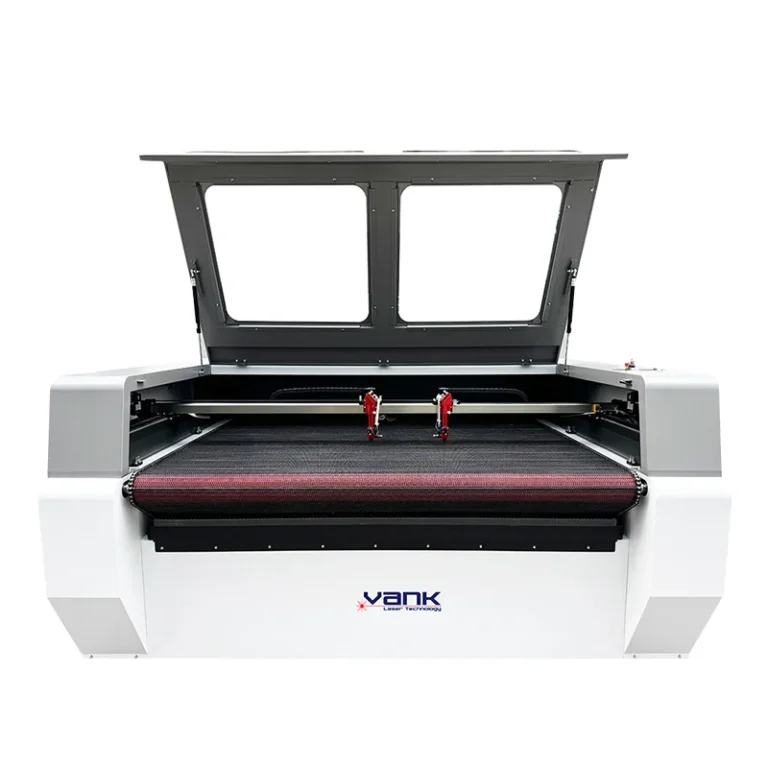
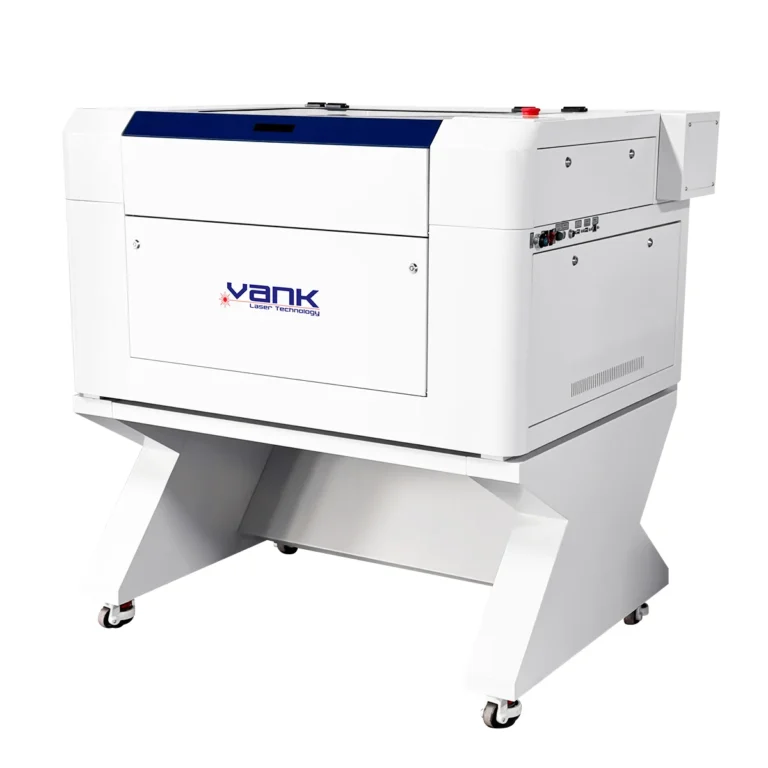
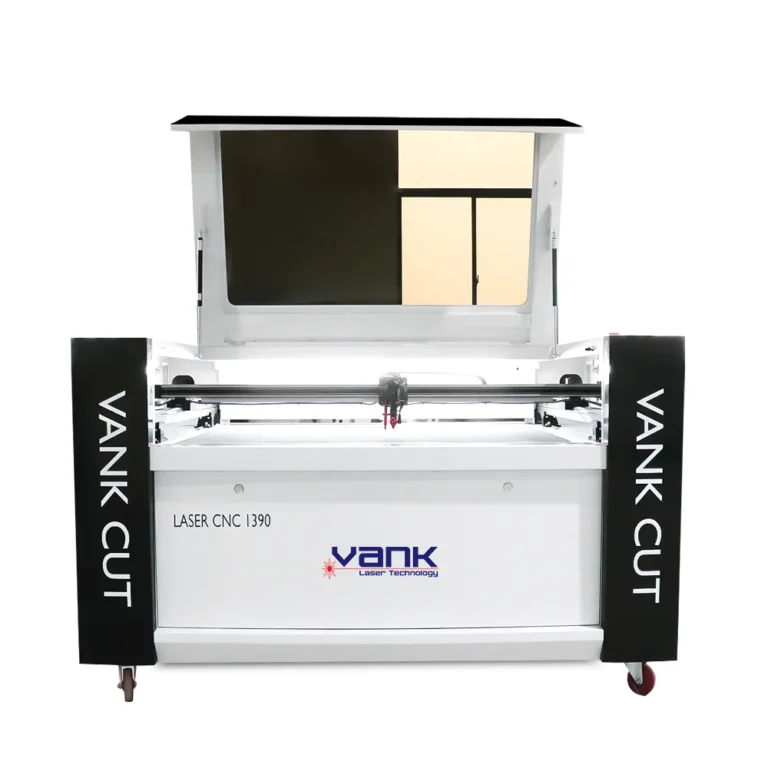
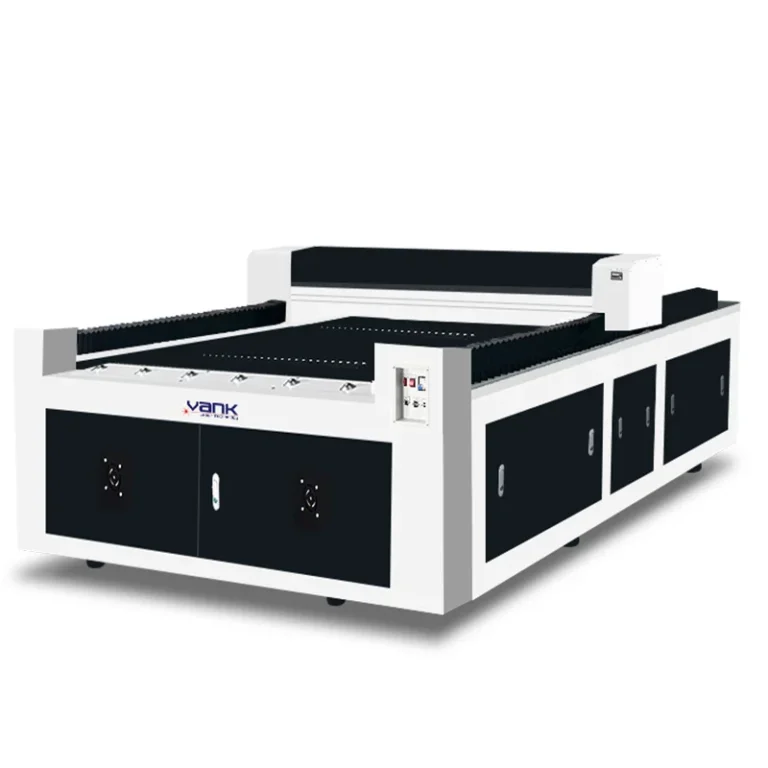
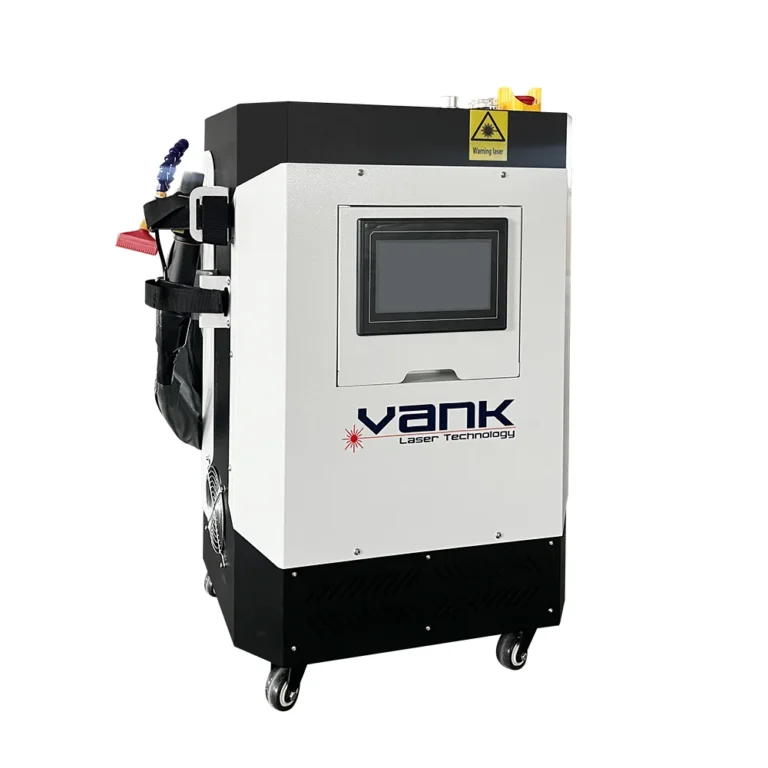
A CO2 laser can remove or discolor some coatings and can create a bonded mark with a compatible metal-marking compound. On bare, polished or plated metal, however, a standard 10.6 µm CO2 process is often inefficient or inconsistent. For repeatable direct metal identification, a fiber laser is usually the more appropriate starting point.
Begin with the exact alloy, grade, finish and surface treatment. “Shiny metal” may mean polished stainless steel, chrome plating, nickel plating, anodized aluminum, lacquered brass or a clear-coated part, and each surface can respond differently. Also define whether the mark must be decorative, machine-readable, abrasion resistant, chemically resistant or traceable for the life of the product.
The correct process is the one that produces an accepted result on representative parts at the required cycle time, with suitable guarding, extraction and operating controls. Use the checks below to decide whether a CO2 process is credible or a fiber laser should be tested instead.
Why Bare, Shiny Metal Is Difficult for a CO2 Laser
A conventional CO2 laser emits at approximately 10.6 µm and is widely used for approved nonmetals. Absorption by bare metals at this wavelength is generally less favorable and strongly dependent on alloy, temperature and surface condition. A polished surface can make coupling even less predictable and can create reflection hazards that must be addressed by the machine integrator.
With a compatible marking compound, the CO2 laser heats the applied layer so that it bonds or fuses to the surface. This is not the same process as directly engraving metal. Compound identity, substrate compatibility, coating thickness, drying, focus and energy density all affect adhesion, contrast and durability.
Two parts that look alike may have different plating, lacquer, oxide, oil or polishing residue. Record the supplier, material grade, surface finish and lot number before comparing results. A successful mark on one sample does not qualify every visually similar part.
Why CO2 Metal-Marking Tests Fail
A failed mark does not by itself prove that the laser source is defective. Review the substrate, preparation, compound, process window and acceptance method in a controlled test.
1. The Substrate or Finish Is Not What You Expected
A decorative tool, disc, jewelry blank or hardware part may be plated, clear coated or polished rather than bare stainless steel. Magnet tests and appearance cannot identify the outer layer. Obtain the material and coating specification from the part supplier and test the real production lot.
2. Surface Preparation Is Inconsistent
Oil, wax, fingerprints, release agents and protective film can prevent uniform bonding. Follow the marking-compound manufacturer’s preparation and safety instructions, use an approved repeatable cleaning method, and allow the part to dry completely before processing. Keep flammable cleaning operations away from the laser work area.
3. The Compound Is Not Qualified for the Substrate
Use a product whose manufacturer approves the exact substrate and CO2-laser process. Record batch, application method, wet-film or dry-film control and shelf life. Low-cost substitutes may produce a visible sample but still fail adhesion, corrosion, abrasion or production-repeatability requirements.
4. The Process Window Has Not Been Established
Power, speed, focus, line spacing, spot overlap, applied thickness and drying all interact. Test a documented parameter matrix rather than changing one setting at random. Inspect the mark after the compound is removed according to its instructions, then repeat the winning window across the usable field and multiple parts.
5. The Requirement Is Direct, Durable Metal Identification
Serial numbers, safety data, QR or Data Matrix codes and traceability marks may need defined contrast, code grade, depth and resistance to handling, cleaning or chemicals. When a bonded surface mark cannot meet those criteria consistently, evaluate a fiber laser process on the same parts.
CO2 vs Fiber Laser for Metal Marking
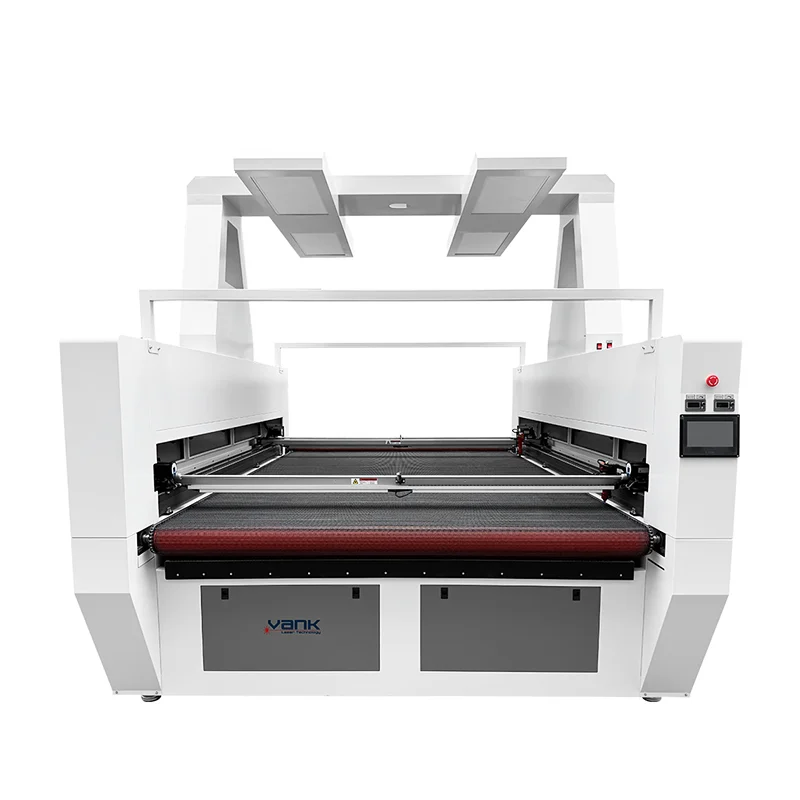
A CO2 system is a strong choice for cutting and engraving approved acrylic, wood, paper, textiles and other compatible nonmetals. It can also remove selected coatings or use an approved marking compound on some metals. A fiber system couples efficiently to many metals and is commonly evaluated for annealing, discoloration, surface engraving or ablation, depending on alloy, finish and source pulse characteristics.
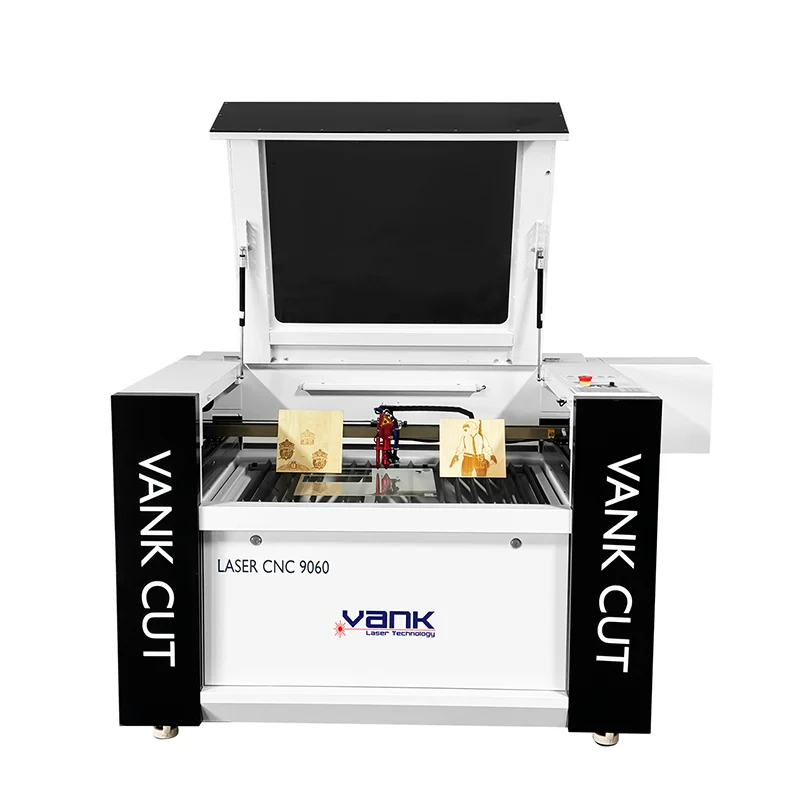
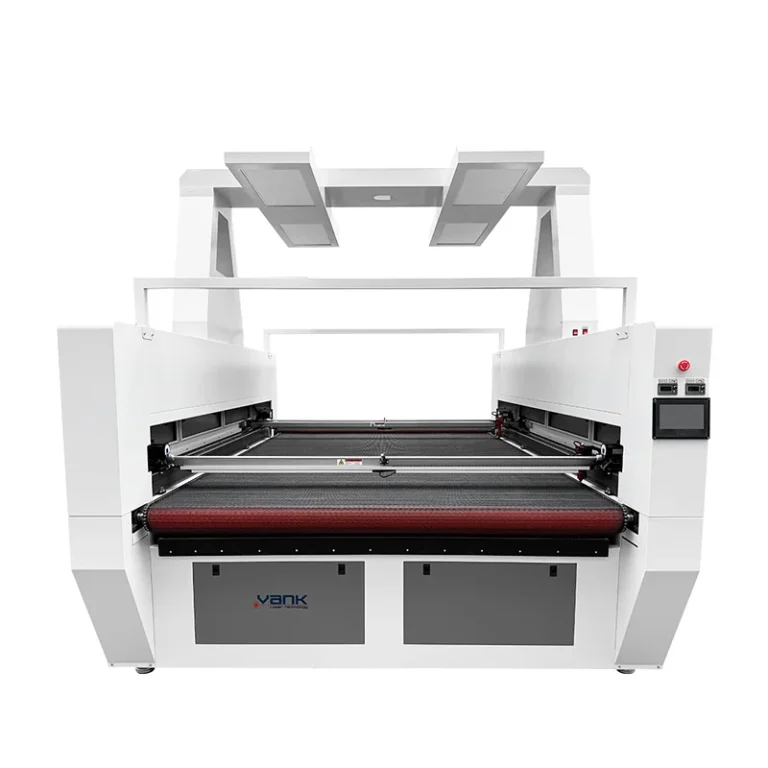
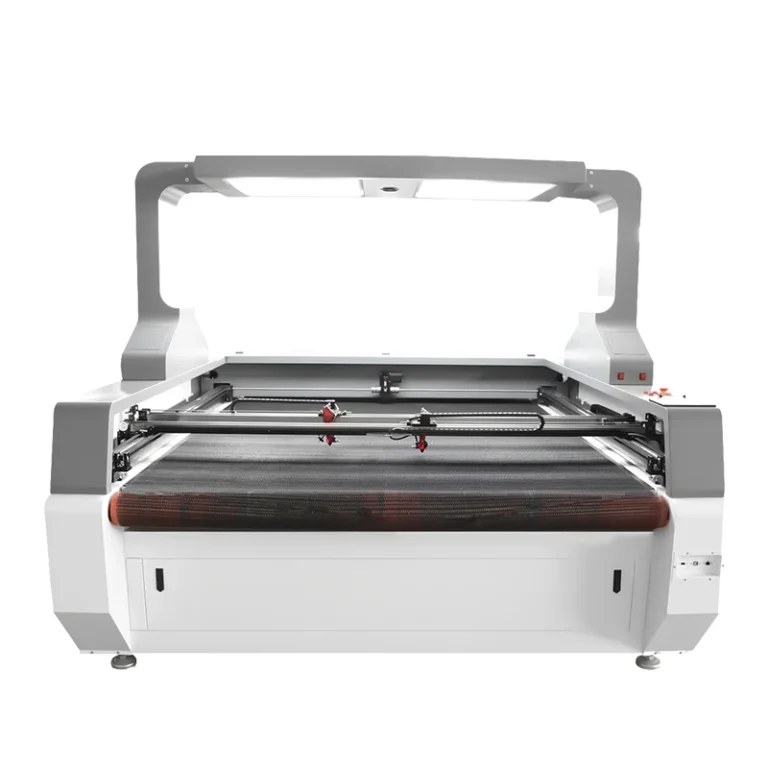
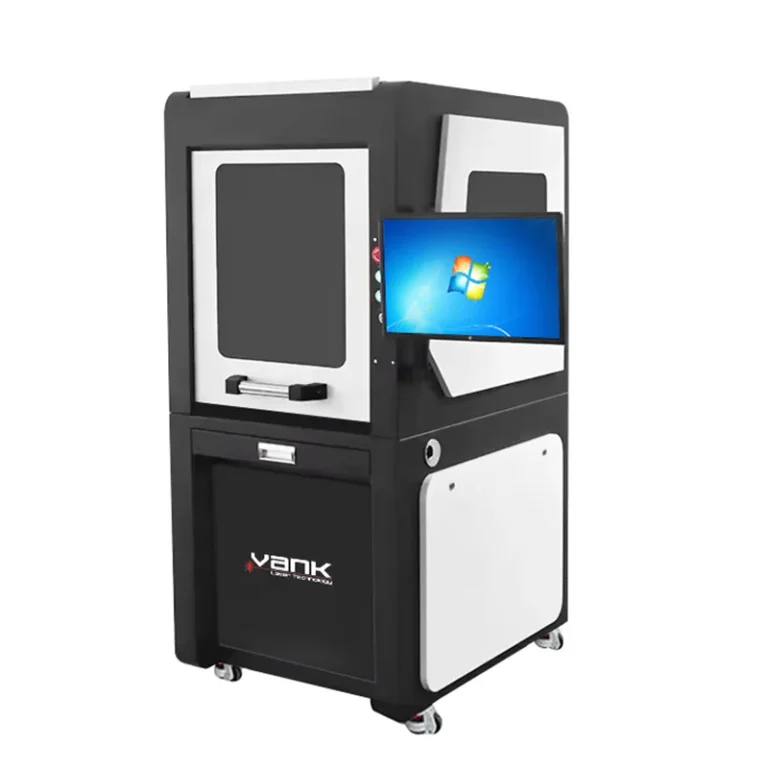
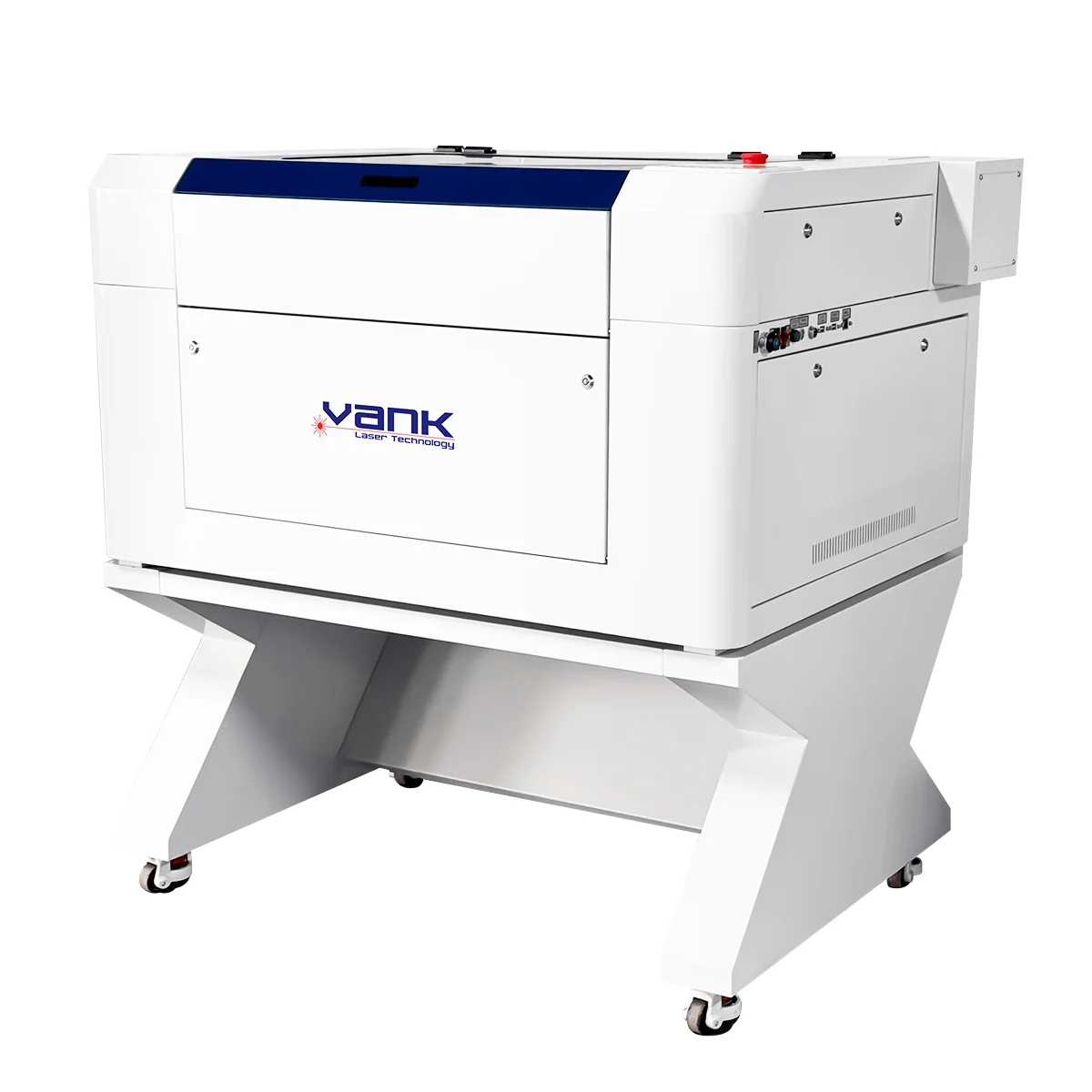
High Speed CO2 Laser Engraving Cutting Machine is the relevant platform when the main workload is approved nonmetal cutting or engraving and metal marking is a validated secondary process.
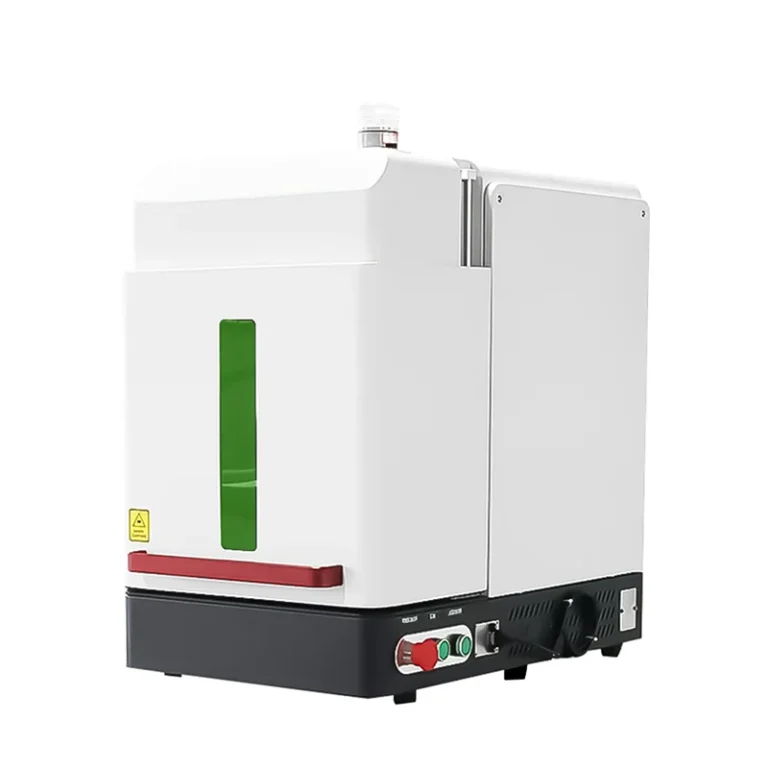
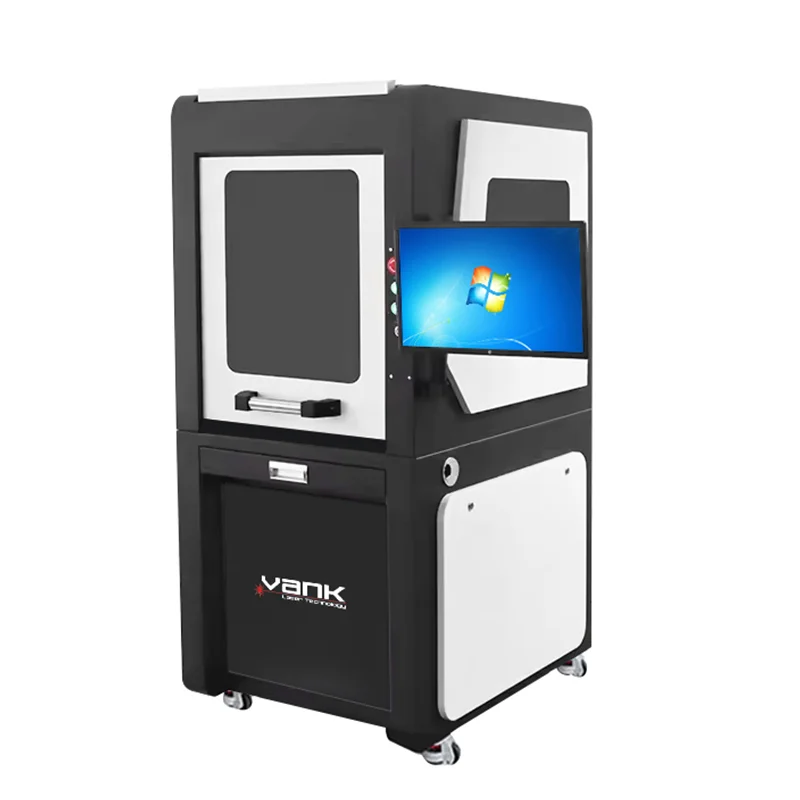
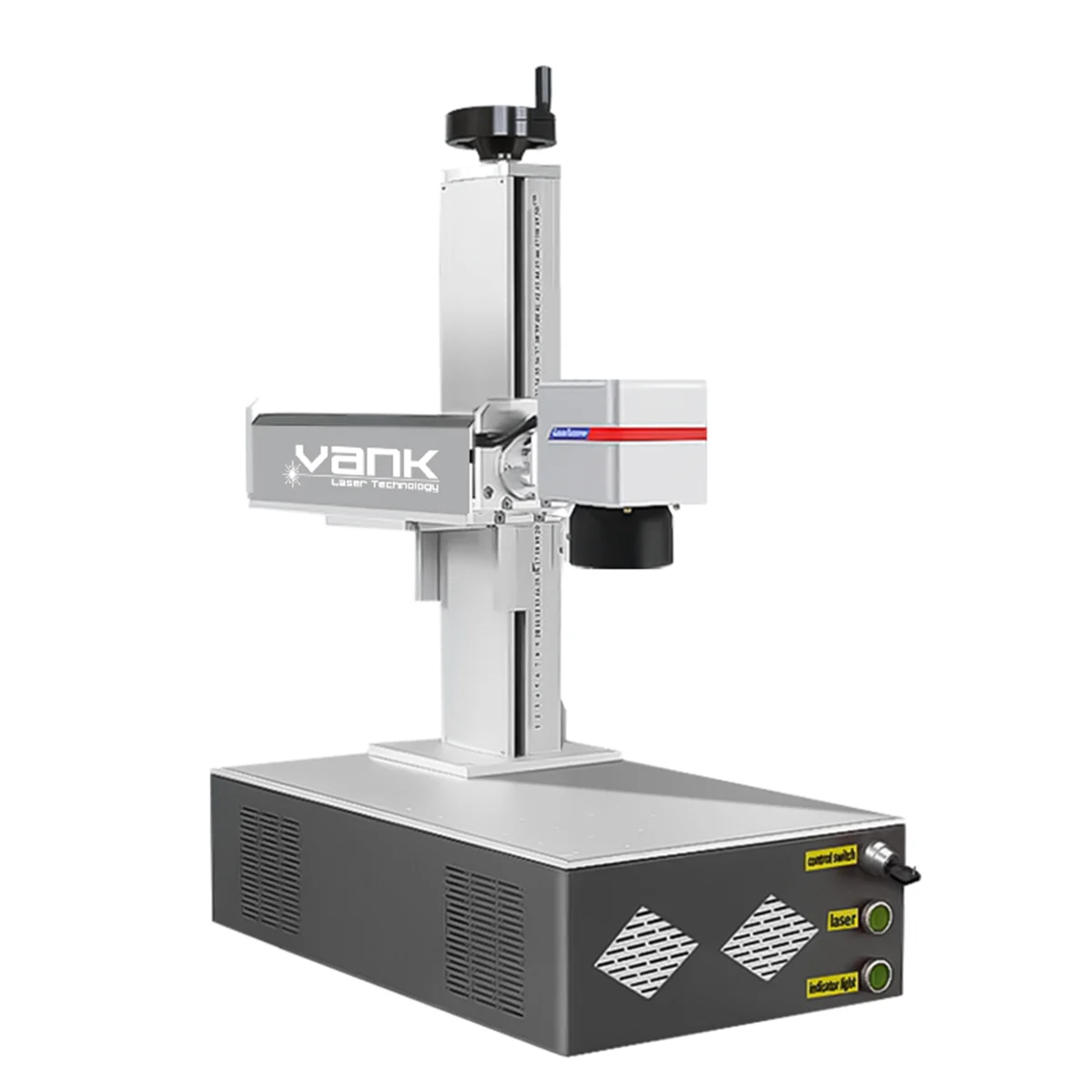
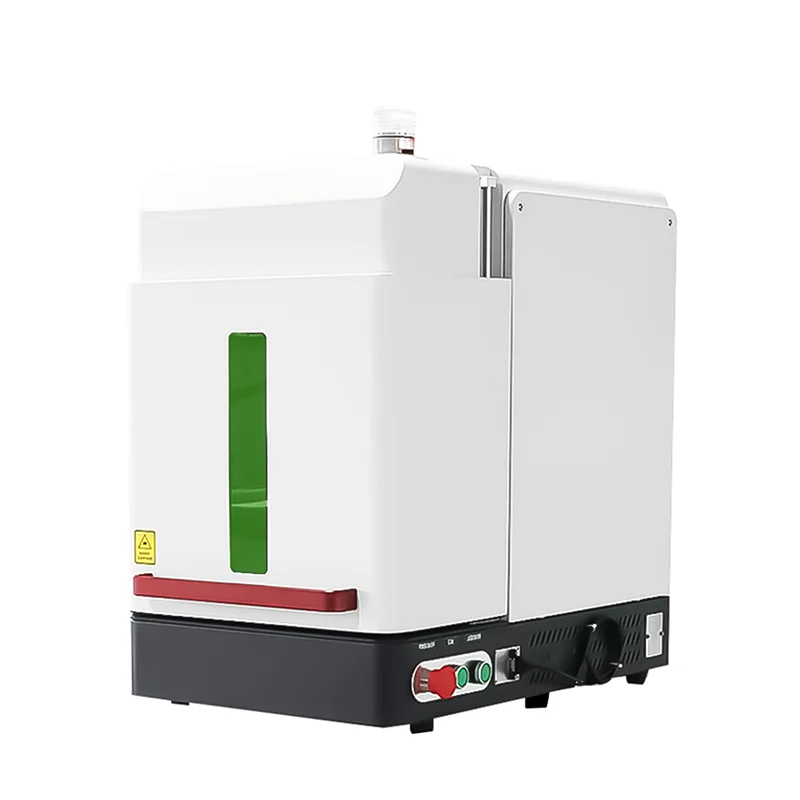
Fully Enclosed Fiber Laser Marking Machine is one system to compare for routine metal identification. Confirm the delivered laser class, enclosure and interlocks, source model, scan head, lens field, extraction, software and sample-mark evidence in the quotation.
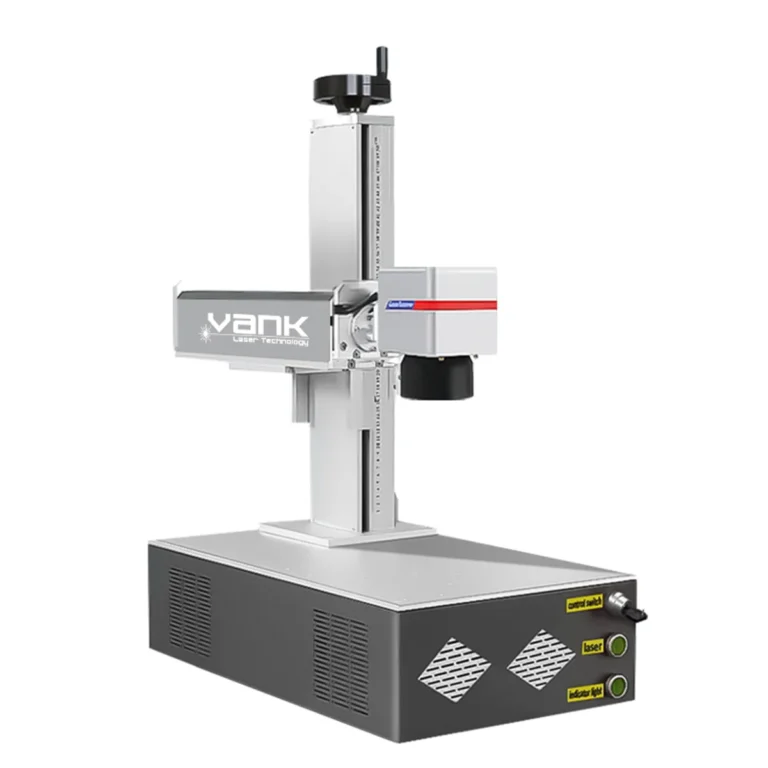
Mini Portable Fiber Laser Marking Machine may suit flexible small-part work, but portability does not remove the need for a compliant guarded setup, controlled access, fume extraction and a risk assessment for reflected radiation.
Enclosed Fiber Laser Marking Machine for Jewelry and Fashion Accessories provides a defined work area for small accessories. Validate fixtures, rotary requirements, focal range, smallest feature, finish quality and part-to-part positioning on representative items.
When a CO2 Metal-Marking Process Can Be Appropriate
A CO2 process may be practical for removing paint or lacquer, changing selected anodized surfaces, or bonding a manufacturer-approved compound to a compatible metal. It can also be reasonable for occasional work when the buyer accepts the preparation and post-cleaning steps.
Approve the process with written criteria. Test contrast, adhesion, abrasion, cleaning or chemical resistance, corrosion exposure where relevant, and repeatability between operators and material lots. If the mark is safety-critical or used for traceability, define the required code quality and service-life conditions before purchase.
When to Choose a Fiber Laser Marking Machine
Evaluate a fiber laser when production requires direct metal marking, regular batches, short cycle time, small features, machine-readable codes or stable results without applying a marking compound.
Typical applications include:
- Stainless steel tools, rulers, plates, covers and panels
- Aluminum tags, anodized parts and nameplates
- Brass, copper, titanium and verified coated components
- Jewelry, watch parts and metal fashion hardware
- Industrial parts with serial numbers and production codes
- QR, Data Matrix and barcodes for traceability systems
- Logos and identification on OEM metal products
Do not approve the machine from one visually acceptable mark. Demonstrate the required result across representative lots, positions and operators, then record parameters, cycle time, rejects and acceptance limits.
What to Test Before Ordering a Metal Marking Machine
Send the supplier real production parts and the actual artwork. Use the same acceptance method for every candidate process so that CO2 compound marking and fiber marking can be compared fairly.
The test brief should include:
- Material trade name, alloy and grade, supplier and production-lot range
- Surface finish, plating, coating, anodizing, film and prior cleaning process
- Part dimensions, marking field and available focal clearance
- Logo, text, serial data and smallest QR or Data Matrix feature
- Required contrast, color, depth, dimensions and machine-readable code grade
- Abrasion, cleaning, chemical, heat or corrosion resistance requirements
- Flat, curved, cylindrical or irregular geometry and fixture repeatability
- Required enclosure, rotary device, extraction, software and production interfaces
Run a factory acceptance test with an agreed sample quantity. Record the exact source, scan head, lens, fixture, software, parameters, cycle time, code verification, dimensional or visual results, rejected parts and continuous-run duration. The signed BOM and FAT record should identify the configuration being shipped.
Metal Marking Is Different from Stainless Steel Cutting
A galvo marking machine and a sheet-cutting machine have different sources, optics, motion systems, guarding and process goals. A marking result does not establish cutting capability, and a sheet cutter is not an efficient substitute for small identification marks.
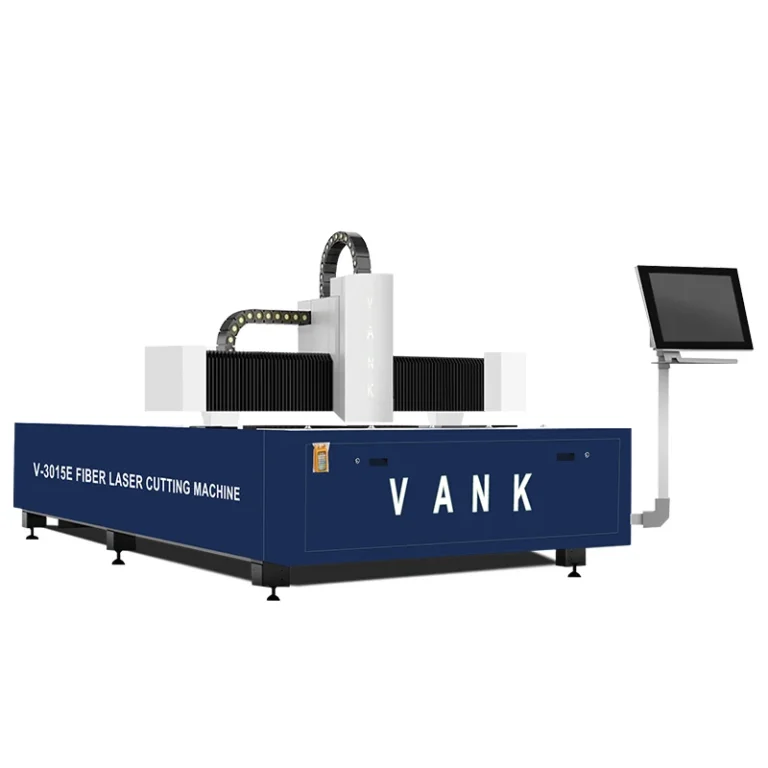
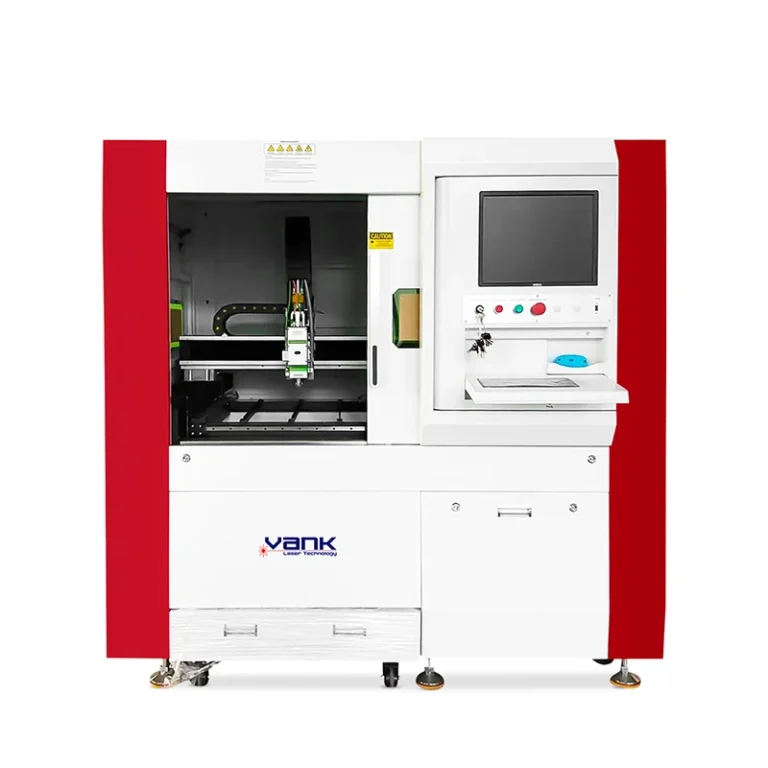
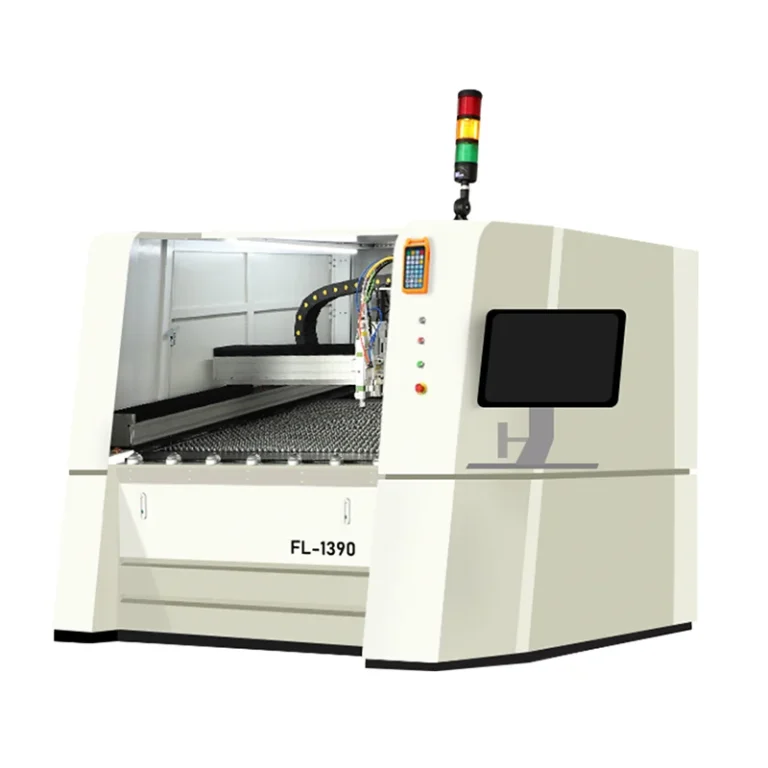
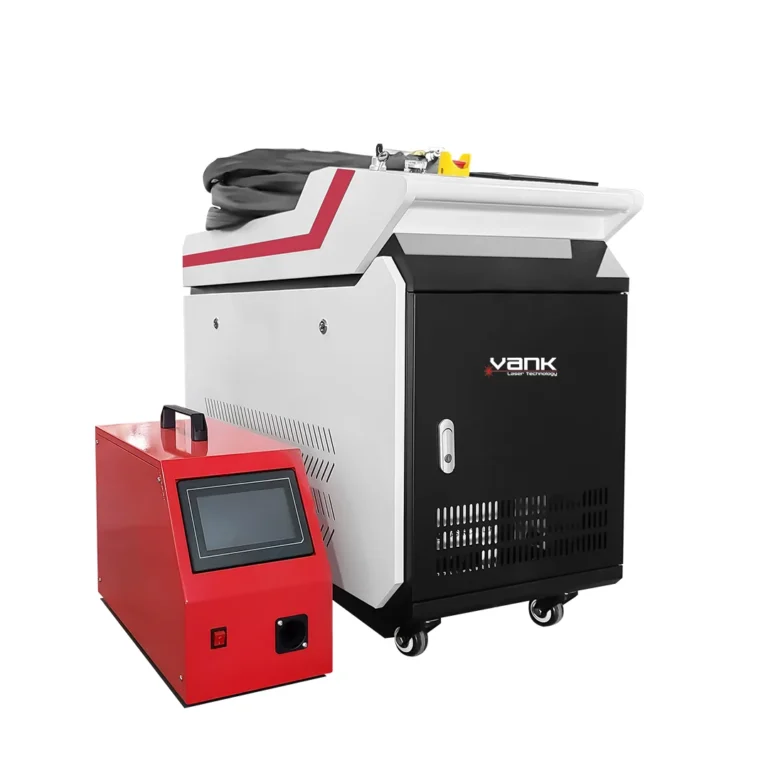
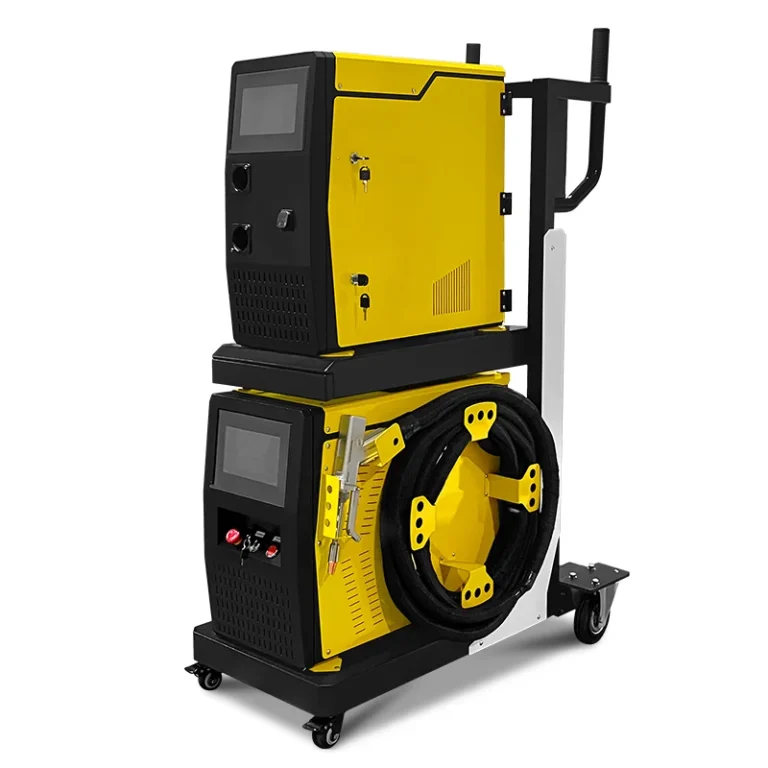
Metal Fiber Laser Cutting Machine is the relevant equipment direction for cutting sheet steel, stainless steel, aluminum or brass. Specify grade, routine and peak thickness, sheet size, geometry, tolerance, edge condition, assist gas, accepted-part output and downstream requirements.
Require representative sample cuts and a written FAT. The quotation should identify the source, cutting head, chiller, controller, usable bed, extraction, gas requirements, guarding, software, automation, installation, training, spares and warranty.
How Vank Laser Supports Process Selection
Vank Laser can compare CO2 marking with a compatible compound, fiber metal marking and fiber sheet cutting from the actual material and required result. The comparison should cover sample evidence, cycle time, preparation, consumables, safety controls, software, fixtures and total cost per accepted part.
For each option, request a model-specific quotation and revision-controlled BOM. Confirm what is included, what is excluded, local utilities, commissioning responsibilities, training, warranty response and spare-parts support.
The goal is not to select the highest power or lowest purchase price. It is to select the process and complete machine configuration that repeatedly meet the agreed quality, output and safety requirements.
Request a Metal Marking or Cutting Recommendation
Send the material specification, surface treatment, part dimensions, artwork, required mark or cut, quality criteria, quantity, cycle-time target, destination and clear sample photos. Include the SDS or coating data where a compound, paint, plating or film is involved.
Vank Laser can use those inputs to recommend a CO2 test, a fiber marking configuration or a fiber cutting platform and define the samples needed before quotation approval.
Send representative parts and written acceptance requirements to receive a configuration and sample-test plan.