


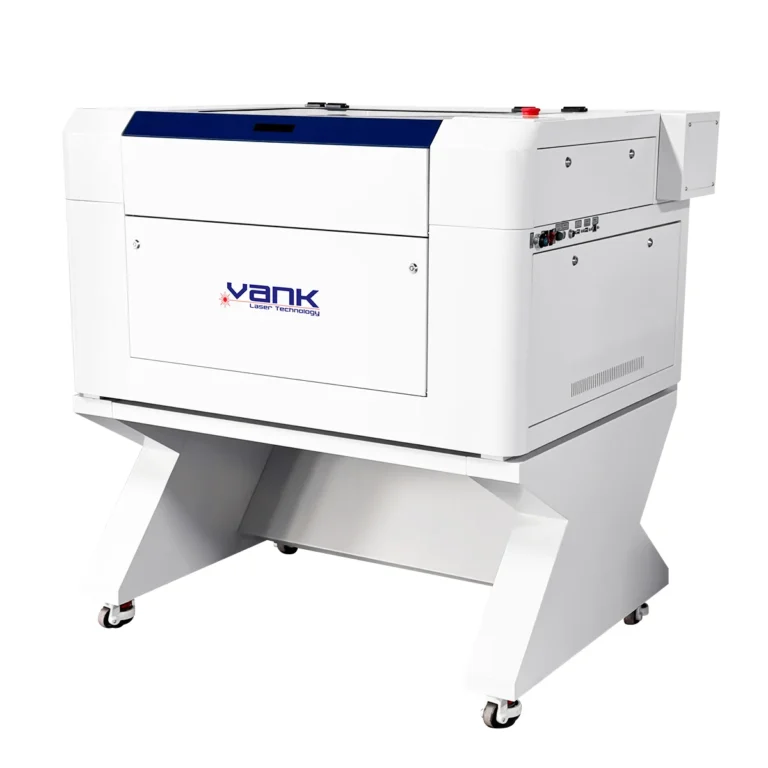
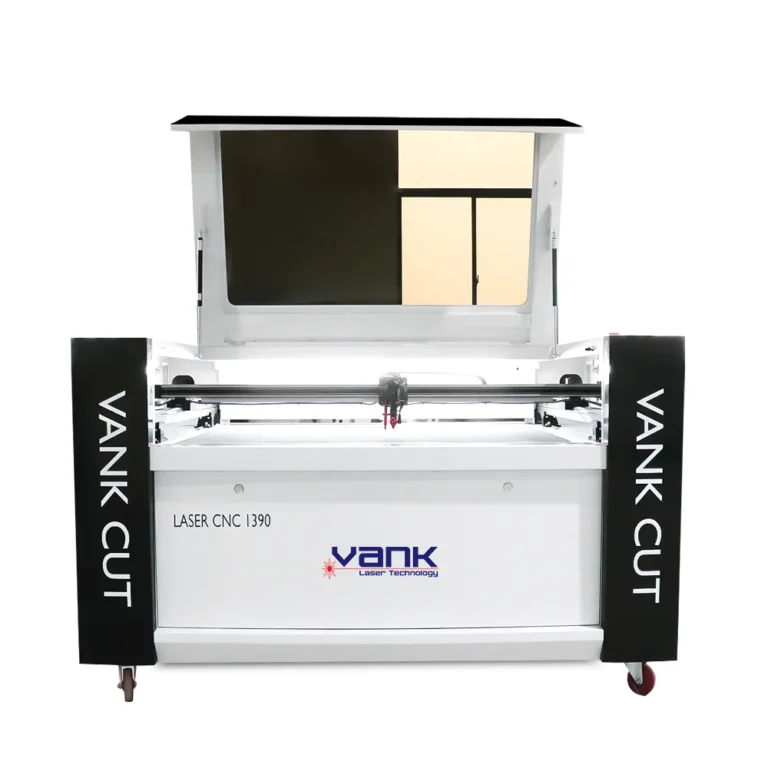
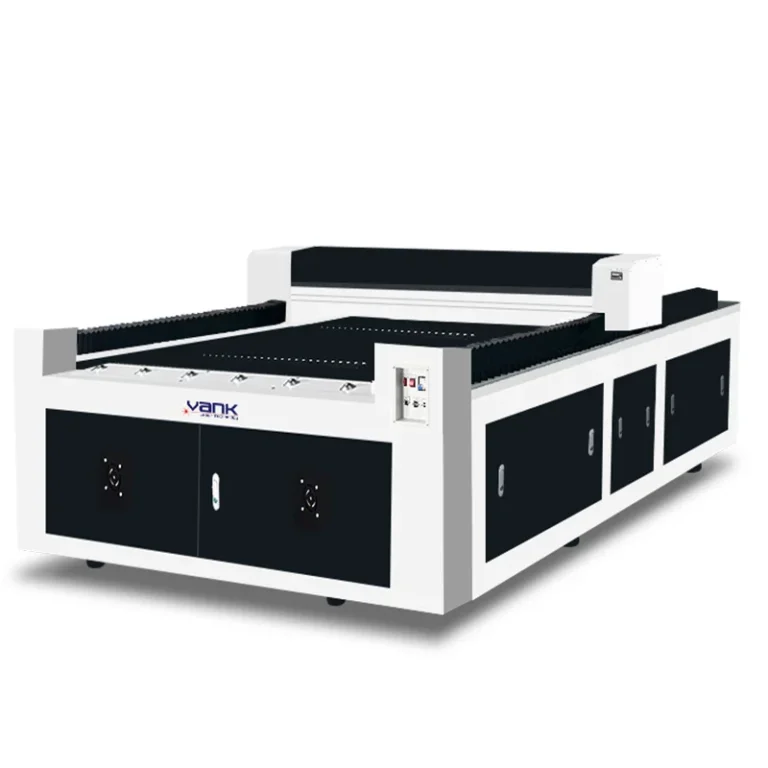
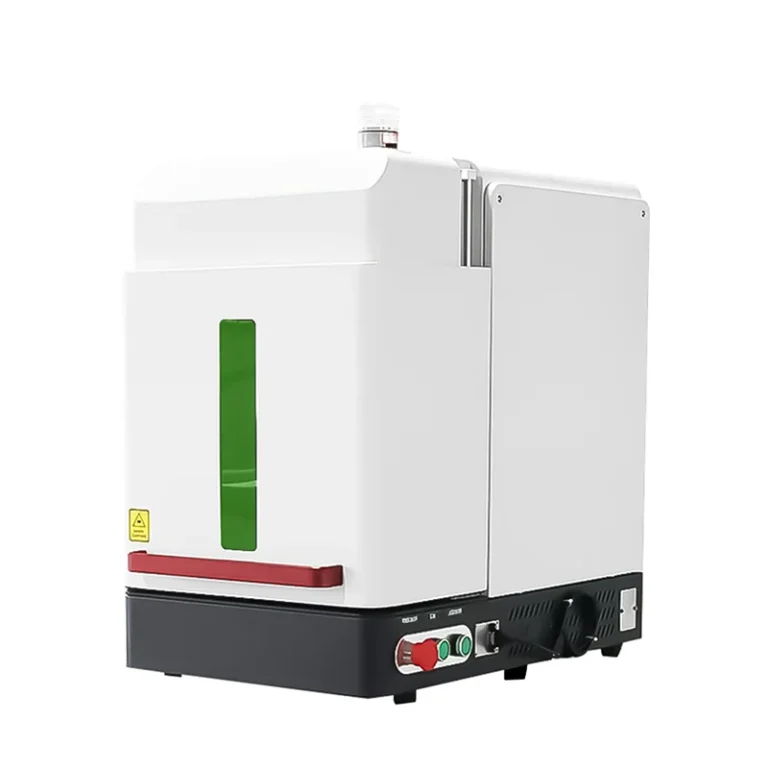
If you are comparing a 3015 fiber laser cutting machine, the first quotation can be confusing. Two machines may both be described as “3015 6kW,” yet the final price can be very different.
The reason is simple: 3015 describes the working size, not the complete machine configuration. Laser power is only one part of the cost. The laser source, cutting head, machine structure, control system, enclosure, loading method, chiller, electrical standard and service package all affect what you eventually pay.
For buyers planning a 2026 purchase, it is more useful to compare the machine by production requirement than to search for the cheapest number online. A 3kW machine used for thin sheet production and a 20kW machine built for heavy industrial cutting are both “3015” machines, but they solve very different problems.
This guide looks at 3kW, 6kW, 12kW and 20kW 3015 fiber laser cutting machines from a buyer's point of view: what each power level is suitable for, what changes the price and when paying for higher power actually makes sense.
How Much Does a 3015 Fiber Laser Cutting Machine Cost?
There is no single correct price for a 3015 machine. For early-stage budgeting, buyers sourcing directly from China will usually see the price increase substantially as they move from a basic 3kW configuration to 6kW, 12kW and 20kW industrial systems.
The table below is intended only as a planning reference, not a fixed Vank Laser quotation.
| Laser Power | Typical China-Direct Planning Budget | Typical Buyer | Investment Level |
|---|---|---|---|
| 3kW | Approx. US$12,000–30,000 | Thin and medium sheet fabrication | Lower |
| 6kW | Approx. US$18,000–40,000 | Mixed sheet metal production | Medium |
| 12kW | Approx. US$28,000–55,000 | Medium/thick plate and higher-volume production | High |
| 20kW | Approx. US$40,000–70,000+ | Heavy industrial and high-throughput cutting | Higher |
The lowest advertised machine price is not necessarily the lowest final investment.
For example, an open single-table machine and an enclosed production system should not be compared as if the supplier's margin were the only difference. Before comparing prices, check exactly what is included in each quotation.
What Does “3015” Mean?
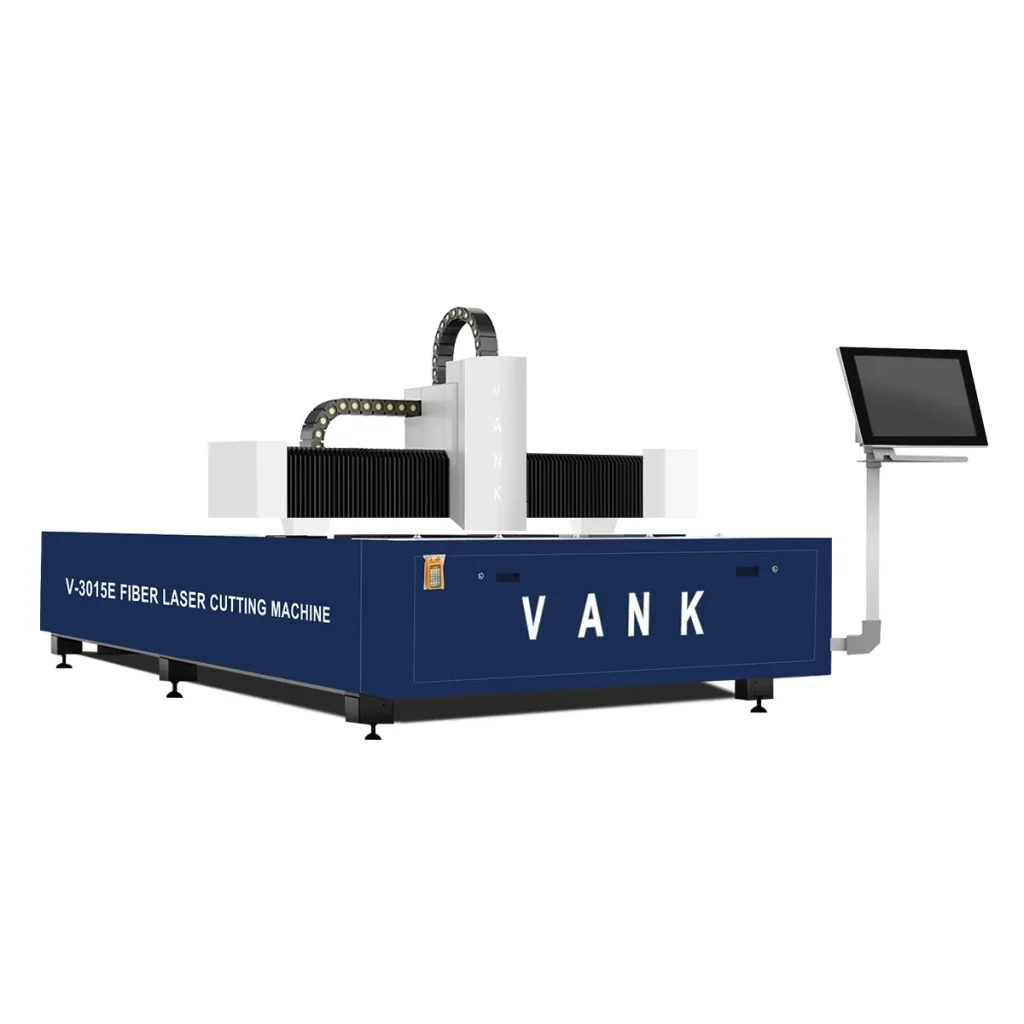
In the laser cutting industry, 3015 normally refers to a working area of approximately 3000 × 1500 mm.
This format is widely used for commercial sheet metal processing because it matches common sheet sizes while keeping the overall machine footprint manageable.
For fabrication shops producing electrical cabinets, kitchen equipment, metal furniture, automotive components, industrial enclosures or general OEM parts, a 3015 working area often provides a practical balance between capacity and workshop space.
If you are still comparing table sizes and machine types, you can first review Vank Laser's sheet metal fiber laser cutting machine range rather than choosing a 3015 simply because it is the most common size.
3kW vs 6kW vs 12kW vs 20kW: Cutting Capacity
Maximum cutting thickness is one of the easiest specifications to misunderstand.
A machine may be able to cut through a certain plate during a test, but that does not automatically mean the same thickness is economical for daily production.
For this reason, Vank Laser's current FC-3015E specifications distinguish between stable cutting and limit cutting.
Stable cutting is the more useful reference for regular production. Limit cutting means the material can be cut under suitable conditions, but speed, edge quality or process stability may not be appropriate for mass production.
| Power | Carbon Steel | Stainless Steel | Aluminum Alloy | Brass |
|---|---|---|---|---|
| 3kW | 12 / 16 mm | 6 / 8 mm | 5 / 7 mm | 3 / 4 mm |
| 6kW | 20 / 25 mm | 12 / 16 mm | 10 / 13 mm | 5 / 6 mm |
| 12kW | 30 / 40 mm | 25 / 35 mm | 20 / 25 mm | 8 / 12 mm |
| 20kW | 50 / 70 mm | 40 / 50 mm | 30 / 40 mm | 12 / 18 mm |
If laser power is the main question you are trying to answer, our guide to choosing fiber laser cutting machine power for metal thickness explains the decision in more detail.
For an important production material, however, a chart should never be the last step. Send the supplier your actual material grade, thickness and drawing and ask for a cutting test.
When a 3kW 3015 Fiber Laser Makes Sense
A 3kW machine is often a practical starting point for a workshop that mainly processes thin and medium sheet and does not need high-speed thick-plate cutting every day.
Typical work can include electrical enclosures, stainless steel products, kitchen equipment, metal signs, HVAC parts, light structural components and general subcontract sheet metal cutting.
Based on Vank Laser's current FC-3015E reference, the 3kW configuration is intended for stable cutting around 12 mm carbon steel, 6 mm stainless steel, 5 mm aluminum alloy and 3 mm brass under suitable conditions.
3kW is worth considering if:
- most of your regular orders are thin sheet;
- production volume is moderate;
- you want to control the initial investment;
- thicker plate is only an occasional requirement;
- high-speed thick-plate cutting is not your main source of revenue.
For a business where most production is relatively thin material, paying for 12kW or 20kW simply because the machine can cut thicker plate may not produce a good return.
If your material mix is complicated, it is also worth reading our guide on choosing a fiber laser cutting machine for different metal thicknesses before deciding on power.
Why Many Growing Fabricators Compare 6kW
The move from 3kW to 6kW is not only about cutting a thicker sheet.
For many fabrication shops, the more important question is whether the additional power improves productivity on the materials they already cut every week.
Vank Laser's current reference places 6kW stable cutting at approximately 20 mm carbon steel, 12 mm stainless steel, 10 mm aluminum alloy and 5 mm brass.
A 6kW machine can therefore be attractive for mixed production where thin sheet, medium plate and occasional thicker work all appear in the same order book.
6kW becomes more interesting when:
- your shop processes a wider range of thicknesses;
- 3kW cutting speed is beginning to restrict output;
- you regularly process medium-thickness stainless or carbon steel;
- short delivery times are important to your customers;
- your production volume is growing.
This is why the decision should not be reduced to “3kW is cheaper and 6kW is more powerful.” What matters is whether the additional machine cost creates enough usable production capacity to recover the investment.
Who Actually Needs a 12kW 3015 Fiber Laser?
A 12kW machine is a different purchasing decision. At this level, buyers should normally have a clear production reason for moving into higher power.
According to the current FC-3015E reference, a 12kW configuration can target stable cutting around 30 mm carbon steel, 25 mm stainless steel, 20 mm aluminum alloy and 8 mm brass, depending on process conditions.
But thickness alone is not the strongest reason to buy 12kW.
For a busy industrial user, throughput may be more important. If a company processes a large number of sheets every week, even relatively small reductions in cutting time can add up across a full shift.
12kW is easier to justify when:
- medium and thick plate is part of regular production;
- the machine is expected to run long shifts;
- cutting speed directly affects delivery capacity;
- thick-plate work is currently outsourced;
- you already have enough orders to use the extra capacity.
If a 12kW machine spends most of the day cutting light decorative sheet for a low-volume business, much of that investment may remain unused.
20kW: Buy It for Production, Not for the Specification Sheet
A 20kW fiber laser sounds impressive. That does not mean every factory should buy one.
Vank Laser's published FC-3015E cutting reference lists stable cutting around 50 mm carbon steel, 40 mm stainless steel, 30 mm aluminum alloy and 12 mm brass for the 20kW class.
At this power level, the rest of the machine matters more than ever. Cutting head capability, machine stability, thermal management, electrical supply, assist gas and dust extraction all need to work with the laser source.
A 20kW system makes more sense for factories where high utilization can turn that additional capacity into revenue: heavy fabrication, industrial machinery, construction equipment, contract cutting and production lines processing significant volumes of medium or thick plate.
Think carefully before choosing 20kW if:
- most of your orders are thin sheet;
- the machine will operate only a few hours each day;
- your current order volume cannot use the additional capacity;
- your workshop electrical infrastructure is not prepared for the system;
- you are buying high power mainly for a possible future job.
The best machine is not the one with the largest number on the specification sheet. It is the machine that gives your factory a competitive cost per finished part.
Is a 3015 Machine Always the Right Size?
No. The 3015 format is popular, but that does not make it the right choice for every workshop.
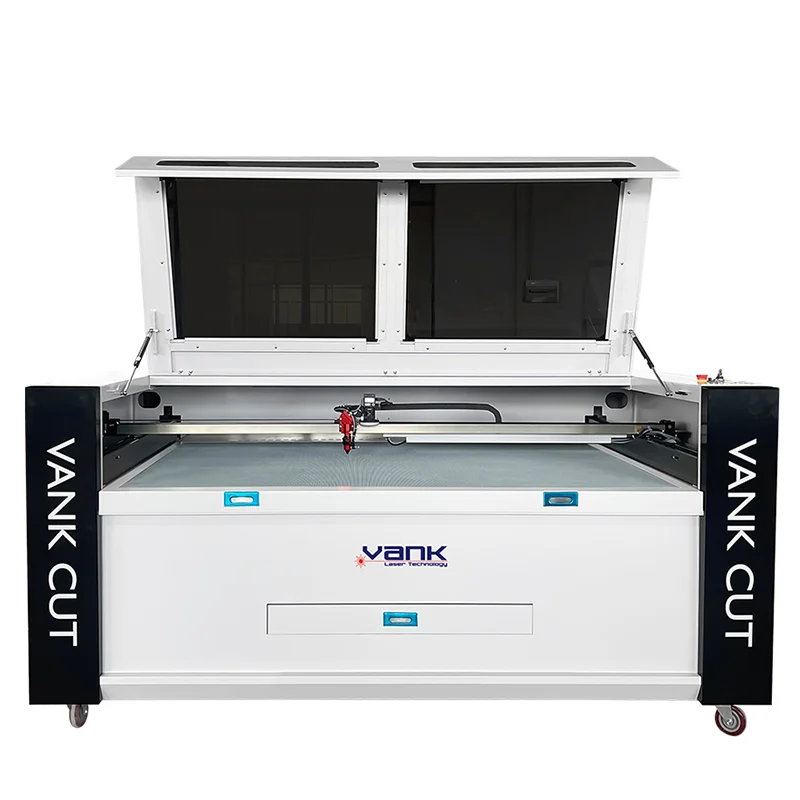
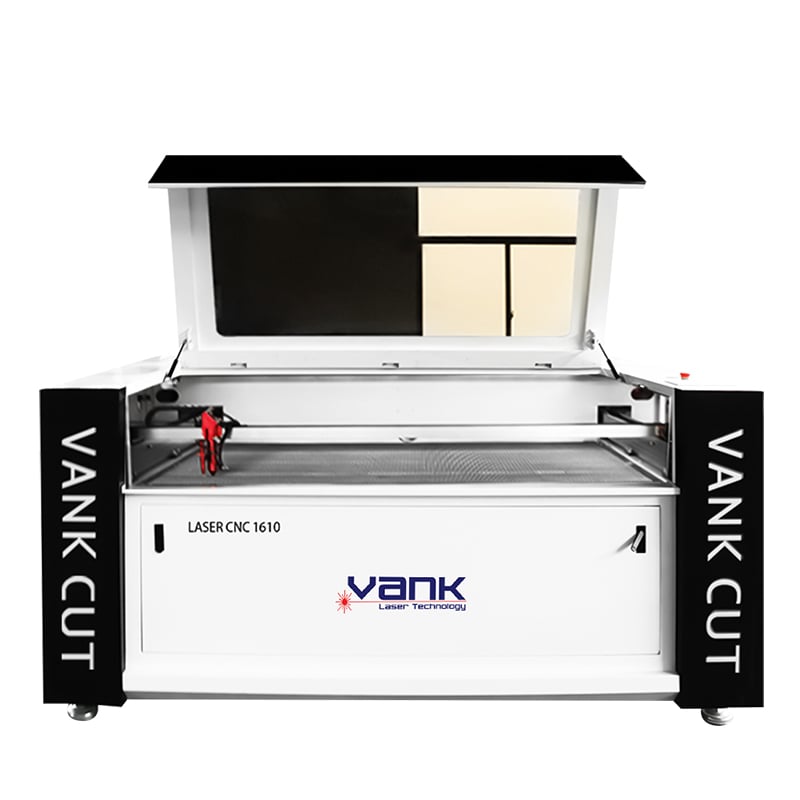
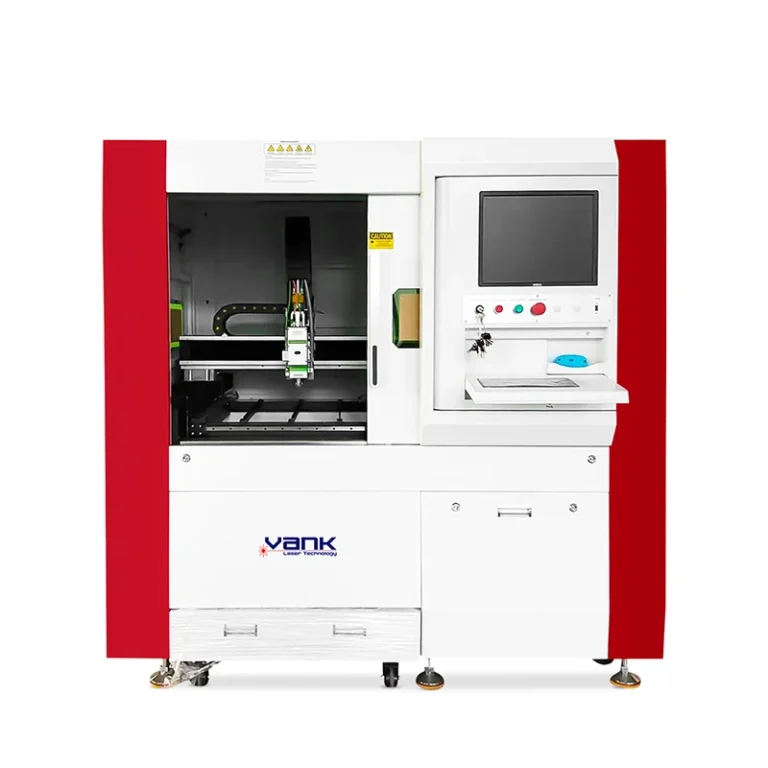
If your company mainly makes jewelry components, labels, small precision parts or compact metal products, a smaller platform may use factory space more efficiently. Vank Laser's 6060 high-precision fiber laser cutting machine is designed for smaller-format precision metal work.
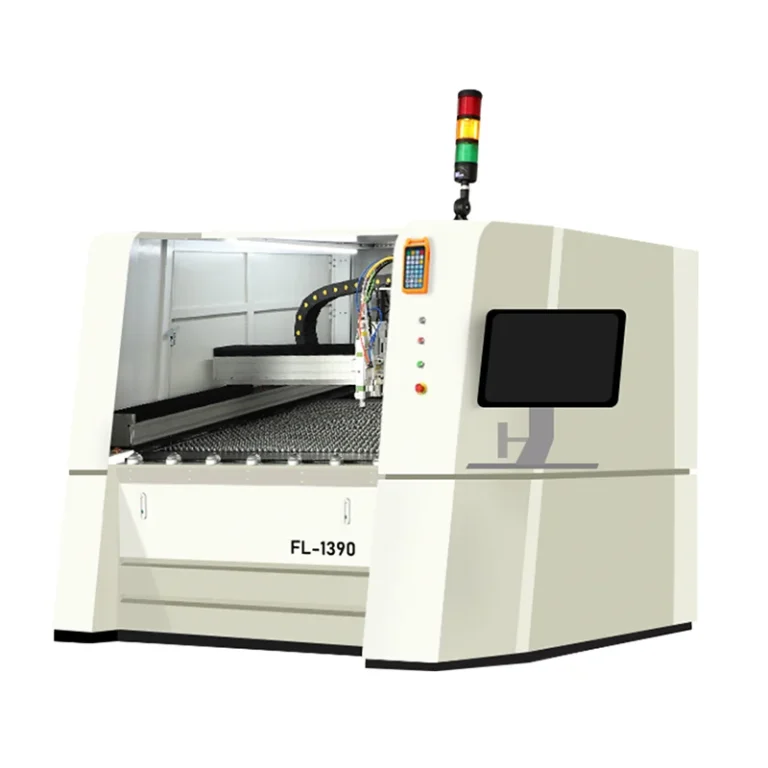
For buyers mainly processing detailed thin sheet and looking for a compact enclosed design, the 1390 enclosed fiber laser cutting machine is another option worth comparing.
At the other end of the scale, if your standard raw material is larger than 3000 × 1500 mm, moving to a larger working area may be more practical than repeatedly repositioning sheets on a smaller machine.
Why Two 6kW 3015 Machines Can Have Very Different Prices
This is where many online price comparisons become misleading.
If two suppliers both quote a “3015 6kW fiber laser,” look at the complete specification before deciding which one is expensive.
Laser source
The fiber laser source is one of the major components in the machine cost. Brand, rated power, service availability and configuration can all affect the quotation.
Vank Laser's current FC-3015E specification includes MAX, RAYCUS and IPG source options.
Cutting head
The cutting head has to match the selected laser power and application. The current FC-3015E specification uses Raytools cutting heads.
Machine structure
A machine bed has to remain stable through repeated acceleration, vibration and heat cycles. This matters much more after thousands of production hours than it does on the day the machine arrives.
Single table or exchange table
A single table generally keeps the purchase cost and floor-space requirement lower. An exchange-table system costs more but can reduce loading and unloading downtime in higher-volume production.
The question is not whether an exchange table is “better.” The question is whether your production volume is high enough to benefit from it.
Open or enclosed machine
Protective enclosure, observation windows and higher-capacity dust extraction add cost. They can also be important for workplace safety and the requirements of the destination market.
Control and motion system
The control system, guideways, drive components and machine tuning affect daily operation and cutting consistency. The current FC-3015E specification lists HIWIN guide rails and Cypcut/FSCUT CNC control options.
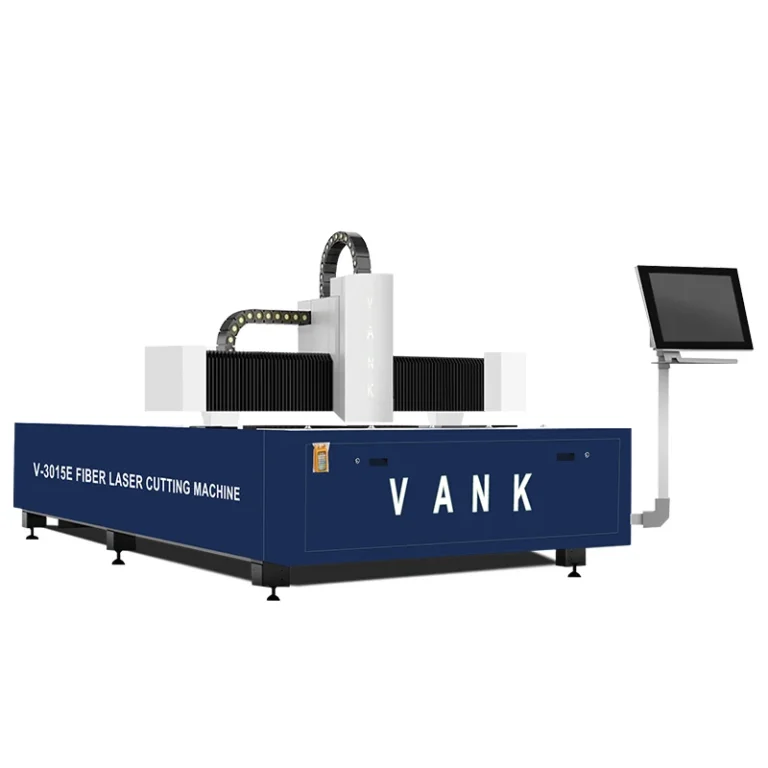
You can review the current FC-3015E fiber laser cutting machine specifications before comparing supplier quotations line by line.
The Machine Price Is Not Your Final Investment
One of the most common budgeting mistakes is treating the machine quotation as the complete project cost.
Depending on your country and workshop, you may also need to budget for:
- international freight;
- marine insurance;
- import duties and local taxes;
- port and customs charges;
- unloading and rigging;
- electrical installation;
- air compressor or gas supply equipment;
- nitrogen or oxygen supply;
- dust and fume extraction;
- installation and training;
- initial spare parts and consumables.
This is also why you should check the Incoterm on every quotation. EXW, FOB and CIF prices cannot be compared as if they represented the same scope of supply.
Do Not Ignore Operating Cost
The cheapest machine to buy is not necessarily the cheapest machine to own. At the same time, the highest-power machine is not automatically the most profitable.
For a more realistic comparison, consider:
- electricity;
- oxygen, nitrogen or compressed-air consumption;
- protective lenses;
- nozzles and ceramic parts;
- chiller maintenance;
- compressor maintenance;
- operator labor;
- planned maintenance;
- production output per hour.
Assist gas can make a noticeable difference to production economics. A higher-power laser may complete a job faster, but the actual cost still depends on the material, gas, required edge quality and local utility prices.
The most useful number is therefore often cost per acceptable finished part, not simply machine price or laser wattage.
A Practical Way to Choose Between 3kW, 6kW, 12kW and 20kW
| Your Production Situation | Power Worth Evaluating First |
|---|---|
| Mostly thin sheet, moderate volume, controlled investment | 3kW |
| Mixed sheet work, growing production, regular medium thickness | 6kW |
| Regular medium/thick plate and high machine utilization | 12kW |
| Heavy production, thick plate and throughput is a major profit driver | 20kW |
This is only a starting point.
A factory cutting 2 mm stainless steel for 18 hours every day can have a completely different requirement from a workshop cutting 15 mm carbon steel twice a week.
That is why “Which power can I afford?” is usually the wrong first question.
Which power gives my factory the right cutting speed, useful thickness range and return on investment for the work we actually sell?
Five Details to Prepare Before Asking for a 3015 Price
If you want a meaningful quotation instead of a generic price list, prepare these details first:
- Material: carbon steel, stainless steel, aluminum, brass or mixed production?
- Normal and maximum thickness: what do you cut every day, and what is only occasional?
- Sheet size: does approximately 3000 × 1500 mm cover your regular material?
- Production volume: a few hours per day, one shift, two shifts or continuous operation?
- Destination country: this affects voltage, shipment and project preparation.
Once these details are clear, it becomes much easier to compare 3kW, 6kW, 12kW and 20kW according to production economics rather than guessing from a catalogue.
What to Check Before Paying a Deposit
For industrial equipment, the quotation is only part of the purchase decision. Before ordering, confirm the following in writing:
- exact machine model and working area;
- laser source brand and rated power;
- cutting head model;
- control system;
- guide and drive configuration;
- chiller specification;
- loading platform configuration;
- open or enclosed structure;
- dust extraction scope;
- electrical standard and voltage;
- warranty terms;
- remote and on-site service scope;
- included consumables and spare parts;
- shipping term and included freight scope.
Supplier evaluation matters as well. Before placing an international equipment order, check who is manufacturing the machine, how technical questions are handled and what happens after installation. You can read more about Vank Laser and our laser equipment business before requesting a quotation.
For important materials, request a sample cutting test. Ideally, provide your own DXF drawing, material grade, thickness and edge-quality requirement. A video showing the actual cut, finished edge and cutting time is far more useful than a general showroom demonstration.
About the Vank Laser FC-3015E
Vank Laser's FC-3015E is designed for sheet metal processing and is available in multiple power configurations for different production requirements.
| Model | FC-3015E |
| Working Area Class | Approx. 3000 × 1500 mm |
| Power Options | Multiple options including 3kW, 6kW, 12kW and 20kW |
| Laser Source Options | MAX / RAYCUS / IPG |
| Cutting Head | Raytools |
| Guide Rail | HIWIN |
| Control | Cypcut / FSCUT / CNC system |
| Cooling | Industrial water chiller |
| Standard Power Supply | 380V, 50/60Hz, 3 phase |
| Typical Materials | Carbon steel, stainless steel, aluminum, brass and other metals |
You can see the current machine configuration, cutting-capacity reference and component information on the FC-3015E metal fiber laser cutting machine page.
Which 3015 Configuration Fits Your Factory?
If most of your work is thin sheet, the right discussion may start with 3kW rather than selling you unnecessary power.
If your order mix regularly includes medium plate and cutting speed is becoming a bottleneck, 6kW may deserve closer comparison.
If your factory already processes significant volumes of medium and thick material, 12kW or 20kW may create more usable production capacity.
The useful answer depends on your parts—not on the largest laser source available.
Send Vank Laser your material, normal thickness, maximum thickness, sheet size, daily production time and destination country. We can compare suitable configurations and prepare a quotation based on the work your factory actually needs to produce.
Frequently Asked Questions
How much does a 3015 fiber laser cutting machine cost?
The price depends heavily on laser power and machine configuration. A 3kW open machine and a 20kW industrial system can both use a 3015 working area while having very different purchase costs. Compare the complete specification, included equipment and shipping terms before comparing quotations.
What is the difference between a 3015 and 1530 laser cutting machine?
In most supplier naming systems, 3015 and 1530 both refer to approximately the same 3000 × 1500 mm working format. Naming conventions vary, so always confirm the actual X/Y working area in the technical specification.
Is 3kW enough for a 3015 fiber laser?
For many thin-to-medium sheet metal businesses, yes. Vank Laser's current reference lists stable cutting around 12 mm carbon steel, 6 mm stainless steel, 5 mm aluminum alloy and 3 mm brass for the 3kW class under suitable conditions. Buyers processing thicker material regularly or requiring higher throughput should compare 6kW and higher configurations.
Is 6kW worth the extra cost over 3kW?
It can be if you can use the additional cutting speed and thickness capacity regularly. For a low-volume shop processing mostly thin sheet, the additional investment may not be necessary. For a busy fabrication shop with mixed thicknesses, the productivity difference may be more important than the purchase-price difference.
Should I buy 12kW or 20kW?
Choose according to your regular material thickness, required output and machine utilization. A 20kW machine makes more sense when the additional capacity will be used frequently enough to recover the higher machine and operating costs.
Does the machine price include shipping?
Not necessarily. Check whether the quotation is EXW, FOB, CIF or another Incoterm and confirm whether freight, insurance, duties, installation and local unloading are included.
Can I send my own metal for a cutting test?
Yes. For a serious machine comparison, provide the material grade, thickness, drawing and edge-quality requirement. Testing the actual workpiece is more useful than relying only on a general cutting-thickness chart.
A Note on the Prices and Cutting Data in This Guide
The cutting-capacity figures above follow the current Vank Laser FC-3015E reference and deliberately distinguish stable cutting from limit cutting.
The price ranges are broad purchasing-budget references rather than a fixed Vank Laser price list. Final machine cost depends on the selected laser source, cutting head, machine structure, safety configuration, optional equipment, shipping scope and destination.
Before purchasing: request a current written quotation and verify critical materials with a sample cutting test.