



Por qué las cortadoras láser de CO2 se están convirtiendo en equipos prácticos para la producción de ropa deportiva
Sportswear production is no longer limited to standard cutting, sewing, and large-volume uniform orders. Many factories now handle sublimation jerseys, cycling wear, yoga apparel, teamwear, training uniforms, elastic fabrics, printed panels, and short-run customized garment orders. These products require cleaner contour cutting, better repeat accuracy, and faster changeover between different designs.
For this reason, CO2 laser cutting machines are becoming practical equipment for sportswear manufacturers, printing workshops, apparel suppliers, and distributors serving the garment industry. Instead of only replacing manual cutting, a suitable CO2 laser system can help sportswear producers deal with printed fabric alignment, complex shapes, small-batch orders, and continuous roll material processing.
For buyers comparing equipment options, the key question is not simply whether a laser cutter can cut fabric. The more important question is whether the machine can match real sportswear production conditions.
Sportswear Production Requires More Flexible Cutting Methods
Sportswear materials are often different from ordinary woven fabric used in basic garments. Many products use polyester, elastic fabric, mesh fabric, sublimation printed fabric, performance textile, or mixed materials. These materials are commonly used for football jerseys, basketball uniforms, cycling wear, running shirts, training clothes, yoga wear, swimwear, and customized team apparel.
In actual production, factories often face several cutting challenges:
- Printed patterns need to match the cutting outline accurately.
- Fabric may stretch, shrink, or shift during handling.
- Order quantities may change from small batches to repeat production.
- Different sizes and designs may appear in the same production schedule.
- Manual cutting may create inconsistent edges or positioning errors.
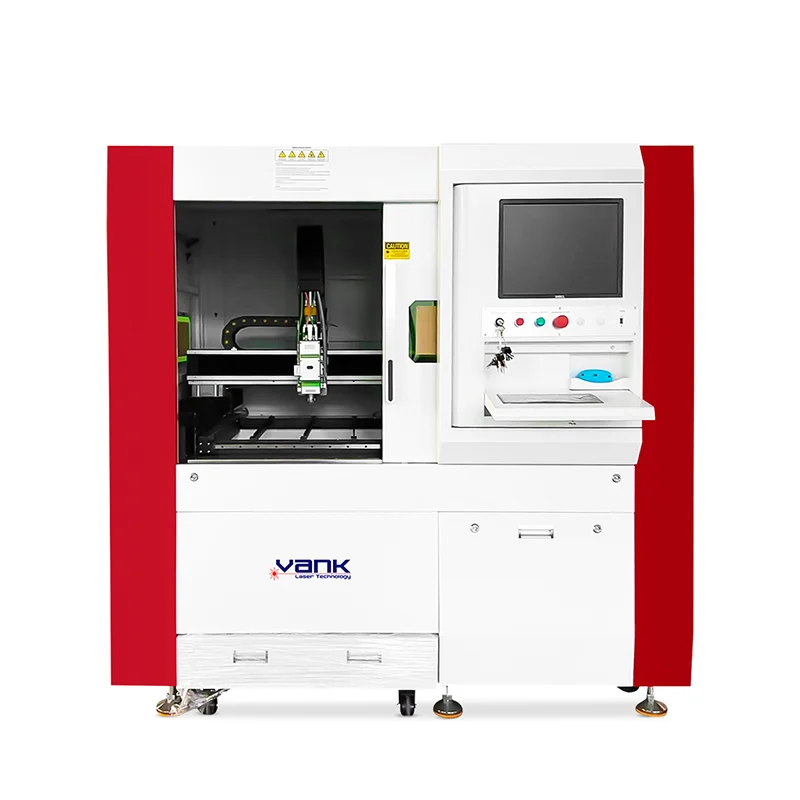
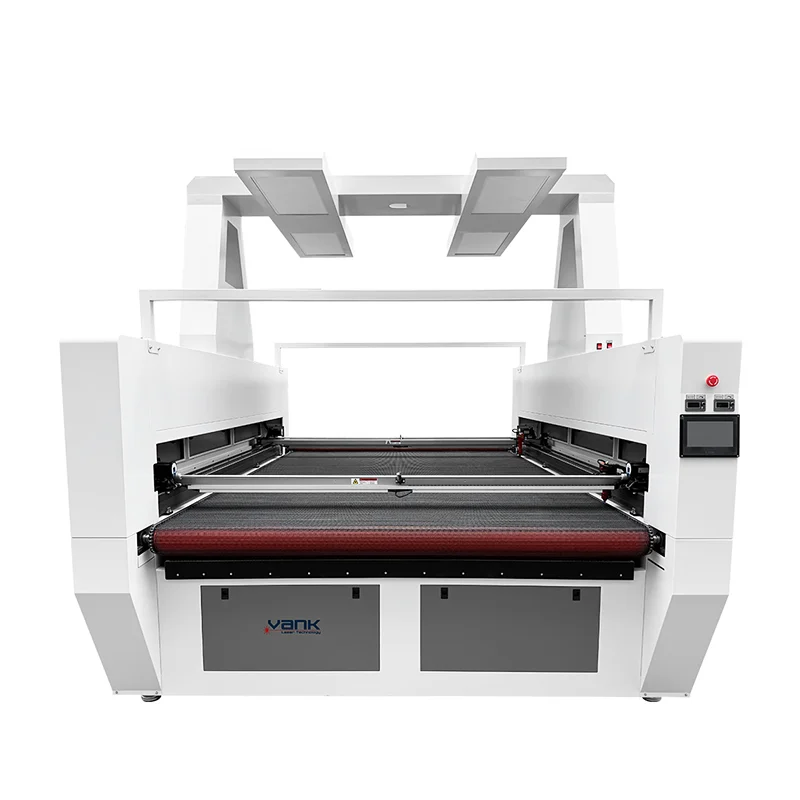
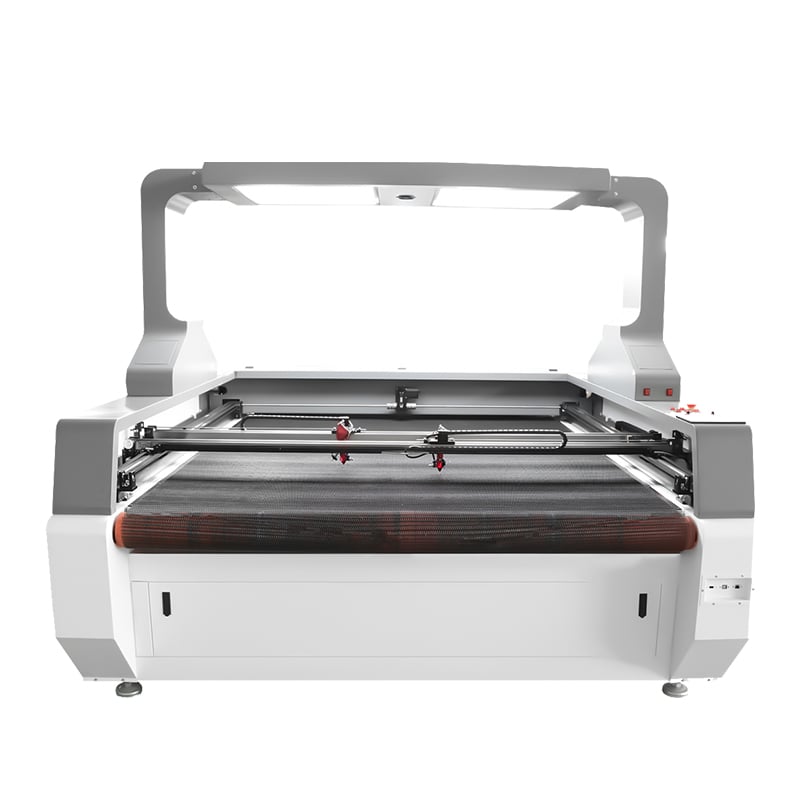
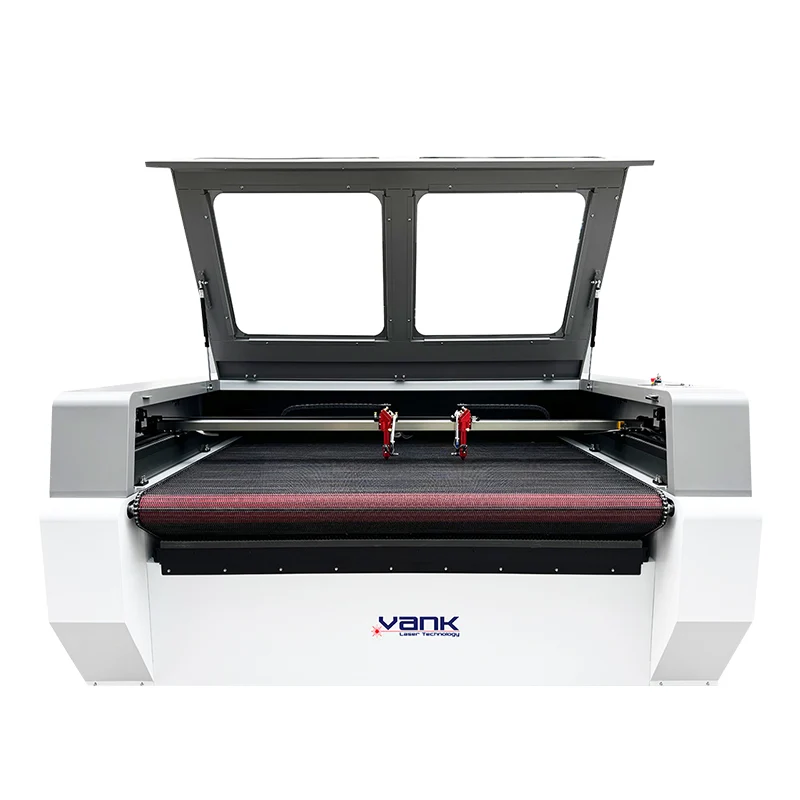
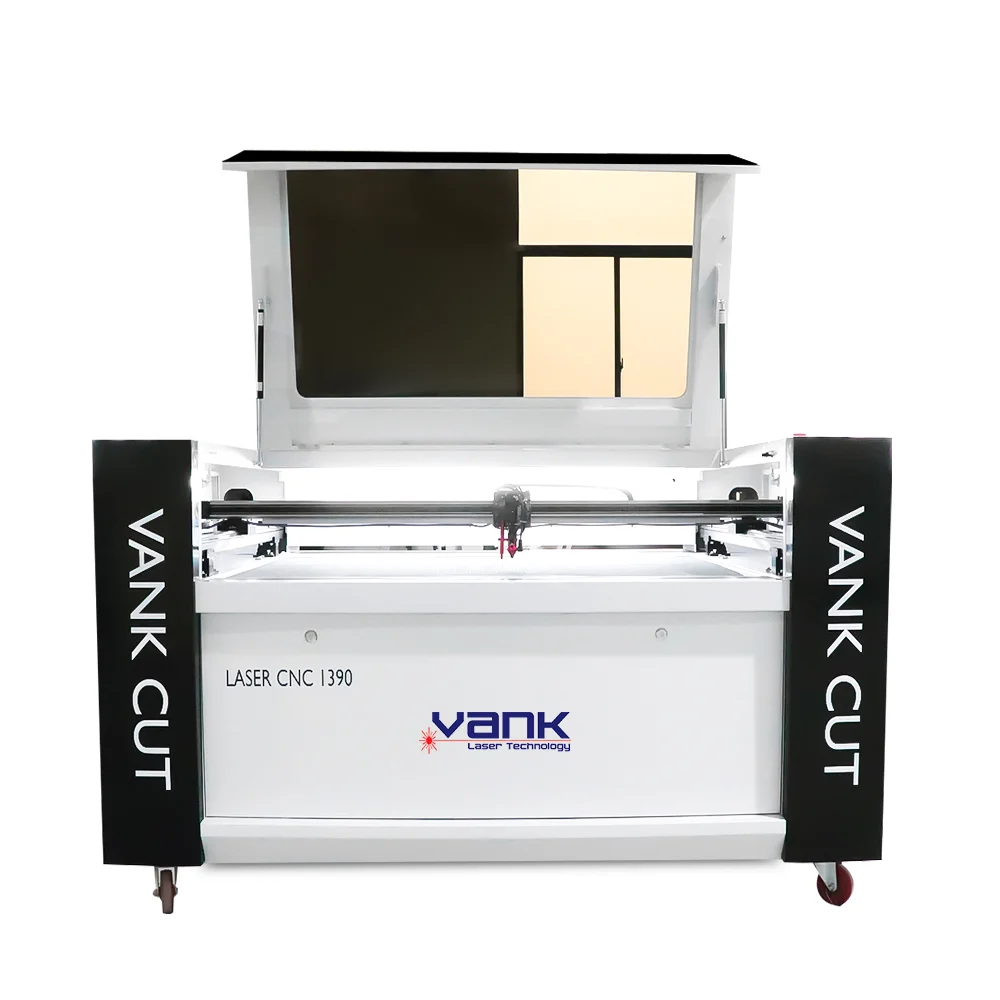
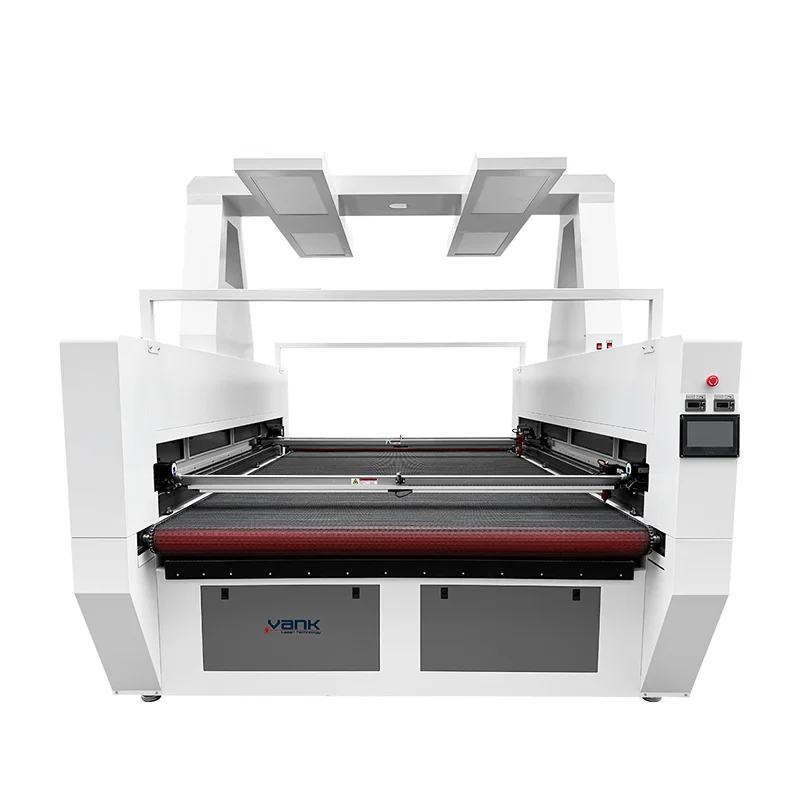
This is where a Cortadora de tela láser CO2 con alimentación automática y cámara de visión becomes more useful than a basic cutting table. The machine is designed for roll materials and printed fabric contour cutting, which makes it more suitable for sportswear, customized apparel, sublimation printing, soft signage, and similar textile applications.
Vision Camera Cutting Is Important for Sublimation Sportswear
Sublimation sportswear usually has printed graphics before cutting. If the cutting line is not aligned with the printed pattern, the finished garment panel may have uneven borders, shifted logos, or poor visual consistency. This is especially important for teamwear, cycling jerseys, racing shirts, and customized activewear.
A vision camera CO2 laser cutting machine can recognize printed outlines and generate cutting paths according to the actual position of the material. This helps reduce manual positioning and improves consistency when processing repeated designs.
For sportswear workshops, this is useful in several cases:
- Jersey panels with printed logos and numbers
- Cycling wear with curved and irregular printed shapes
- Sublimation fabric rolls requiring continuous contour cutting
- Custom sportswear orders with frequent design changes
- Printed labels, patches, and decorative fabric parts
For distributors, this is also an important selling point. Many end users do not only ask for cutting speed. They want to know whether the machine can reduce rework, save material, and handle printed fabric more reliably.
Auto Feeding Supports Continuous Roll Material Processing
Sportswear factories often work with roll materials instead of individual sheets. If the operator needs to manually move and reposition the fabric after each cutting area, production efficiency becomes limited. It also increases the chance of fabric movement and cutting error.
An auto feeding system helps move the roll material into the cutting area automatically. Combined with vision positioning, it allows the machine to process printed fabric continuously with less manual intervention.
For factories producing customized sportswear, this can be more practical than relying only on hand cutting or simple plotter cutting. It allows one production line to handle different designs, sizes, and repeat orders with better stability.
This is why the VankCut CO2 laser fabric cutter with auto feeding and vision camera is a strong product direction for dealers targeting sportswear, textile printing, apparel customization, and fabric processing customers.
CO2 Laser Cutting Is Suitable for Complex Shapes and Short-Run Orders
Sportswear production often involves curved panels, ventilation shapes, decorative holes, labels, patches, and irregular garment parts. Traditional knife cutting may still be suitable for many standard patterns, but it can become less efficient when designs change frequently or shapes become more complex.
CO2 laser cutting does not require physical cutting dies. This gives factories more flexibility when handling:
- Small-batch customized sportswear
- Sample development before bulk production
- Repeated design changes
- Complex printed fabric outlines
- Piezas textiles decorativas
- Teamwear orders with different numbers or logos
For sportswear manufacturers, this flexibility is valuable because customer orders are becoming more fragmented. For equipment distributors, this gives a clearer sales angle: CO2 laser machines are not only production equipment; they are also useful tools for customization, sampling, and flexible manufacturing.
Cleaner Edge Processing Helps Improve Finished Product Quality
Sportswear buyers care about appearance, comfort, and production consistency. Poor cutting edges can affect sewing quality, panel matching, and the final look of the garment. When used on suitable synthetic fabrics, CO2 laser cutting can produce a clean edge and reduce fraying compared with some manual cutting methods.
This is especially useful for polyester fabrics, printed textile panels, labels, patches, and decorative fabric components. The result depends on the material type, laser power, cutting speed, and machine setup, so testing before bulk production is still important.
For distributors, it is better to explain this point realistically. Do not simply promise that one machine can cut every fabric perfectly. A more professional explanation is that CO2 laser cutting is suitable for many non-metal sportswear materials, but the final cutting effect should be tested according to fabric composition, thickness, elasticity, and printing method.
CO2 Laser Machines Can Also Serve Related Apparel and Accessory Applications
Sportswear producers may not only cut garment panels. Many workshops also process labels, patches, shoe materials, leather accessories, fabric tags, packaging inserts, promotional gifts, and display materials. This gives CO2 laser equipment wider sales potential.
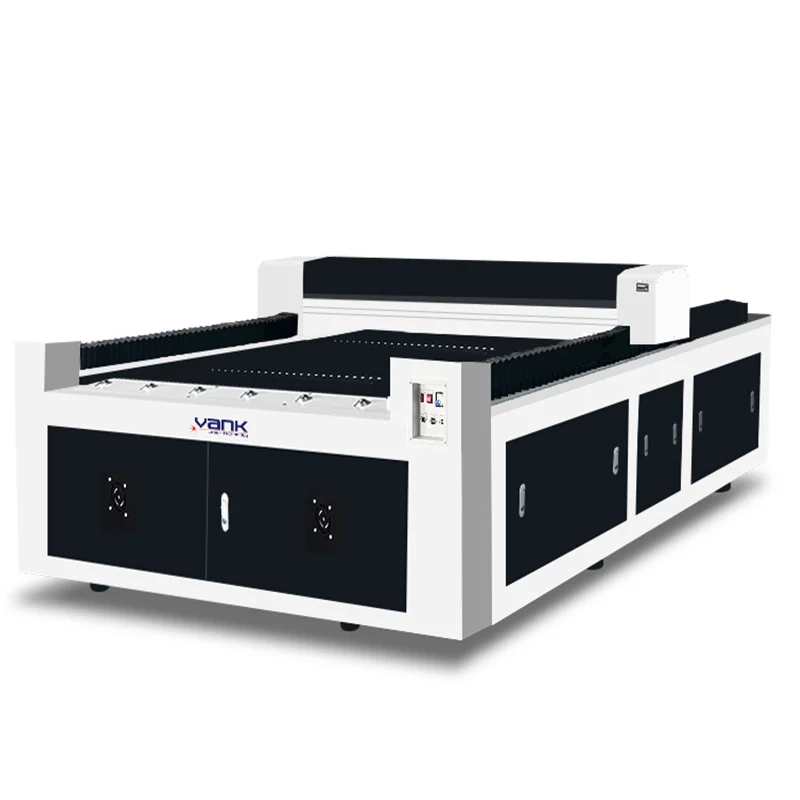
For example, a Máquina de corte por láser de CO2 con cámara CCD can support positioning and cutting for printed materials, labels, fabric, leather, paper, acrylic, and other non-metal materials. This makes it relevant not only for sportswear, but also for fashion apparel, bags, packaging, advertising materials, and custom product workshops.
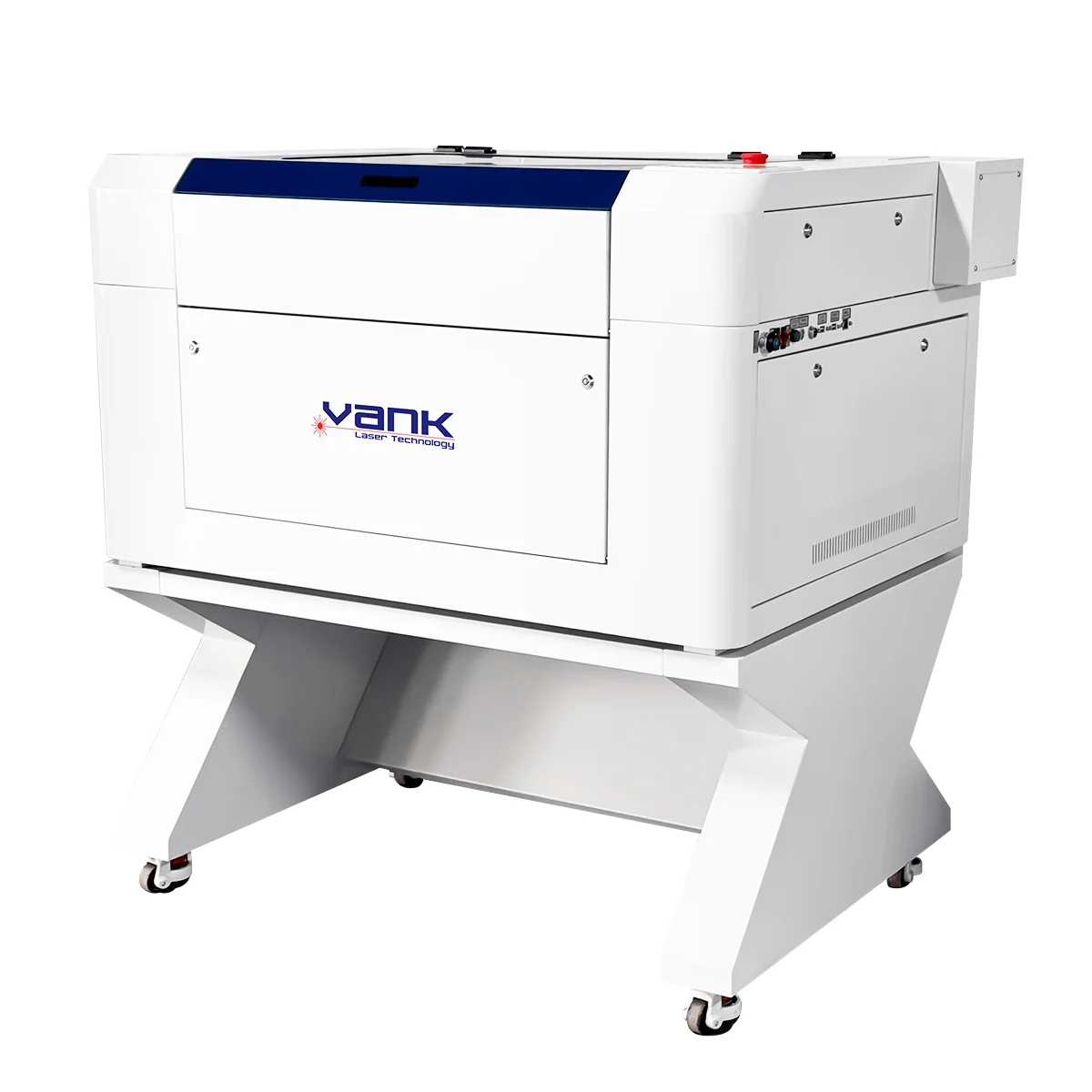
For customers who need cutting and engraving on non-metal materials, a high speed CO2 laser engraving cutting machine can also be introduced for acrylic, wood, paper, fabric, leather, and related applications. This allows distributors to recommend different machine types according to the customer’s business model.
What Sportswear Buyers Usually Check Before Ordering
Before buying a CO2 laser cutting machine for sportswear production, buyers usually compare more than the machine price. They often check whether the machine can match their material, order type, and production workflow.
Important points include:
| Buying Factor | Why It Matters |
|---|---|
| Working area | Must match garment panel size and roll material width |
| Vision system | Important for sublimation prints and contour cutting |
| Sistema de alimentación automática | Useful for continuous roll fabric processing |
| Laser power | Should match fabric thickness and cutting speed requirements |
| Software compatibility | Affects file import, layout, and daily operation |
| Cutting accuracy | Important for printed panels and repeated designs |
| Exhaust and smoke removal | Important for textile cutting environment |
| After-sales support | Critical for distributors and overseas buyers |
For dealers, this type of comparison is more useful than only listing machine specifications. It helps customers understand why one CO2 laser machine is suitable for sportswear while another model may be better for advertising, packaging, or general engraving.
Why This Creates Opportunities for Laser Machine Distributors
Sportswear production has strong demand in many regional markets. Local factories, printing shops, teamwear suppliers, apparel workshops, and customization businesses often need flexible equipment but may not have enough technical knowledge to choose the right model.
This creates an opportunity for distributors who can explain the difference between a standard CO2 laser cutter, a vision camera laser cutter, and an auto-feeding fabric laser cutting machine.
A distributor can position CO2 laser machines around several practical sales angles:
- Sportswear and sublimation fabric contour cutting
- Custom teamwear and activewear production
- Fabric labels, patches, and decorative parts
- Fashion apparel and textile sample cutting
- Bag, leather, and accessory engraving
- Packaging inserts and promotional product cutting
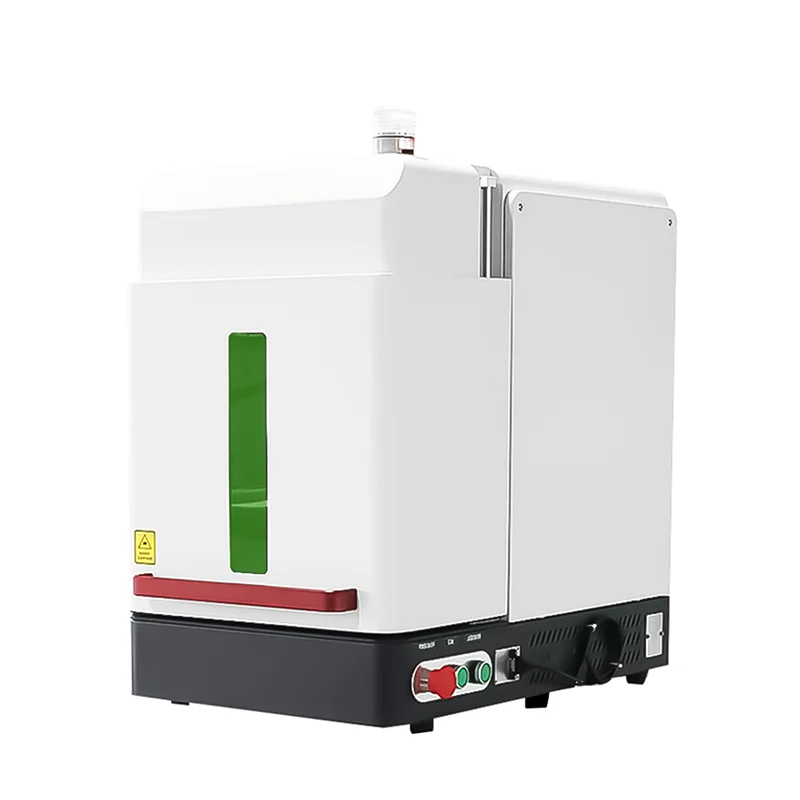
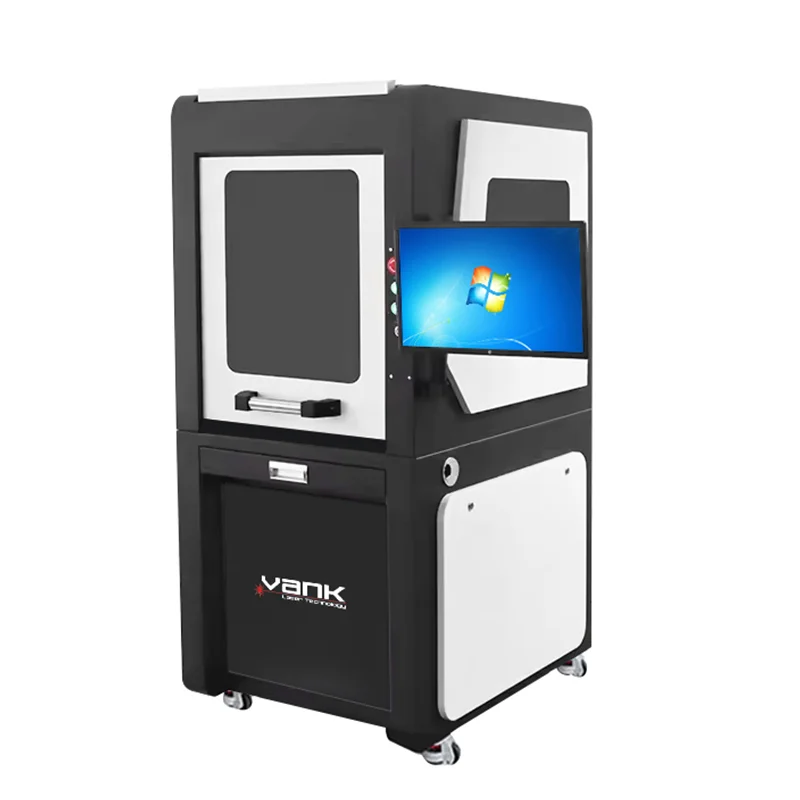
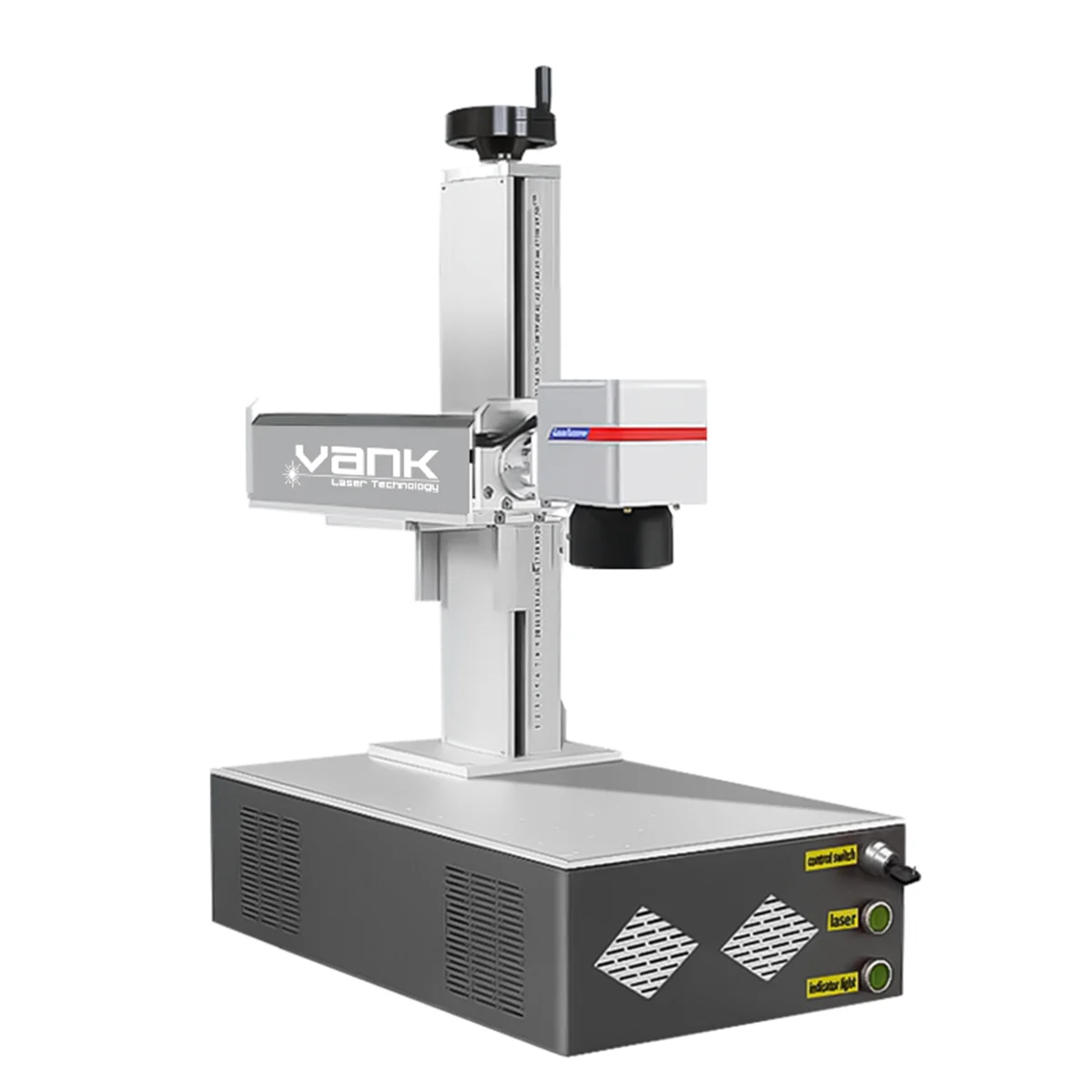
For a broader product range, distributors can also combine sportswear cutting machines with laser marking machines for jewelry and fashion accessories when serving fashion, apparel, bag, and accessory customers.
How to Recommend the Right CO2 Laser Machine for Sportswear Customers
Not every sportswear buyer needs the same machine. A small custom apparel workshop may need a compact CO2 laser cutter with vision positioning. A larger sublimation sportswear factory may need auto feeding, larger working area, and continuous roll material processing. A mixed production workshop may need both cutting and engraving capability.
A practical recommendation process should start with these questions:
- What materials will the customer cut?
- Are the fabrics printed before cutting?
- Does the customer process roll materials or sheet materials?
- What is the maximum fabric width?
- Does the customer need contour cutting for sublimation graphics?
- Is the order mainly sample making, small batch, or continuous production?
- Does the customer also need engraving, marking, or packaging material cutting?
Once these details are clear, the distributor can recommend a more suitable configuration instead of selling only by machine size or price.
Conclusión
CO2 laser cutting machines are becoming practical equipment for sportswear production because the industry is moving toward more printed fabrics, customized orders, flexible production, and complex garment designs. For sublimation sportswear, teamwear, activewear, and textile customization, vision camera cutting and auto feeding can help improve cutting consistency and production efficiency.
For distributors, the opportunity is not only selling one machine. The stronger value is helping customers match the right CO2 laser system with their material, order type, production volume, and future business direction.
Vank Laser supplies CO2 laser fabric cutting, engraving, and marking equipment for sportswear, fashion apparel, bags, packaging, advertising, and related non-metal processing industries. Contact us with your material type, fabric width, sample images, and expected production requirements to receive a suitable machine recommendation and quotation.
PREGUNTAS FRECUENTES
1. What type of CO2 laser cutting machine is suitable for sportswear production?
For sportswear production, a CO2 laser fabric cutter with auto feeding and vision camera is usually more suitable than a basic flatbed laser cutter, especially when processing sublimation printed fabric, roll materials, and repeated garment panels.
2. Can CO2 laser machines cut sublimation sportswear fabric?
Yes. CO2 laser machines can cut many sublimation sportswear fabrics, especially polyester-based printed textiles. For printed fabric contour cutting, a vision camera system is recommended to help align the cutting path with the printed outline.
3. Why do sportswear factories need a vision camera laser cutter?
A vision camera laser cutter helps recognize printed patterns and cut according to the actual material position. This is useful for jerseys, cycling wear, activewear, and other sportswear products with printed graphics or irregular outlines.
4. Is auto feeding necessary for sportswear fabric cutting?
Auto feeding is recommended when the factory processes roll fabric or continuous printed materials. It helps reduce manual repositioning and improves efficiency for repeated sportswear production.
5. Can one CO2 laser machine cut both sportswear fabric and leather accessories?
Some CO2 laser machines can process fabric, leather, paper, acrylic, and other non-metal materials, depending on the machine configuration and material test results. For mixed applications, buyers should confirm material type, thickness, and cutting quality before ordering.
6. What should distributors ask before recommending a CO2 laser cutter for sportswear?
Distributors should ask about fabric type, roll width, printing method, panel size, production volume, contour cutting needs, and whether the customer also needs engraving or marking functions.
7. Is CO2 laser cutting better than manual cutting for custom sportswear?
For printed fabric, complex shapes, and repeated custom designs, CO2 laser cutting can provide better consistency and reduce manual positioning work. Manual cutting may still be used for some simple or low-volume jobs.
8. Can CO2 laser cutting reduce material waste in sportswear production?
It can help reduce waste when the machine uses accurate layout, vision positioning, and stable cutting paths. The actual result depends on fabric handling, design layout, operator setup, and material behavior.
9. What industries can distributors target with CO2 laser fabric cutting machines?
Besides sportswear, distributors can target fashion apparel, textile printing, soft signage, home textiles, bags, leather goods, packaging, advertising materials, and custom product workshops.
10. What information is needed to request a CO2 laser machine quotation?
Buyers should provide material type, maximum material width, cutting thickness, sample photos, printed or non-printed fabric details, expected production volume, and whether vision camera or auto feeding is required.