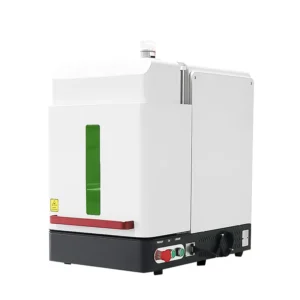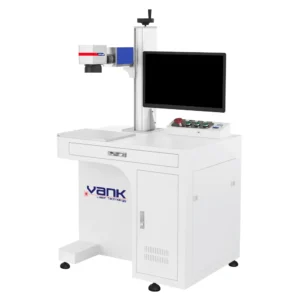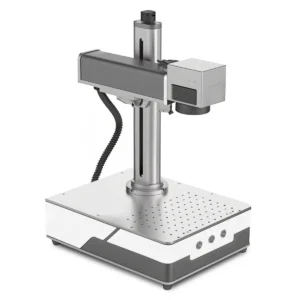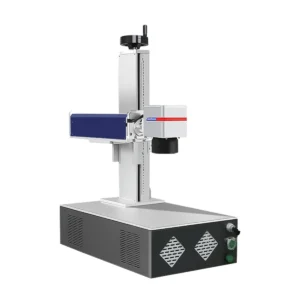
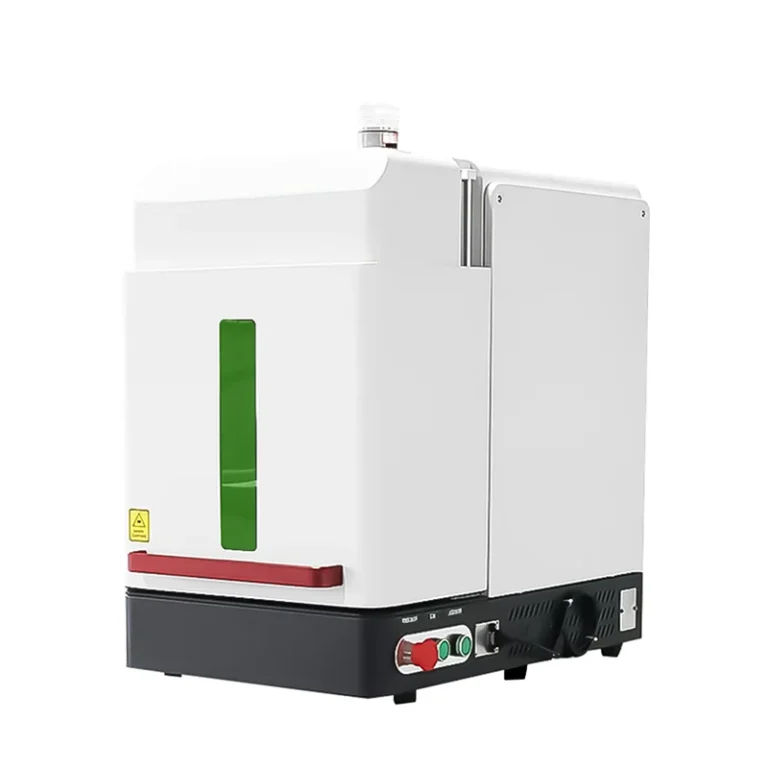
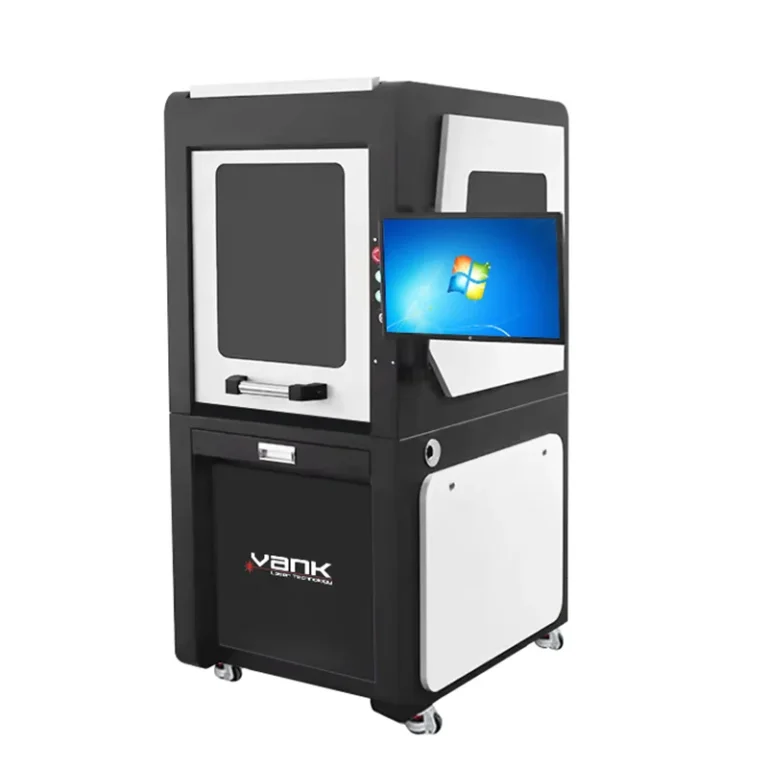
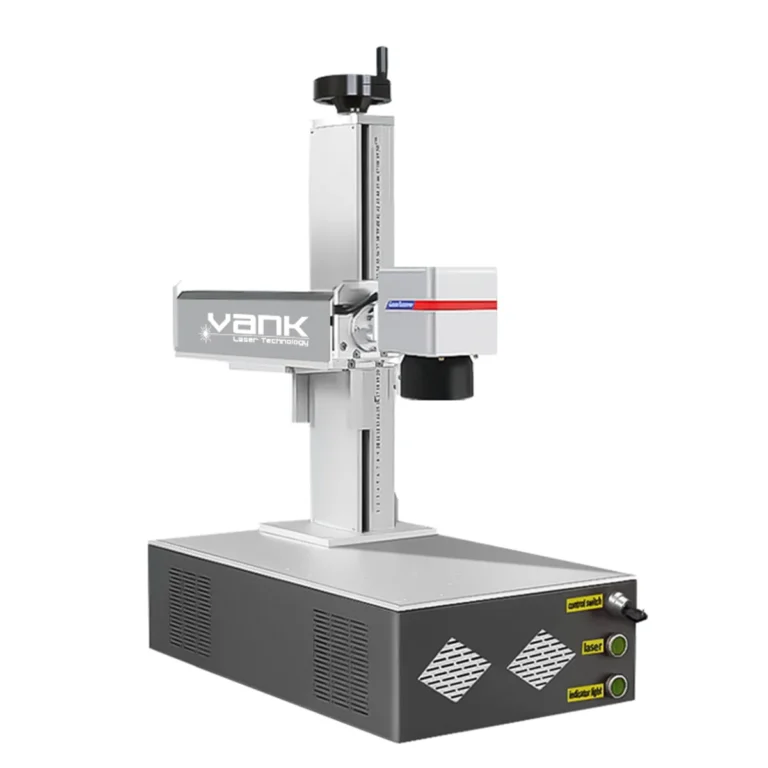
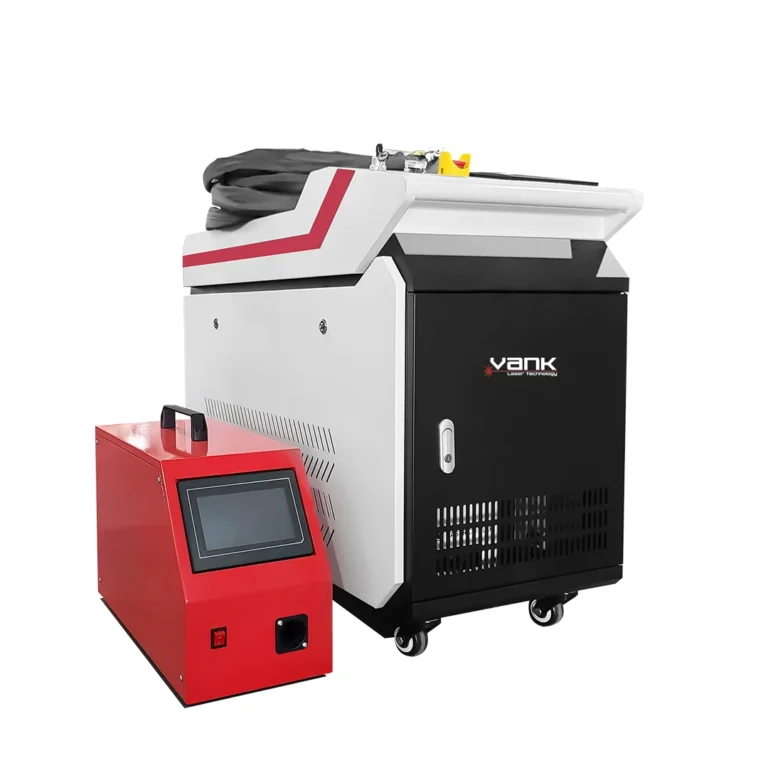
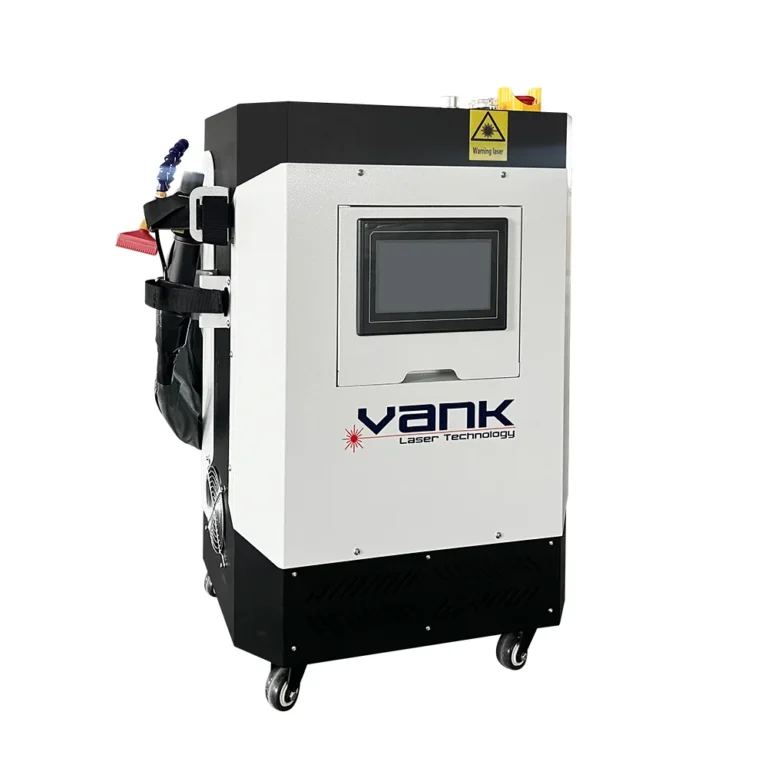
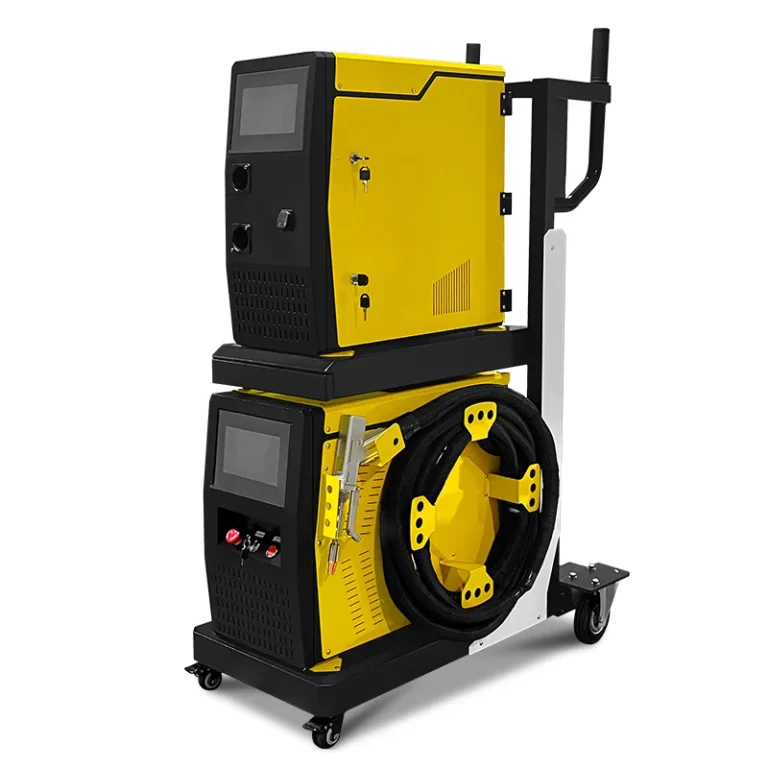
Desktop Fiber Laser Marking Machine Applications
- Electronics and Components: Add serial numbers, Data Matrix codes, logos and traceability marks to metal housings, connectors and suitable engineering plastics after material testing.
- Jewelry and Watchmaking: Create fine text, patterns and personalized marks on gold, silver, stainless steel, brass and titanium. Deep engraving and color effects depend on source type and process development.
- Medical and Precision Instruments: Mark stainless-steel tools and components for identification and traceability. Each regulated application requires validated parameters, cleaning and compliance procedures.
- Industrial Parts and Tools: Apply part numbers, scales, logos and wear-resistant identifiers to steel, aluminum, carbide and coated-metal components.
- Automotive and Aerospace Supply: Produce repeatable traceability marks on qualified metal and polymer parts without mechanical contact. Material and quality requirements must be confirmed by sample testing.
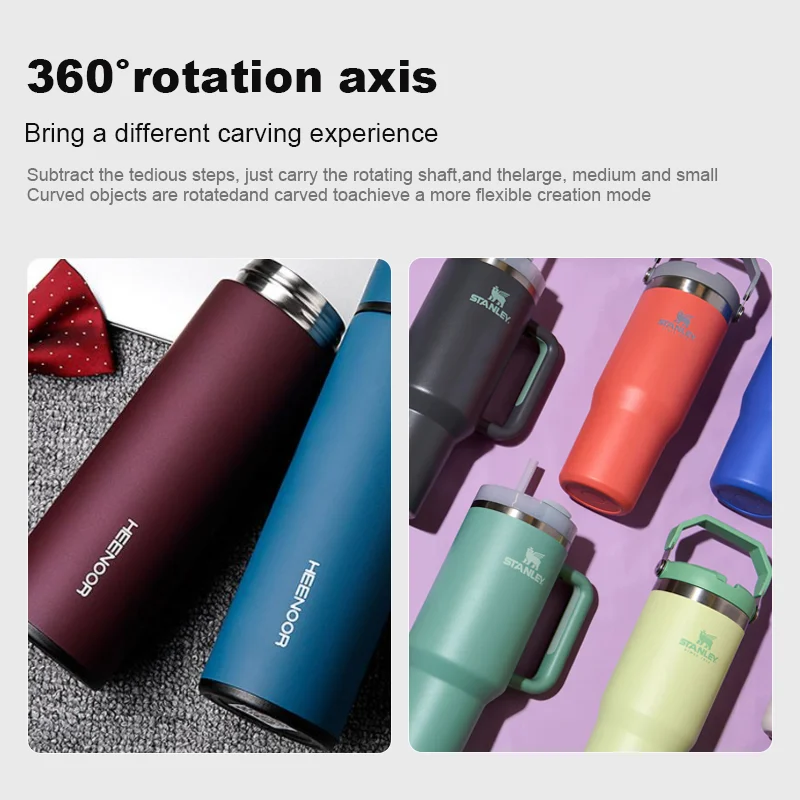
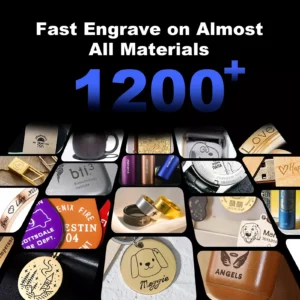
- Nameplates, Gifts and Promotional Products: Mark coated metals, anodized aluminum, stainless steel and selected plastics for tags, plates, drinkware and customized products. This system is intended for surface marking and controlled engraving, not general sheet-metal cutting.

Technical Specifications
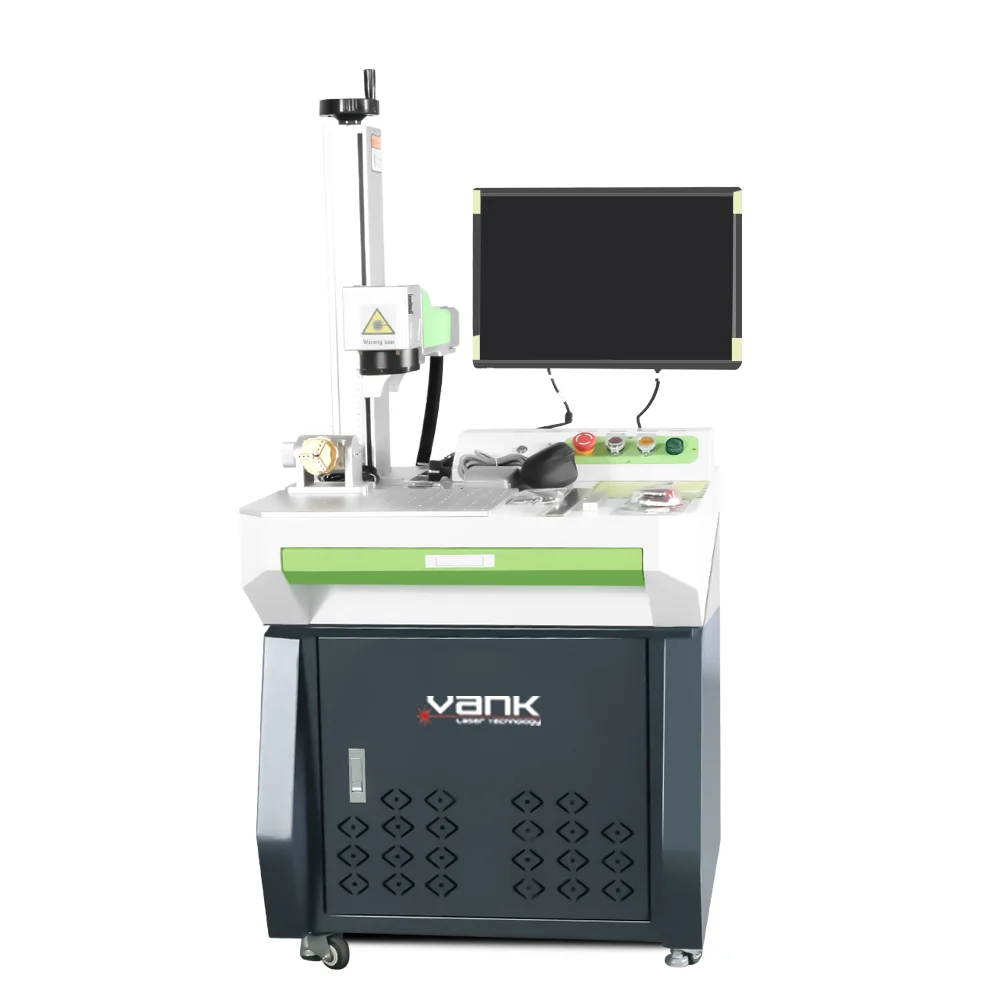
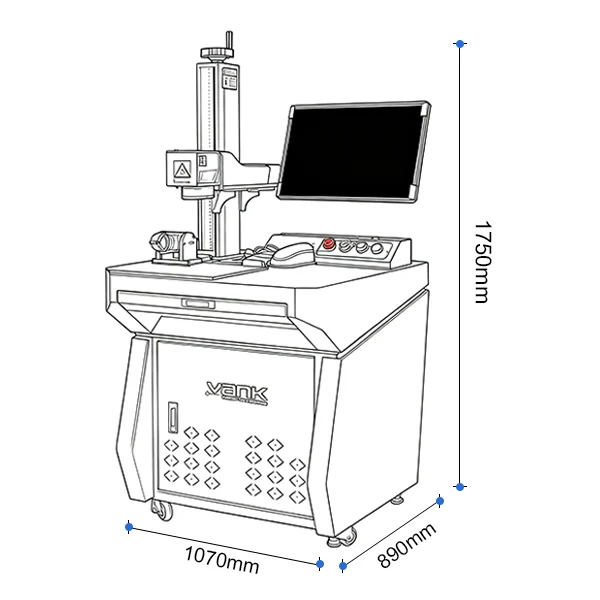
| Model | Desktop Fiber Laser Marking Machine |
| Rated Optical Power | 30 W / 50 W / 60 W / 70 W / 100 W; availability depends on the selected source |
| Center Wavelength | Nominal 1064 nm; source dependent |
| Pulse Repetition Frequency | Source dependent; confirm the selected laser-source datasheet |
| Pulse Width | Source dependent; MOPA sources provide a wider adjustable pulse-width range |
| Expected Laser-Source Life | Operating conditions and source dependent; confirm warranty and rated-life terms in the quotation |
| Laser Safety Classification | Open systems are typically Class 4; confirm the final machine label, enclosure and regional requirements |
| Marking Area | 75 × 75 mm / 110 × 110 mm / 150 × 150 mm / 175 × 175 mm / 200 × 200 mm / 300 × 300 mm; lens dependent |
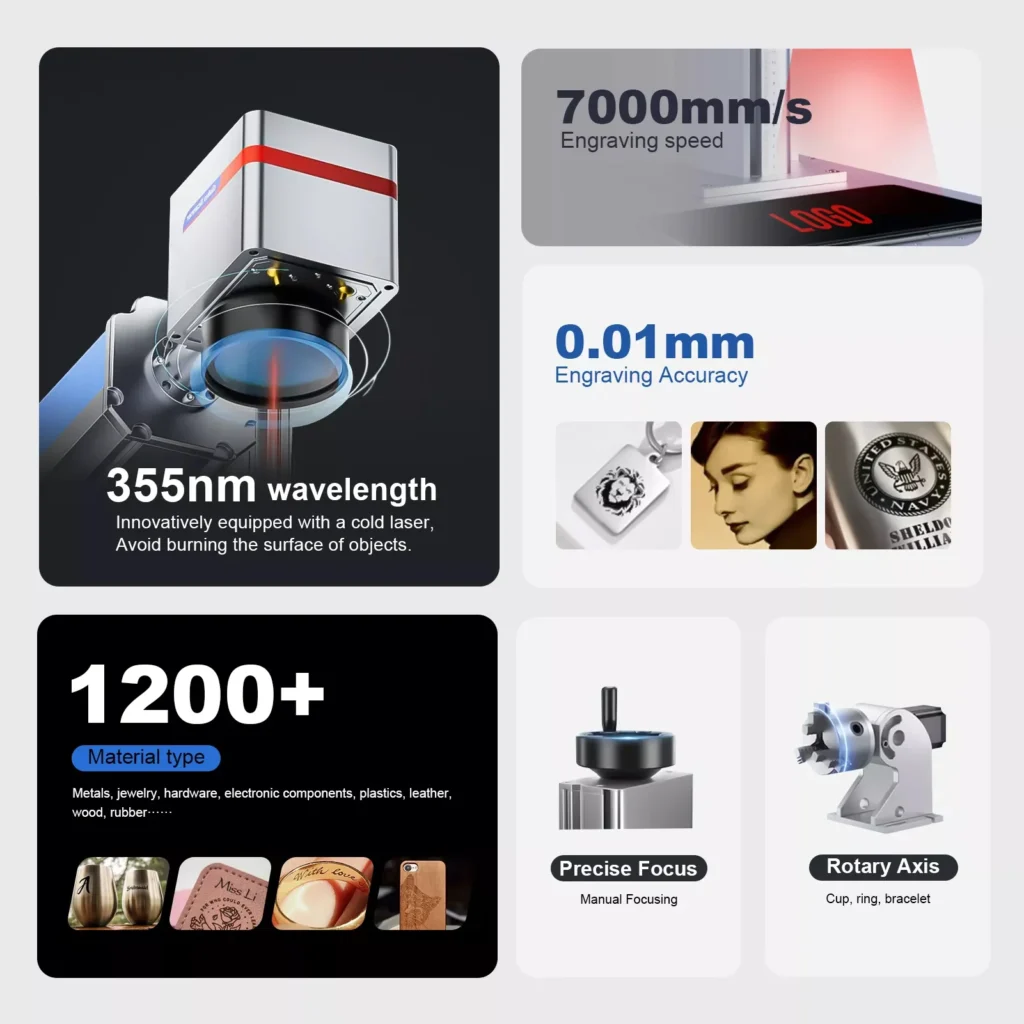
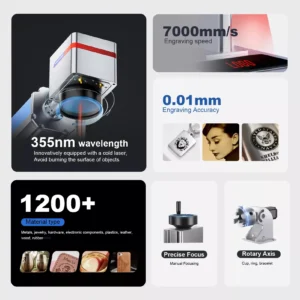
| Maximum Marking Speed | Up to 7,000 mm/s; galvo, lens, artwork and marking-recipe dependent |
| Maximum Engraving Depth | Material, source, lens, hatch, power and number-of-pass dependent; confirm by sample engraving |
| Marking Resolution and Tolerance | Application, lens and field-calibration dependent; define acceptance criteria with sample parts |
| Repeatability | Fixture, focus, field calibration and part-placement dependent; confirm by acceptance test |
| Minimum Markable Font Size | Application dependent; confirm character legibility with the selected field lens |
| Minimum Line Width | Application dependent; confirm with sample marking and inspection requirements |
| Power Supply Voltage | AC 110 V or 220 V, 50/60 Hz; regional configuration by quotation |
| Cooling Mode | Air Cooling |
| Control Software | EZCAD2; optional LightBurn Pro workflow on supported JCZ/EZCAD hardware |
| Supported Operating Systems | EZCAD2 on supported Windows systems; LightBurn support depends on the current software version and controller |
| Supported File Formats | Common vector and bitmap formats including DXF, AI, SVG, PLT, BMP, JPG and PNG; confirm the software workflow |
| Operating Environment | Clean, dry and ventilated installation; maintain the source, controller and optics within their specified limits |
| Fume Extraction | Required and sized for the marked material, coating and production process |
| Final Configuration | Laser source, field lens, galvo, controller, computer, fixtures and safety options confirmed by quotation |
Marking Samples and Material Compatibility
Applicable Materials
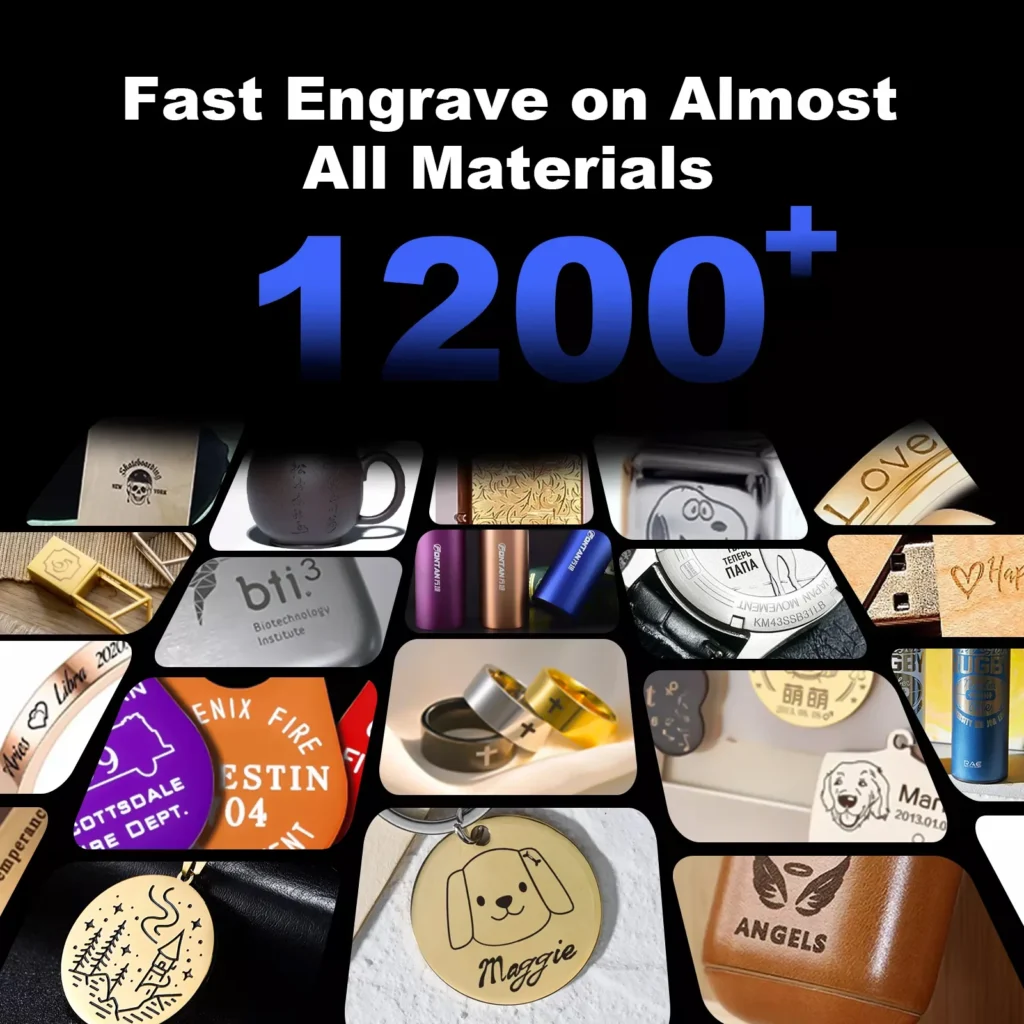
Best-suited materials include steel, stainless steel, aluminum, anodized aluminum, brass, copper, titanium, carbide and many coated metals. Some engineering plastics and ceramics can also be marked when their absorption, additives and required contrast are compatible with 1064 nm processing. Organic materials, transparent glass and stone vary widely and must be evaluated with representative samples. An open desktop marker is typically a Class 4 system with hazardous invisible and reflected radiation; trained operation, suitable guarding or an interlocked enclosure, required protective measures and correctly sized fume extraction are essential.
Typical Industries
Common uses include industrial part identification, electrical components, automotive and motorcycle parts, tools, plumbing hardware, jewelry, watchmaking, eyewear, gifts, nameplates and other workflows requiring durable text, logos, barcodes or Data Matrix codes.


Machine Components and Software

EZCAD2 Control with Optional LightBurn Pro Workflow
The machine uses a JCZ/EZCAD-compatible galvo controller and is supplied with its machine-specific configuration and calibration files. LightBurn Pro can control supported EZCAD-based galvo devices after the correct driver and configuration are installed; compatibility must be confirmed for the selected controller and software version.

Red-Light Frame Preview

Contour Preview and Part Positioning

Laser Source
Raycus, MAX, IPG and JPT sources can be evaluated according to power, pulse characteristics, material and application requirements. Q-switched and MOPA configurations have different frequency and pulse-width ranges; the exact source model and datasheet must be listed in the quotation.

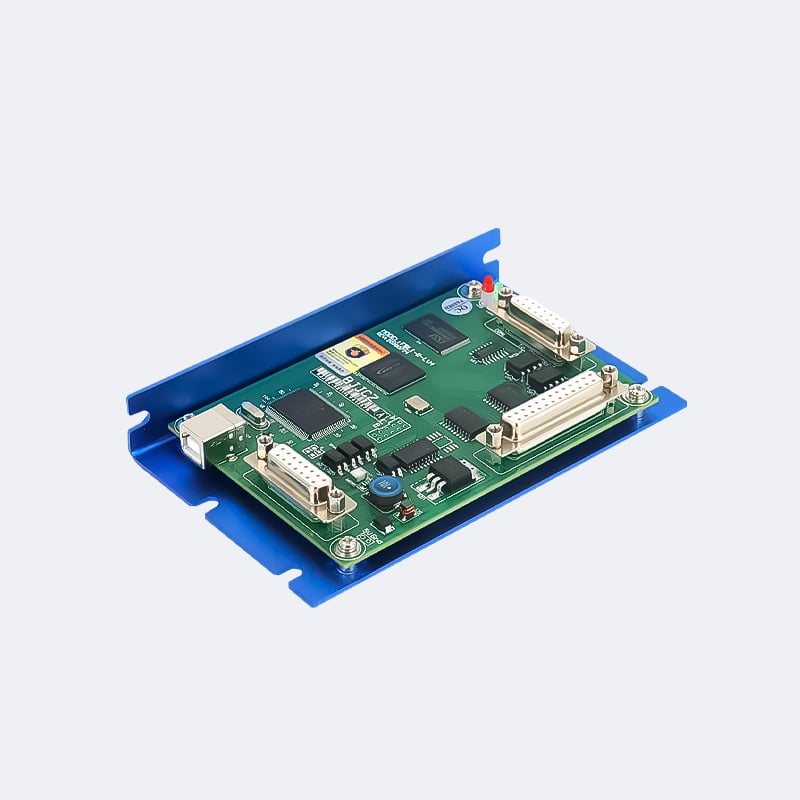
JCZ Galvo Control Board
The controller coordinates the laser source, galvo scanner, red-light preview and external I/O. Board model, software version, drivers and machine-specific configuration files are supplied according to the confirmed configuration.

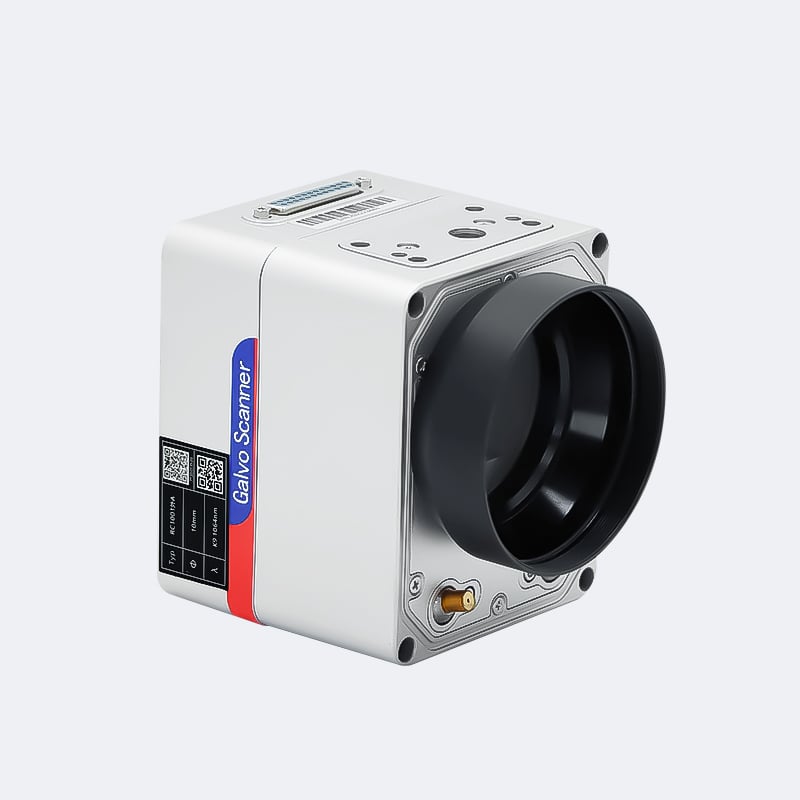
High-Speed Galvanometer Scanner
Dual high-speed motors position the scanning mirrors for fast, repeatable marking. A nominal speed of up to 7,000 mm/s depends on the scanner, lens, field size, artwork and process settings; auto-focus or 3D options require a separately confirmed configuration.

Ring/Bracelet Rotary Axis
Nominal 50 mm fixture capacity; confirm jaw range and part geometry before ordering.

Flat Metal Sheet Clamp
Nominal clamping area 160 × 98 mm; confirm the part size, thickness and fixture layout.

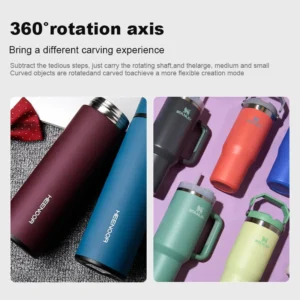
Bottle and Cylindrical-Part Rotary Axis
Nominal 80 mm fixture range; confirm diameter, weight, taper and required chuck or roller type.
Distributor and System-Integrator Cooperation
Vank Laser works with qualified distributors and system integrators that support laser equipment, CNC machinery or industrial identification solutions in their local markets.
- Distributor pricing and commercial terms based on territory, volume and confirmed configuration
- Branding, machine color and interface-language options subject to engineering review and order terms
- Product photos, videos, technical documents and training resources for approved partners
- Remote installation guidance and technical support according to the signed agreement
- Shipment planning and mixed-model orders evaluated case by case
Introduce your company, main products, target customers and country or region by email to sales@vanklaser.com. The team will review market fit, sample-order requirements and possible cooperation terms.
Desktop Fiber Laser Marking Machine FAQ
What materials can a fiber laser marking machine mark?
Fiber marking at approximately 1064 nm is primarily used for metals, anodized aluminum, coated metals and compatible engineering plastics. Results on ceramics, glass, stone, leather and other non-metals vary with composition, additives and surface treatment, so representative sample testing is required.
What laser power options are available?
This platform can be quoted with 30 W, 50 W, 60 W, 70 W or 100 W sources, subject to the selected source brand and pulse type. Choose power, lens and Q-switched or MOPA behavior from the material, mark type, cycle time and required depth—not wattage alone.
How deep can a fiber laser marking machine engrave into metal?
There is no universal depth value. Engraving depth depends on the alloy, source power and pulse characteristics, field lens, hatch, focus, scan speed and number of passes. Define the required depth and surface finish, then approve a marked sample before production.
What is the difference between fiber laser marking and CO2 laser marking?
A fiber marker typically operates near 1064 nm and is well suited to metals and many engineered plastics. A CO2 laser operates near 10.6 μm and is generally better for wood, acrylic, paper, leather, textiles and other organic materials. The correct process depends on absorption, coating, mark contrast and safety requirements.
How do I clean and maintain the lenses and mirrors?
Power down and isolate the machine before maintenance. Keep the field lens covered when idle, remove loose dust with clean optical air and use only approved lens tissue and optical cleaning fluid according to the supplied procedure. Do not touch optical surfaces or clean them with ordinary cloth, and replace damaged protective optics rather than continuing to operate.
What file formats and software are supported?
The standard workflow uses EZCAD2 with a compatible JCZ controller and supports common vector, bitmap, text, serial-number, barcode and QR-code jobs. LightBurn Pro supports many EZCAD-based galvo machines after the correct driver and machine configuration are installed. Confirm the board model, operating system, software license and required import formats before ordering.
How long does the laser source last, and what is the warranty?
Laser-source life is affected by source design, duty cycle, temperature, power stability and operating conditions. Rated-life statements are not the same as a machine warranty. The source model, machine warranty, excluded consumables and service terms must be confirmed in the signed quotation.
What are the advantages of fiber laser marking over traditional methods (e.g., inkjet or engraving)?
Fiber laser marking is non-contact, needs no ink or cutting tool, and can produce fine, repeatable text, graphics and machine-readable codes. Compared with inkjet, it can provide more durable marks on compatible parts; compared with dot peen or mechanical engraving, it avoids tool contact and supports higher-detail graphics. Process validation and fume extraction are still required.