


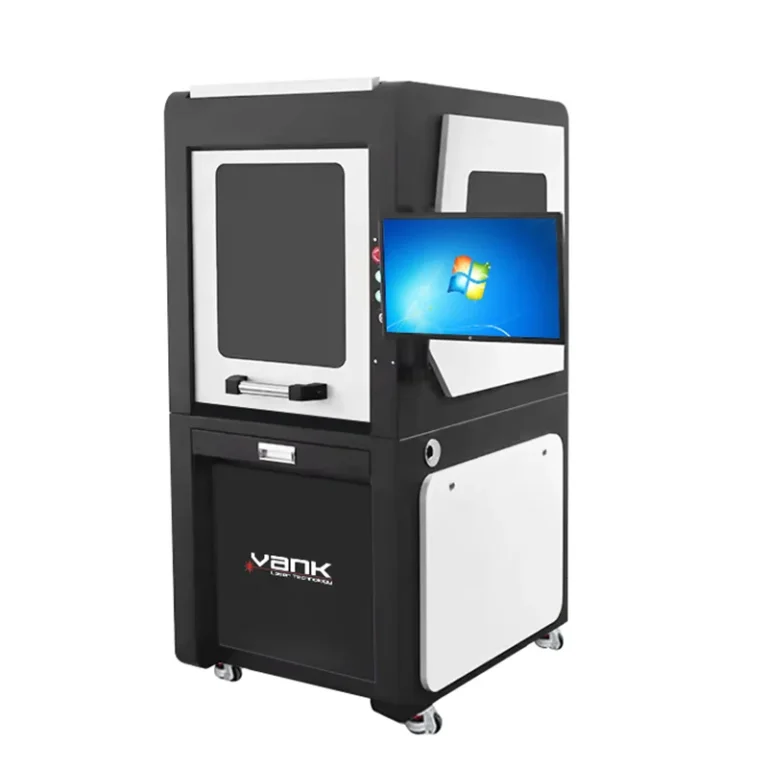
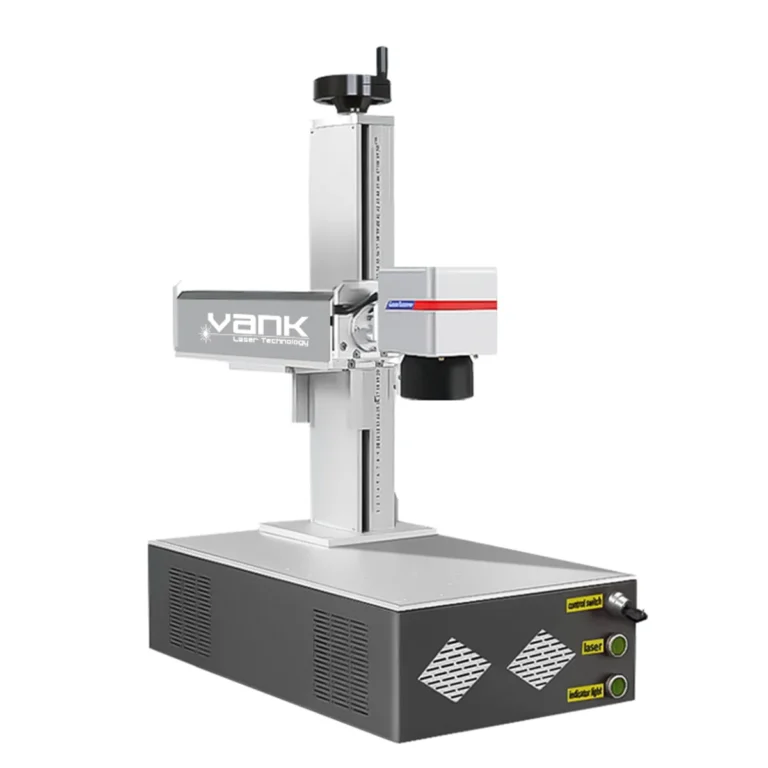
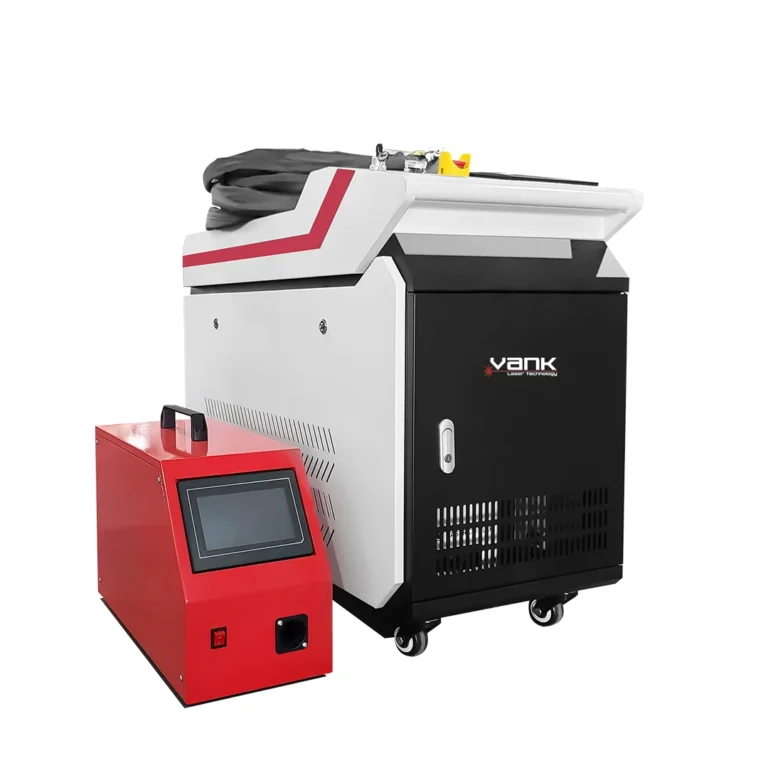
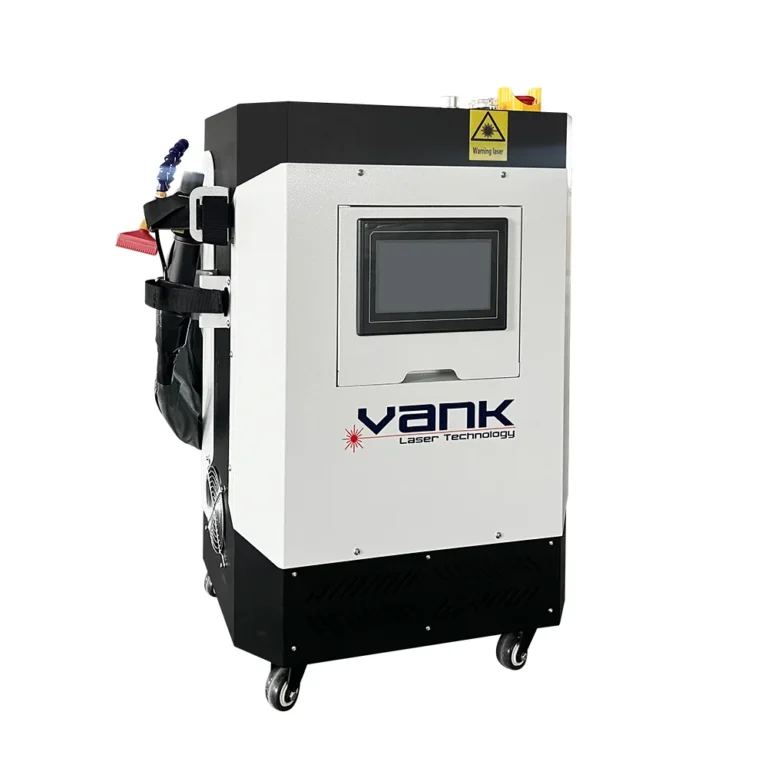
Application and model selection
Pulsed cleaning and continuous-wave cleaning in a welding system are different processes. Select the exact source datasheet before comparing pulse energy, pulse width, cooling and duty cycle. Without a configuration-specific test, fixed cleaning rates, peak power and focus ranges should not be treated as purchase acceptance values.
Configuration and specifications
| Parameter | Product configuration |
|---|---|
| Model / format | Handheld pulsed fiber cleaning platform |
| Laser power options | 100 / 200 / 300 W |
| Nominal wavelength | 1064 nm |
| Laser source | Pulsed fiber; exact model and pulse range to quotation |
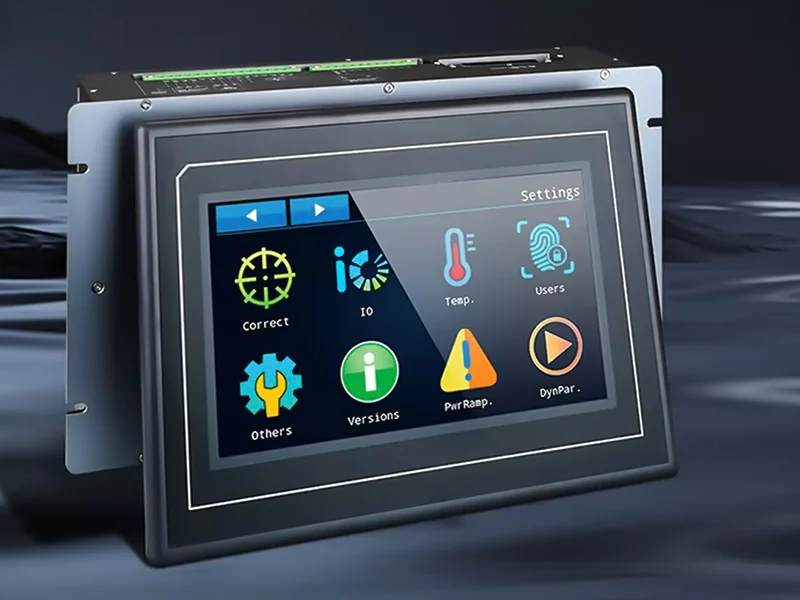
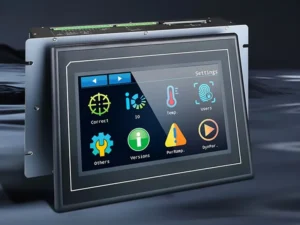
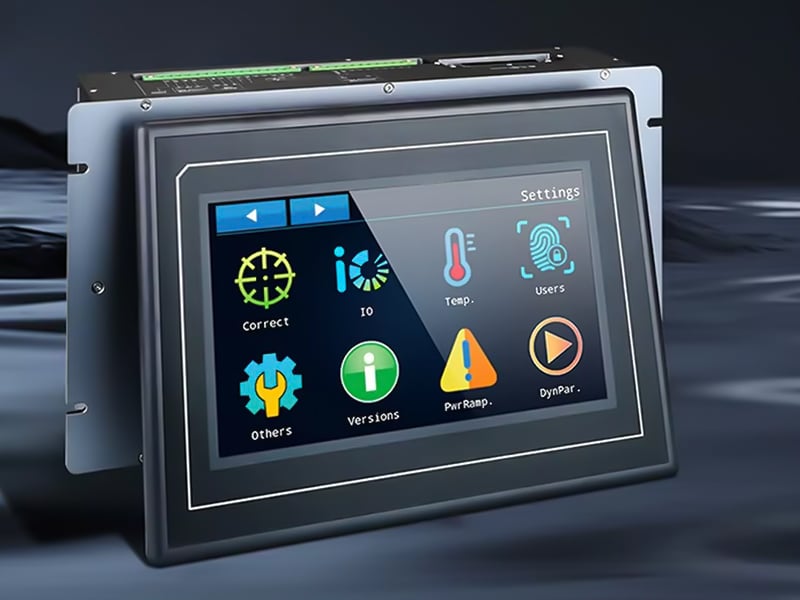
| Controller / software | Touchscreen with scan and recipe settings |
| Cooling | Air or water cooling as required by the selected source |
The values below identify this product and its listed options. The selected source, optics, controller, accessories and site utilities must be named in the quotation. Motion speed and positioning figures do not establish finished-part tolerance or production throughput.
Materials and process limits
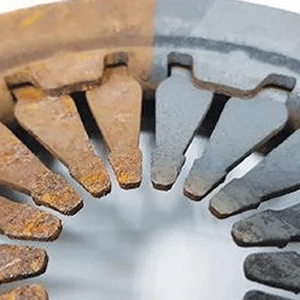
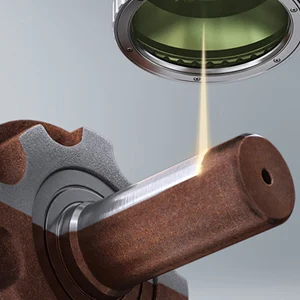
Pulsed fiber cleaning is evaluated for localized rust, paint, oxide and residue removal from compatible surfaces. Identify both the substrate and contamination. Lead paint, chromates and unknown coatings need a specific exposure and extraction assessment. Cleaning is not sterilization and does not automatically preserve every surface finish.
Production workflow
Test a small representative area with the selected source and lens. Adjust pulse settings, scan width, overlap, focus and travel speed, then inspect coating removal and substrate change. Record an approved recipe for each surface and contamination combination. Capture the particles and fumes created by ablation.
Options to specify
Source model determines pulse energy, frequency, pulse width and cooling. Lens choice changes working width and energy density. Confirm head, cable length, extraction, protective optics and site power together. The open-beam process requires Class 4 laser controls and trained operation; non-contact does not mean harmless to the substrate.
Sample test and acceptance
Approve a representative sample and the written configuration before ordering. Record the material, source, settings, lens or nozzle, fixture, appearance, dimensions and complete cycle time. Keep those results as the production acceptance reference.
Questions before ordering
What cleaning rate is realistic?
Measure area per hour on the actual coating thickness, adhesion, substrate and required finish. Include repositioning and repeat passes. A rate for light rust cannot be applied to thick paint, and higher power can increase substrate heating. Request before-and-after photos and a timed test.
Installation, service and documentation
Ask Vank Laser to include the machine layout, electrical requirements, supplied software, operating instructions, maintenance schedule and recommended spare parts in the technical proposal. Agree commissioning, operator training, support language, warranty coverage and service responsibilities before shipment. Request conformity documents for the actual machine and destination.
Request a sample test and quotation
Send substrate material, coating or contaminant identity, layer thickness, surface photos, area and geometry, acceptable surface change and target cleaning rate.
Send the destination country, installation voltage and required delivery scope with your inquiry. Ask for sample photos or video, measured results and a configuration-specific quotation.
Request a sample test and configuration quote
Compare related machines
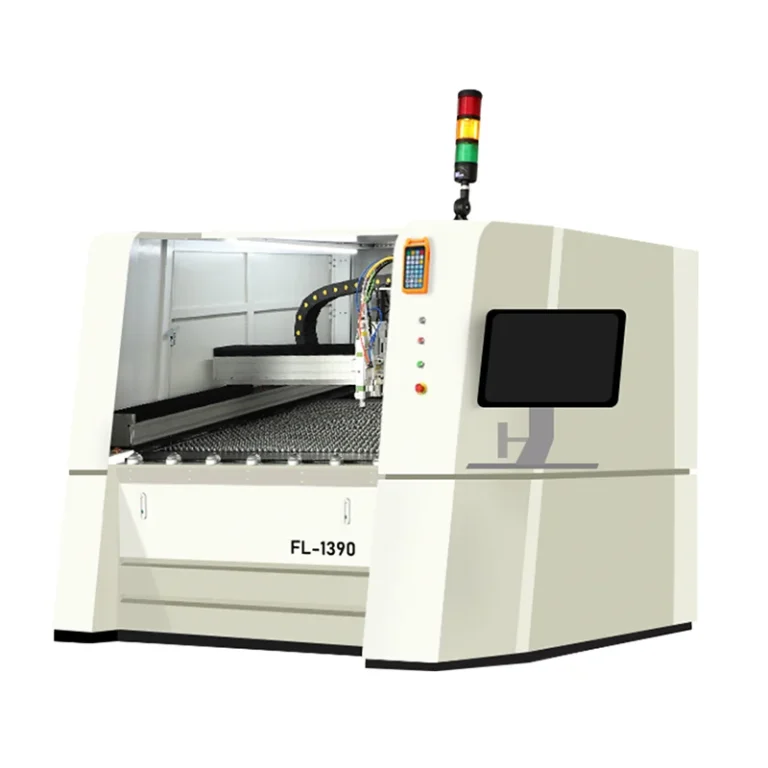
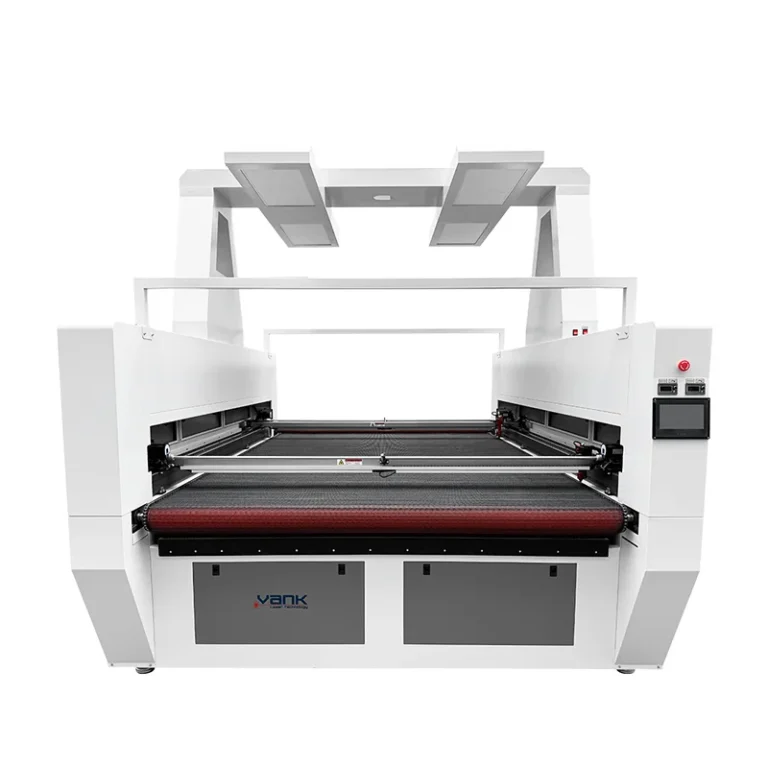
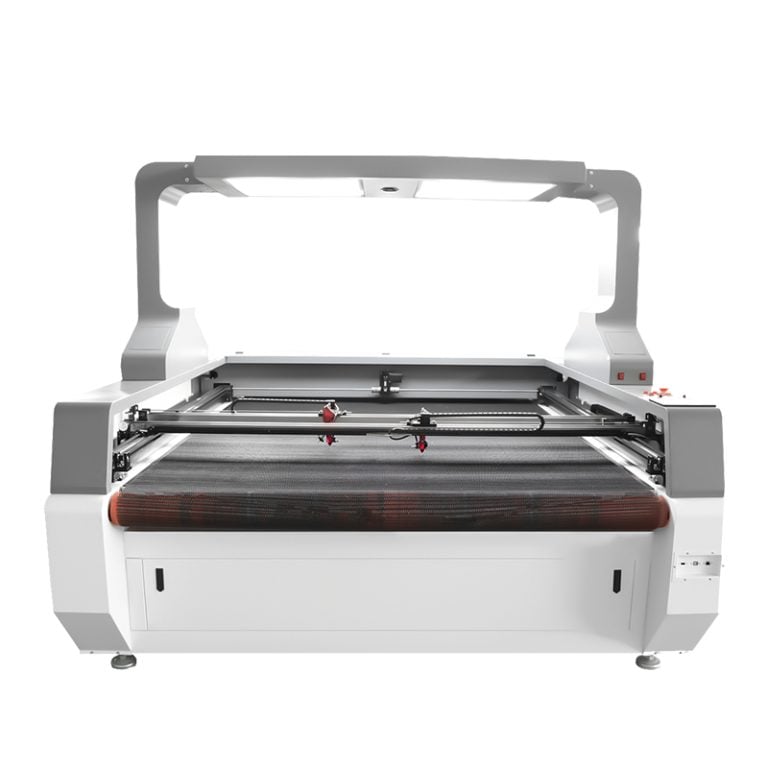
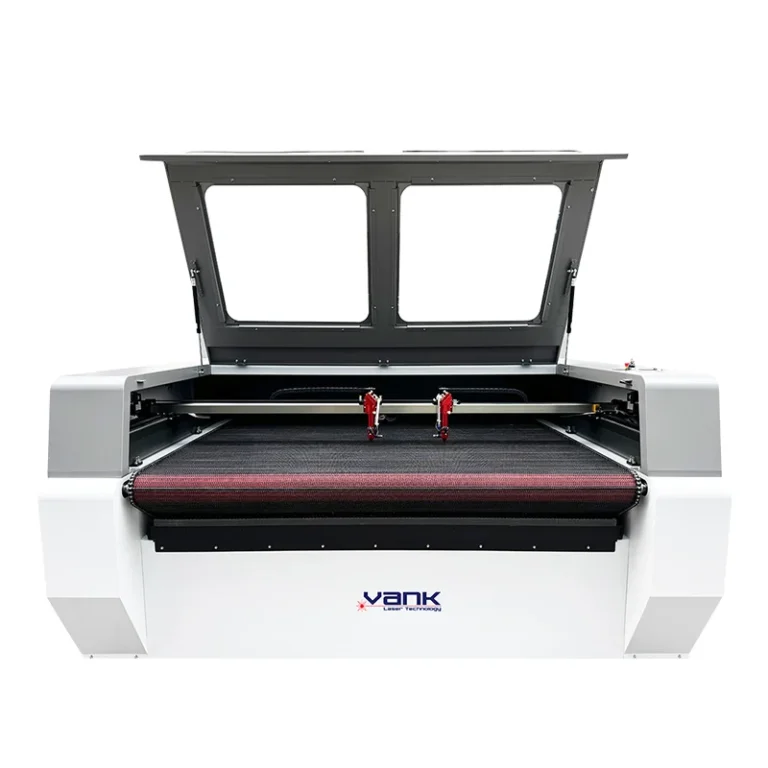
Machine and component photos
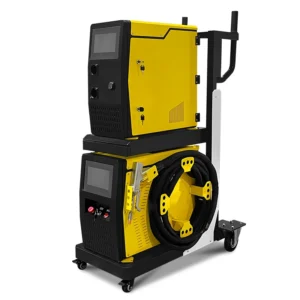
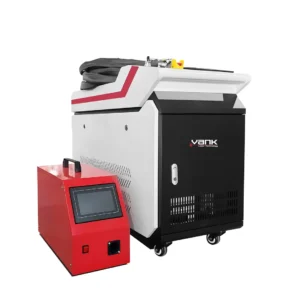
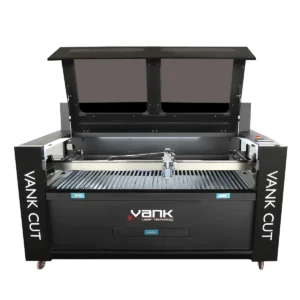
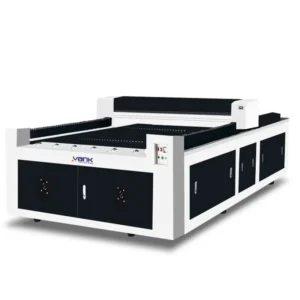
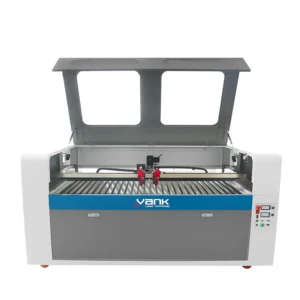
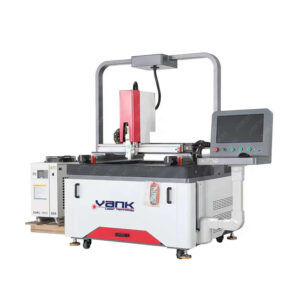
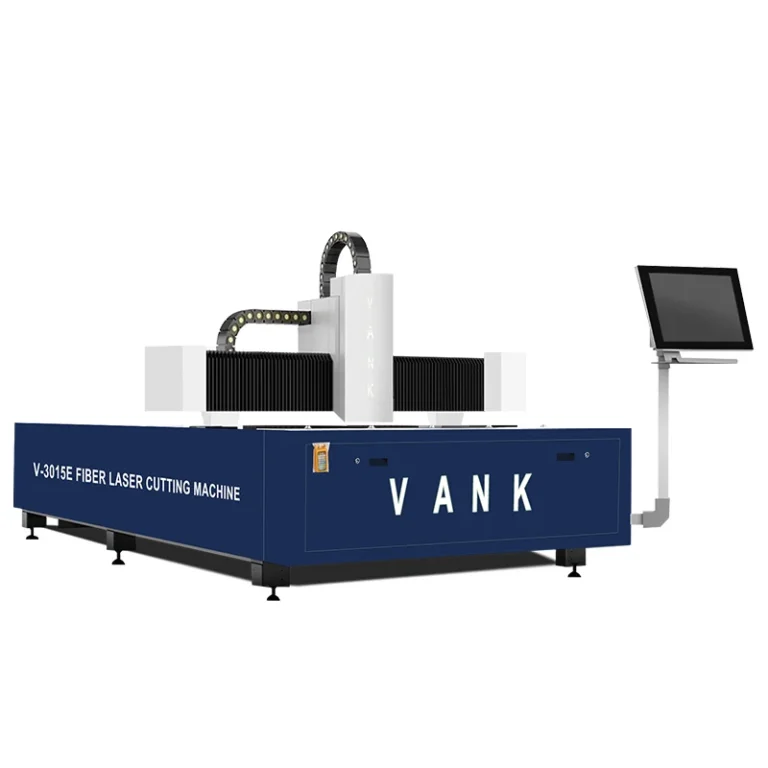
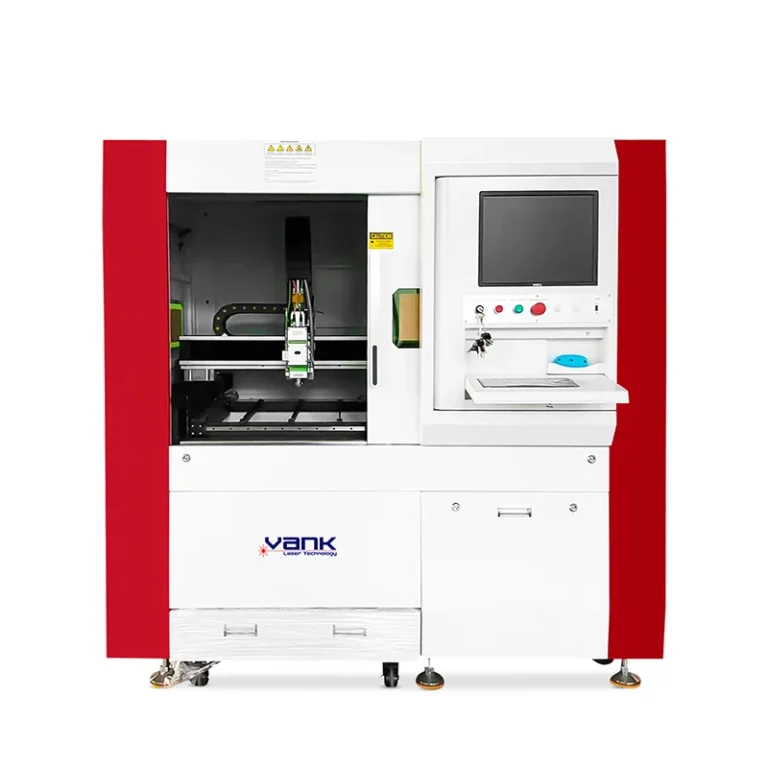
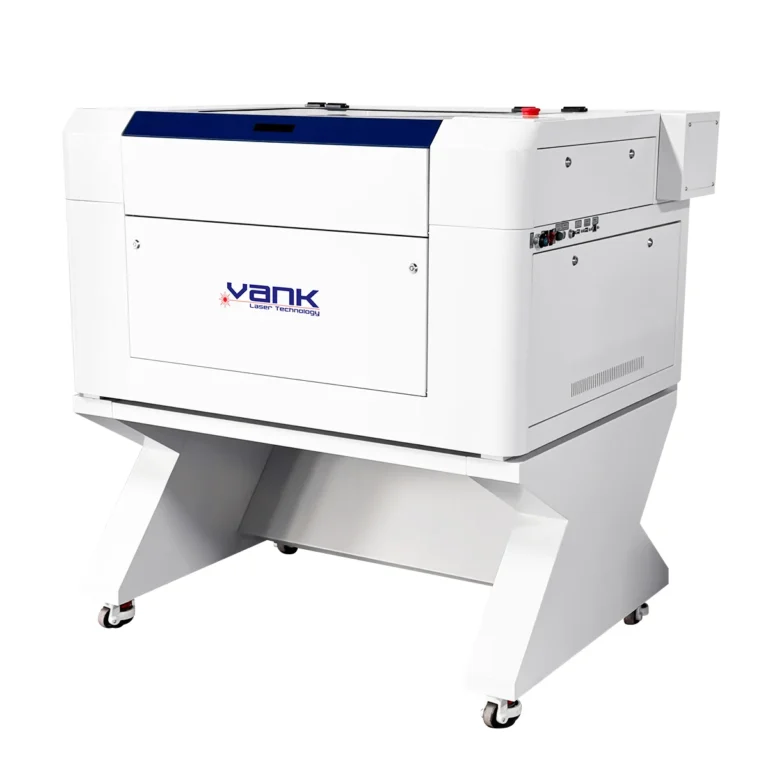
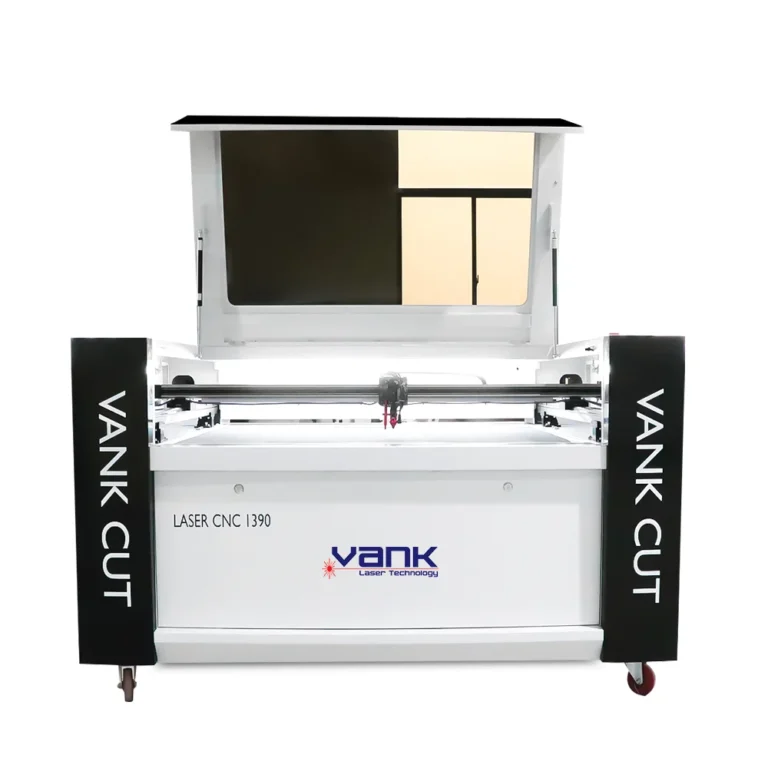
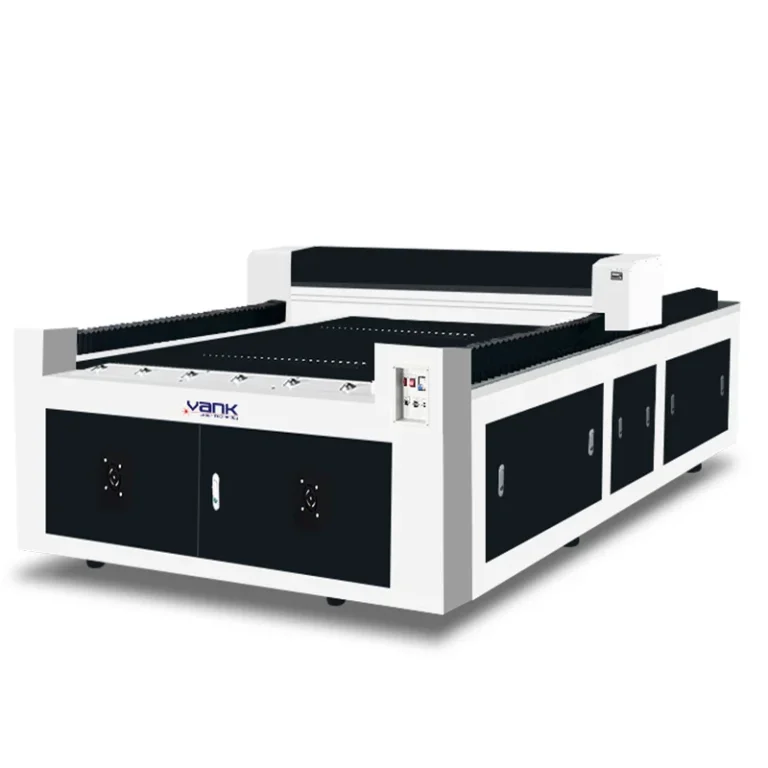
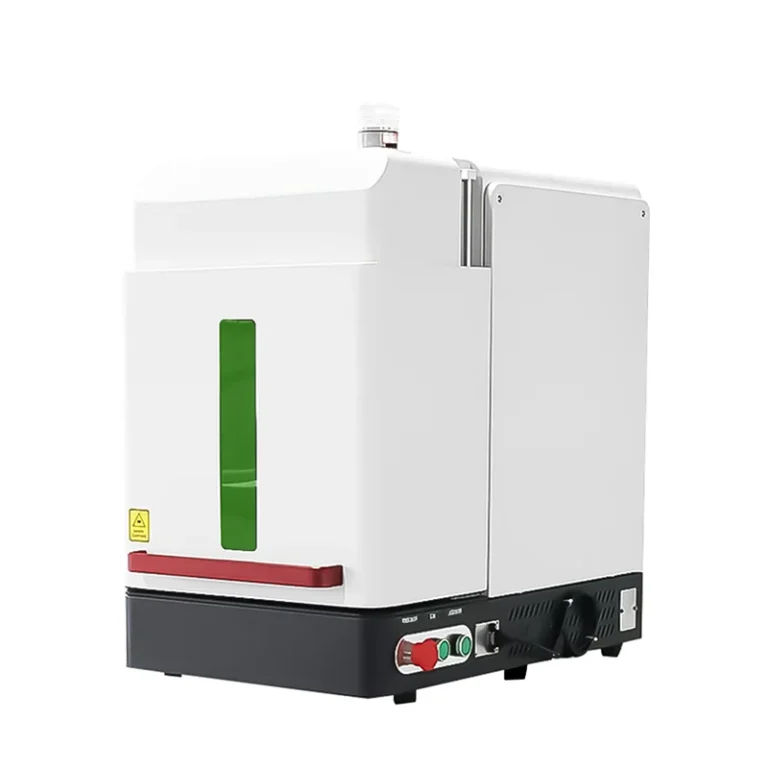
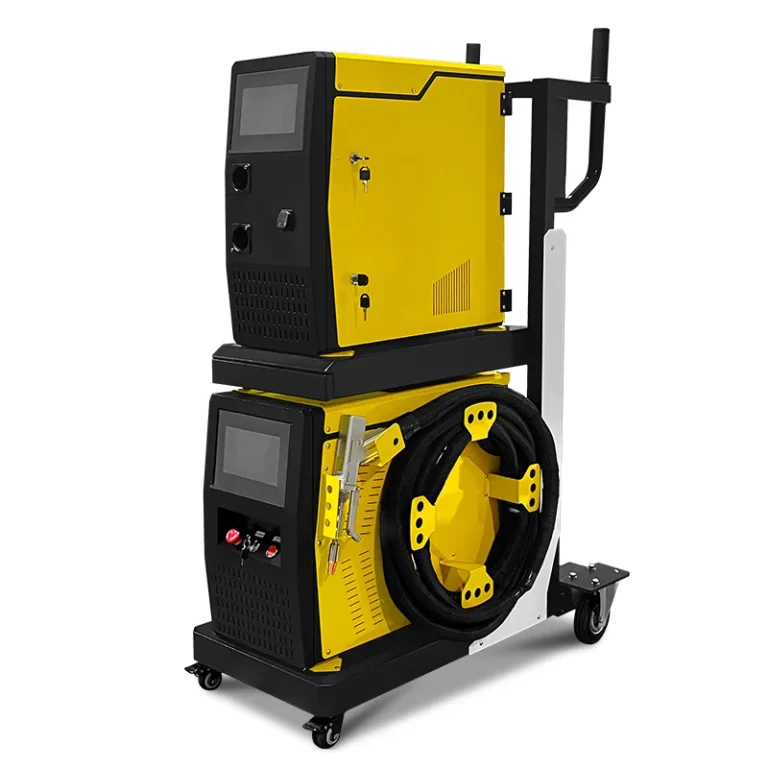
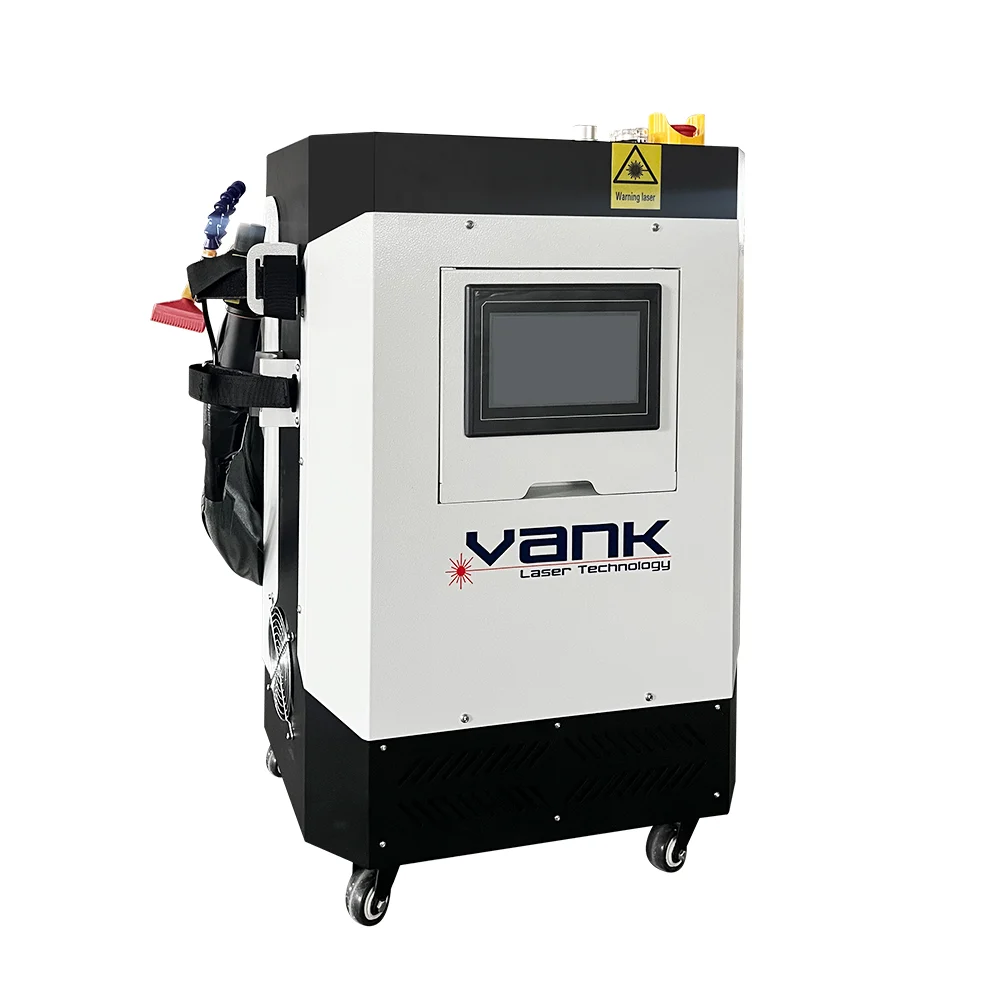
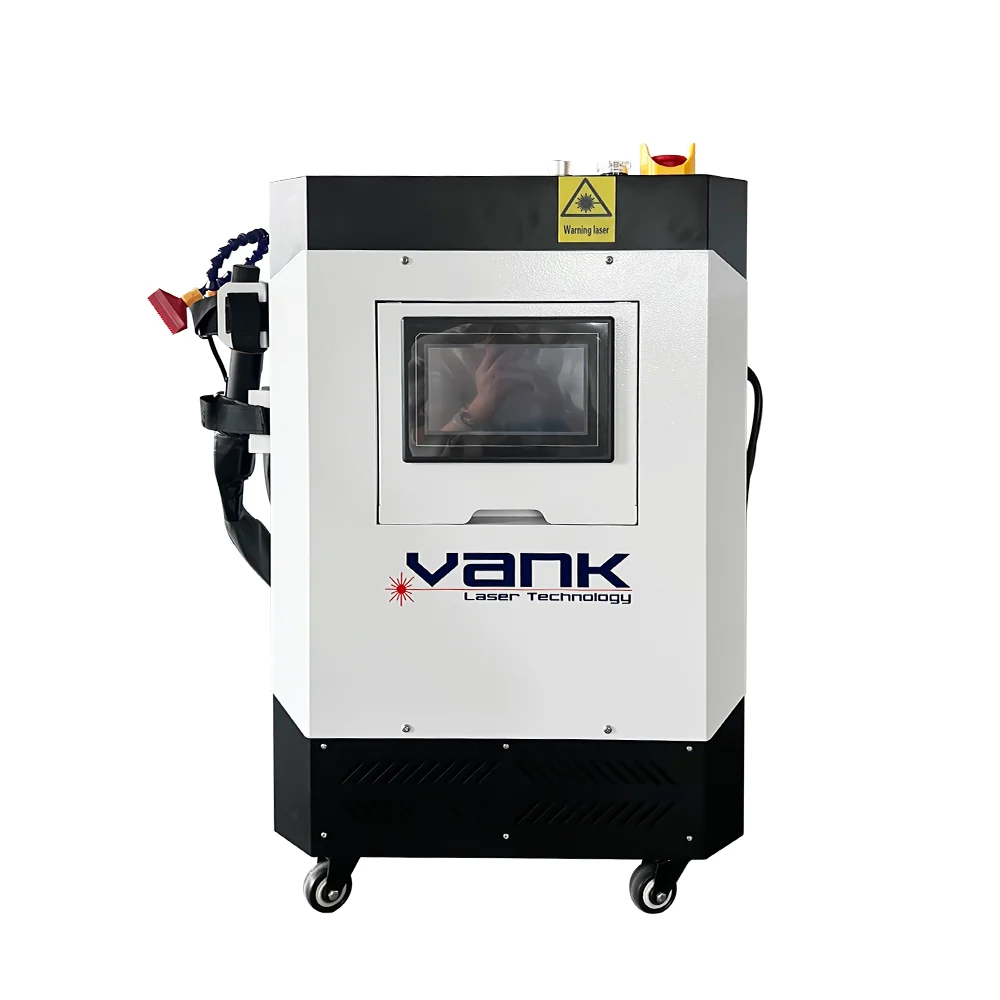
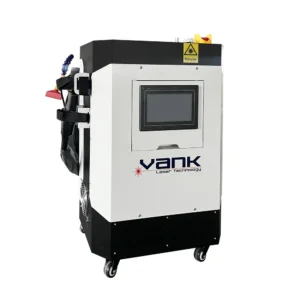
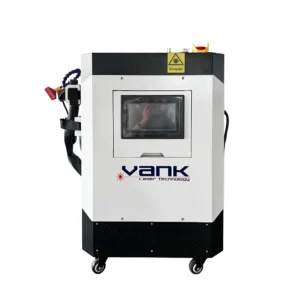
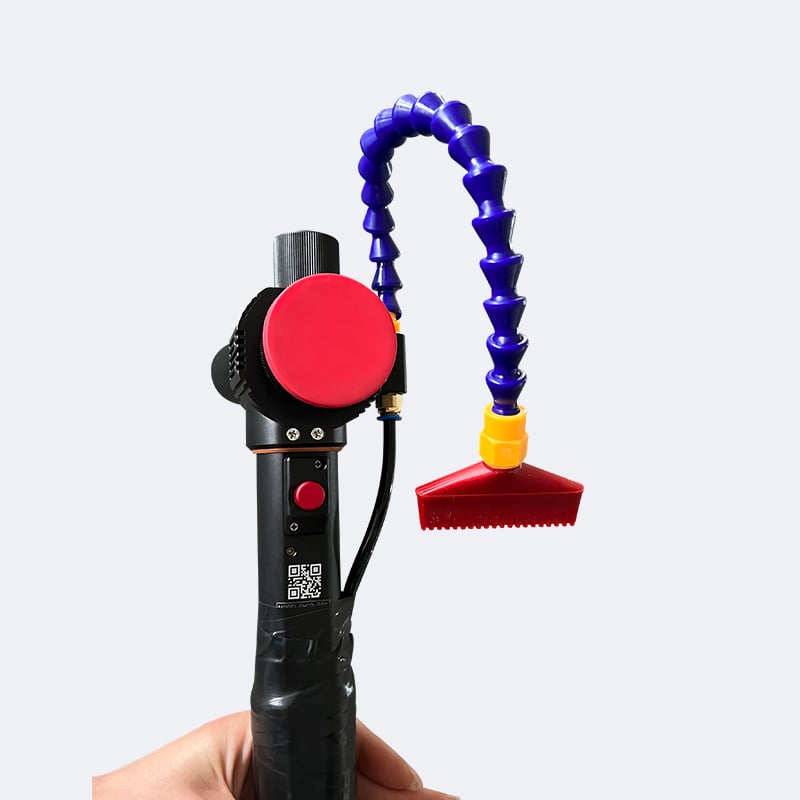
Photos illustrate the product or component family. Included brands, accessories and configuration are defined in the approved quotation.
Product videos
Vank product-family demonstration. The machine shown may have a different power or optional equipment; confirm the configuration for your order.